
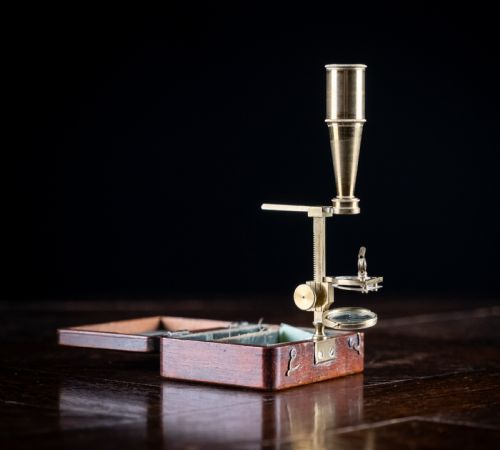
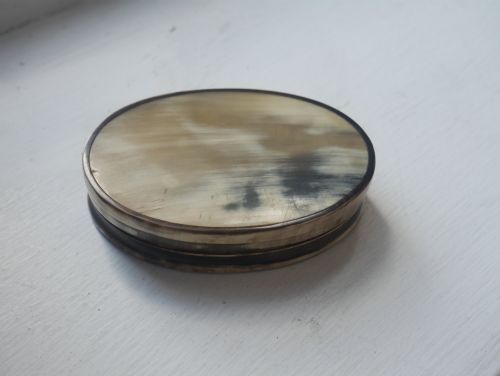
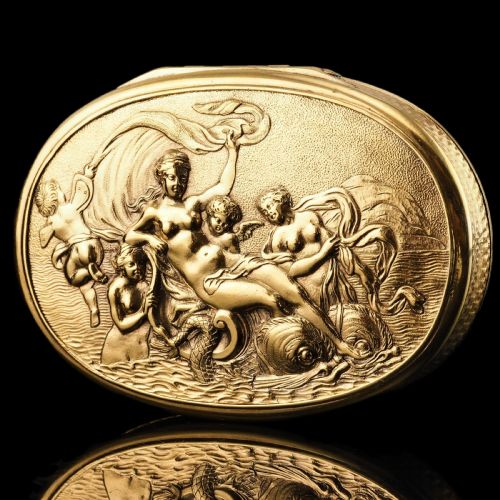
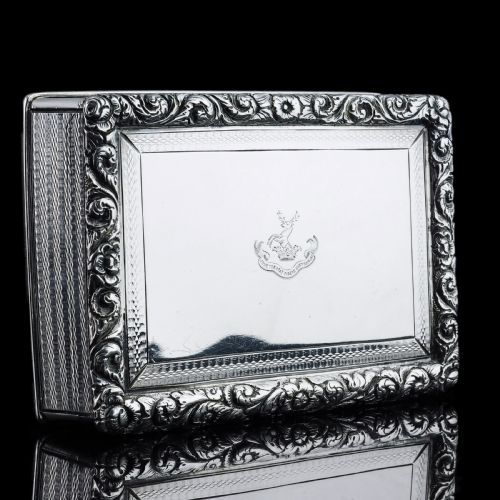
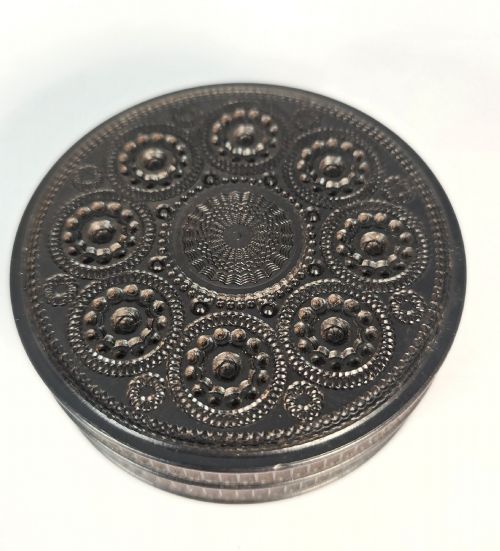


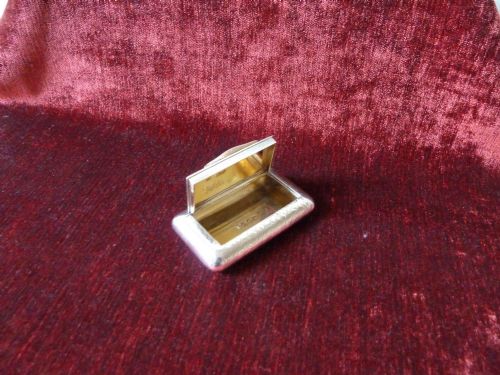
Georgian Pocket Box
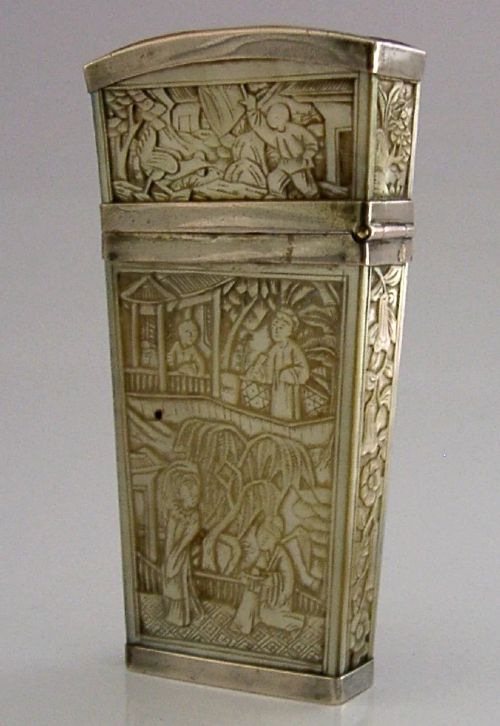
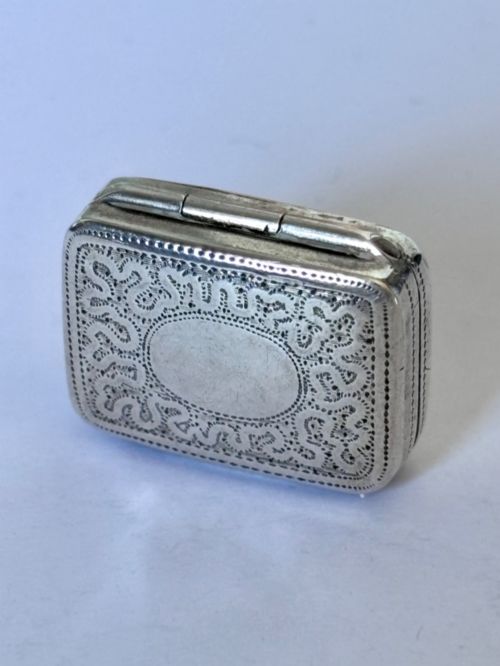
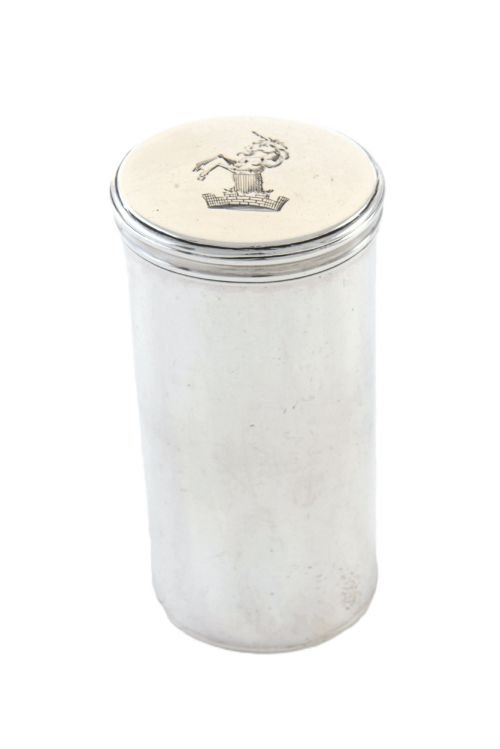
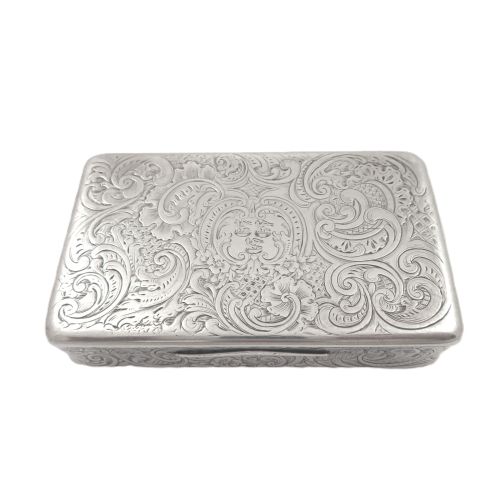
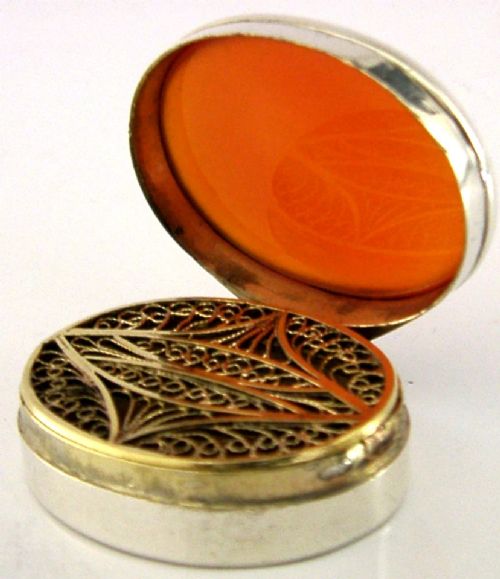
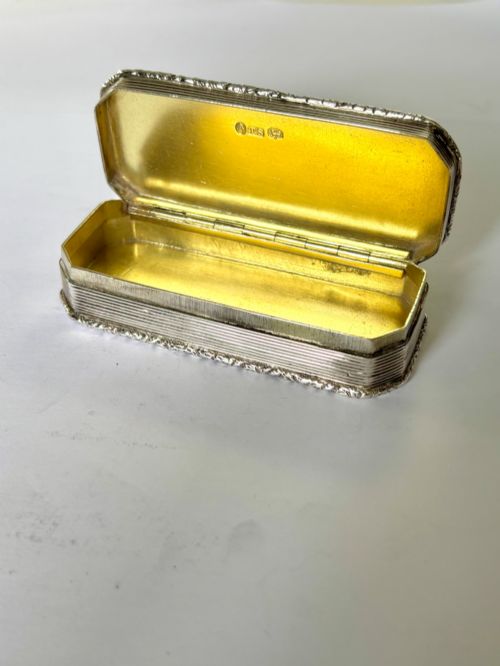
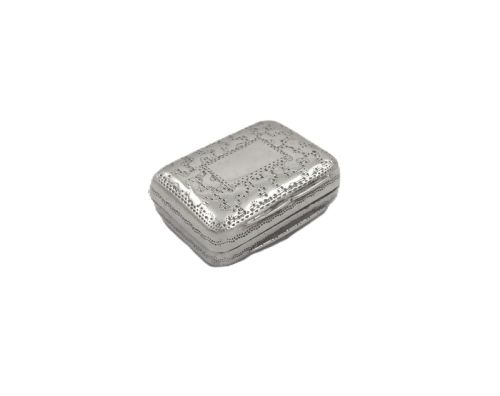
Georgian pocket box pieces are portable personal containers fashioned for snuff, pills, and small treasures, prized for their exquisite craftsmanship and tangible connection to daily eighteenth-century life.
What They Are
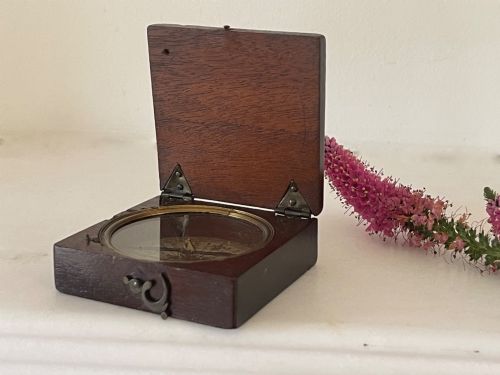
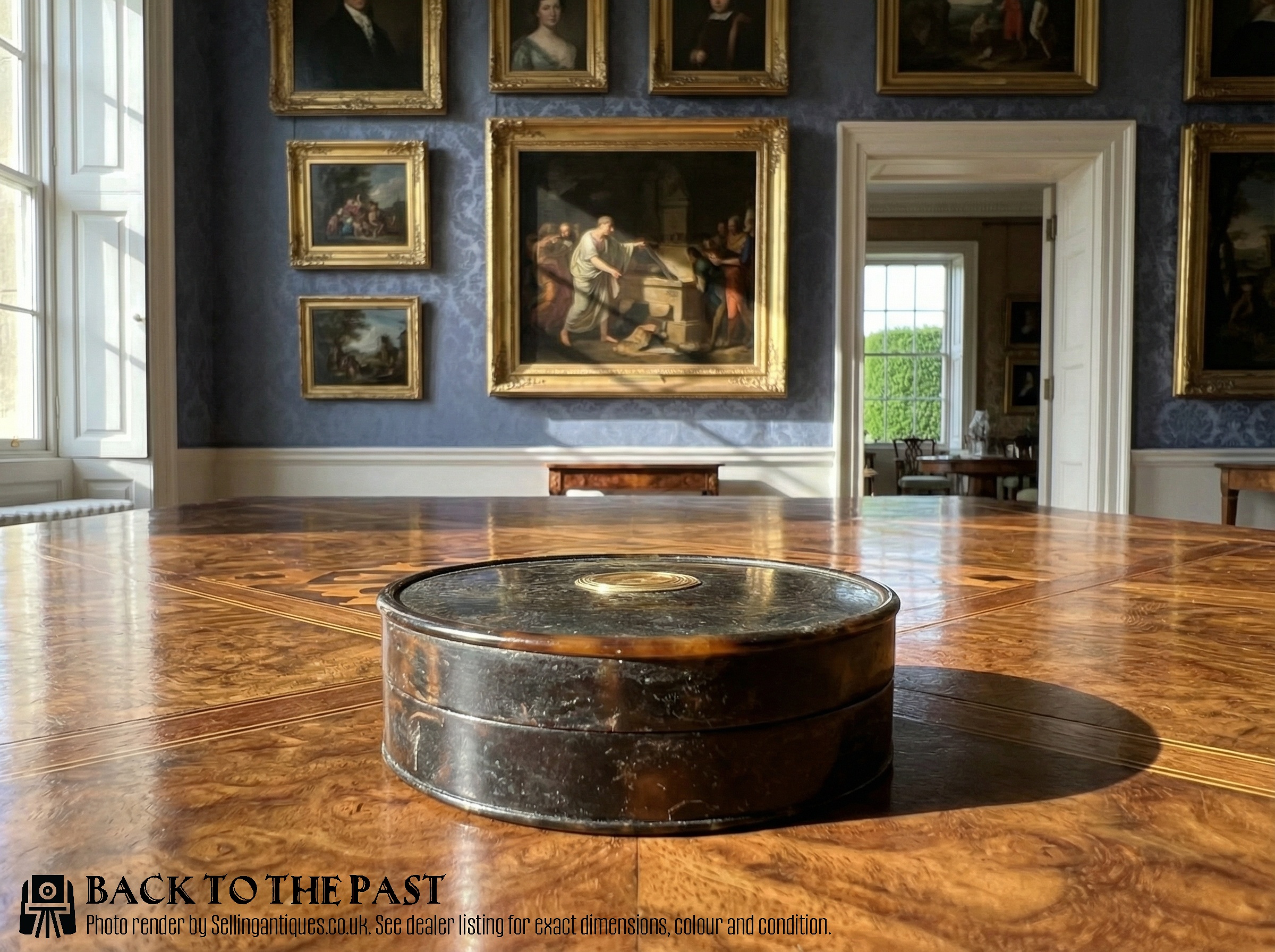
When you search for georgian pocket box, you encounter a selection of miniature containers designed for portable utility during the eighteenth and nineteenth centuries. The listings encompass diverse forms ranging from snuff boxes to wall pockets and specialised pocket items.
The objects most frequently met on this page are snuff boxes formed from organic materials and precious metals. These items reflect the personal habits and social rituals of the Georgian period.
Origins span the broader Georgian era into the Regency period, capturing shifts in design from robust eighteenth-century utilitarian objects to more refined Regency accessories. Each piece demonstrates the specific functional requirements of its original owner.
How They Were Made
Maker construction relies on a diverse palette of materials including pony skin, horn, metal, leather, tortoiseshell, gold, sterling silver, oak, and boxwood. Artisans combined these substances to create secure lids and durable bodies suitable for daily carriage.
Techniques involve precision fitting of organic coverings over rigid foundations, alongside metalworking methods such as silversmithing and gold mounting. Surface decoration and structural joins highlight the tactile nature of period manufacturing.
Some past owners kept tiny scented patches in these compartments to mask the city odours of Georgian streets.
What Varies in Quality
Quality rests upon the scarcity of the medium and the refinement of the joinery, distinguishing utilitarian containers from luxury items adorned with gold and tortoiseshell. Superior examples display harmonious proportions and seamless integration between organic elements and metal mounts.
The sophistication of the surface finish and the integrity of the original material dictate the standing of a piece. Finer specimens retain the original texture and lustre of substances like pony skin and horn without heavy intervention.
The Georgian Pocket Box Glossary
- Georgian
- Pertaining to the period from 1714 to 1830 spanning the reigns of the first four Georges. This era encompasses significant stylistic developments in personal accessories and decorative arts.
- Regency
- The period from 1811 to 1820, often extended to include the broader early nineteenth century. Objects from this time exhibit distinct classical influences and refined silverwork.
- Tortoiseshell
- The mottled brown and yellow shell of certain sea turtles, utilised extensively for veneering luxury boxes. It offers a translucent quality that makers enhanced by placing gold or foil underneath.
- Sterling silver
- An alloy of silver containing 92.5 percent pure silver and 7.5 percent other metals, usually copper. This standard material provided durability and a bright finish for pocket containers.
Frequently Asked Questions
What is a georgian pocket box used for?
These small containers were carried on the person to hold substances like snuff, or items such as pills and patches. Their compact dimensions ensured they fit easily into pockets or small compartments.
Certain variations served specialised functions, including pocket nutcrackers or candle boxes, reflecting the varied domestic and personal needs of the era.
How do I identify a georgian pocket box?
Identification relies on examining the materials, construction methods, and stylistic cues characteristic of the eighteenth and early nineteenth centuries. Organic mediums like horn and tortoiseshell combined with precious metals are typical indicators.
Assay marks on silver components or stylistic motifs typical of the Georgian era further help establish the correct period of manufacture.
How should I care for organic materials?
Organic substances such as pony skin, tortoiseshell, and horn require stable environmental conditions free from excessive moisture and direct sunlight. Gentle dusting with a dry cloth maintains their surface.
Avoiding harsh chemical cleaners preserves the natural patina and structural integrity built up over centuries of handling.
Were these boxes made for men or women?
Pocket containers served both men and women across various social settings during the Georgian period. Personal items like snuff boxes and patch boxes formed standard accessories for daily attire.
The choice of material often reflected the owner's status rather than a specific gender division in their use.