





Georgian Tortoiseshell Box
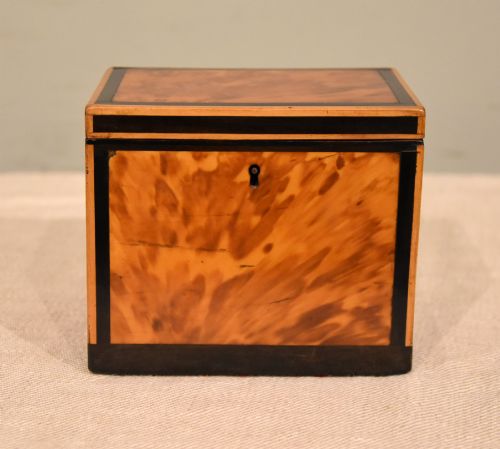
A georgian tortoiseshell box brings tactile warmth and exquisite miniature craft to your desk or pocket.

The Nature of Georgian Tortoiseshell Boxes
The objects frequently combine translucent amber and dark brown shell with precious metals like silver and gold. Many examples date from the Georgian era and the Regency period, extending into the mid nineteenth century.
Pocket-sized snuff and patch boxes appear most often alongside larger tea caddies and tabletop boxes. The variety spans simple mounted containers to elaborate pique inlaid pieces.
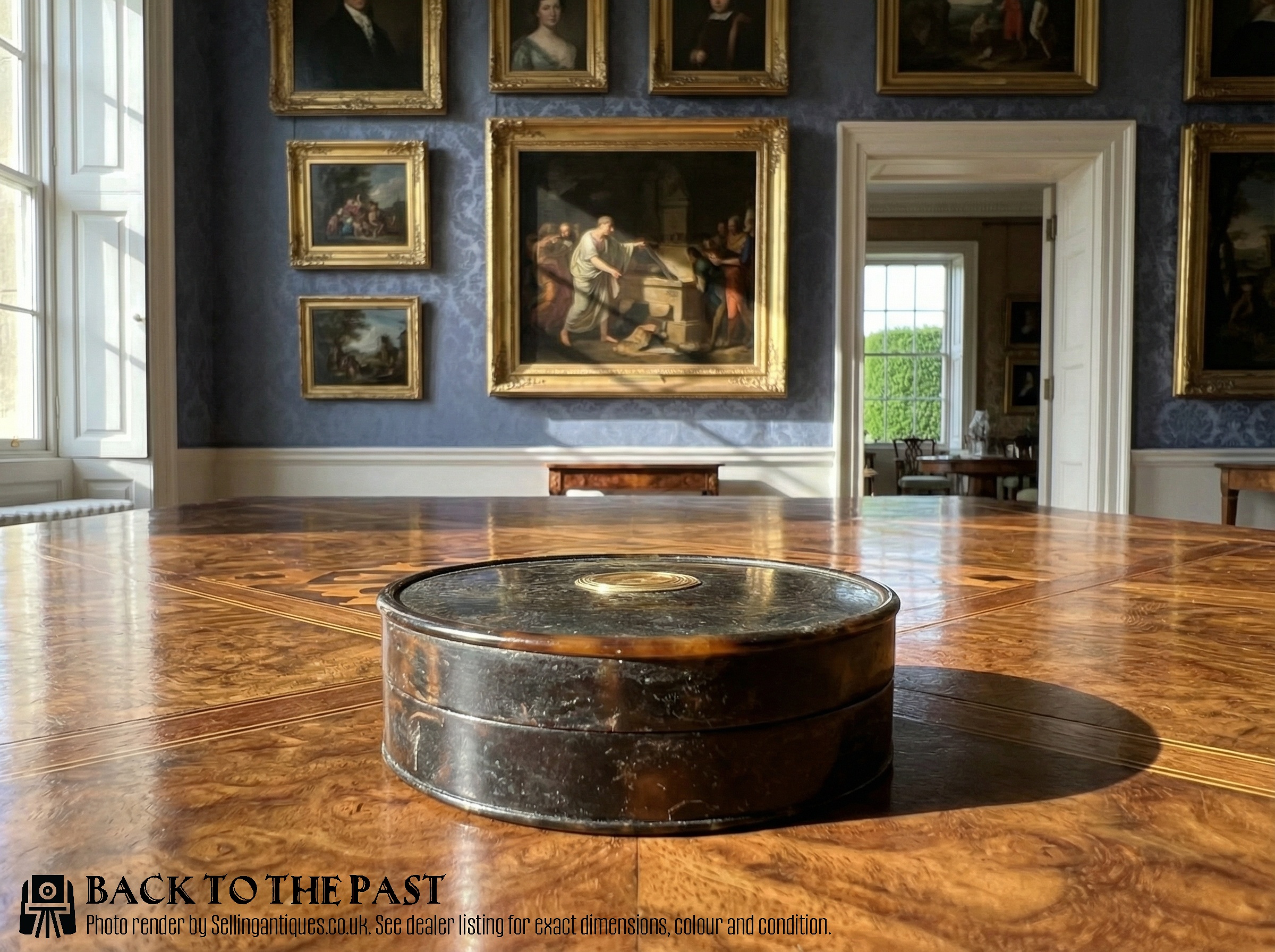
Materials and Construction
Artisans built these containers using thin plates of tortoiseshell applied over a core of wood, often pairing the translucent material with backing metals to alter its visual depth. Metal mounts in silver, gold, and Old Sheffield Plate reinforce the edges and secure hinged lids.
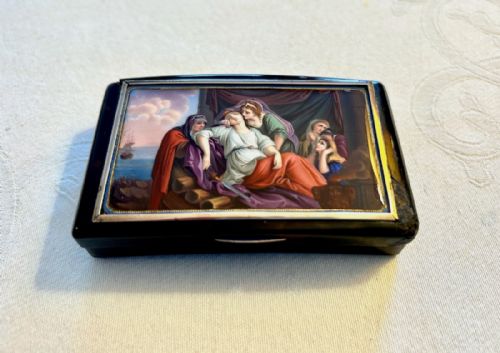
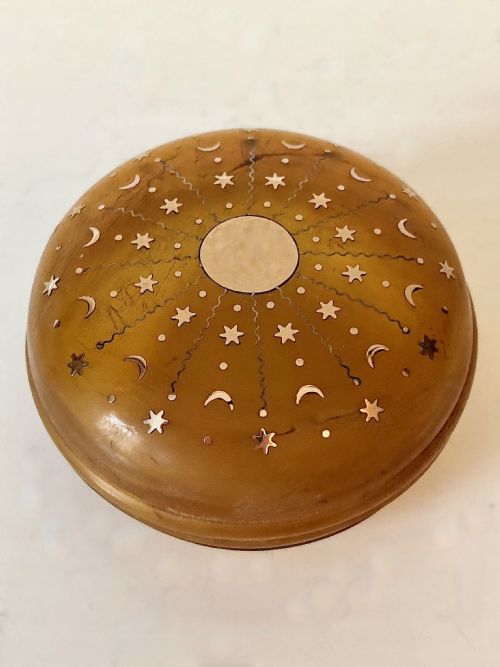
Decoration relied on fine inlays of gold and silver pique work, alongside painted panels, bone accents, and ivory linings. Burr mulberry and other timbers occasionally form the primary carcase, trimmed and lined internally with shell.
Retail Price Guide 2026
Typical UK retail prices for georgian tortoiseshell box, calculated from the Sellingantiques database of over a million retail prices indexed since 2003. This retail price guide relies exclusively on Sellingantiques data; no external sources or auction records are used, so the figures do not describe the wider market.
Assessing Quality and Execution
The distinction between standard containers and superior examples rests upon the precision of the metal inlay and the natural warmth of the shell. Blond tortoiseshell varieties and items featuring detailed gold pique work represent finer manufacturing standards.
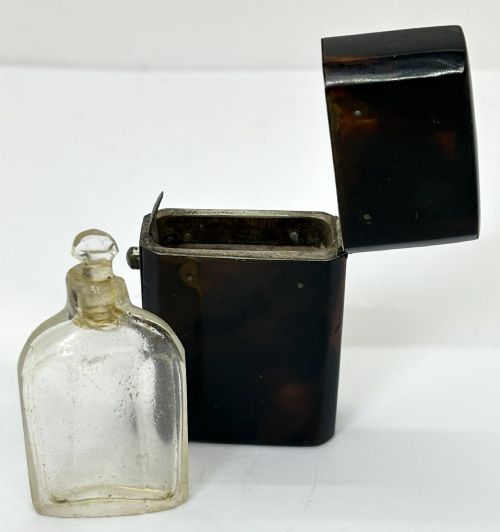
Integration of precious metal mounts and the survival of original interior fittings, such as glass scent bottles or silk-trimmed compartments, separate well-preserved collector pieces from heavily restored items.
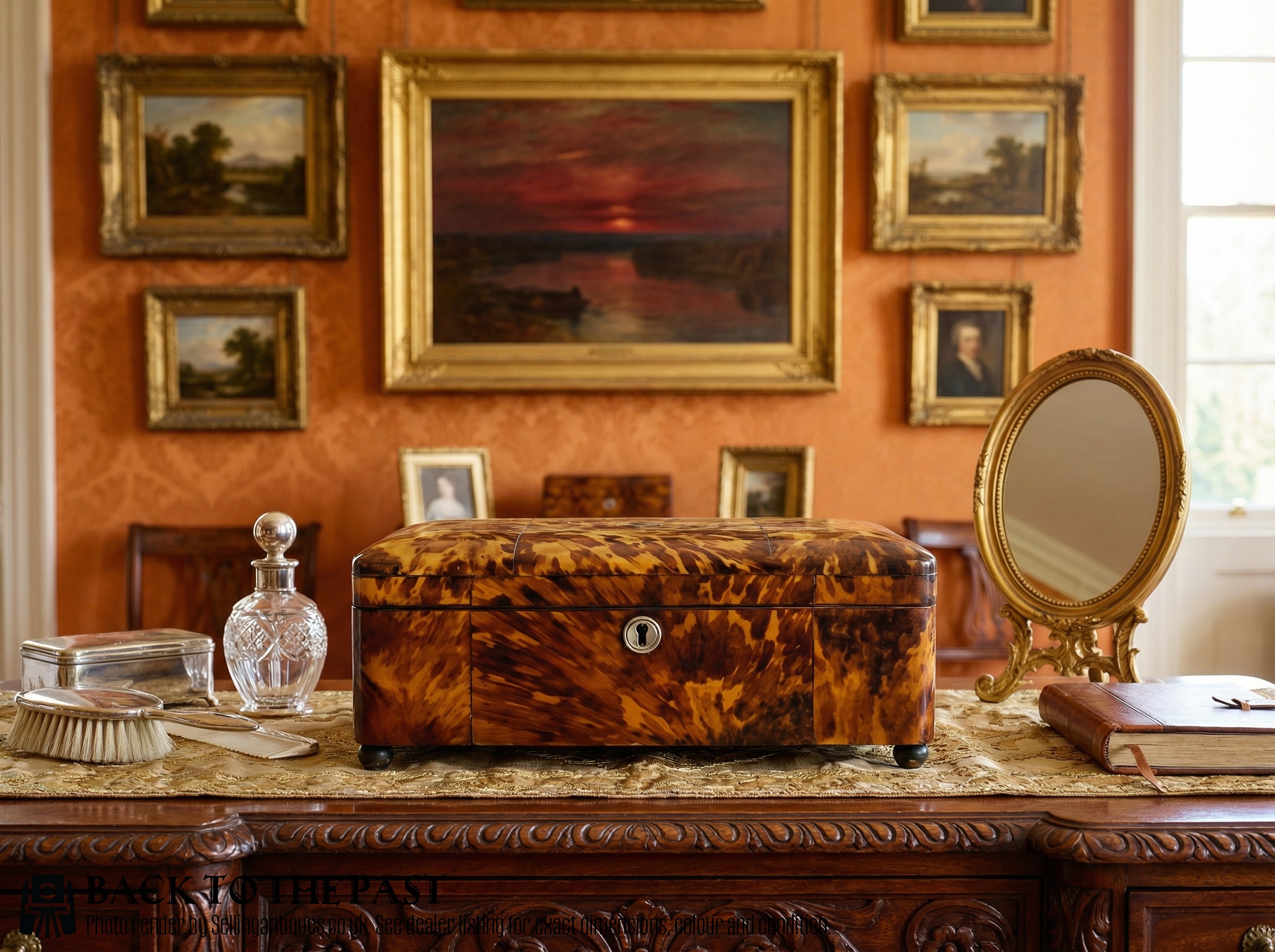
The Georgian Tortoiseshell Box Glossary
- Pique
- A decorative technique involving tiny points or studs of gold or silver pressed into tortoiseshell to form geometric or floral patterns. This delicate inlay work defines the most ornate pocket pieces.
- Blond Tortoiseshell
- A rarer, lighter variety of shell displaying warm amber and yellow tones rather than dark brown spots. It allows underlying gold foil to shine through with greater luminosity.
- Old Sheffield Plate
- A fused composite material made by melting a thin sheet of silver onto a thicker copper base. It appears on hinges, mounts, and cartouches of period boxes.
- Patch Box
- A small container originally used to hold cosmetic fabric patches for the face. These pocket receptacles often incorporate an internal mirror.
- Tea Caddy
- A lidded box designed to store loose tea leaves securely. Period examples in shell often feature multiple internal compartments.
Frequently Asked Questions
What were these boxes used for?
Pocket-sized containers held snuff, dry patches for the face, pills, or small sewing pins. Larger tabletop receptacles stored expensive tea leaves, jewellery, or glass scent bottles.
Each box served a specific social ritual of the eighteenth and nineteenth centuries, protecting delicate or valuable personal items in transit or at home.
How do I care for tortoiseshell?
Keep the pieces away from direct sunlight, high heat, and excessive moisture to prevent warping or splitting. Handle the thin shell gently to protect the delicate gold and silver pique work.
Dust the surface softly with a dry cloth and avoid harsh chemical cleaners that can damage the organic material and metal mounts.
How can I tell the period?
Examine the construction methods, hinge styles, and mounting metals to estimate the date of manufacture. Pieces from the Georgian era often feature hand-cut silver mounts and organic shell variations.
Neoclassical and Regency styles employ specific motifs and gold pique patterns that align with the broader decorative arts of those decades.
Are these boxes made of real shell?
Period boxes utilise genuine carapace material harvested from marine turtles, a standard practice before modern conservation laws. The organic matter displays natural tonal shifts and translucency.
Close inspection reveals the distinct mottled grain and warmth characteristic of authentic shell rather than modern synthetic substitutes.