
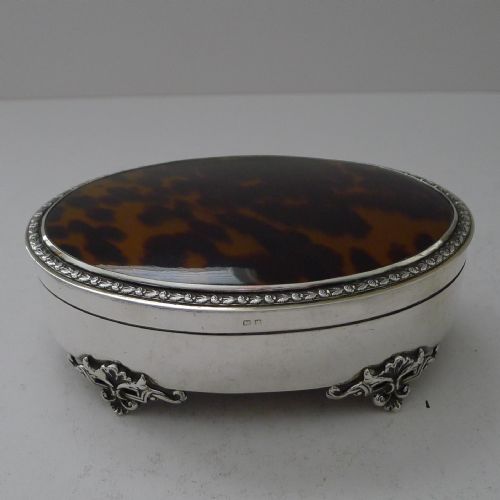


Tortoiseshell Jewellery Box
A tortoiseshell jewellery box holds personal trinkets with distinctive mottled warmth, combining polished horn with gleaming precious metal mounts.

Defining the tortoiseshell jewellery box
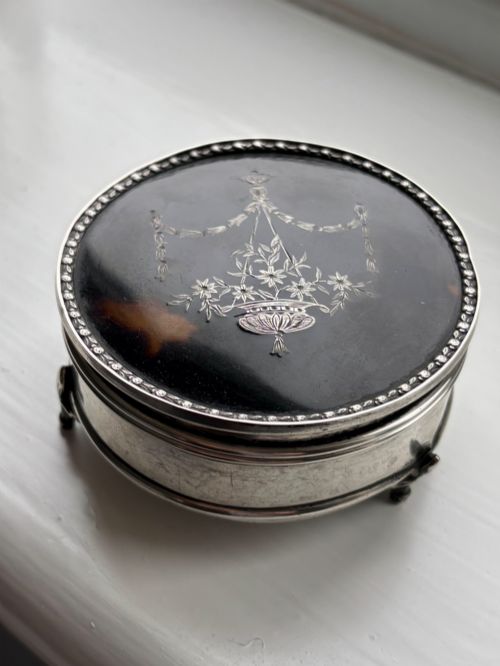
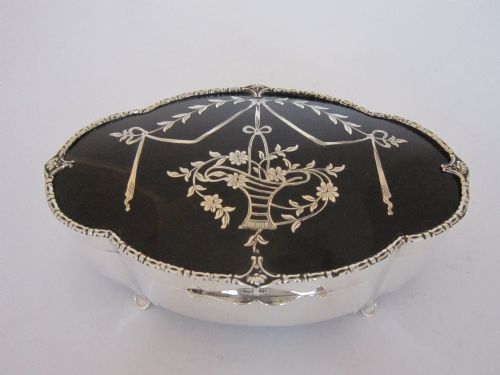
A tortoiseshell jewellery box is a container designed for precious items, constructed with translucent scales mounted on structural carcasses. These pieces appear frequently from the Edwardian era and the 19th Century, taking forms such as fitted chests, oval caskets and heart-shaped rings holders.
The materials combine organic shell with sterling silver, brass, wood and occasionally gold inlay. Makers from historical workshops utilised these elements to produce table boxes, sewing containers and dedicated trinket storage.
Materials and construction
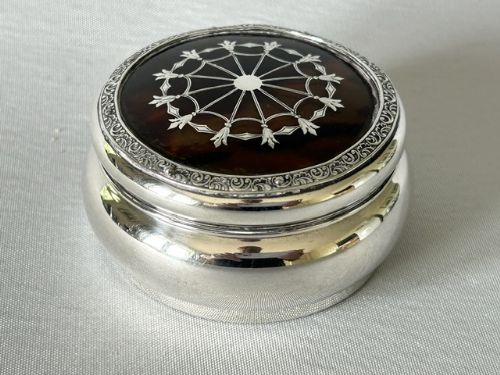
Workers applied thin plates of tortoiseshell to a wooden base using adhesives and pins, framing the edges with solid sterling silver mounts and hinges. Many examples incorporate pique work, embedding tiny silver and gold pins into intricate patterns across the lid.
Interiors typically feature velvet or silk linings designed to protect delicate rings and necklaces. Silver components often carry hallmarks indicating specific assay offices and fabrication years.
Retail Price Guide 2026
Typical UK retail prices for tortoiseshell jewellery box, calculated from the Sellingantiques database of over a million retail prices indexed since 2003. This retail price guide relies exclusively on Sellingantiques data; no external sources or auction records are used, so the figures do not describe the wider market.
Early sewing boxes designed for tabletop use kept tiny silver thimbles tucked safely beside compartments of mottled amber shell.
Distinctions in quality
Quality rests upon the depth of the shell's natural amber and brown mottling, alongside the precision of the metal mounts. Pieces with intact pique inlay and substantial silver framing represent superior craftsmanship compared to plain iterations.
The condition of the internal lining and the structural integrity of the wooden carcass dictate the overall desirability. Examples bearing clear hallmarks from notable silversmiths demonstrate higher execution standards.
Lund Of Cornhill·Horton & Allday·Boardman Glossop & Co·William Comyns·Mappin & Webb·Charles Boyton·Levi & Salaman·Asprey·Collett & Anderson·James Deakin & Sons·Henry Matthews
The Tortoiseshell Jewellery Box Glossary
- Tortoiseshell
- Organic material derived from the carapace of marine turtles, exhibiting translucent amber and dark brown patterning.
- Pique
- Decorative technique involving tiny gold or silver pins embedded into tortoiseshell to form floral or geometric motifs.
- Hallmark
- Official stamp applied to silver and gold components, indicating the maker, assay office and year of testing.
- Trinket Box
- Small container traditionally used for holding rings, brooches and small personal accessories.
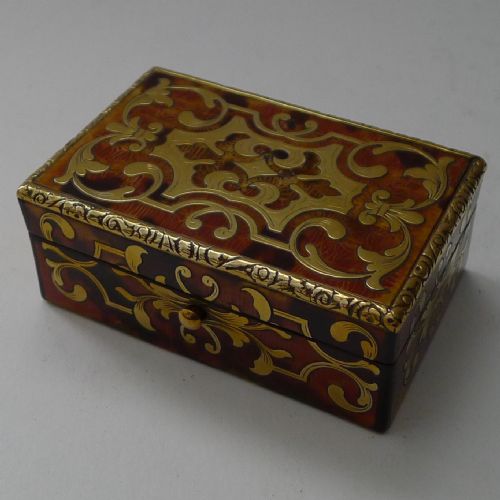
- Boulle
- Elaborate marquetry style utilising tortoiseshell and brass inlay, named after a French royal cabinet maker.
Frequently Asked Questions
How do I clean a tortoiseshell jewellery box?
Dust gently with a soft, dry cloth and avoid chemical cleaners or excessive moisture that can damage the shell and wood joints.
Keep the box away from direct sunlight and heat sources to prevent warping or fading of the natural material.
Are these boxes suitable for daily use?
They serve well for storing rings and small brooches, provided they are handled with care due to the organic nature of the shell.
Original velvet linings add a protective layer for delicate items, though vintage hinges should be opened gently.
How can I tell the period of a box?
Examine the silver mounts for hallmarks, which provide exact assay dates for Edwardian and 19th Century pieces.
Styles also offer clues, as heart-shaped caskets and intricate pique work often point towards early twentieth-century production.
What materials are underneath the shell?
Thin plates of tortoiseshell are typically laid over a wooden structural carcass to provide rigidity and shape.
Sterling silver or brass components reinforce the corners, rims and lids while securing the hinges and clasps.