

Victorian Storage Box
When you search for a victorian storage box, you find practical nineteenth-century containers ranging from sturdy pine trunks to brass-bound camphor wood chests.
Victorian Storage Box
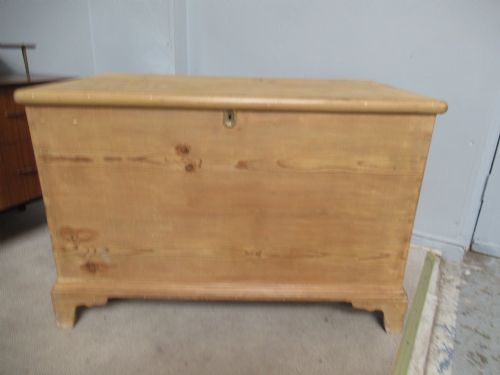
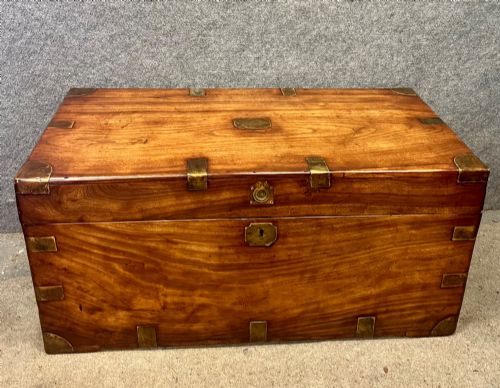
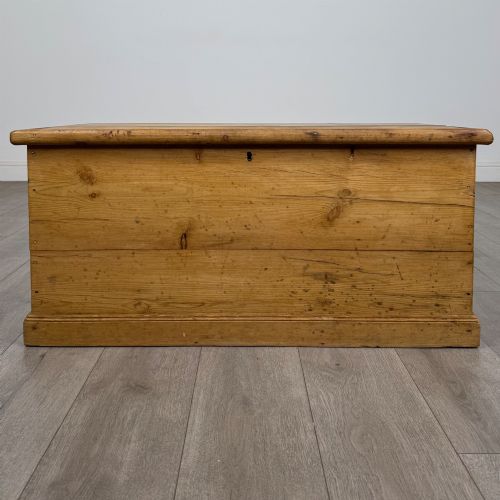
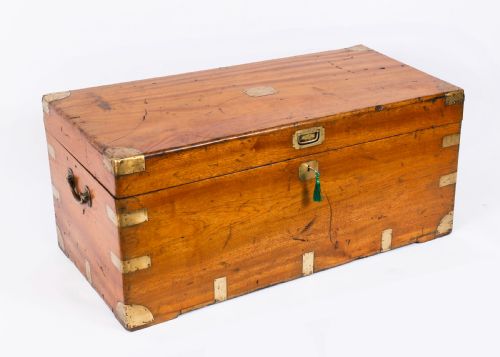
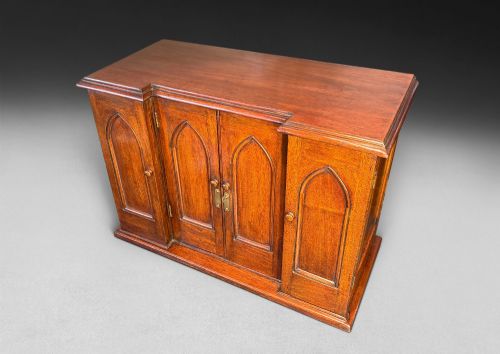
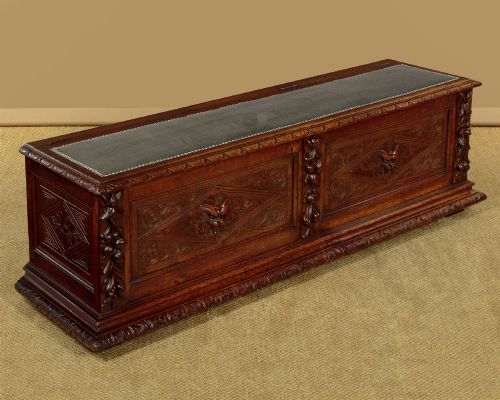
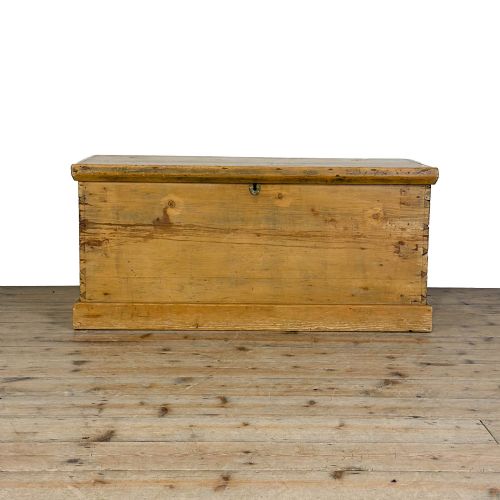
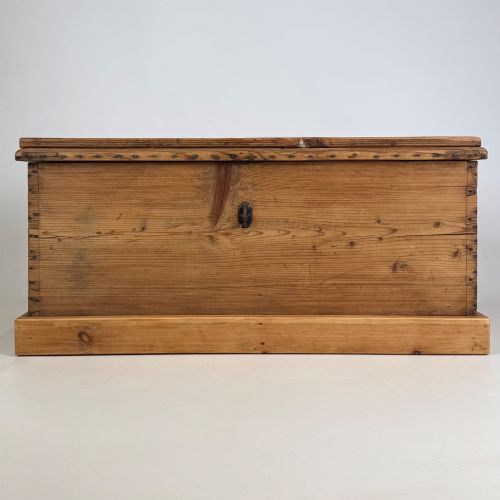
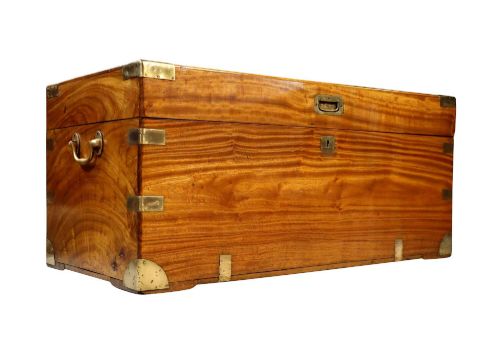
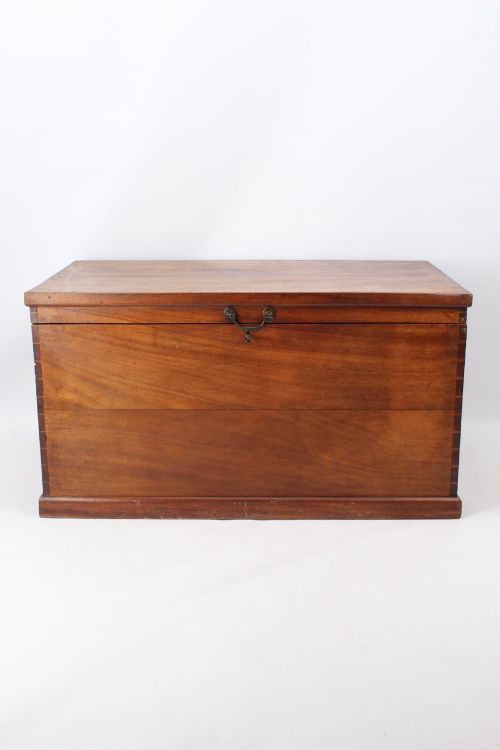
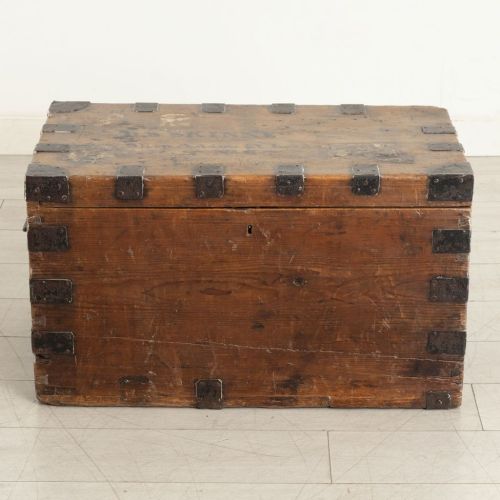
A victorian storage box encompasses a broad range of nineteenth-century containers built for utility, travel, and domestic organisation. The selection on this page relies heavily on pine blanket boxes, oak coffers, and camphor wood campaign trunks designed for colonial movement.
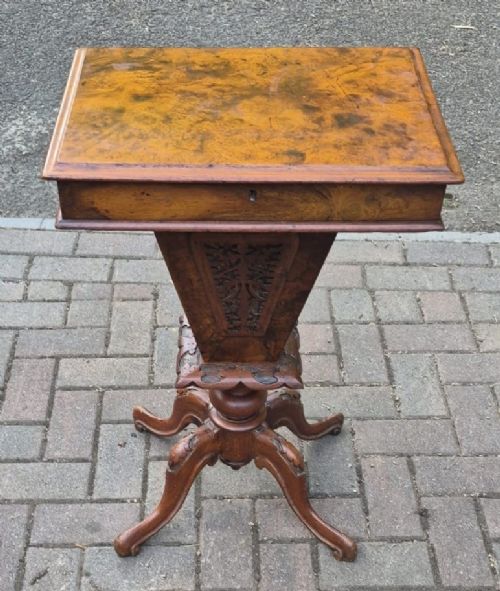
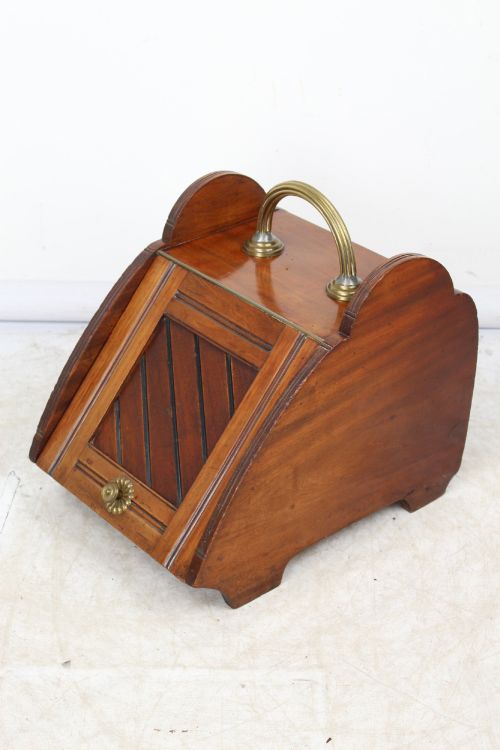
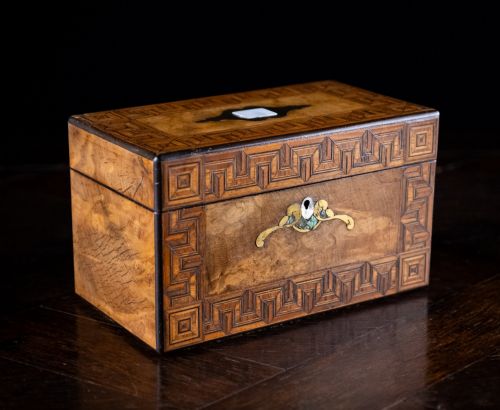
Domestic forms also appear frequently in domestic settings, including walnut tea caddies, rosewood sewing boxes, leather top hat cases, and mahogany coal scuttles. These pieces span simple utilitarian pine chests to heavily carved oak and walnut storage furniture.
Origins stretch across British colonial routes and domestic workshops, showing regional variations in timber choice and hardware. Buyers meet everything from large travel trunks intended for cargo holds to small tabletop stationery and jewellery boxes.
How they were made
Makers utilised solid domestic and exotic timbers such as pine, oak, mahogany, walnut, and camphor wood, often joined with hand-cut dovetails for structural resilience. Iron and brass hardware, including corner brackets, carrying handles, and strap hinges, reinforced the boxes for heavy use or travel.
Surface treatments varied by function, with utilitarian pine receiving simple wax or stripped finishes, while finer display boxes in walnut, rosewood, and bird's-eye maple featured intricate parquetry, mother-of-pearl inlay, and polished lacquer.
Current listings feature pine, mahogany, oak, camphor wood, and sterling silver across the nineteenth century.
What varies in quality
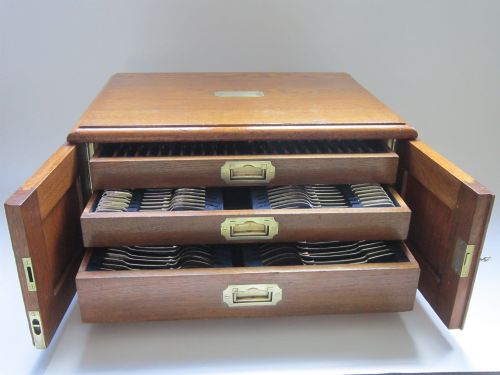
The standard of construction dictates much of the value, distinguishing dovetailed joints and heavy-gauge brass binding from simpler nailed or thin-walled assemblies. Original internal fittings, such as lift-out trays, compartmentalised dividers, and functioning brass locks with working keys, elevate the standing of a piece.
Material selection and decorative execution separate utilitarian storage from parlour pieces, with figured mahogany, camphor wood, and delicate tulipwood stringing marking superior examples. Preserved surface patination and minimal timber replacement preserve historical integrity across these nineteenth-century containers.
Wm. Insall of Bristol
The Victorian Storage Box Glossary
- Campaign trunk
- A portable storage box constructed in sections with recessed brass handles and corner brackets designed for military transport.
- Camphor wood
- An aromatic timber utilised for nineteenth-century campaign chests because its natural oils repelled insects during tropical transit.
- Dovetail
- A traditional interlocking joint formed by wedge-shaped tenons that secures box corners without relying solely on adhesives.
- Parquetry
- A geometric mosaic of wood pieces used for decorative veneering on the lids and surfaces of finer boxes.
Victorian Storage Box: Frequently Asked Questions
What were camphor wood trunks used for?
Camphor wood trunks served British military officers and colonial travellers as durable luggage capable of withstanding long sea voyages.
The aromatic properties of the timber also protected uniforms and documents from dampness and insect damage in tropical climates.
How do I date a pine blanket box?
Dating relies on examining construction methods, hand tools marks, and fastener types, as machine-sawn timber became standard later in the nineteenth century.
Early examples display irregular hand-cut dovetails and forged iron hinges, whereas late Victorian versions often utilise simpler butt joints and factory-made brassware.
Where should I place a coal scuttle at home?
Coal scuttles and purdoniums fit naturally beside a fireplace or wood-burning stove to store kindling, logs, or coal.
Many collectors also repurpose these brass-bound or timber bins as umbrella stands or general fireside accessory holders.
What is the difference between a tea caddy and a jewellery box?
Tea caddies generally feature internal foil-lined compartments or mixing bowls designed to keep loose leaves dry and secure.
Jewellery boxes incorporate velvet-lined trays, compartmentalised lift-out levels, and occasionally hidden secret drawers for smaller valuables.