

Antique Brass Casket
An antique brass casket is a sturdy repository for letters or jewels, offering tactile weight and historic craftsmanship to any desk or dressing table.
Understanding the antique brass casket
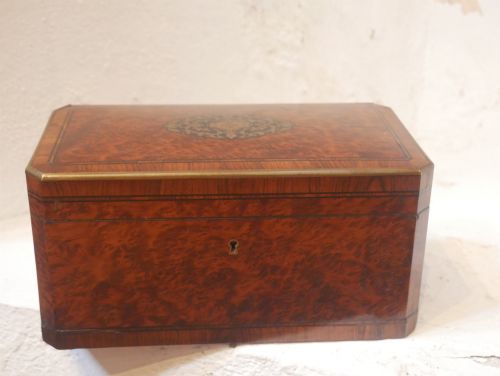
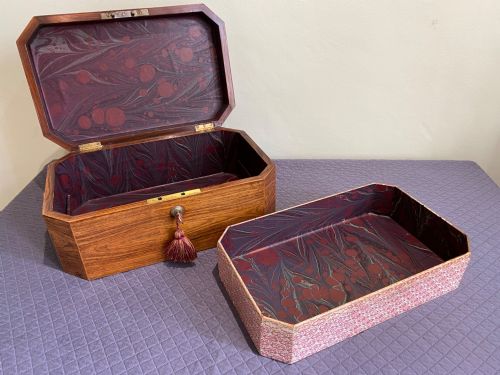
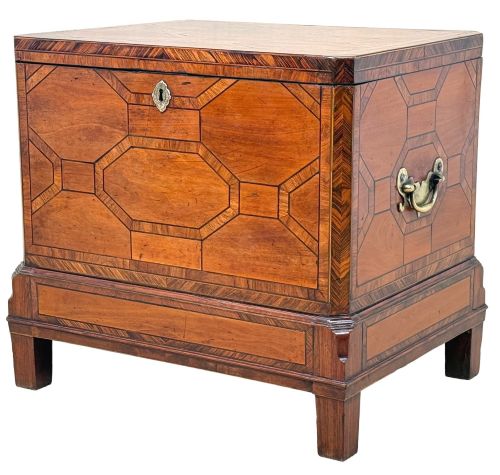
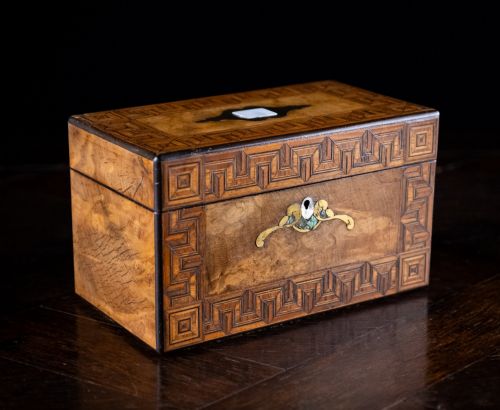
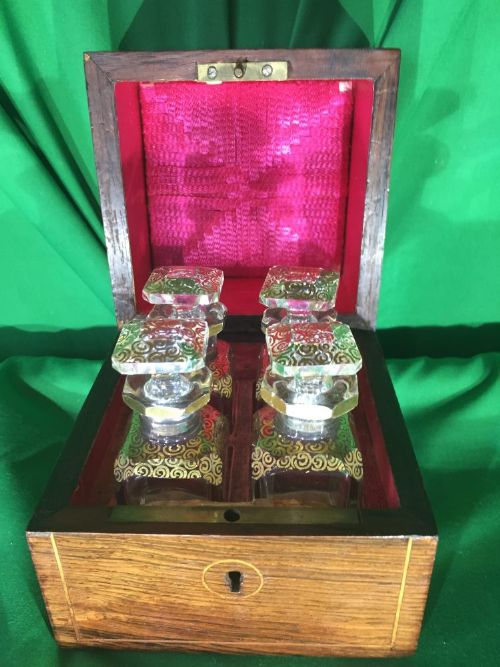
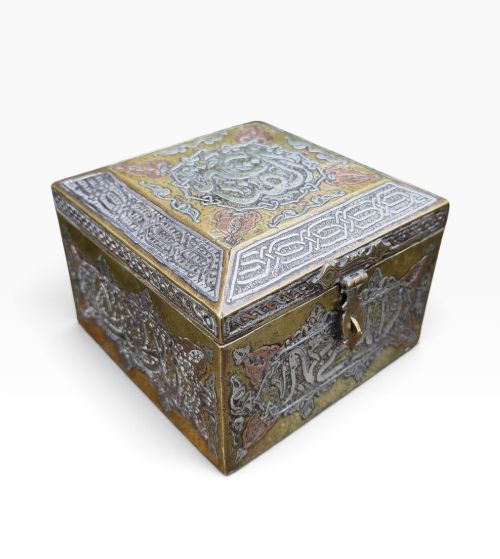
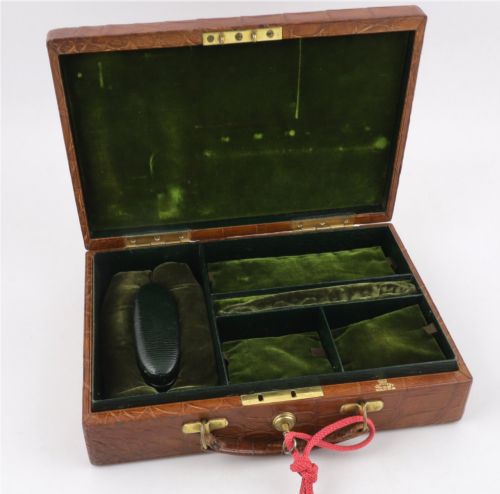
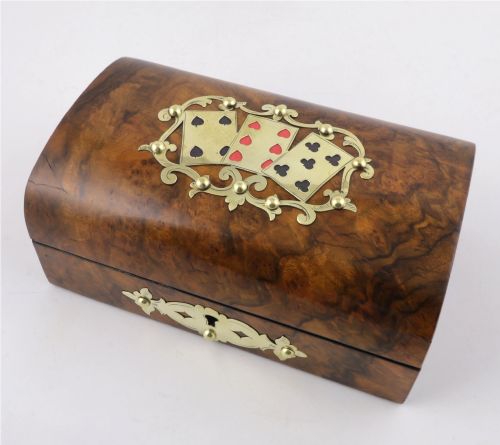
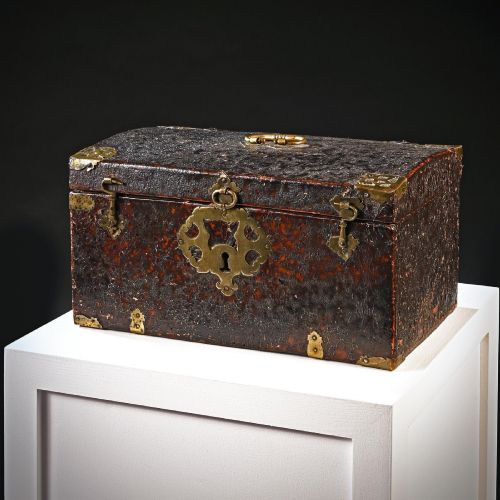
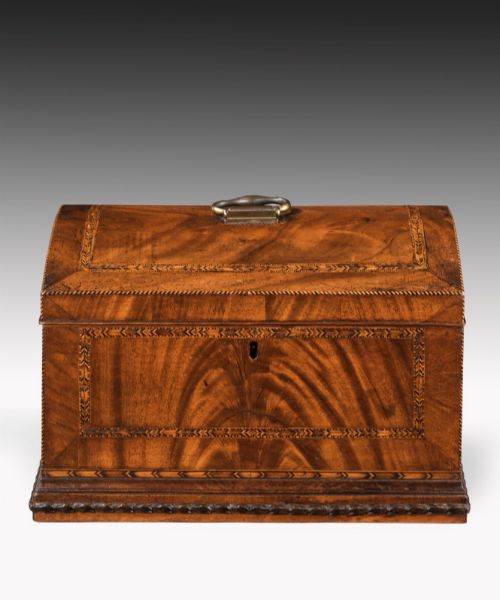
An antique brass casket is a small, secure box designed for valuables, stationery, or desk accessories. The pieces seen here span the eighteenth and nineteenth centuries, taking the form of jewellery boxes, stationery cases, and desktop storage.
Most examples date from the Victorian era and incorporate brass mounts, hinges, and corner plates. Makers often paired the metal with exotic woods, leather, or glass to create functional containers for personal use.
Origin points range from English workshops to French studios and Anglo-Chinese colonial outposts. Buyers frequently encounter versions mounted with semi-precious stones, tortoiseshell, or porcelain plaques alongside simpler wooden frames.
Materials and construction
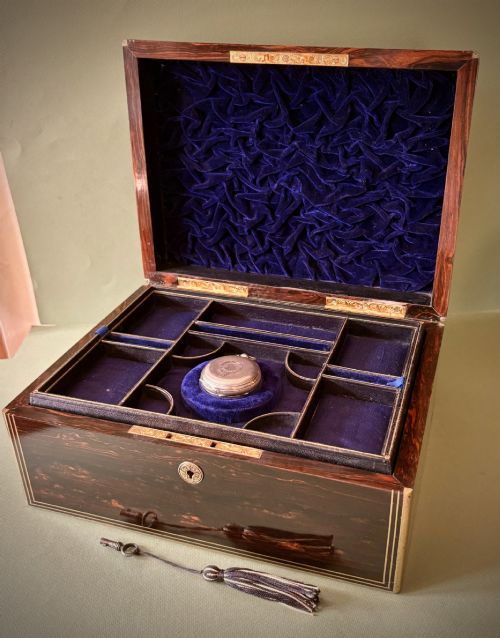
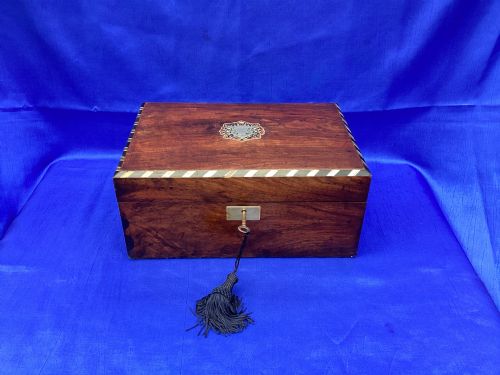
Construction relies on a rigid core of timber such as camphor wood, coromandel, or burr walnut, reinforced with cast or sheet brass mounts. Artisans secured these metal elements using small brass pins and screws to protect the edges and corners of the box.
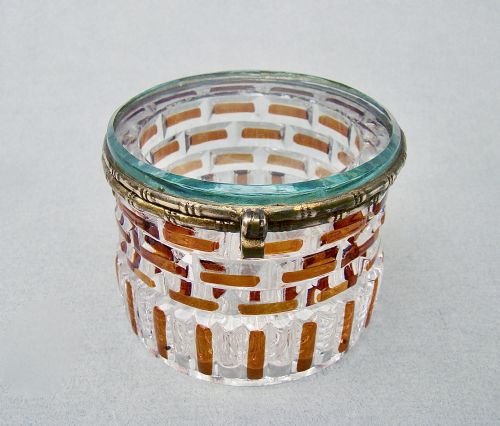
Surface decoration involves techniques like pierced brass work, engraving, or ormolu plating. Many boxes incorporate bevelled glass panels, leather panels, or inset cabochons of agate and malachite held securely in metal bezels.
Retail Price Guide 2026
Typical UK retail prices for brass casket, calculated from the Sellingantiques database of over a million retail prices indexed since 2003. This retail price guide relies exclusively on Sellingantiques data; no external sources or auction records are used, so the figures do not describe the wider market.
Several caskets come equipped with secret interior compartments designed to keep private love letters hidden from prying eyes.
Assessing quality and finish
Quality reveals itself in the weight and thickness of the brass mounts and the precision of the joinery on the wooden carcase. Superior items feature finely chased or pierced metalwork rather than plain stamped sheet brass.
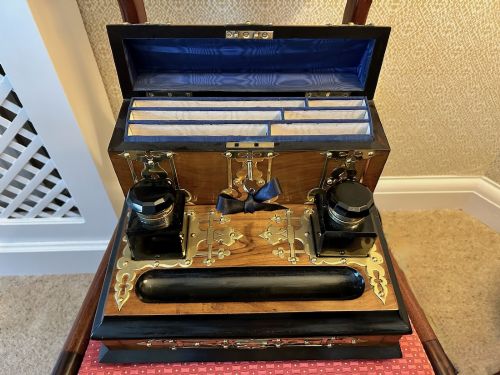
The interior finish and functional hardware also distinguish better examples, such as those retaining working locks with keys, silk or velvet linings, and fitted compartments for writing instruments or jewellery.
Lund Of Cornhill·Howell James And Co·Halstaff And Hannaford
The Antique Brass Casket Glossary
- Ormolu
- Gilded bronze or brass applied to decorative objects. This technique creates a rich golden finish that resists tarnishing over time.
- Cabochon
- A gemstone polished to a smooth convex dome rather than faceted. These stones appear set into the brass mounts of nineteenth-century boxes.
- Coromandel
- A dense, dark tropical timber with dramatic figuring. It frequently forms the main body of nineteenth-century caskets.
- Boulle
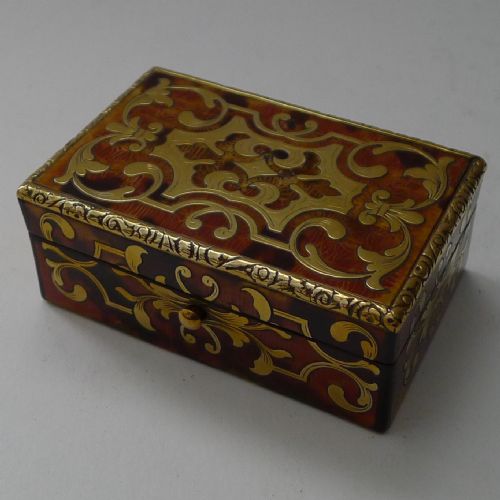
- A form of marquetry using brass and tortoiseshell inlaid in intricate patterns. It derives its name from a French royal cabinet maker.
- Bevelled glass
- Glass with an angled edge cut around the perimeter. This treatment adds depth and catches the light on display caskets.
Frequently Asked Questions
What were antique brass caskets used for?
These boxes served multiple domestic purposes, primarily holding letters, writing implements, or precious jewellery.
Desk accessories and stationery boxes kept correspondence organised, while velvet-lined caskets protected rings and brooches from damage.
How do I care for an antique brass box?
Maintain the wood and metal by keeping the box away from direct sunlight and sudden temperature changes.
Dust the brass gently with a soft cloth and avoid harsh chemical polishes that can strip the historic patina.
How can I tell a French casket from an English one?
French boxes often lean towards ornate gilt bronze, bevelled glass, and Palais Royal porcelain plaques.
English examples tend to favour robust wooden carcases like coromandel or walnut with solid brass mounts and maker stamps.
Do these caskets usually come with working keys?
Some surviving examples retain their original keys, while others do not due to the passage of time.
Locks on these pieces are mechanical brass lever mechanisms typical of the nineteenth century.