


Campaign Storage Chest
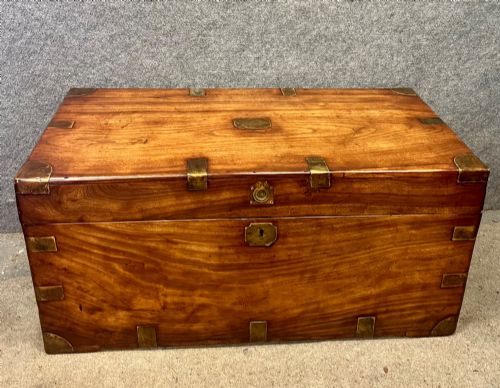
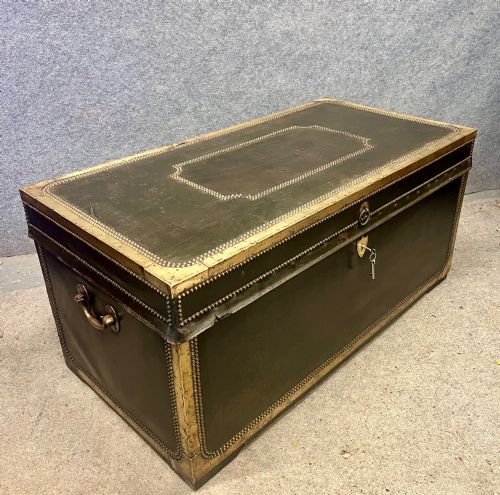
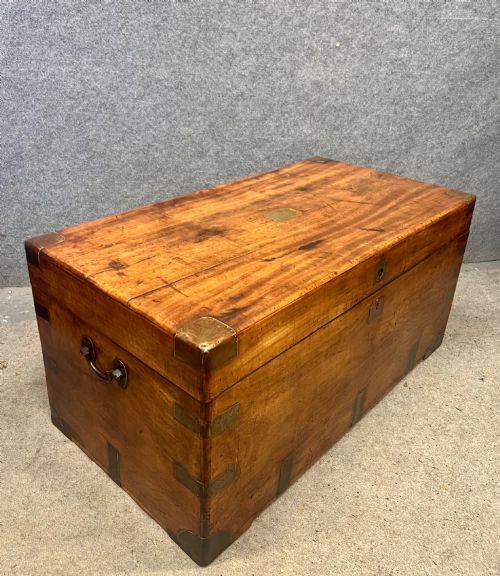
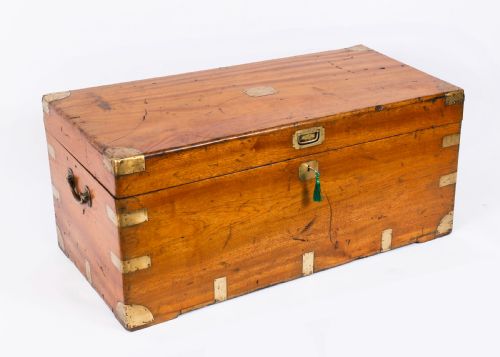
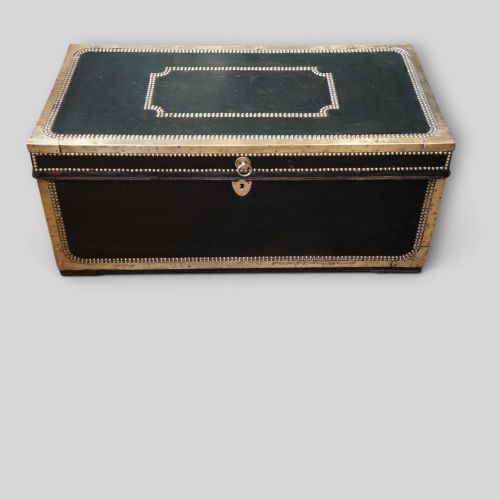
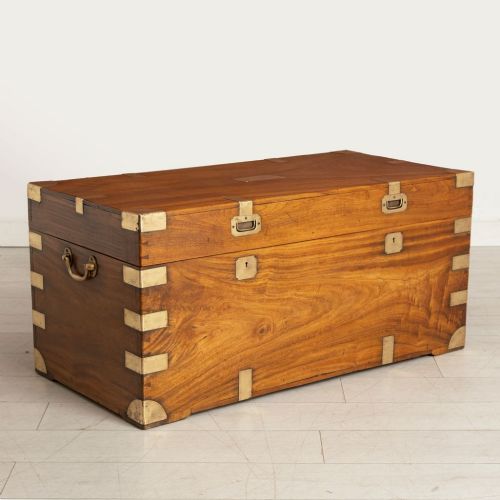
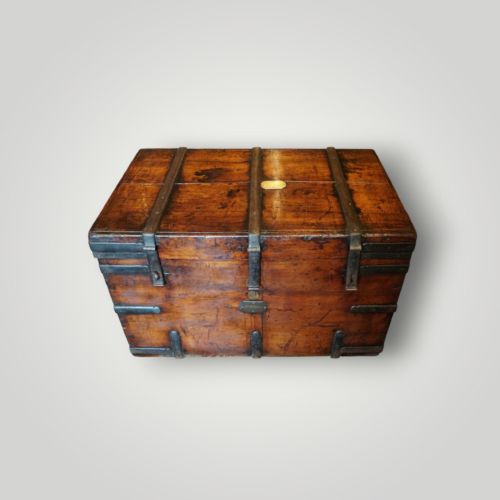
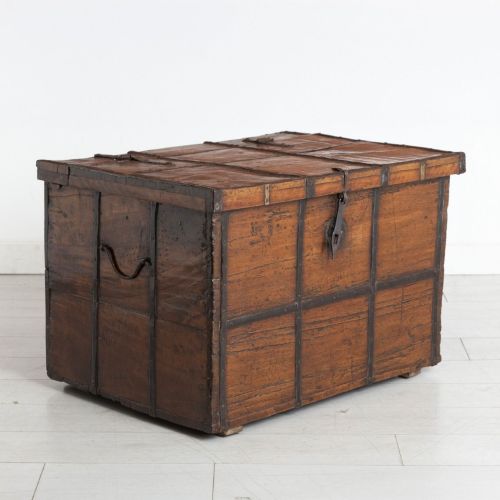
A campaign storage chest is a portable, brass-bound box designed for travel, offering rugged construction and hidden compartments that make it a striking addition to any room.
What these pieces are
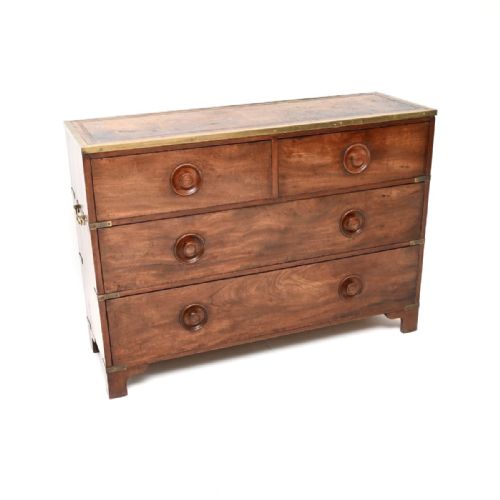
A campaign storage chest is built for movement, carrying uniforms, papers and personal possessions across long distances during military operations or colonial postings. These objects combine utilitarian strength with precise cabinetry, often splitting into modular sections to ease transport by horse, cart or ship.
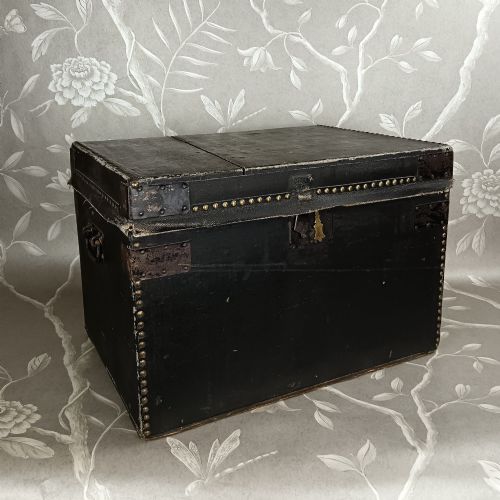
The versions most commonly met on this page date from the 18th century through to the Victorian era and the early twentieth century. They arrive in forms such as trunks, chests of drawers, coffers and smaller caskets.
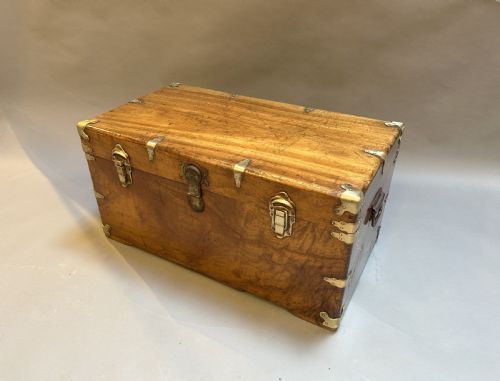
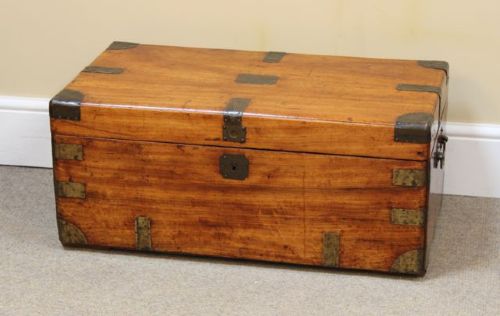
Materials reflect distant postings and durable needs, with camphor wood, teak and mahogany appearing alongside oak and sheet metal. Brass corners and strapwork protect the edges from heavy impacts during transit.
How they were made
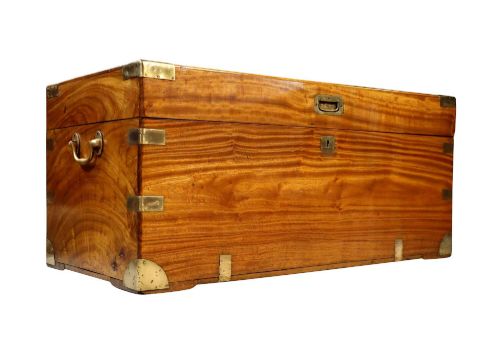
Timbers like camphor wood, teak and mahogany are selected for their density and resistance to humidity, then joined with tight corners to withstand rough handling. Brass banding, corner brackets and inset flush handles are screwed firmly into the wood so nothing catches on ropes or packing cases.
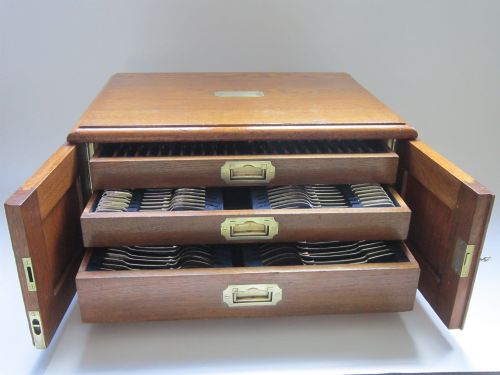
Makers construct these trunks in separate modular sections where necessary, securing them with internal brass pins and hooks. Interiors often reveal hidden drawers and compartments designed to organise documents and valuables during travel.
Retail Price Guide 2026
Typical UK retail prices for campaign storage chest, calculated from the Sellingantiques database of over a million retail prices indexed since 2003. This retail price guide relies exclusively on Sellingantiques data; no external sources or auction records are used, so the figures do not describe the wider market.
Many camphor wood trunks still carry the faint, distinct scent of their original 19th-century travels across distant seas.
What varies in quality
Quality rests in the precision of the brass work and the selection of the timber. Finely fitted flush handles and neatly countersunk screws distinguish a bespoke military order from a standard commercial trunk.
The grain of the camphor wood, teak or mahogany also sets pieces apart, as does the complexity of the internal compartments. Intact brass bindings and original locking mechanisms elevate the standing of a chest within its period.
Allen of London
The Campaign Storage Chest Glossary
- Brass bound
- Edges and corners reinforced with sheet brass or straps. This protects the vulnerable joints of a travelling trunk from heavy knocks.
- Flush handle
- A pull or ring recessed into the wood. This ensures the surface remains completely flat during transit.
- Camphor wood
- A fragrant tropical hardwood used for trunks. Its natural aroma helps keep insects away from stored garments and documents.
- Military campaign
- The context of use for these items. Officers required robust, dismantled furniture that packed efficiently for deployment.
- Modular section
- A chest built in stacked parts. This allows heavy storage units to be separated into manageable loads for travel.
Frequently Asked Questions
What is a campaign storage chest?
A campaign storage chest is a portable wooden box strengthened with brass for officers and travellers on the move. They were built to survive long journeys by land and sea.
These pieces range from large trunks to compact collectors' cabinets and writing boxes, often featuring internal compartments for specialised storage.
How were these chests used?
Officers and administrators used them to transport uniforms, maps, books and personal valuables during military deployments and colonial postings. Their modular design allowed them to be easily packed and unpacked.
In a modern home, they function as coffee tables, blanket boxes or sturdy storage furniture that brings industrial and historical character to a room.
How do I tell the periods apart?
Earlier 18th-century examples often feature heavy oak or camphor construction with simpler mounts, while Victorian pieces frequently utilise teak or mahogany with precise brass strapwork. Later 19th-century and 1900s items may show standardised military contractor markings.
Examining the type of brass fixings and the specific grain of the timber helps anchor the piece to its era.
How do I live with camphor wood?
Camphor wood emits a distinctive, natural aromatic scent that gently seasons the room and protects textiles stored inside. It requires no special treatment beyond standard gentle dusting and keeping it away from direct heat sources.
Allowing the timber to breathe ensures the wood maintains its rich tone and natural defensive qualities over decades of daily use.