

Antique Military Furniture
These pieces of antique military furniture are clever, collapsible items designed for travel, combining robust construction with remarkable ingenuity.
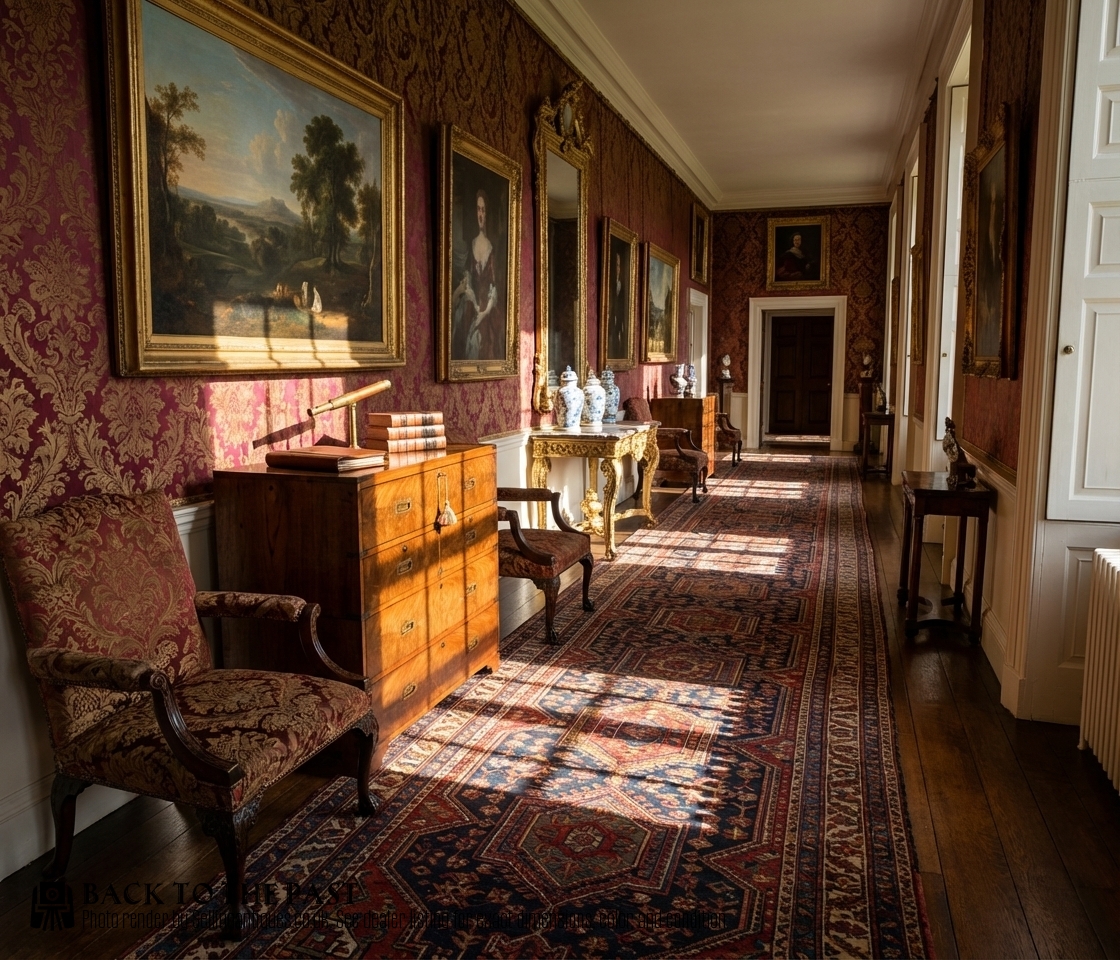
Antique Military Furniture
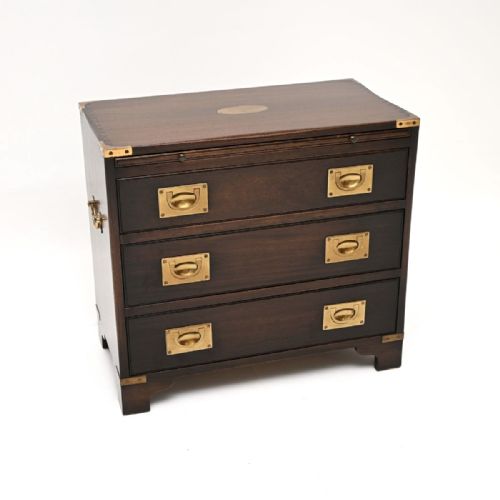
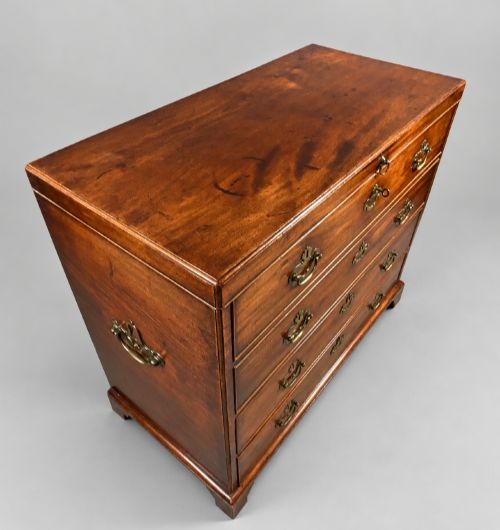
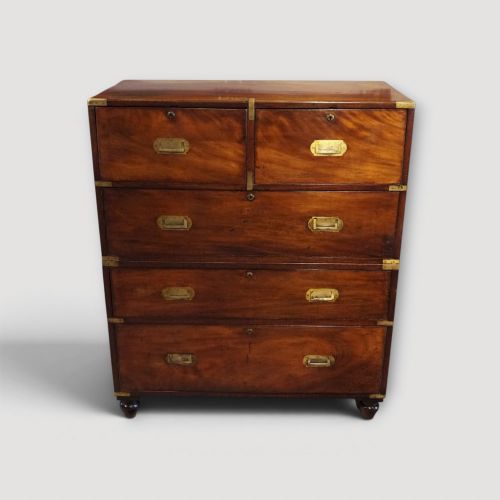
When you search for antique military furniture, you encounter ingenious portable objects designed for officers on the move during the eighteenth, nineteenth, and early twentieth centuries. The pieces on this page span Georgian, Regency, Victorian, and Edwardian periods, demonstrating how utility met elegance in the field.
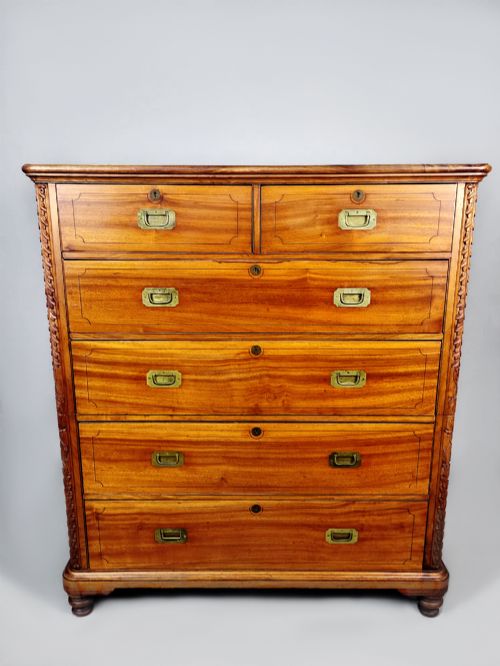
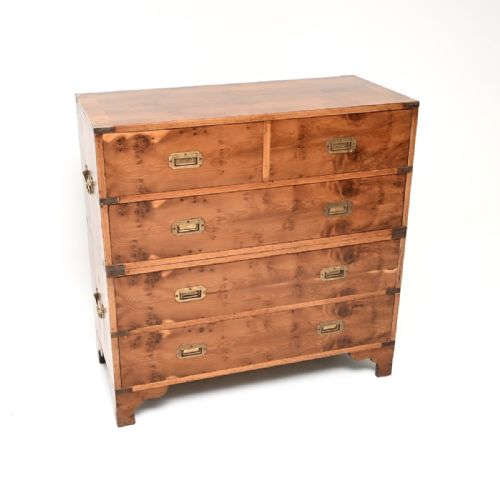
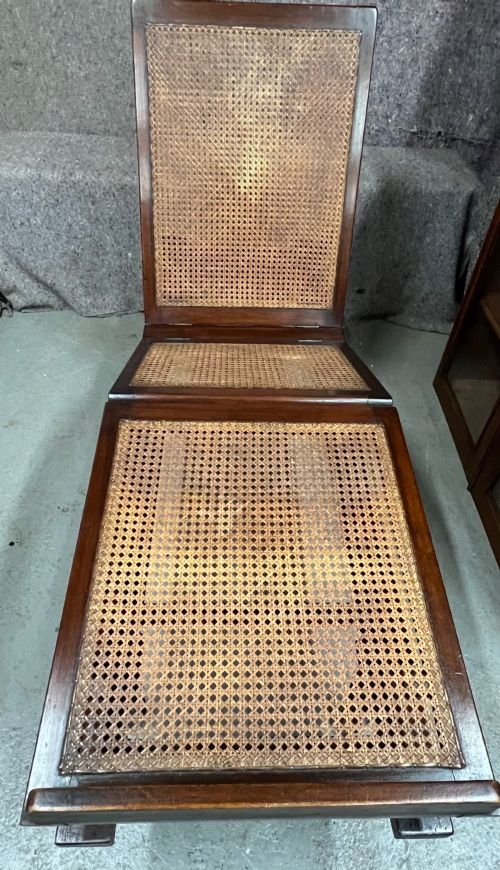
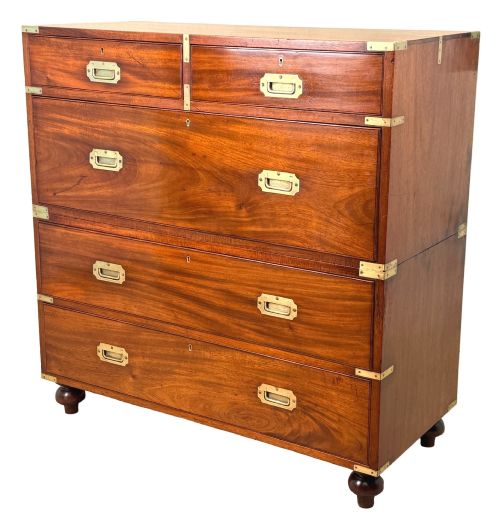
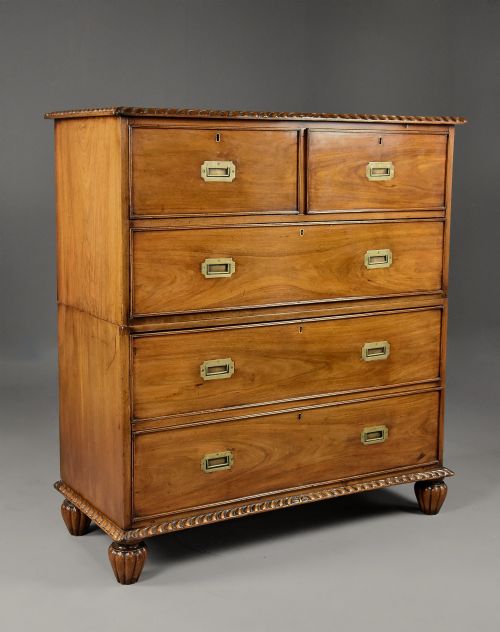
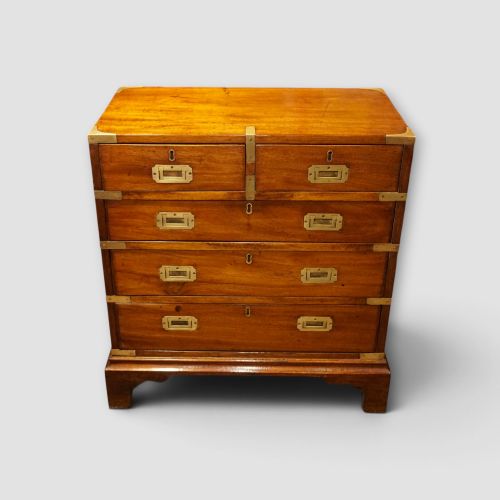
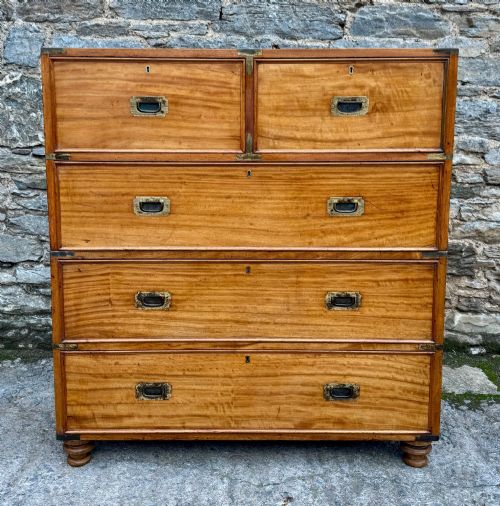
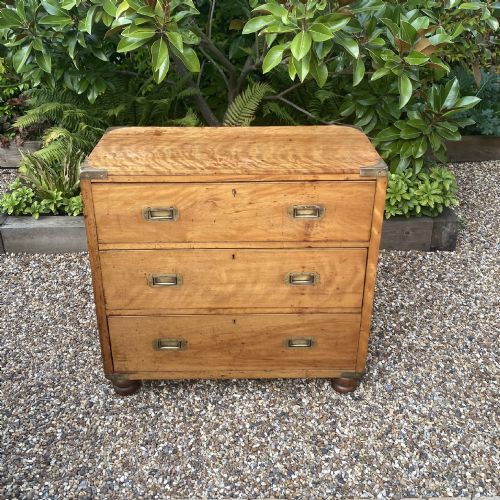
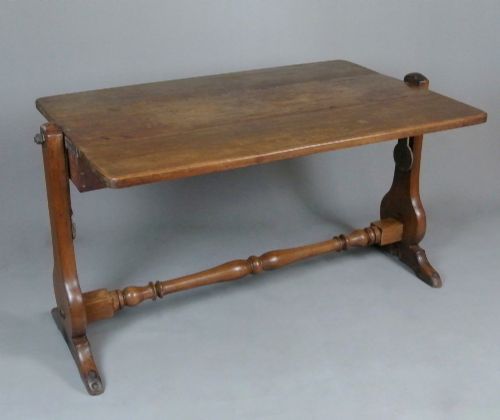
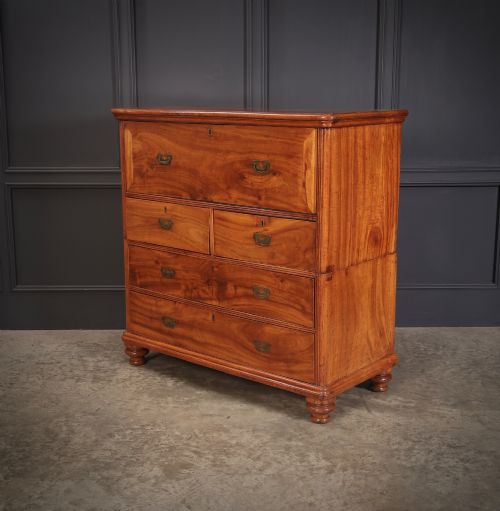
The chest of drawers remains the most common form you will meet, typically built in two separate sections for easy transport on horseback or by ship. Alongside chests, you find desks, washstands, side cabinets, dining tables, day beds, and folding armchairs.
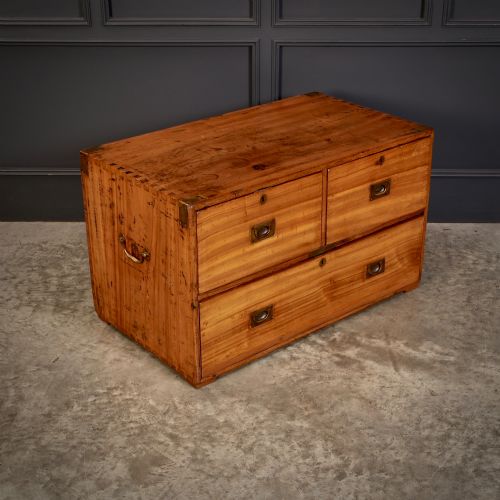
Materials range from traditional timbers like mahogany and teak to exotic camphor wood and amboyna, frequently accented with brass corners and recessed handles. These items served active service across the British Empire, adapting domestic comfort for rugged deployment.
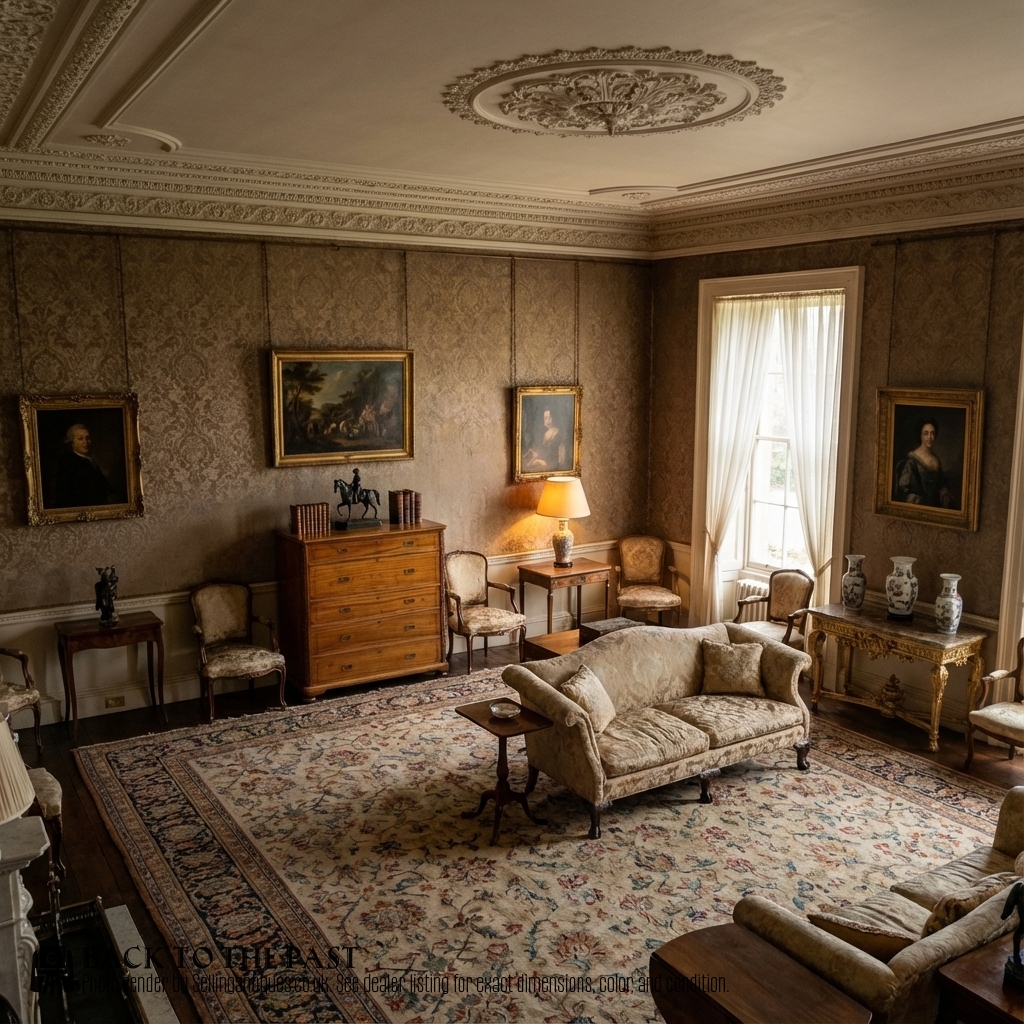
Materials and construction
Cabinetmakers utilised dense, moisture-resistant timbers such as solid teak, mahogany, and camphor wood to withstand tropical climates and rough handling during transit. These woods were often chosen for stability and weight management rather than mere appearance.
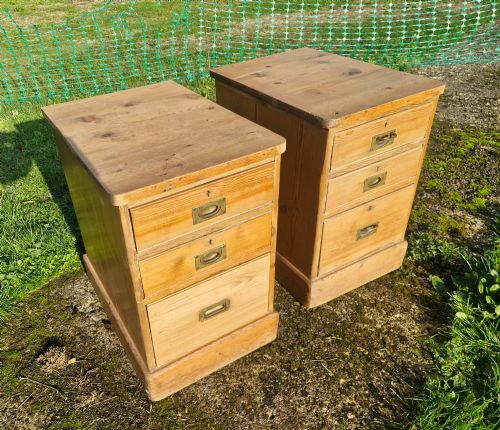
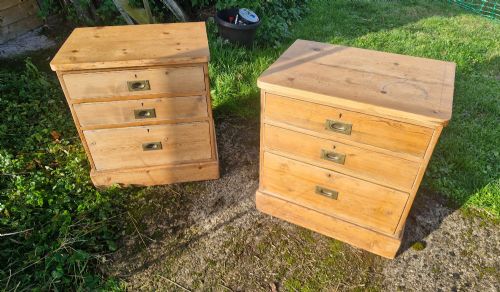
Brass fittings, including protective corner brackets, flush-fitting drop handles, and strap hinges, reinforce joints while preventing snagging in tight packing spaces. Screws and removable bolts allow large items like desks and chests to dismantle completely into smaller components.
Secondary elements incorporate leather desk inserts, iron supports, cane, and turned wood components designed for rapid assembly and disassembly without tools.
Antique Military Furniture Retail Price Guide 2026
Typical asking prices for military furniture among the pieces listed under this phrase on Sellingantiques today, from the lower quarter to the upper quarter. They describe what is for sale here now, not the wider market.
Camphor wood chests retain their distinct herbal scent after two centuries, continuing to ward off moths just as they did on troopships.
Assessing quality and execution
Superior examples reveal themselves through the precision of their dismantling mechanisms, where brass threads align smoothly and removable panels lock together without strain. The cleverness of internal compartments, secret drawers, and folding actions marks the distinction between standard supply and bespoke officer commissions.
Timber selection and grain continuity across the break of a two-part chest indicate the time spent by the maker in matching boards before sawing them apart. Finer pieces retain original maker stamps on brass handles or drawer linings, anchoring their provenance to notable workshops.
S. W. Silver & Co. London & Liverpool·Ross & Co.·Army & Navy·Gillows
The Antique Military Furniture Glossary
- Two-part chest
- A chest of drawers built in an upper and lower section that separate entirely for packing into individual transit cases.
- Recessed handle
- A metal pull let into the face of a drawer or door so it sits flush with the wood, preventing damage during transport.
- Camphor wood
- A pungent, aromatic timber native to Asia, utilised for trunks and chests because its natural oil repels insects.
- Secretaire
- A desk form featuring a drop-front top drawer that opens to reveal a fitted interior of pigeonholes and small drawers.
- Brass-bound
- Furniture edged or reinforced with brass straps and corners to protect vulnerable timber joints from heavy impact.
Antique Military Furniture: Frequently Asked Questions
Why are military chests built in two parts?
Splitting a tall chest into an upper and lower carcase made it manageable for two men to lift and load onto pack animals or ships.
This modular design also protected the contents by allowing units to be stacked securely inside fitted wooden transport cases during long campaigns.
How do I identify campaign furniture from standard antiques?
Look for recessed brass handles, reinforced corners, removable legs, and screw-in feet designed to pack away flat inside the main body of the piece.
Many items also feature maker stamps on the brassware or hidden compartments intended for securing valuables on the move.
Were these pieces used in actual combat?
Officers commissioned or purchased these portable furnishings for use in garrison tents, temporary headquarters, and ship cabins across the empire.
While some saw active service in remote outposts, others belonged to colonial administrators who required dignified living quarters abroad.
How should I care for teak and camphor wood?
Maintain these durable timbers by keeping them away from direct heat sources and sudden humidity changes that cause wood to split.
Apply a light application of appropriate wax occasionally to nourish the grain without masking the natural aromatic qualities of the timber.