






British Colonial Chest
A british colonial chest brings robust campaign practicality and rich tropical timbers straight into a modern interior.
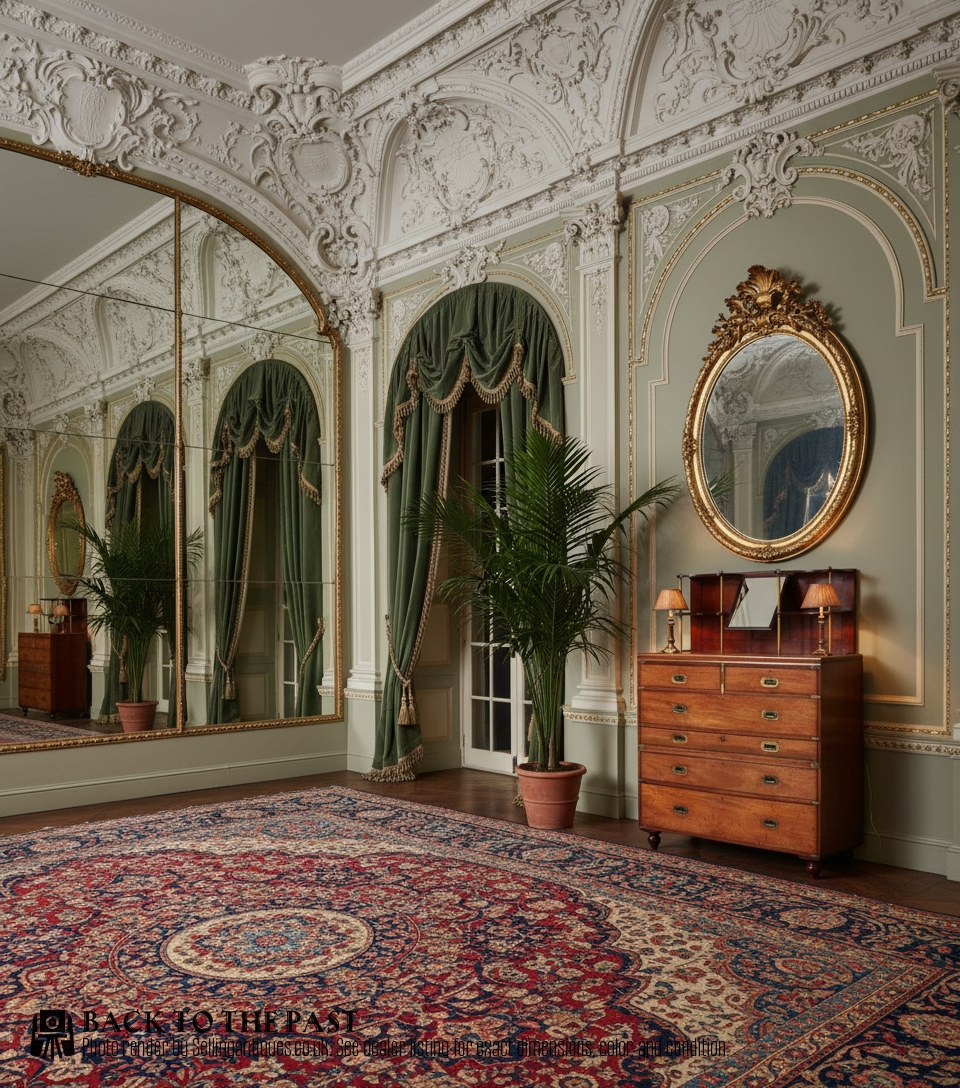
British Colonial Chest
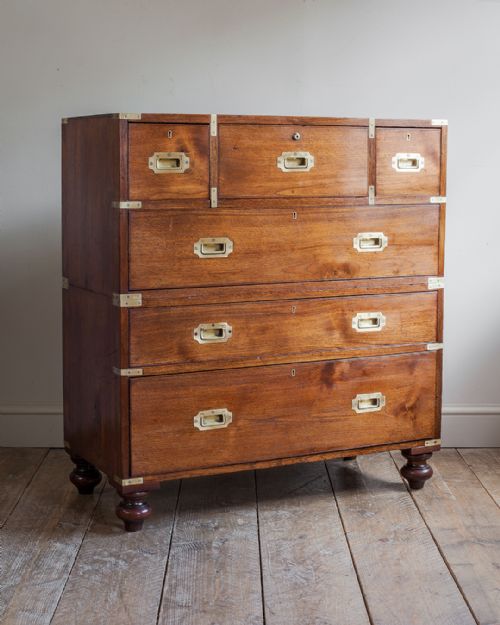
A british colonial chest is typically encountered here as a sturdy Victorian military campaign piece designed for travel. These chests of drawers divide into two sections for ease of transport during the nineteenth century.
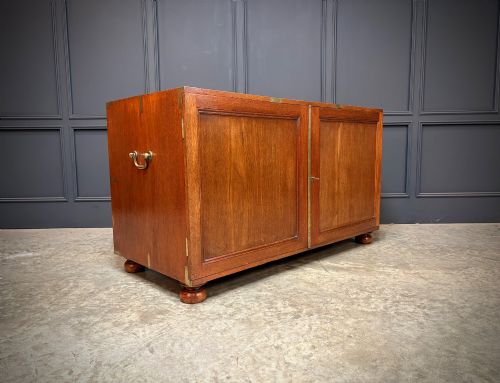
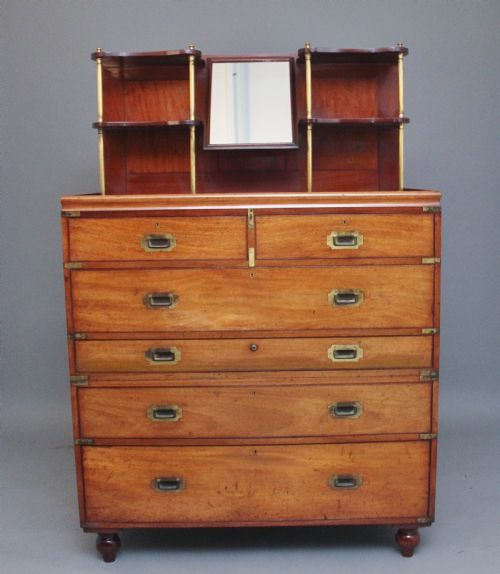
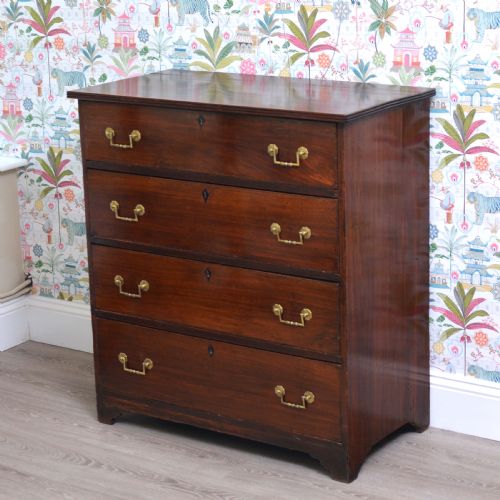
The selections on this page span the nineteenth century, including specific dates such as 1860 and 1870 alongside broader Victorian eras. Forms range from standard chests of drawers to secretaire variants and side cabinets.
Anglo-Indian colonial examples appear frequently among the listings, showing the global reach of nineteenth-century cabinetmaking. Buyers encounter functional storage units built to withstand rigorous movement across distant territories.
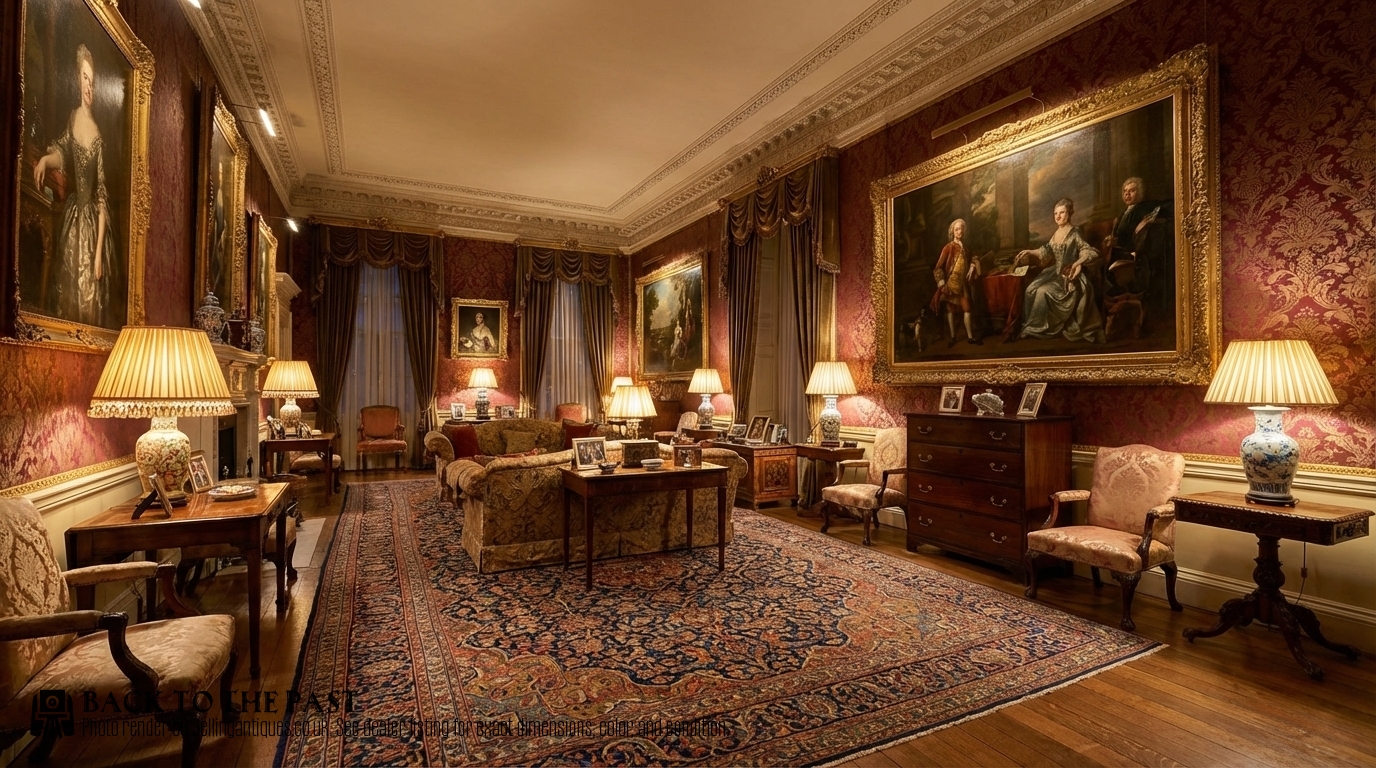
Materials and construction
These pieces rely on dense tropical hardwoods like teak, camphorwood, padauk wood, and mahogany to endure humid climates and rough handling. Walnut also appears among the nineteenth-century examples on this page.
Robust hardware is integral to the construction, utilising brass mounts and protective corner brackets alongside cast iron carrying handles. Recessed fittings allow the sections to pack tightly without projecting handles catching in transit.
Listings span the nineteenth century, utilising dense hardwoods such as teak, camphorwood, padauk, mahogany, and walnut alongside brass and cast iron hardware.
Judging quality
Quality rests in the precision of the two-part modular construction and how cleanly the sections lock together. Superior examples maintain tight, flush joints despite the environmental stresses native hardwoods endure.
The sophistication of the internal fittings distinguishes finer pieces, particularly in secretaire chests where writing surfaces and small drawers must operate smoothly. The integration of solid brass mounts and flush-fitting hardware further separates standard utility items from finer officer-grade furniture.
The British Colonial Chest Glossary
- Campaign chest
- A modular chest of drawers built in two sections with recessed handles and corner brasses for military transport. These units separated easily for loading onto pack animals or wagons.
- Secretaire chest
- A cabinet featuring a fitted pull-down writing drawer with small internal compartments and pigeonholes. It combines desk space with standard drawer storage.
- Two-part chest
- Furniture constructed as a stackable upper and lower carcase secured by metal brackets or side pins. This division was essential for officers on the move.
- Padauk wood
- A heavy, dense tropical timber with a reddish hue utilised in Anglo-Indian colonial cabinetmaking. It offers exceptional durability and a fine grain.
British Colonial Chest: Frequently Asked Questions
What is a campaign chest?
A campaign chest is a modular piece of furniture designed to dismantle into sections for military officers on active service abroad.
These chests feature brass corners and flush handles to prevent damage during transit across rough terrain.
How do two-part chests work?
Two-part chests stack one modular cabinet securely on top of another to form a single tall chest of drawers.
Metal brackets and side pins lock the separate carcases together firmly during everyday use.
What is a secretaire chest?
A secretaire chest includes a specialised pull-down drawer fitted with small compartments, pigeonholes, and a writing surface.
This design allowed officers to manage correspondence and paperwork while stationed in the field.
Why use tropical hardwoods?
Cabinetmakers utilised dense woods like teak, camphorwood, and padauk because they resisted humidity and warping in tropical climates.
These durable timbers also endured the heavy impacts of nineteenth-century transport.