



Mahogany Dressing Chest
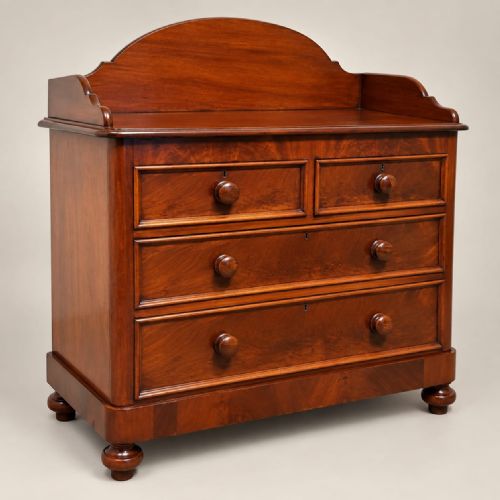
When you search for a mahogany dressing chest, you are hunting for a piece of furniture that combines practicality with deep, rich timber.

Mahogany Dressing Chest
A mahogany dressing chest is a dual-purpose piece designed for grooming and storage, emerging frequently in Georgian, Victorian, and Edwardian periods.
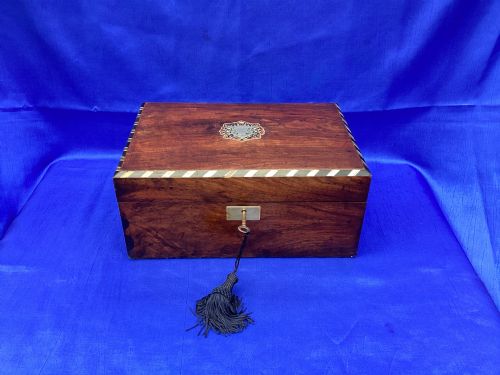
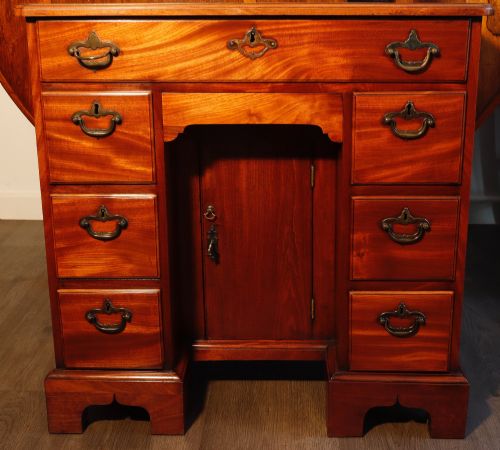
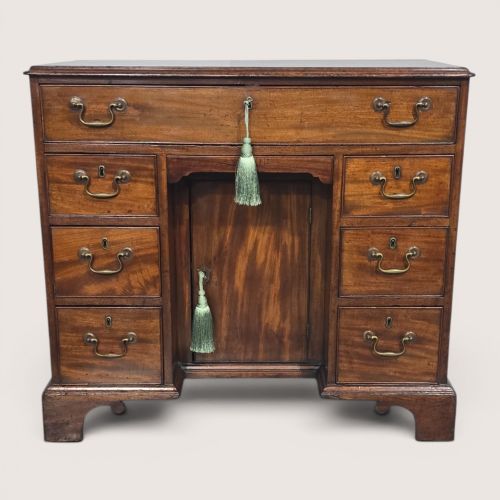
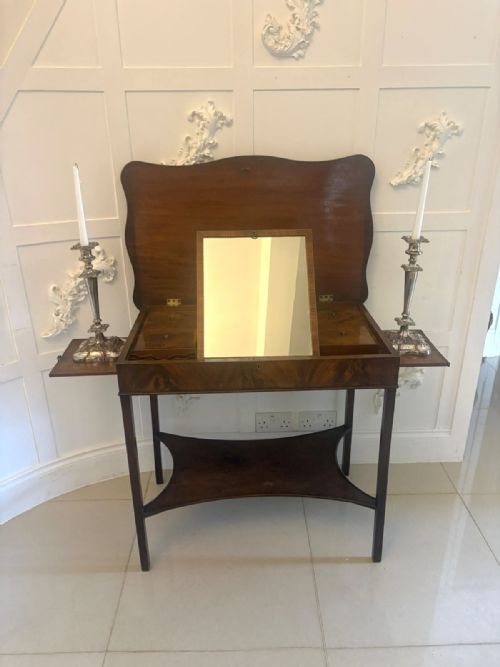
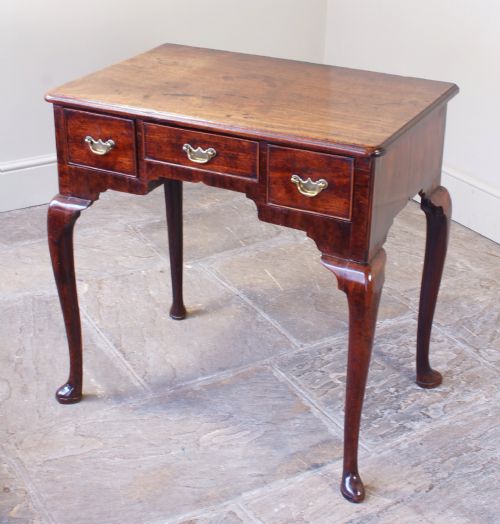
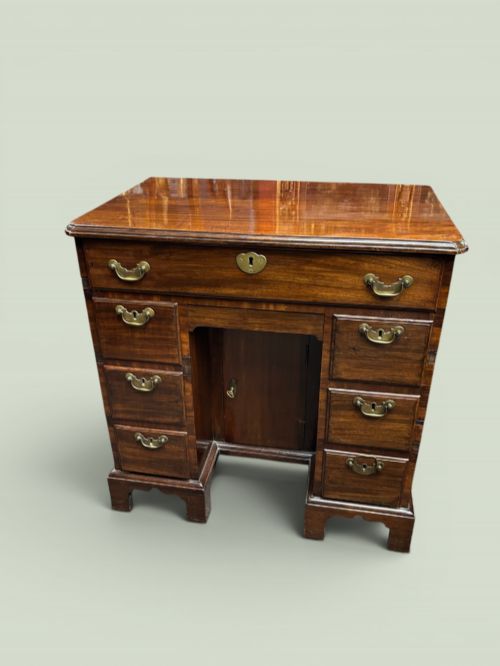
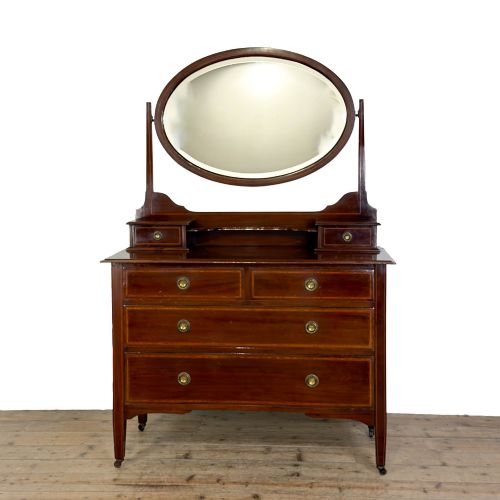
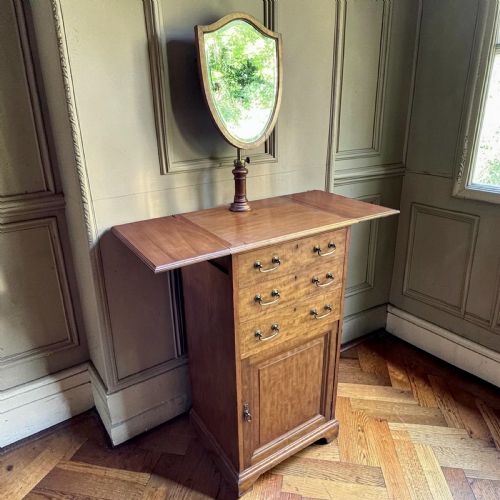
The pieces on this page span forms from compact gentleman's fitted chests to grand pedestal dressing tables with adjustable mirrors.
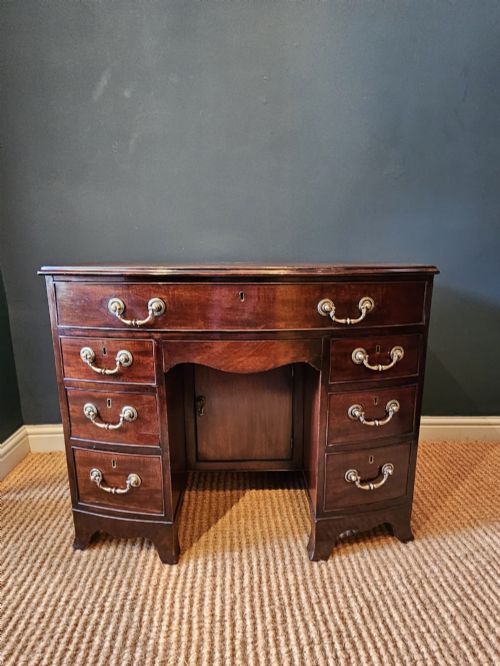
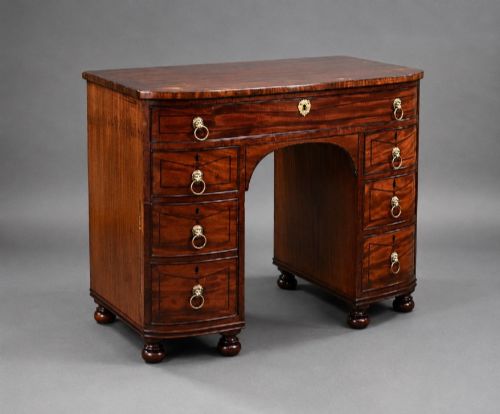
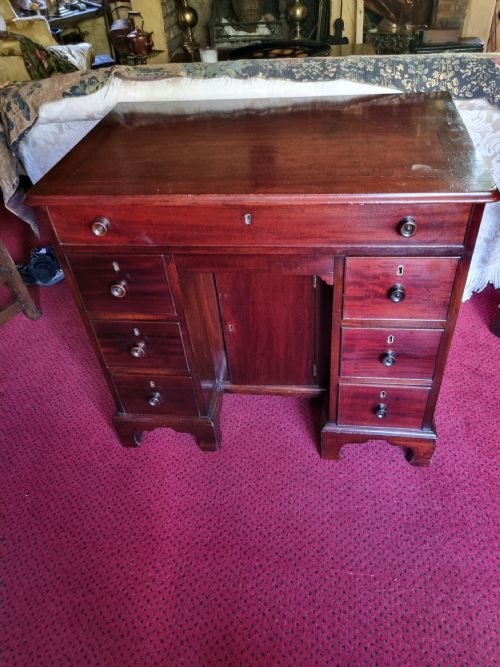
You will encounter pieces ranging from simple 18th-century lowboys and kneehole desks to ornate Edwardian tables with satinwood inlay.
How they were made
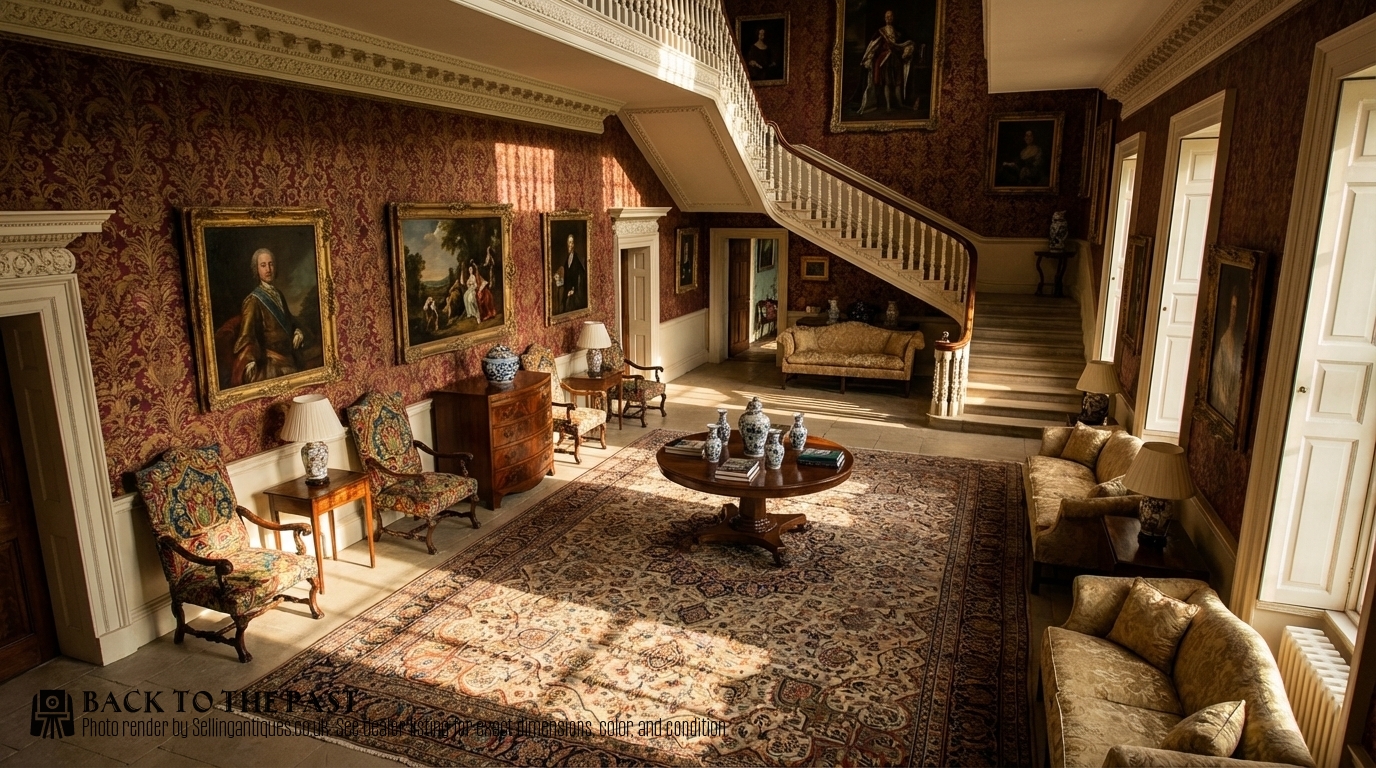
Cabinetmakers utilised dense solid timber and figured veneers, notably Cuban mahogany and flame mahogany, mounted over secondary woods such as oak and pine.
Detailing often involved delicate satinwood inlay, brass drop handles, and applied mouldings, matched with glass for mirrors and occasionally marble tops.
Drawers were constructed with hand-cut dovetails and equipped with sliding compartments, brushing slides, or concealed fitted interiors for personal items.
Mahogany Dressing Chest Retail Price Guide 2026
Typical asking prices for mahogany dressing chest among the pieces listed under this phrase on Sellingantiques today, from the lower quarter to the upper quarter. They describe what is for sale here now, not the wider market.
Listings feature mahogany dressing chests spanning from George II and Georgian periods through Victorian and Edwardian eras up to the 1930s.
What varies in quality
The caliber of a piece rests in the choice of timber figure, where richly grained flame mahogany or crisp satinwood inlay elevates the visual weight.
Joinery execution defines the longevity, seen in the tightness of drawer dovetails and the integrity of internal framing rather than surface appearance alone.
Original hardware, integrated mirrors, and untouched patination separate standard production items from masterworks attributed to known makers.
Edwards & Roberts·Muirhead Moffat & Co·William Gomm·H Ogden·Waring and Gillows
The Mahogany Dressing Chest Glossary
- Brushing slide
- A pull-out shelf positioned above the top drawer, traditionally used for folding clothes or as a writing surface. It is sometimes referred to as a dressing slide.
- Kneehole desk
- A compact desk or dressing table featuring a central recess for the legs, flanked by pedestals of small drawers. This form is common in mid-18th-century pieces.
- Lowboy
- A small table with one or more rows of drawers supported on four tall legs. These typically date from the 18th century.
- Serpentine front
- A furniture front characterised by a concave central section flanked by two convex ends, creating a gentle undulating wave. This shape requires advanced woodworking skill.
- Satinwood inlay
- Contrasting light-coloured exotic timber set flush into the darker mahogany surface to create geometric or floral borders. It is frequently seen on later pieces.
Mahogany Dressing Chest: Frequently Asked Questions
What is a gentleman's dressing chest?
A gentleman's dressing chest is a compact case piece designed for a man's daily grooming and wardrobe needs. These pieces often feature an upper drawer fitted with compartments for razors, mirrors, and bottles above standard storage drawers.
They date primarily from the Georgian and Victorian eras, offering a clever multi-functional design intended for bedrooms or dressing rooms.
How do I identify a Georgian dressing chest?
Georgian pieces are characterised by understated elegance, solid timber construction, and precise hand-cut dovetails. Look for restrained proportions, bracket feet, and original brass hardware without mass-produced machine marks.
Many period examples include a concealed brushing slide or a fitted interior layout designed specifically for personal grooming items.
Where were dressing chests placed?
Historically, these chests sat in bedrooms, dressing rooms, or private chambers where morning grooming took place. Their dual function as storage and vanity space made them central to daily domestic routines.
In modern homes, they function well as bedroom drawer units, hallway focal points, or alternative dressing tables.
Did Edwardian chests have mirrors?
Edwardian dressing chests frequently incorporated attached swinging mirrors, often supported by carved upright arms or integrated into a superstructure. These mirrors could be adjusted for angle during use.
Some pieces allowed the mirror frame to be detached entirely, altering the silhouette to resemble a standard chest of drawers.