




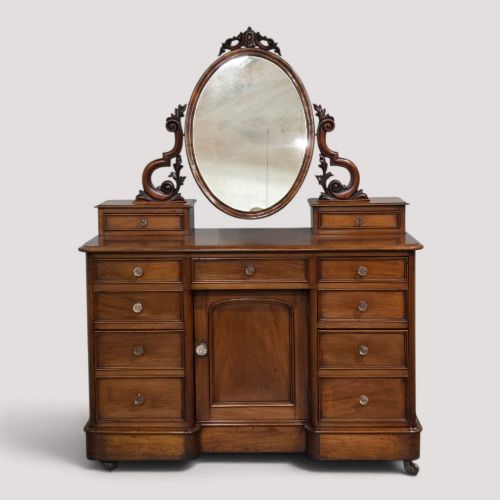
Victorian Vanity Table
A victorian vanity table provides a dedicated morning space for grooming, bringing solid timbers and swing mirrors into the bedroom.
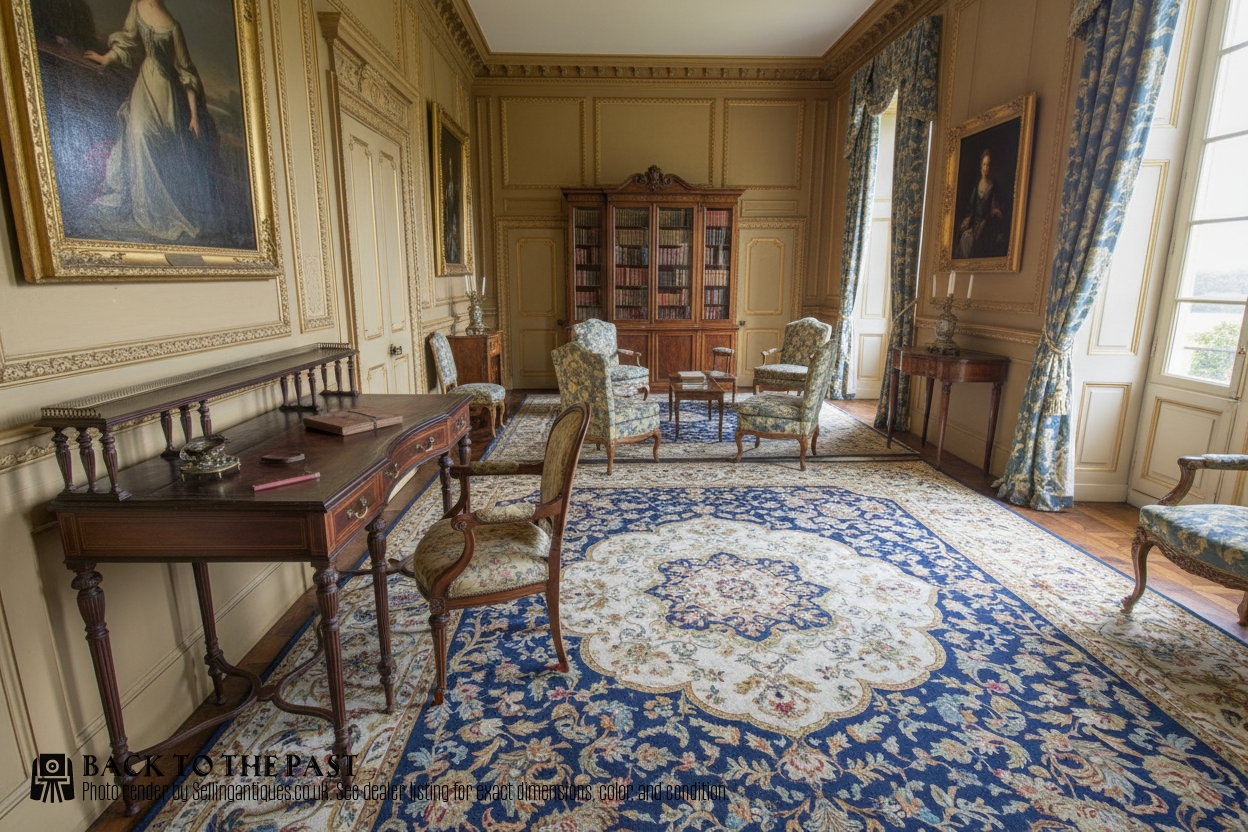
Victorian Vanity Table
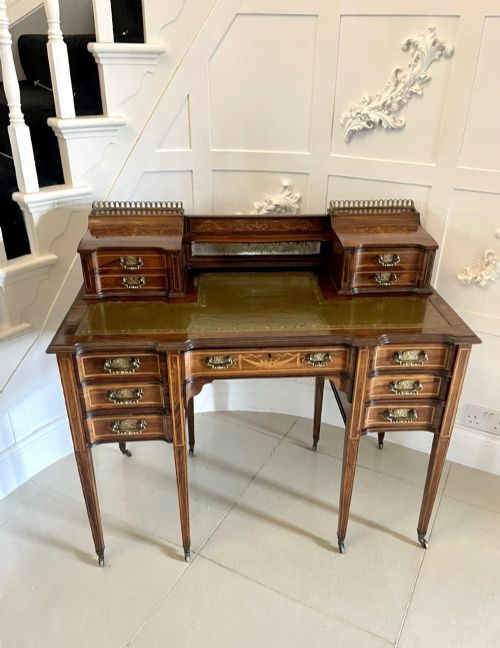
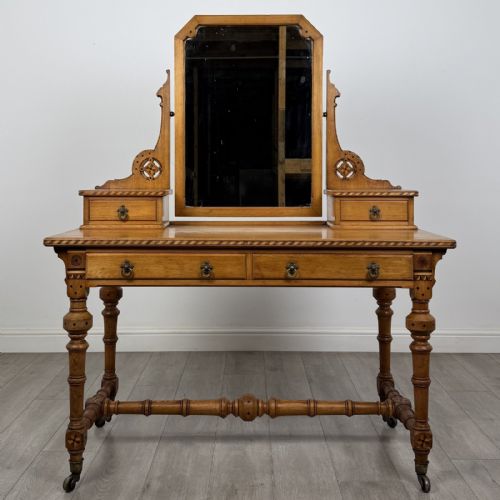
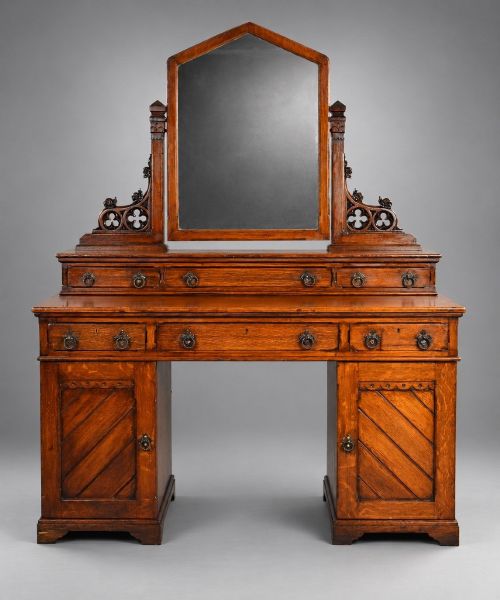
A victorian vanity table encompasses various forms designed for personal grooming, including large pedestal dressing units, smaller table mirrors, and matching bedroom stools. The items found in this collection span the nineteenth century, featuring styles from plain mahogany writing combinations to elaborate walnut or rosewood pedestal tables with attached swing mirrors.
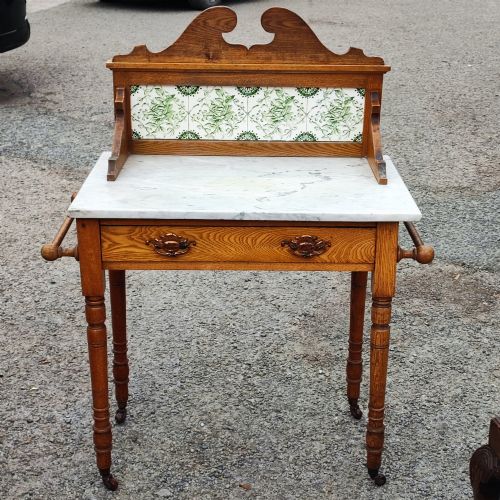
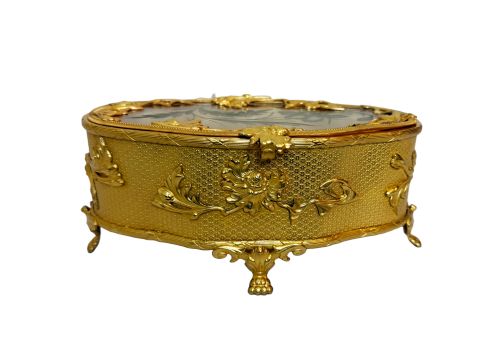
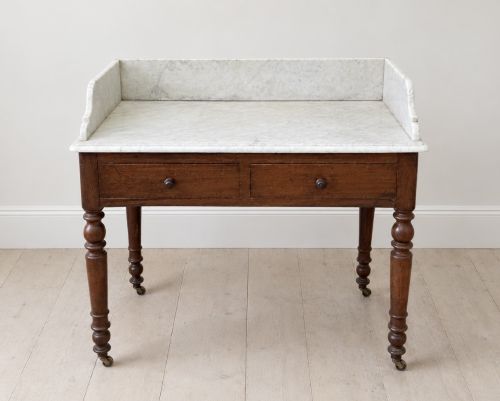
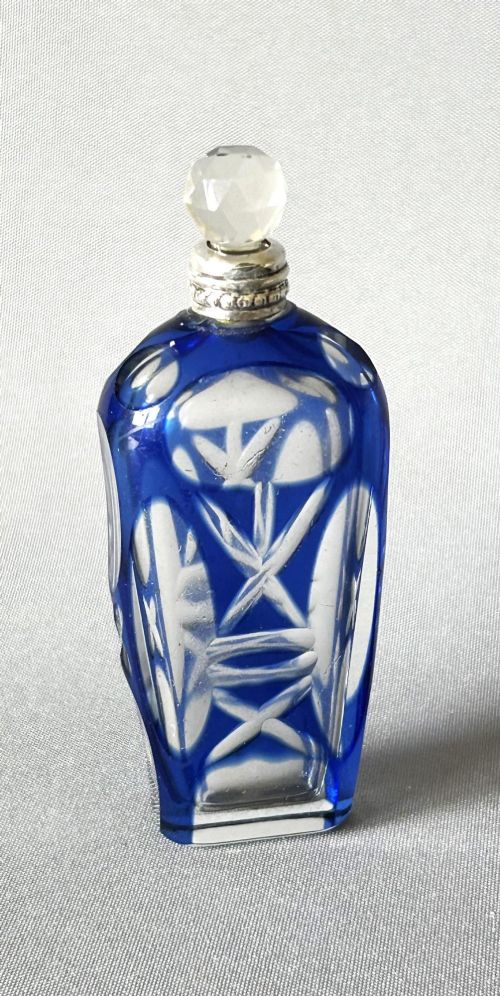
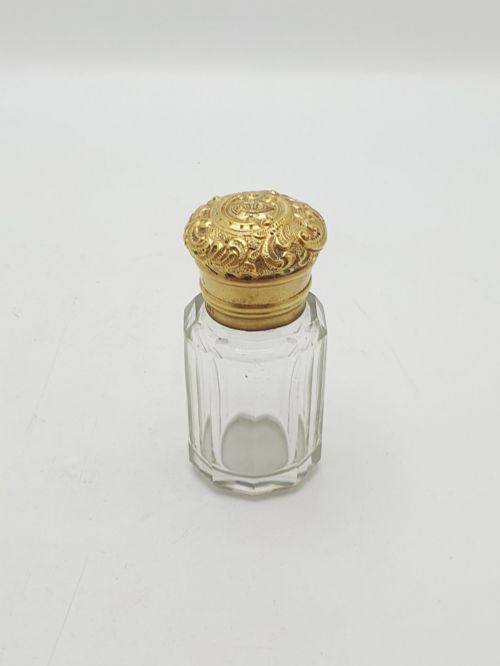
Buyers will encounter multiple regional interpretations and related furniture types, such as French marble-topped washstands, Anglo-Indian rosewood pieces, and oak shaving stands. Many examples incorporate subsidiary seating or small accessory boxes designed for toiletries and cosmetics.
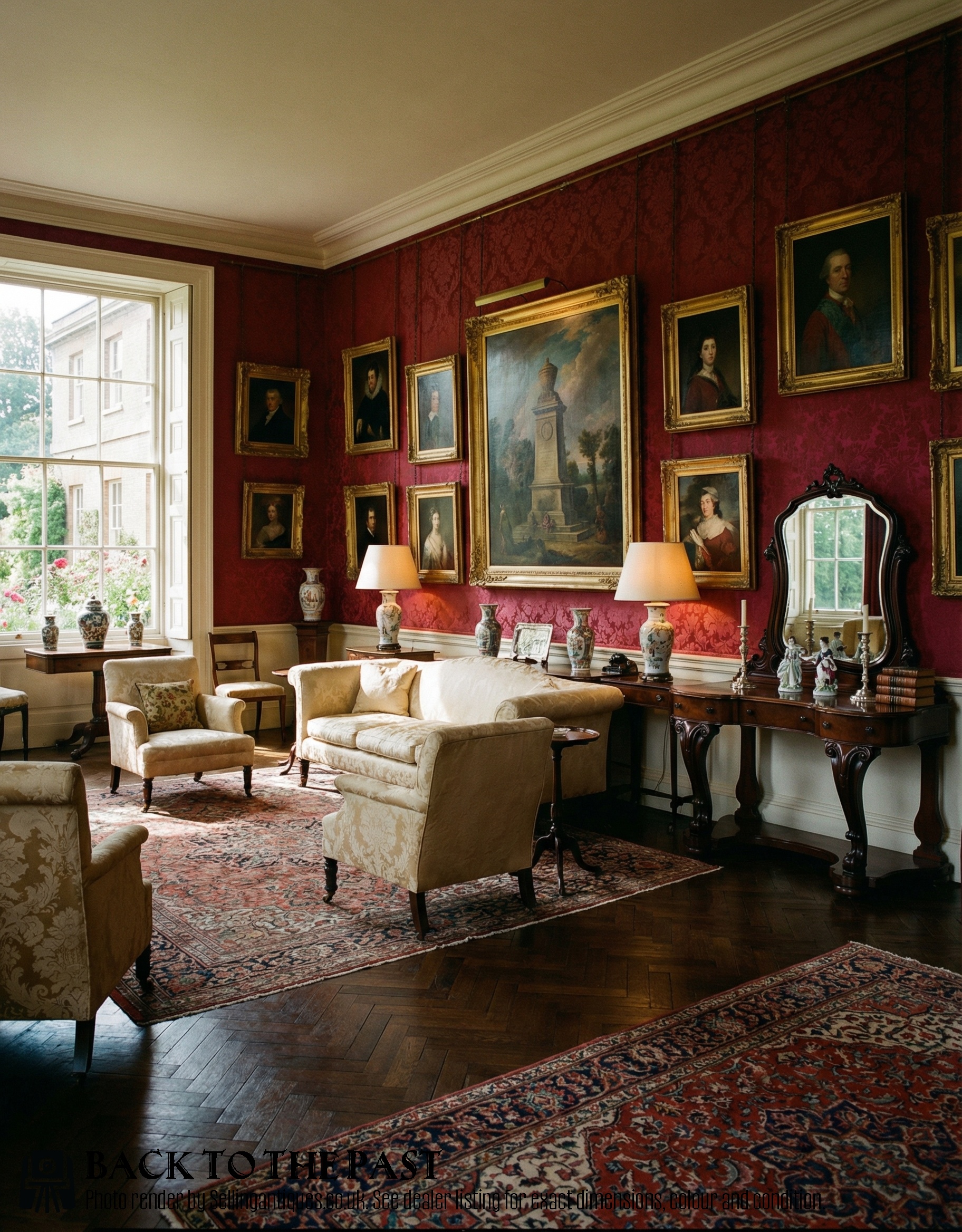
Materials and Technique
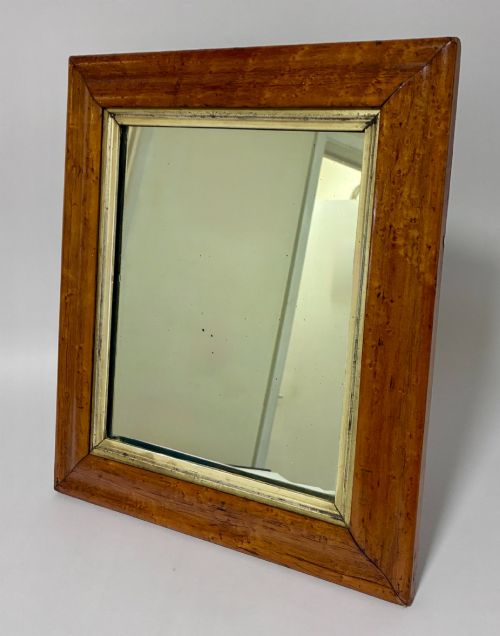
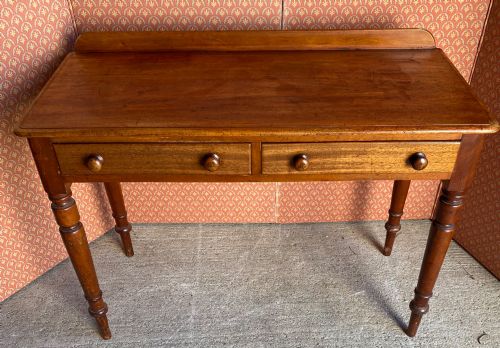
Cabinet makers utilised dense native and imported timbers, notably mahogany, walnut, rosewood, and pitch pine, often framing them with brass hardware or gilt bronze mounts. Burr walnut veneers and bird's-eye maple appear on select pieces, displaying careful grain matching across drawer fronts and table surfaces.
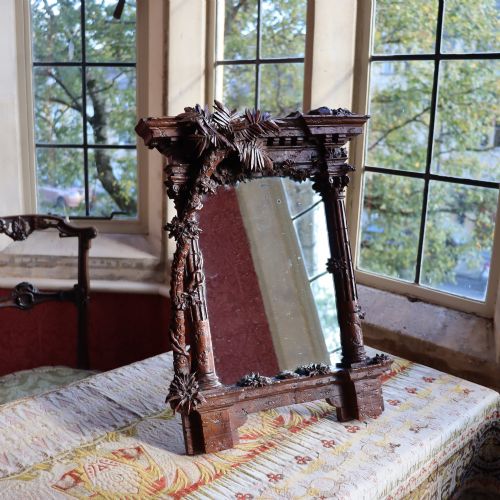
Carved structural elements feature heavily, from cabriole legs on seating to elaborate foliate motifs on mirror frames. Marble tops and glazed ceramic inserts provide durable surfaces on washstand variants, while brass adjustments enable table mirrors to tilt smoothly.
Victorian Vanity Table Retail Price Guide 2026
Typical asking prices for victorian vanity table among the pieces listed under this phrase on Sellingantiques today, from the lower quarter to the upper quarter. They describe what is for sale here now, not the wider market.
Assessing the Standard
Quality rests upon timber selection, structural joinery, and the integrity of any associated mirror glass. Superior pieces display finely figured veneers, solid secondary woods within drawer linings, and hand-carved detailing rather than applied composition ornaments.
The survival of original surface finishes, matching stools, and hardware such as brass locks or swing-arm pivots distinguishes standard utilitarian pieces from high-workshop production.

Heal and Son·Maple and Co·P and MA Nicholson
The Victorian Vanity Table Glossary
- Cheval mirror
- A full-length swing mirror supported by a standing frame that allows the glass to tilt. These often feature vertical side posts mounted on supportive feet.
- Duchess dressing table
- A large nineteenth-century vanity form featuring a central swing mirror flanked by smaller drawers or trinket compartments above a lower table base.
- Champlevé
- An enamelling technique where trenches are scooped into a metal surface and filled with vitreous paste before firing. It appears frequently on decorative late nineteenth-century mirror frames.
- Ormolu
- Gilt bronze mounts applied to furniture edges, feet, and mirror crests. The process involves applying a gold-mercury amalgam to shaped bronze.
- Goncalo Alves
- A dense, highly figured tropical hardwood displaying contrasting dark streaks. It appears occasionally on mid-nineteenth-century cabinet work and seating.
Victorian Vanity Table: Frequently Asked Questions
How do I identify a genuine period piece?
Examine the timber shrinkage, secondary woods inside drawers, and hand-cut dovetail joints. Period pieces display natural wear patterns around handles and foot terminals consistent with nineteenth-century use.
Check for original backboards and mirror silvering, as replacement glass or modern screws often indicate later repairs or adaptations.
Were these tables originally sold with matching stools?
Many dressing tables were retailed alongside dedicated seating upholstered in period fabrics like needlepoint, horsehair, or velvet. These stools often share the carved wood frames and leg styles of the main table.
Surviving matched sets remain desirable because individual seating items were frequently separated or replaced over subsequent generations.
What is the difference between a vanity table and a washstand?
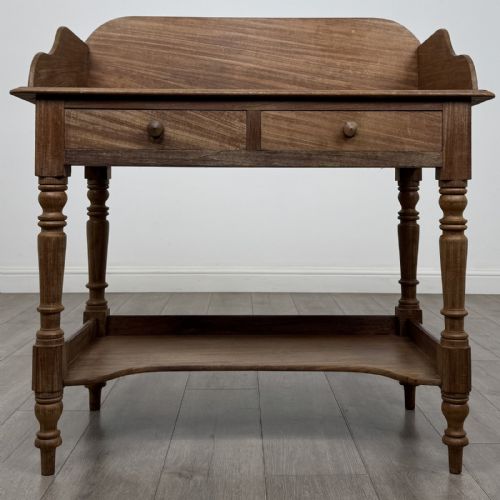
Vanity tables focus on grooming and cosmetics, typically incorporating drawers, writing surfaces, and tilt mirrors. Washstands prioritise personal hygiene and feature marble or tile tops designed to hold ceramic basins and water jugs.
Over time, many washstands have transitioned into general decorative use within modern bedrooms and nurseries.
How should I care for polished wood surfaces?
Maintain polished mahogany and walnut by applying traditional beeswax sparingly and buffing with a soft cloth. Avoid placing these items in direct sunlight or near heat sources to prevent timber splitting and veneer lifting.
Protect marble and glass inserts from acidic liquids and moisture by using coasters or protective mats.