




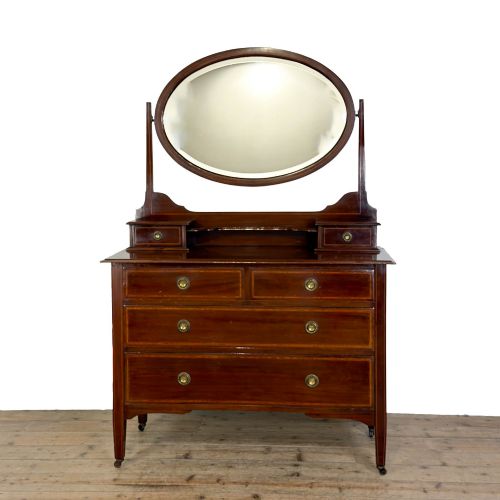
Antique Makeup Table
An antique makeup table brings period craft into the bedroom, offering fitted mirrors, drawers and polished timbers for daily routines.
Antique Makeup Table
When you search for an antique makeup table, you encounter dressing tables, vanity tables, poudreuses and dressing chests produced across the nineteenth and twentieth centuries. These pieces combine surfaces for cosmetics with integrated mirrors, small drawers and sometimes fitted compartments for personal items.
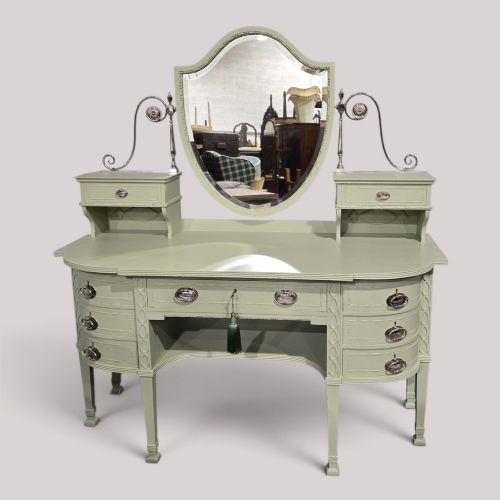
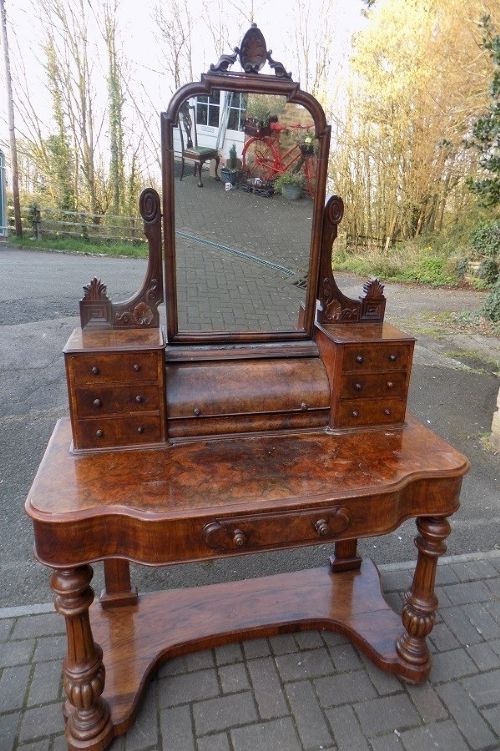
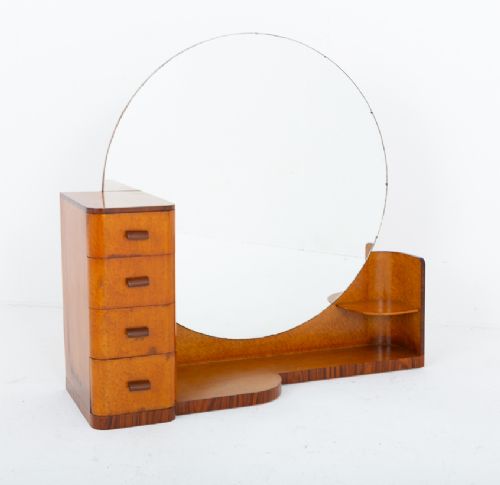
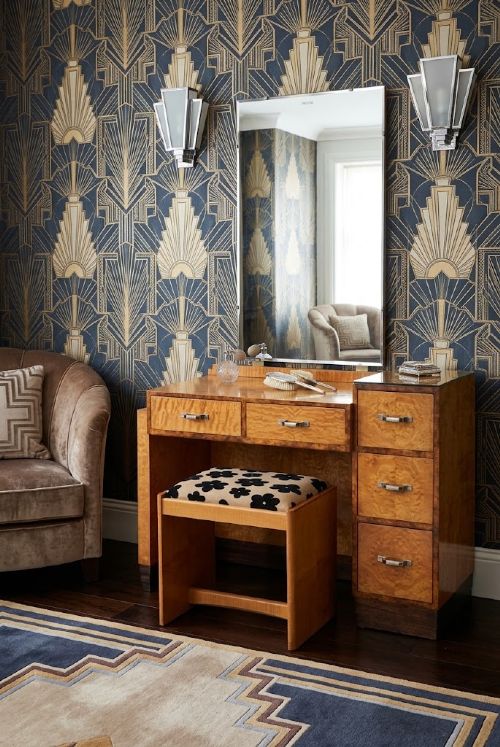
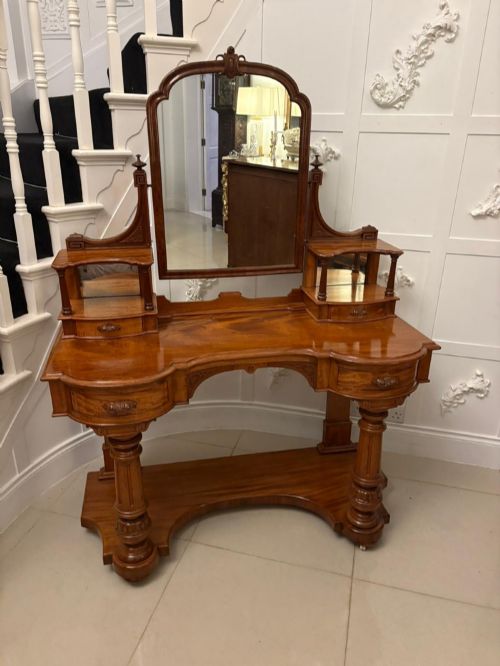
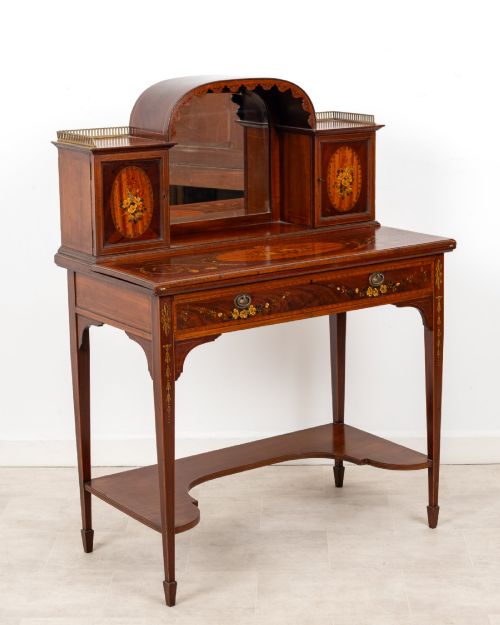
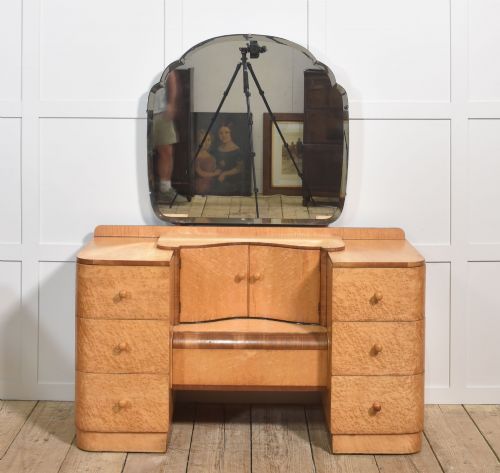
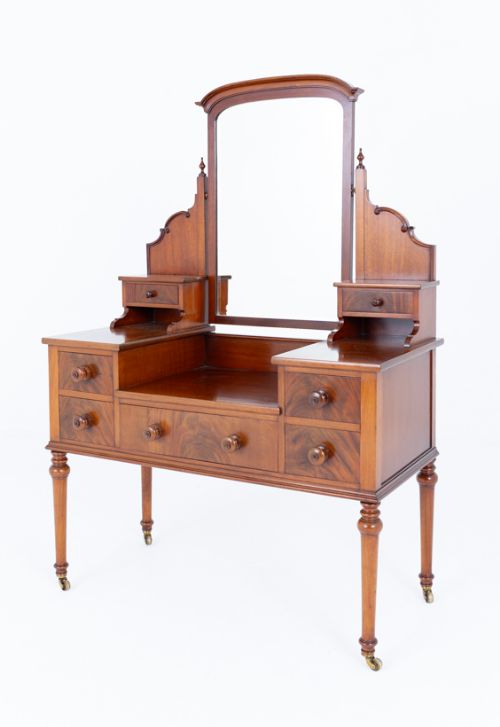
The version you are most likely to meet on this page is the Victorian mahogany or burr walnut pedestal dressing table, often fitted with an adjustable swing mirror. Edwardian satinwood pieces and Art Deco maple or burr walnut designs from the nineteen-twenties and nineteen-thirties appear with equal frequency.
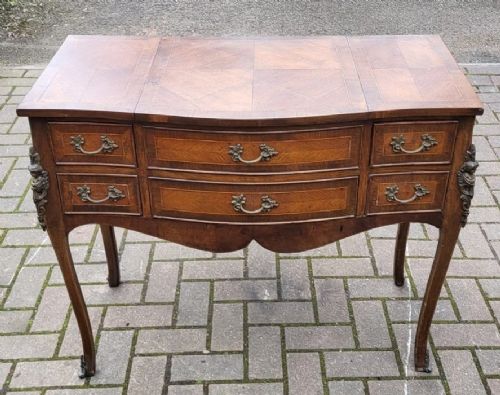
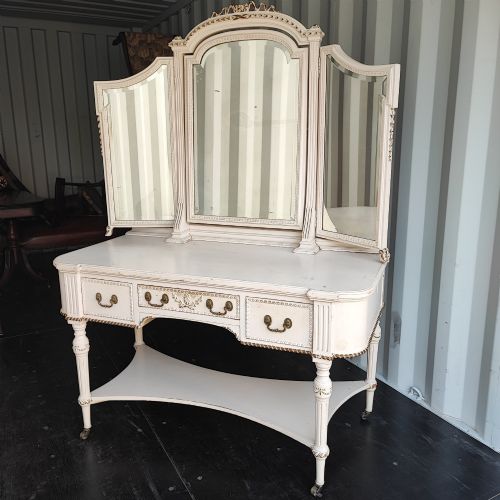
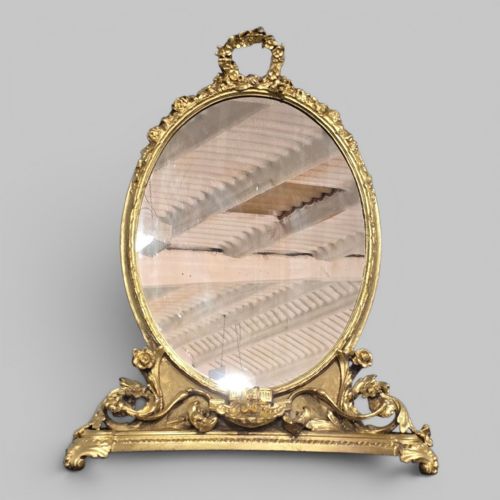
Earlier examples span Georgian mahogany and French Empire or Rococo Revival forms, while Arts and Crafts oak and Chinoiserie lacquered surfaces represent alternative stylistic choices in the record. Matching boudoir stools and ottomans occasionally accompany the tables.

How they were made
Cabinetmakers constructed these pieces primarily using solid and veneered timbers such as mahogany, walnut, satinwood, maple and teak, often selecting figured and burr veneers for decorative grain patterns on drawer fronts and pedestals. Marquetry inlay, ormolu mounts, porcelain plaques and painted decoration provide surface enrichment on select examples.
Mirrors utilise glass and mirror glass, set into adjustable brass frames or wooden pedestals, while tabletops in French pieces sometimes incorporate marble. Specialised forms like the poudreuse integrate folding compartments, and pedestal designs rely on sturdy carcass construction to support heavy swing mirrors.
Antique Makeup Table Retail Price Guide 2026
Typical asking prices for makeup table among the pieces listed under this phrase on Sellingantiques today, from the lower quarter to the upper quarter. They describe what is for sale here now, not the wider market.
Listings span the nineteenth century through the nineteen-thirties, covering Victorian, Edwardian and Art Deco periods in mahogany, walnut and maple.
What varies in quality
The grade of timber selection and veneer matching defines the visual weight of a piece, distinguishing standard production from maker-attributed works. Figured burr walnut, birdseye maple and finely grained satinwood display greater decorative depth than plain mahogany.
The integration of secondary materials such as ormolu mounts, Sevres porcelain, original bronze hardware and triple mirror glass elevates the execution. Maker attribution, through signatures or recognised houses like Maples, Mappin and Webb, or the Epstein brothers, separates workshop output from anonymous manufacture.
Mappin and Webb·Maurice Adams·Harry and Lou Epstein·Maples
The Antique Makeup Table Glossary
- Poudreuse
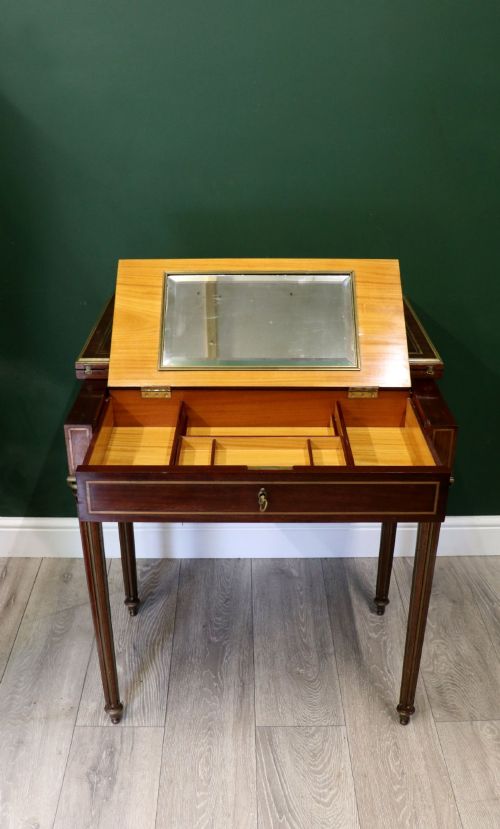
- A French vanity table featuring a folding top that conceals a mirror and compartments for cosmetics and powder. These pieces date across the eighteenth and nineteenth centuries.
- Duchess dressing table
- A large Victorian form incorporating a large central mirror flanked by smaller swing mirrors and multiple small drawers above a pedestal base.
- Ormolu
- Gilded bronze mounts applied to furniture for decorative effect, frequently seen on French Empire and nineteenth-century revival pieces.
- Burr walnut
- Timber taken from walnut tree growths, producing highly figured, swirling grain patterns prized for veneers on Victorian and Art Deco cabinets.
- Satinwood
- A durable, light-yellow timber imported from tropical regions, utilised extensively during the Edwardian period for fine inlaid furniture.
Antique Makeup Table: Frequently Asked Questions
How do I identify a Victorian dressing table?
Victorian examples typically rely on solid or veneered mahogany and burr walnut, featuring substantial pedestal bases and arched or oval swing mirrors.
They often include a low superstructure with small jewellery drawers above a central kneehole space.
What is the difference between a dressing table and a poudreuse?
A standard dressing table remains open with a fixed or adjustable upright mirror attached to the back or top.
A poudreuse is a low French form with hinged panels that lift to reveal a concealed mirror and internal storage wells.
Are Art Deco makeup tables common?
Art Deco vanity tables appear frequently, dating from the nineteen-twenties and nineteen-thirties.
They utilise exotic veneers like birdseye maple and burr walnut alongside geometric mirror shapes.
How do I care for polished wood surfaces?
Maintain polished mahogany and walnut surfaces by keeping them away from direct sunlight and excessive heat sources.
Apply traditional wax polish sparingly to preserve the timber grain without building up heavy residue.