
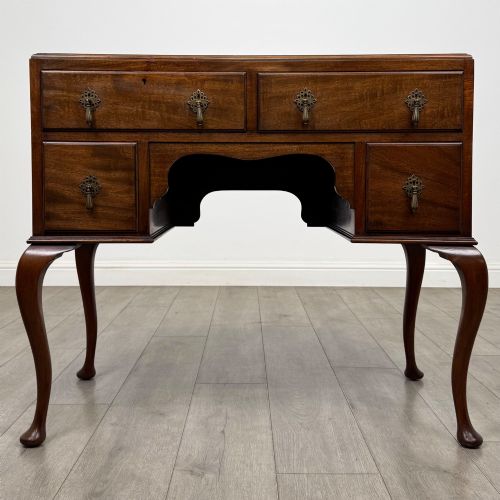
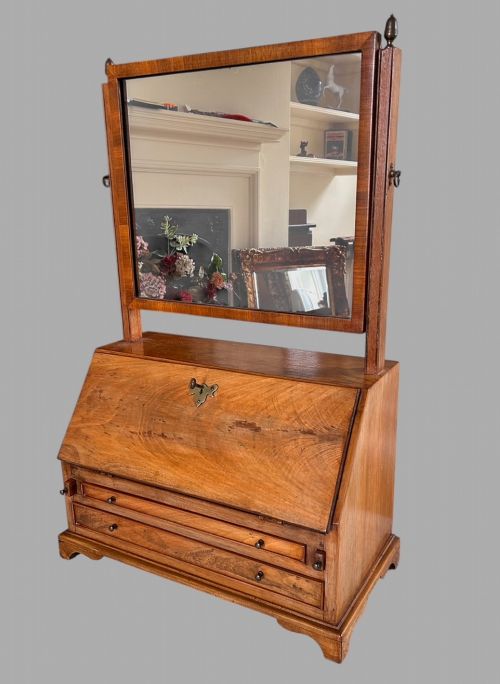
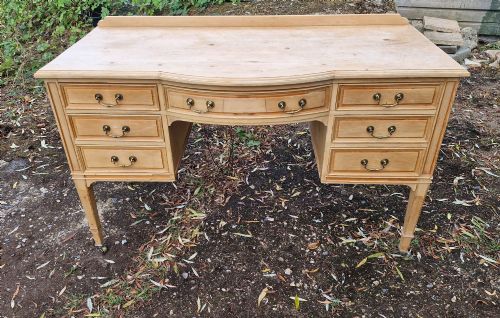
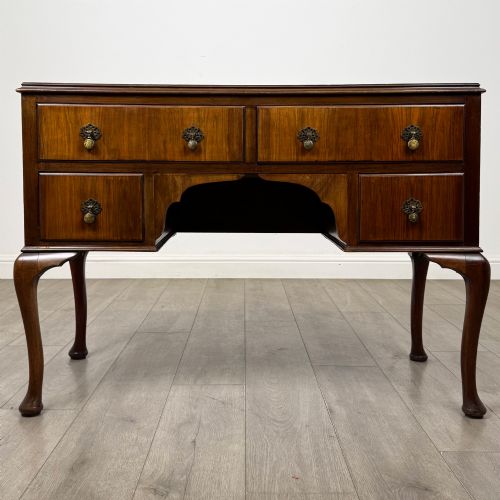
Edwardian Vanity Desk
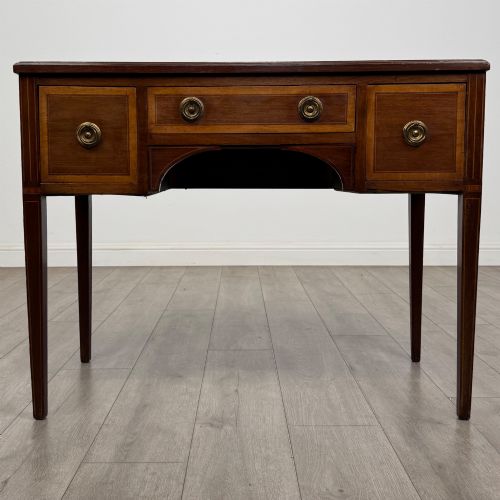
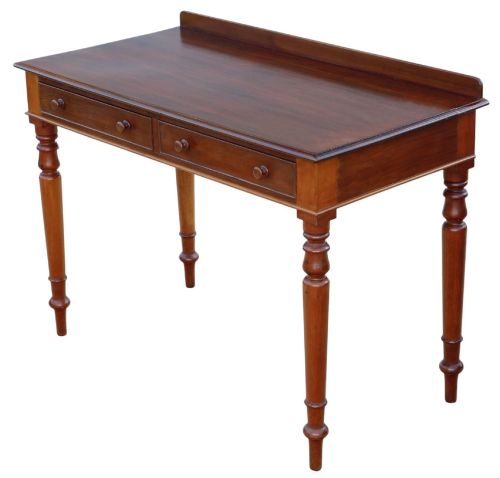
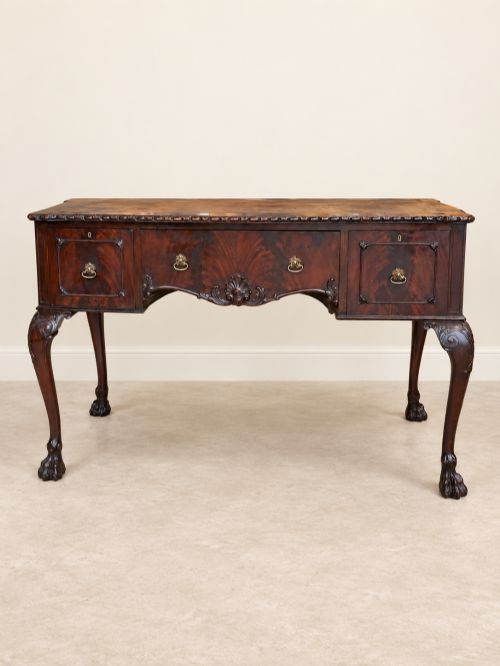
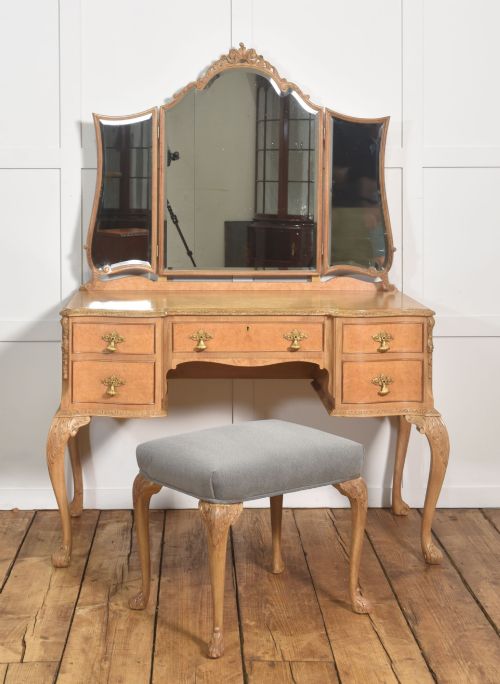
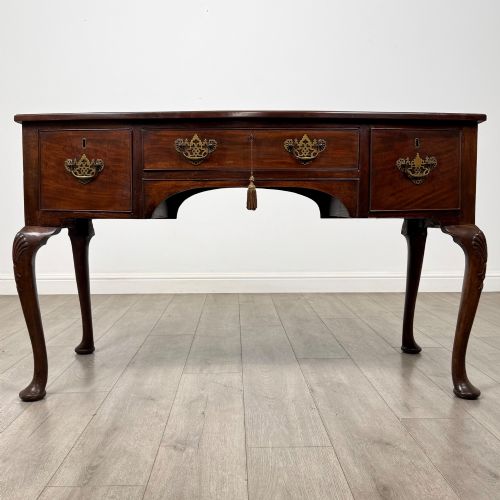
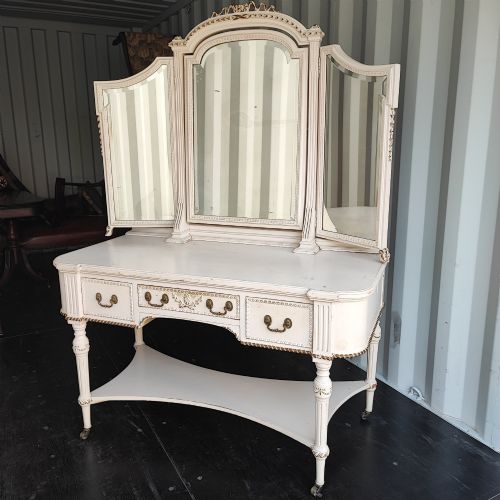
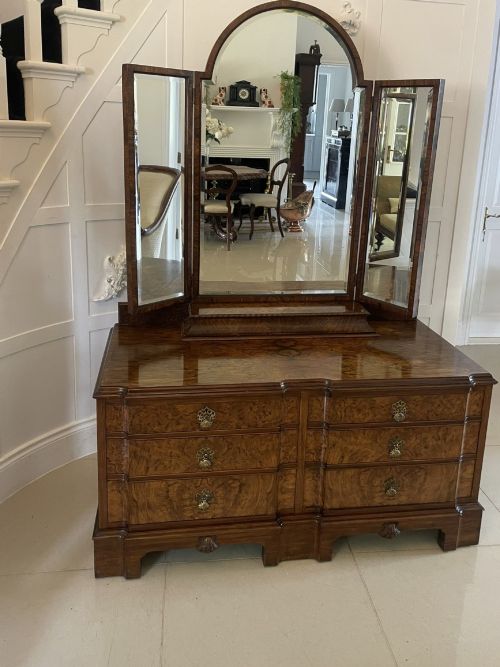
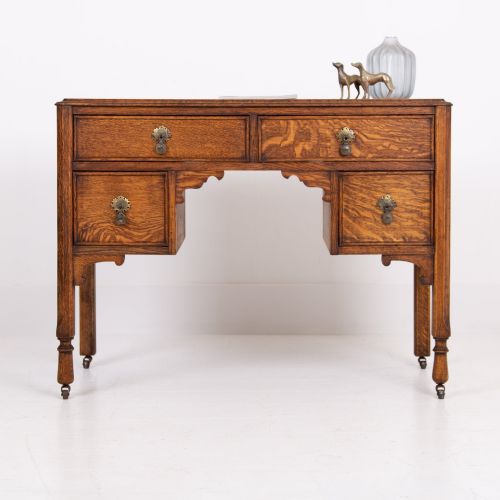
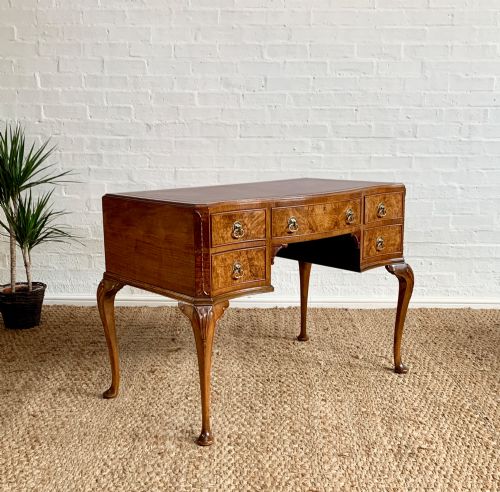
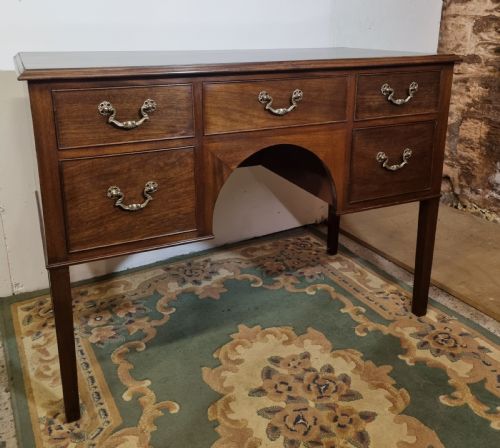
An edwardian vanity desk offers a refined place for morning routines, combining the functions of a dressing table and a writing desk in mahogany, satinwood or walnut.
Understanding the Edwardian Vanity Desk
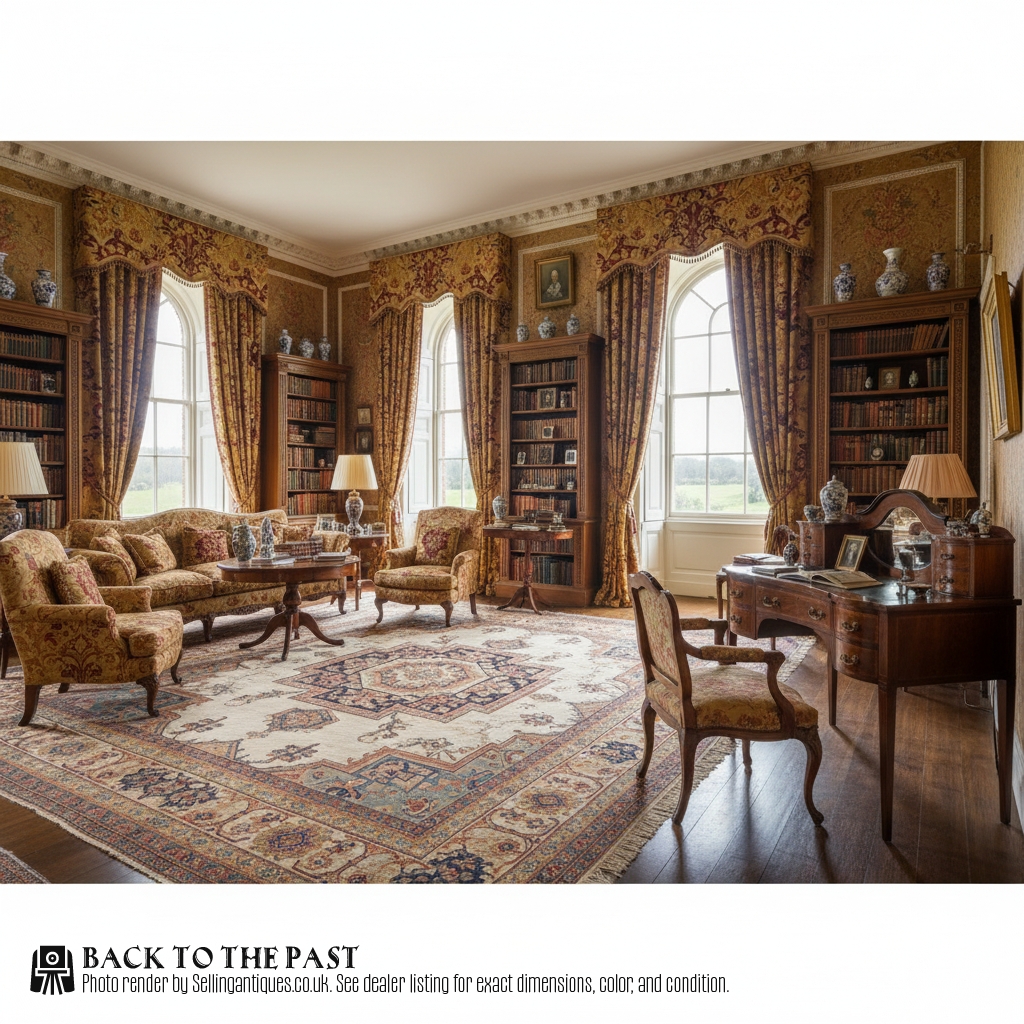
When you search for an edwardian vanity desk, you encounter pieces that bridge the late nineteenth century and the early twentieth century, spanning periods from 1870 through to 1910. The forms vary between dedicated dressing tables and dual-purpose writing desks such as the bonheur du jour.
The pieces appearing on this page include styles rooted in Edwardian neoclassical revival, Sheraton revival and Rococo revival, alongside simpler turn-of-the-century designs. Materials range from traditional mahogany and walnut to lighter satinwood and burr walnut.
Materials and Construction
Cabinet makers utilised a variety of fine timbers, framing structural elements in solid mahogany or walnut while applying decorative veneers like burr walnut and satinwood to visible surfaces. Inlays in contrasting woods added linear detail and floral motifs.
Surfaces were frequently protected and enhanced with inset leather panels for writing, while heavier items incorporated marble tops for durability during grooming. Hardware typically consisted of brass fittings, drawer pulls and adjustable glass mirror frames.
Retail Price Guide 2026
Typical UK retail prices for edwardian vanity desk, calculated from the Sellingantiques database of over a million retail prices indexed since 2003. This retail price guide relies exclusively on Sellingantiques data; no external sources or auction records are used, so the figures do not describe the wider market.
Materials across these pieces include mahogany, satinwood, walnut, burr walnut, brass, glass, marble and leather.
Assessing Quality and Craftsmanship
Quality reveals itself in the selection of timber veneers and the precision of the inlay work, where finer pieces display seamless joins and balanced grain patterns across the entire carcass. The integration of auxiliary materials like marble and brass also dictates the level of finish.
Structural integrity separates everyday utility from finer examples, evident in the smooth operation of small drawers and the stability of pivoting mirror frames. The distinction lies in whether the maker prioritized decorative flourish or balanced proportion.
Maples
The Edwardian Vanity Desk Glossary
- Bonheur du jour
- A light lady's writing desk featuring a small tiered superstructure with drawers and pigeonholes above the main writing surface.
- Duchess dressing table
- A large vanity table with a prominent central mirror supported by small drawers or trinket boxes, popular during the Victorian and Edwardian eras.
- Satinwood
- A pale, lustrous hardwood sourced from tropical regions, frequently utilised for banding and stringing on high-end Edwardian furniture.
- Inlay
- A decorative technique where pieces of contrasting wood, shell or metal are fitted into the surface of a base timber to form patterns.
Frequently Asked Questions
What is an edwardian vanity desk used for?
These pieces served dual purposes in the bedroom or boudoir, providing a dedicated surface for personal grooming alongside a practical space for correspondence and letter writing.
The inclusion of small drawers, pigeonholes and mirrors allowed owners to organise cosmetics and stationery efficiently within a single piece of furniture.
How do I date an edwardian vanity desk?
Dating relies on observing stylistic markers such as Sheraton revival motifs or neoclassical stringing, alongside construction methods typical of the period around nineteen hundred.
Comparing the primary timber, such as mahogany or satinwood, and secondary woods inside the drawers helps confirm the era of manufacture.
Are these desks suitable for daily use?
Most examples function well for modern tasks like laptop use or writing, provided you protect antique timber and leather surfaces from moisture and heavy wear.
Their compact proportions also make them practical for smaller rooms where a standard desk might overwhelm the space.
How do I care for satinwood and mahogany?
Maintain the timber by keeping pieces away from direct sunlight and sudden temperature changes, which can cause veneers to lift or timber to split over time.
Dust regularly with a soft, dry cloth and apply a quality wax polish sparingly to nourish the grain without building up heavy residue.