

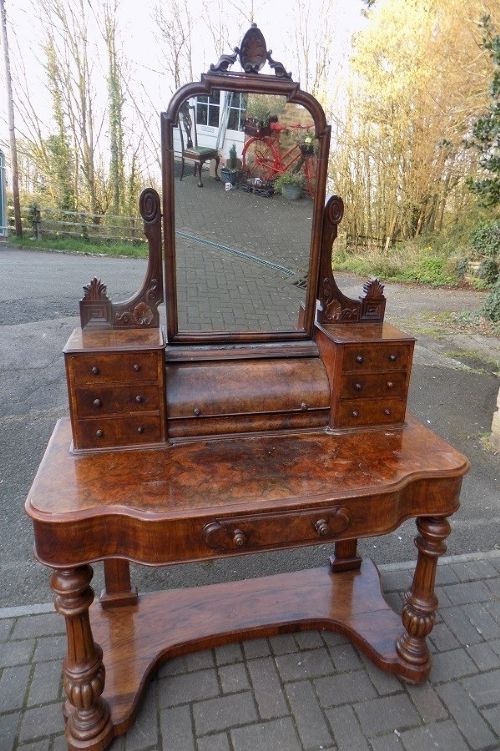
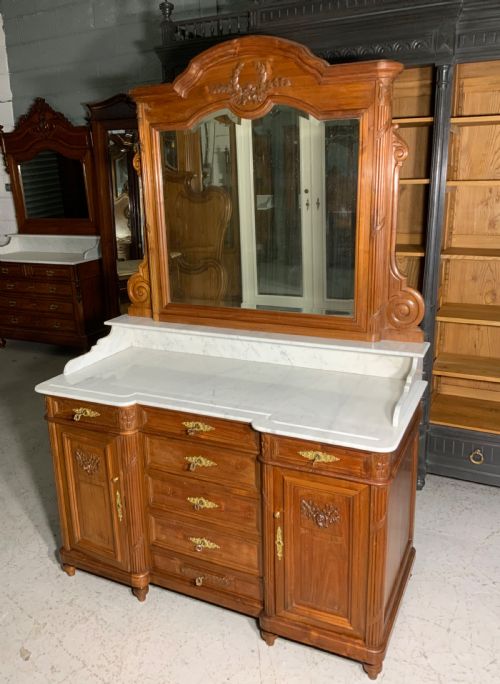
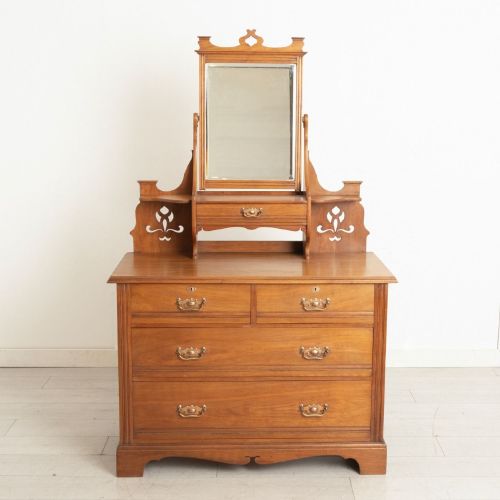
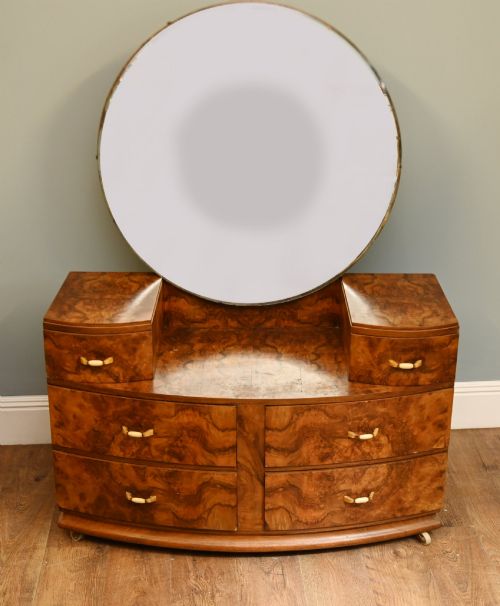
Antique Vanity Unit
An antique vanity unit spans everything from a marble-topped washstand to a mirror-fitted dressing table, offering practical surface space and period character.
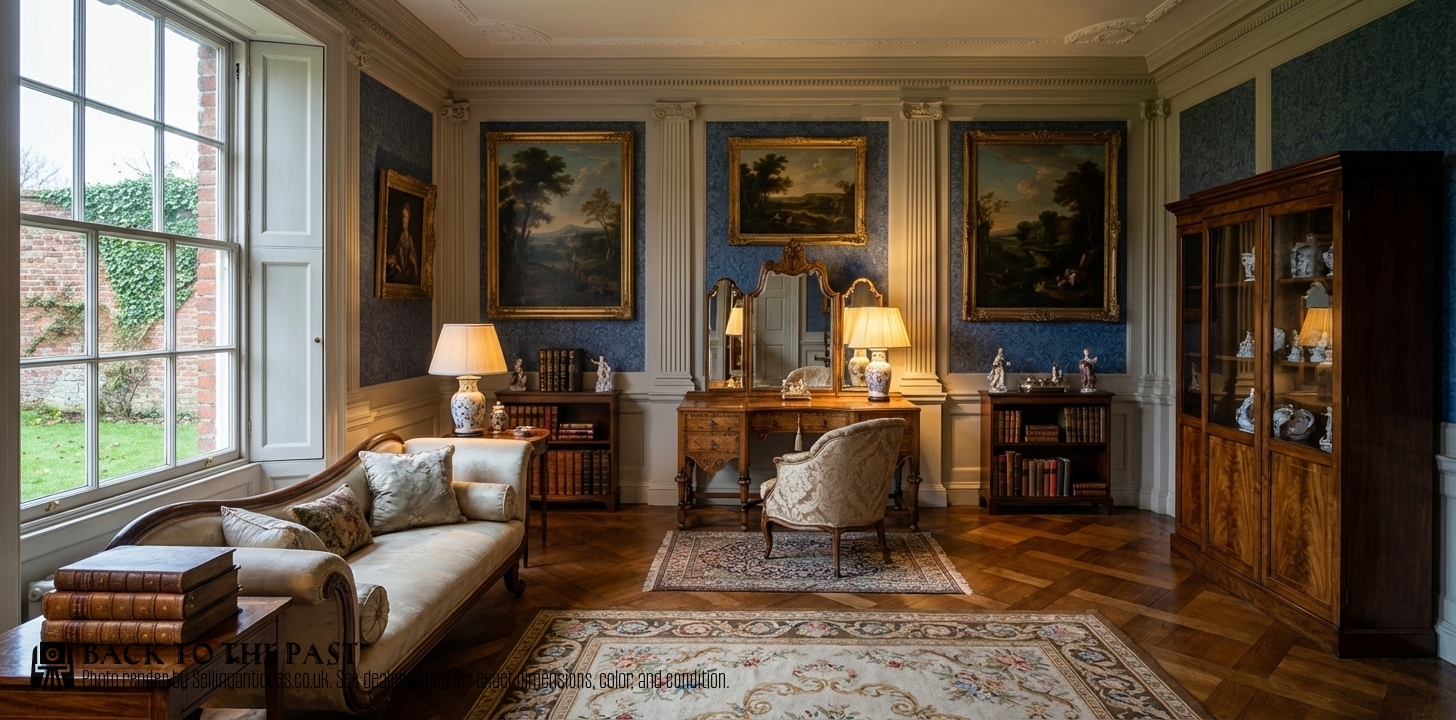
Antique Vanity Unit
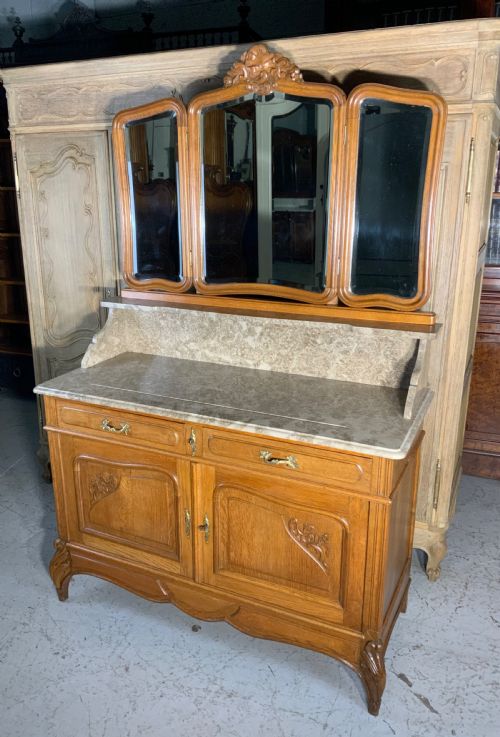
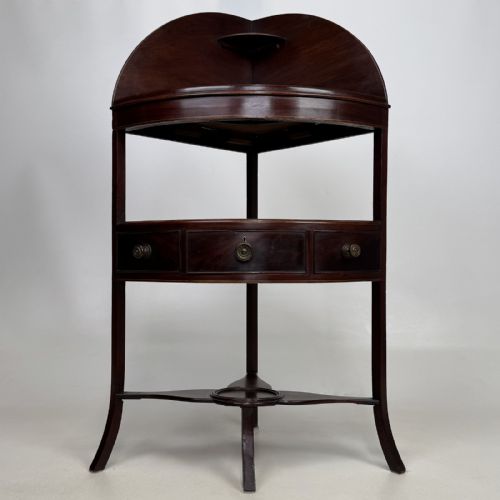
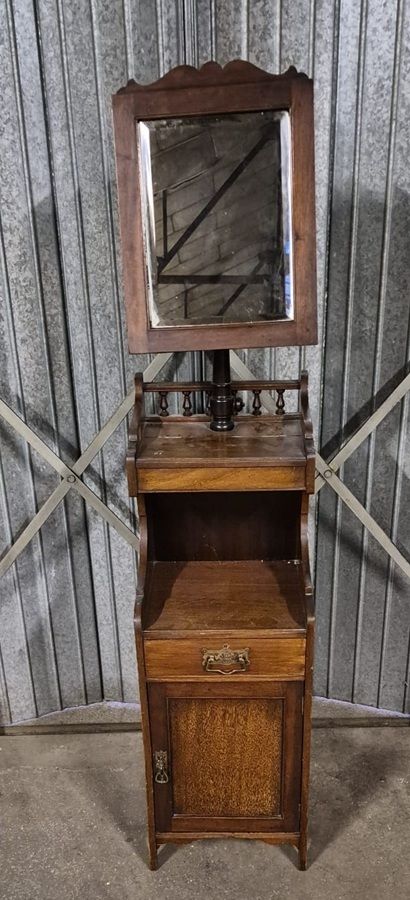
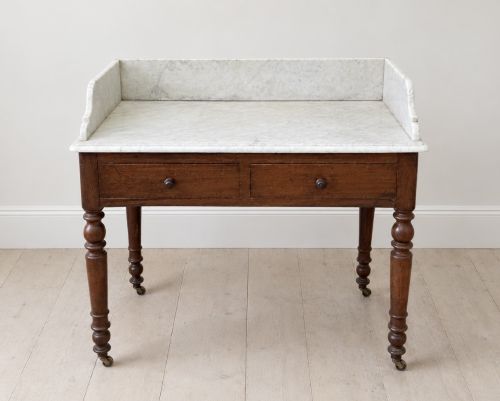
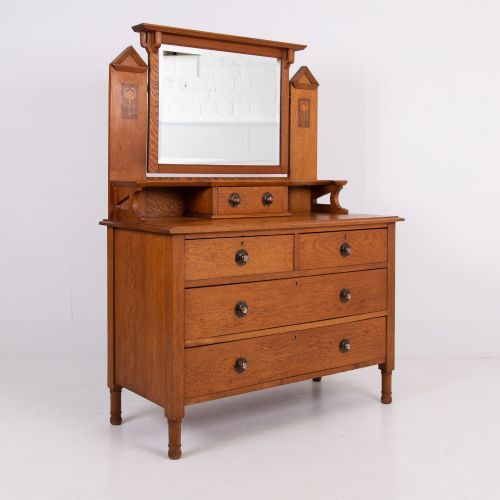
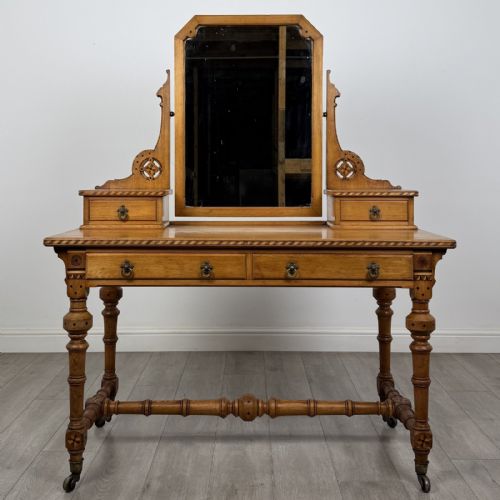
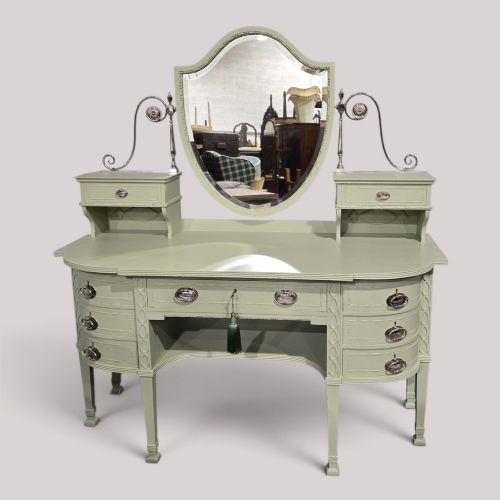
When you search for an antique vanity unit, you encounter pieces originally built as dressing tables, washstands, or dressing chests from the nineteenth and early twentieth centuries. These forms served distinct bedroom and dressing room functions, incorporating mirrors, drawers, or basins depending on whether their primary purpose was grooming or washing.
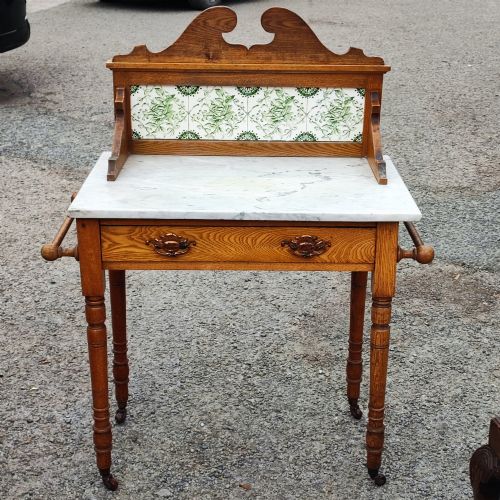
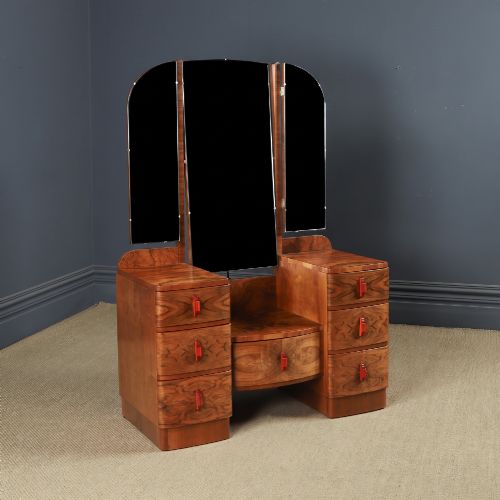
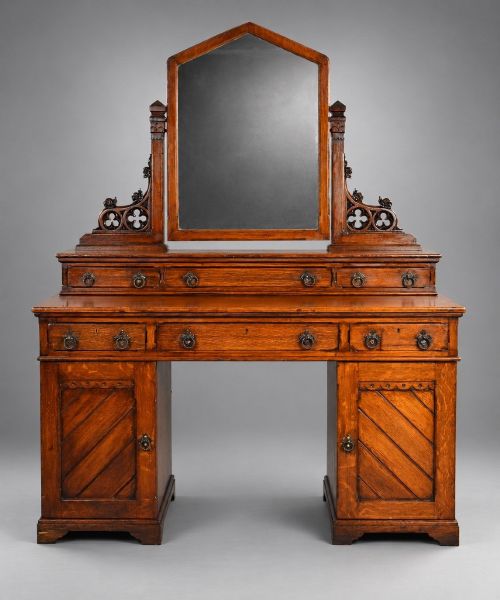
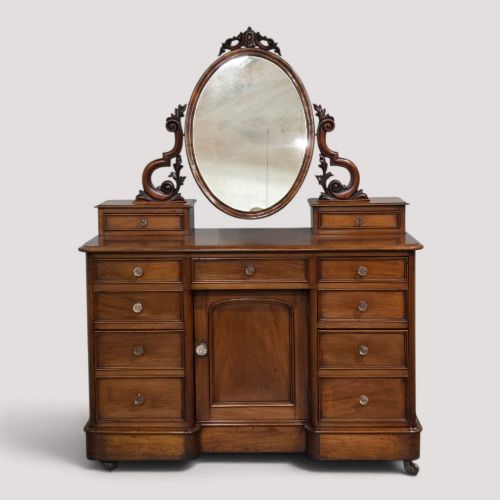
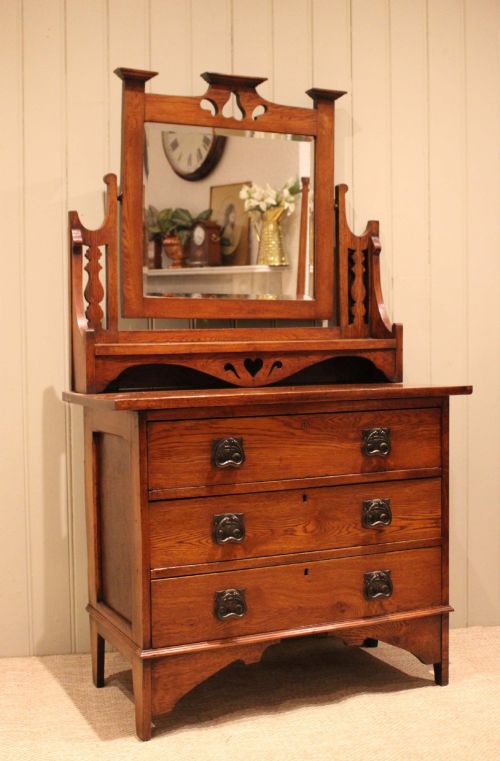
The selections on this page are dominated by Victorian and Edwardian examples in mahogany and pine, alongside Art Deco maple and oak designs from the nineteen-twenties and nineteen-thirties. You will frequently find washstands fitted with marble tops or dressing tables equipped with swing mirrors and multiple small drawers.
Earlier Georgian and Regency pieces appear alongside later Arts and Crafts and Cotswold School creations, showing how cabinet makers adapted these utilitarian furniture types across different decorative movements. Whether you select a rustic pine washstand or a polished burr walnut dressing table, each object brings period utility into a modern interior.
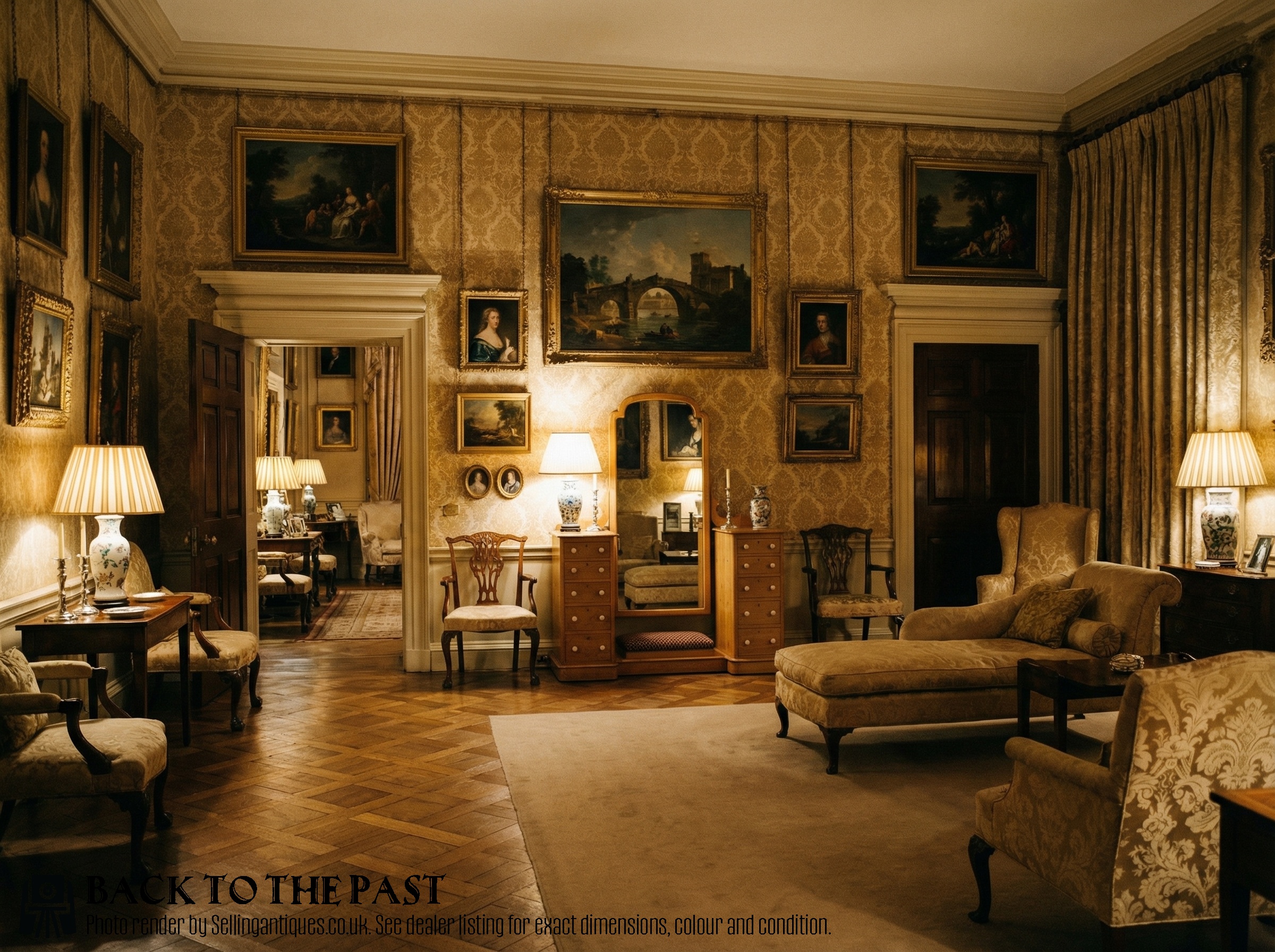
Materials and construction methods
Cabinet makers relied heavily on timbers like mahogany, walnut, oak, and pine, selecting dense hardwoods for formal dressing tables and resilient softwoods for washstands subjected to daily water use. Marquetry inlay, satinwood banding, and exotic veneers such as birdseye maple or burr walnut added decorative contrast to drawer fronts and tabletops.
Marble slabs provided durable, waterproof surfaces on washstands, paired frequently with ceramic basins or brass hardware. Joinery techniques involved traditional dovetailing in drawer construction and sturdy framing to support heavy stone tops and multi-tiered mirror assemblies.
Antique Vanity Unit Retail Price Guide 2026
Typical asking prices for vanity unit among the pieces listed under this phrase on Sellingantiques today, from the lower quarter to the upper quarter. They describe what is for sale here now, not the wider market.
Some washstands retain their original porcelain basins, whispering tales of Victorian morning routines before indoor plumbing took over.
Assessing craftsmanship and design
Quality in these pieces rests upon the selection of timber figure, the precision of inlay work, and the integrity of the structural joints. Superior examples exhibit finely matched veneers, subtle hand-carved details, and original brass or ceramic fittings that complement the proportions of the carcass.
Makers who supplied high-end retailers invested greater care in internal secondary woods, drawer linings, and the stability of pivoting mirror frames. Lesser pieces display simpler construction, plainer pine timbers, or later replacements of hardware and marble tops that alter the original character.
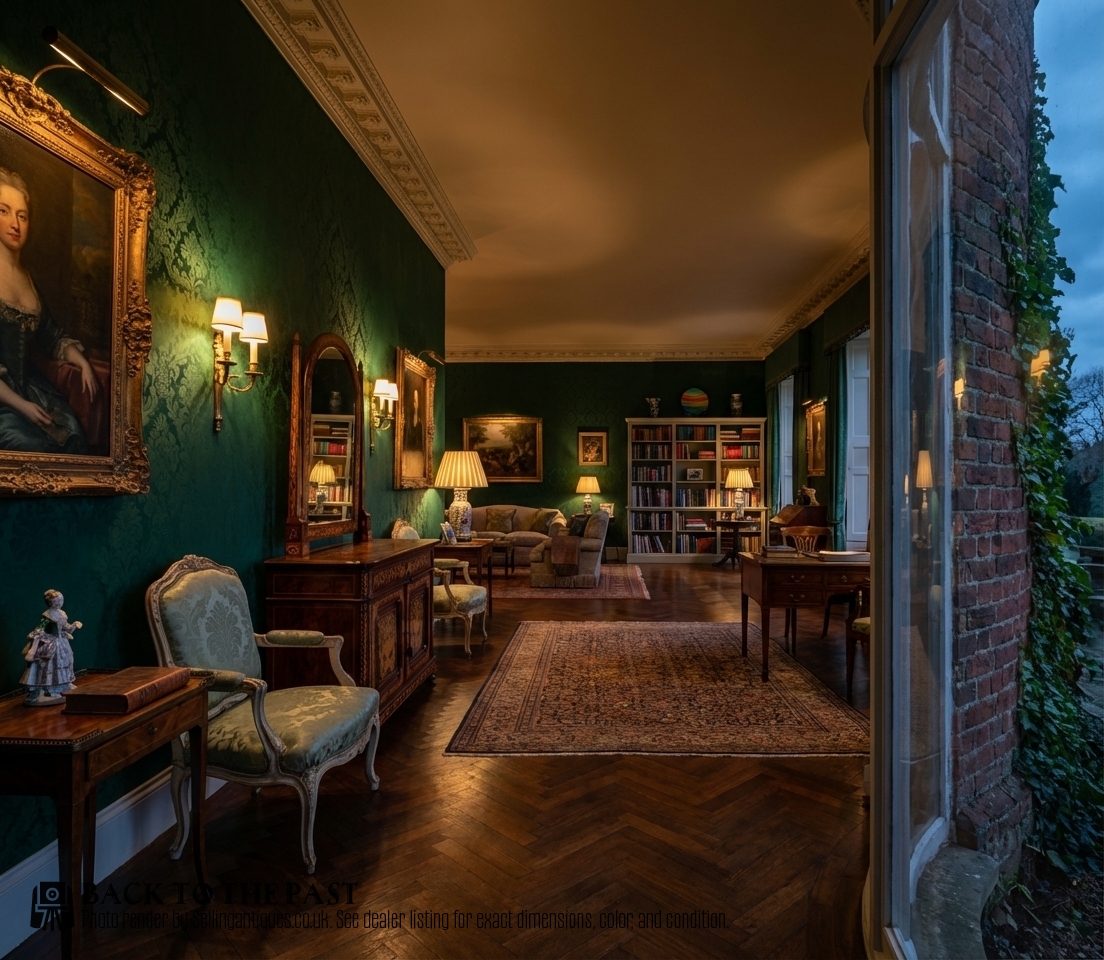
Edwards and Roberts·Heals·Harry and Lou Epstein·Shapland and Petter·Maurice Adams·Maple and Co·Harrods
The Antique Vanity Unit Glossary
- Washstand
- A piece of furniture designed to hold a basin, jug, and washing accessories. Many incorporate marble tops to protect the wood from water splashes.
- Dressing table
- A low table equipped with one or more drawers and an attached mirror for personal grooming. They often include smaller trinket drawers mounted on the top surface.
- Marquetry
- Decorative woodwork where pieces of veneer are fitted together to form pictorial or geometric patterns. Craftsmen used contrasting timbers like satinwood and mahogany to achieve this effect.
- Limed oak
- Timber treated with a specialised finish that leaves a white pigment in the open grain. This technique gained popularity during the Art Deco period.
- Campaign washstand
- A portable piece designed for travel or military use, typically featuring folding frames and compact dimensions. These items utilised durable hardwoods to withstand frequent transport.
Antique Vanity Unit: Frequently Asked Questions
What is the difference between a washstand and a dressing table?
A washstand was built for personal hygiene, featuring a stone or tile top to resist water and space for a basin and jug. A dressing table focused on grooming, incorporating drawers for cosmetics and a fixed or adjustable mirror.
While both fall under the broader category of vanity furniture, their original functions dictated their materials and internal layouts. Washstands prioritized moisture resistance, whereas dressing tables concentrated on surface display and storage.
How do I choose the right size for a modern bedroom?
Measure your available floor space carefully, remembering to account for the swing of cupboard doors or the pull-out depth of drawers. Consider whether you need surface space for daily items or primarily want a decorative focal point.
Compact Edwardian washstands or narrow Georgian tables suit smaller rooms, while pedestal dressing tables and bedroom suites require more expansive wall space to look properly proportioned.
Can I use an antique washstand as a bathroom basin unit?
Many buyers adapt marble-topped washstands into modern vanity units by plumbing a sink bowl through the existing surface or shelf space. The robust stone tops and solid timber frames lend themselves well to contemporary bathroom conversions.
When undertaking this, ensure proper sealing around the stone and wood junctions to protect the antique timber from modern plumbing moisture.
How do I care for marble and wood surfaces?
Clean wooden surfaces with a soft, dry cloth and apply occasional high-grade wax to nourish the grain without buildup. Avoid placing wet items directly onto polished mahogany or walnut veneers to prevent staining.
Marble tops require gentle cleaning with non-acidic soap and water to protect the stone from etching. Promptly wipe away spills to maintain the polished finish.
How do I identify the period of a vanity unit?
Examine the secondary woods inside the drawers, the style of the hardware, and the overarching design movement. Victorian pieces often feature heavy carved mahogany, while Edwardian examples show lighter inlaid satinwood and pine.
Art Deco and 1930s pieces display geometric lines, limed oak, or exotic veneers like birdseye maple. Cabinet construction methods also help narrow down the manufacturing decade.