
Carved Walnut Vanity
These carved walnut vanity pieces combine rich timber and traditional seating or dressing forms, giving any bedroom a touch of period elegance.
Carved Walnut Vanity
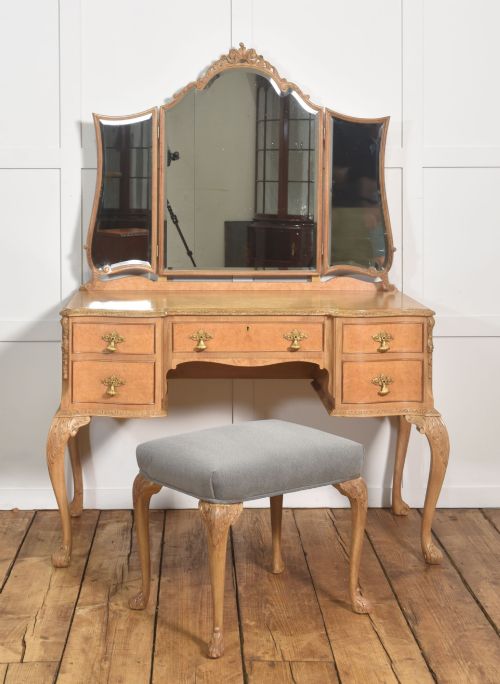
When you search for carved walnut vanity, you are looking at items designed for the dressing room or bedroom, spanning stools, dressing tables, desks, and mirrors. These pieces date across the Victorian era, the nineteenth century, and the early twentieth century, showing revival styles such as Queen Anne and Georgian alongside Art Deco designs.
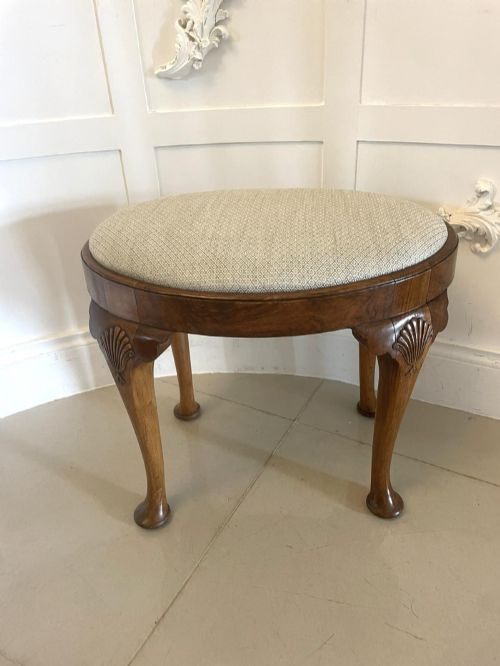
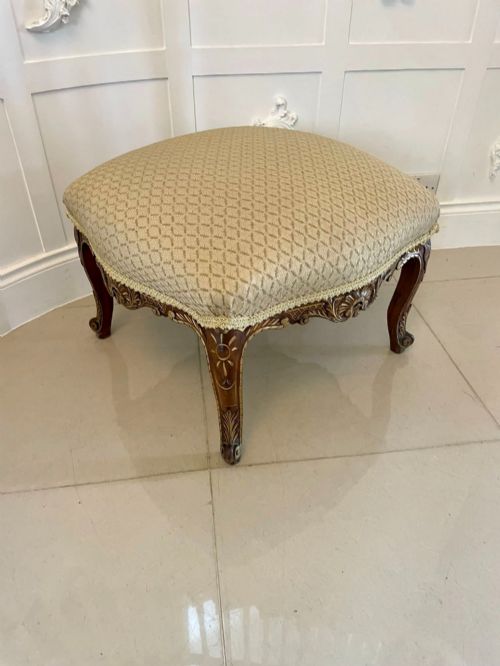
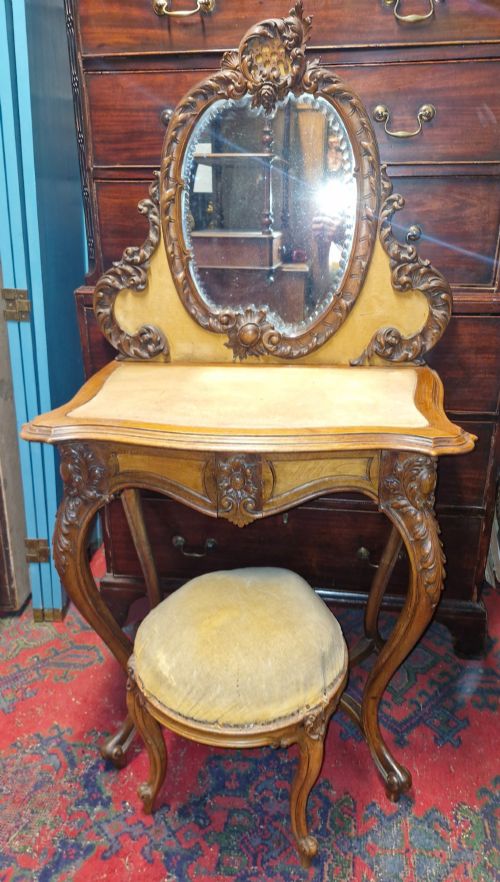
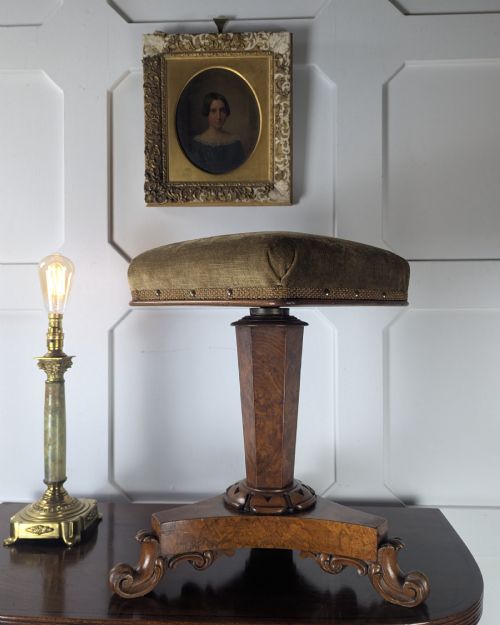
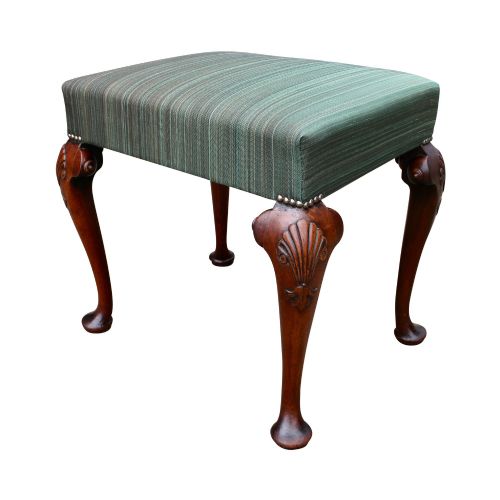
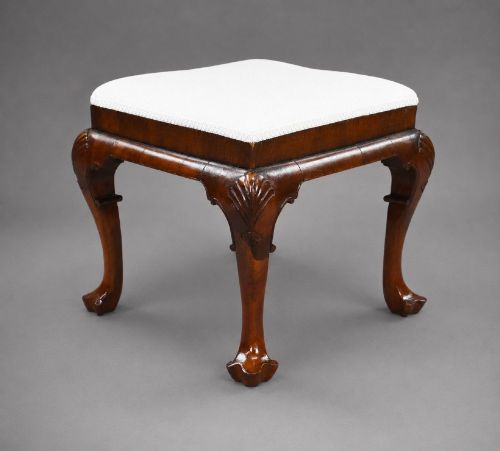
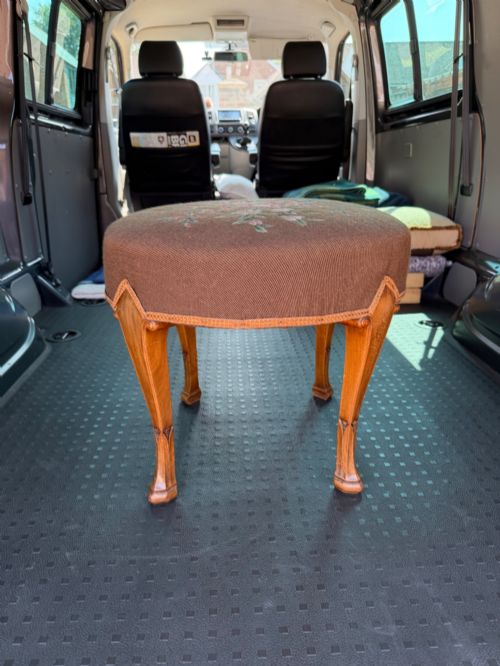
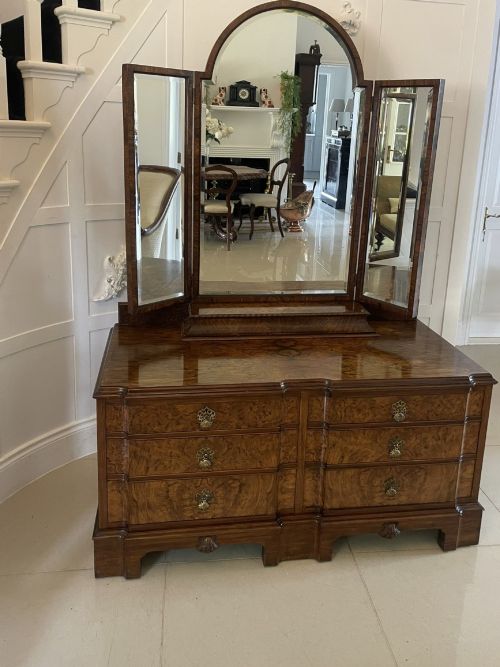
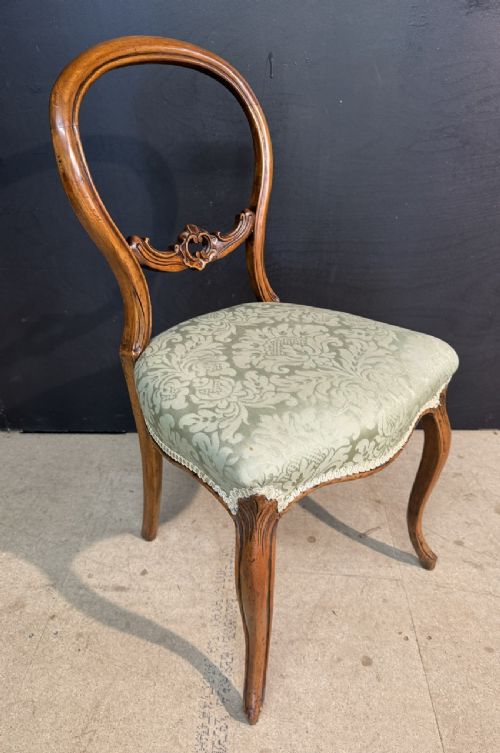
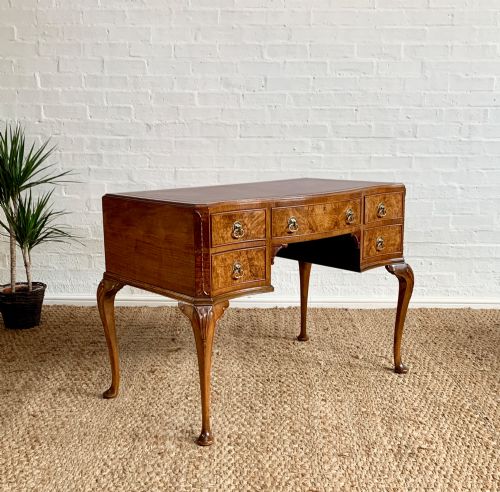
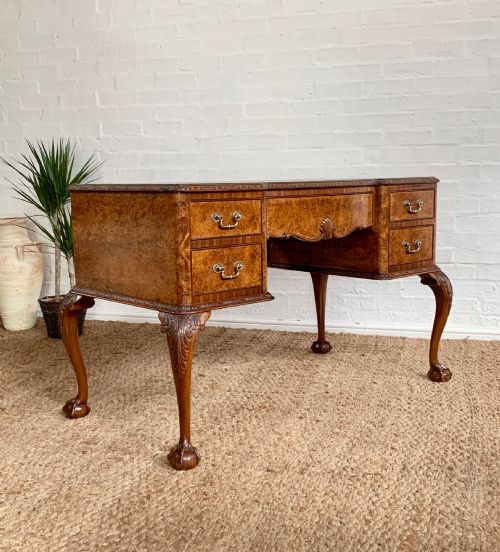
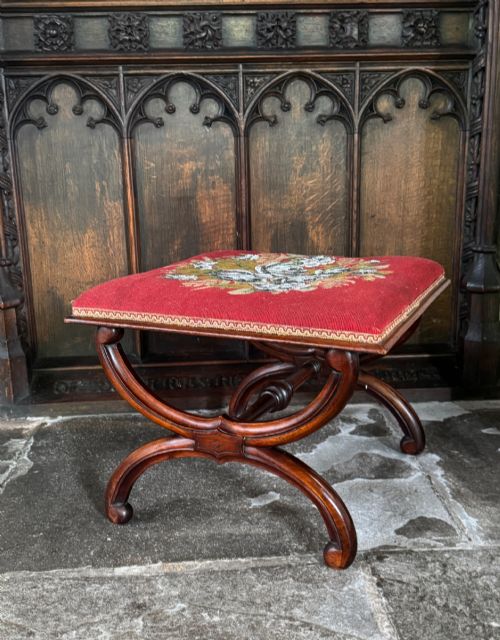
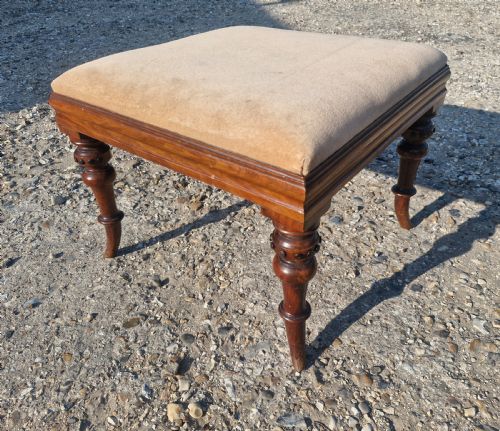
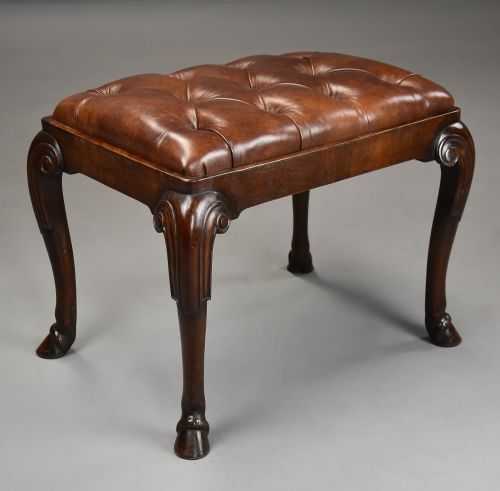
The version you are most likely to meet on this page is the walnut stool, often featuring carved cabriole legs, pad feet, and upholstered seats covered in fabric, velvet, or needlepoint. Alongside these seating forms, the selection includes dressing tables with mirrors, kneehole desks, and writing tables made in solid or burr walnut.
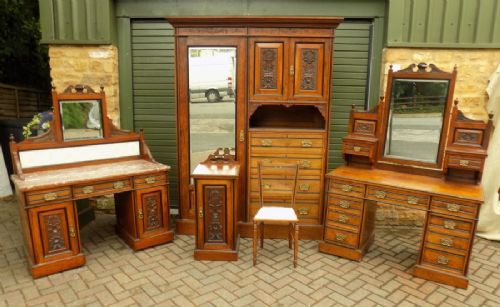
Makers and cabinetmakers utilised rich figuring in the timber, pairing walnut frames with brass hardware, glass mirror plates, and textile upholstery. The objects range from compact wall mirrors and footstools to large freestanding bedroom suite components.
What varies in quality
The standard of carving determines much of the distinction across these pieces, separating crisp, deeply undercut hand-chiselled ornamentation from flat or mechanical shaping. Pieces with well-proportioned cabriole legs and balanced scrollwork command greater attention from collectors.
Timber selection and veneer matching drive the hierarchy of value in walnut furniture. Highly figured burr walnut surfaces laid with symmetry contrast against plainer, straight-grained walnut boards used on simpler utilitarian items.
Originality of components, including matching mirror glass, period brass handles, and undisturbed timber patination, elevates an object above examples that have undergone heavy structural intervention or extensive component replacement.
Carved Walnut Vanity Retail Price Guide 2026
Typical asking prices for carved walnut vanity among the pieces listed under this phrase on Sellingantiques today, from the lower quarter to the upper quarter. They describe what is for sale here now, not the wider market.
One past piece featured tiny carved angels watching over the room from a Gothic vanity mirror frame.
Wylie and Lochhead Glasgow
The Carved Walnut Vanity Glossary
- Burr walnut
- A specialised timber veneer harvested from the irregular growths on walnut trees, prized for its swirling, highly figured grain patterns.
- Cabriole leg
- A furniture leg that curves outward in a convex arc before tapering inward in a concave sweep, commonly ending in a pad or claw foot.
- Kneehole desk
- A writing table featuring a central recess for the user's legs, flanked by pedestals of drawers on either side.
- Toilet mirror
- A small adjustable mirror mounted on a miniature chest or stand, historically placed upon a dressing table or vanity surface.
- Needlepoint
- A form of canvas work embroidery traditionally utilised for upholstering the drop-in seats of period stools and chairs.
Carved Walnut Vanity: Frequently Asked Questions
How do I date a walnut vanity table?
Dating a walnut vanity table involves examining the construction methods, drawer dovetails, hardware, and stylistic revival cues such as Queen Anne cabriole legs or Art Deco geometric lines.
Comparing the timber preparation and mirror plate bevelling against known Victorian, Edwardian, and twentieth-century manufacturing standards also helps narrow the period.
Where were these pieces used?
These items were primarily used in domestic bedrooms, dressing rooms, and boudoirs as functional furniture for personal grooming and writing.
Desks, tables, and mirrors provided surfaces for letter writing and cosmetic preparation, while matching stools offered seating during daily routines.
How do I care for antique walnut furniture?
Antique walnut requires stable indoor humidity away from direct sunlight and heat sources to prevent the timber and burr veneers from drying out or cracking.
Regular dusting with a soft, dry cloth and occasional application of appropriate furniture wax helps maintain the polished finish and natural patination.