


Late Victorian Dressing Table
A late victorian dressing table brings nineteenth-century craftsmanship into a modern bedroom with generous mirrors and fitted drawers.
Late Victorian Dressing Tables
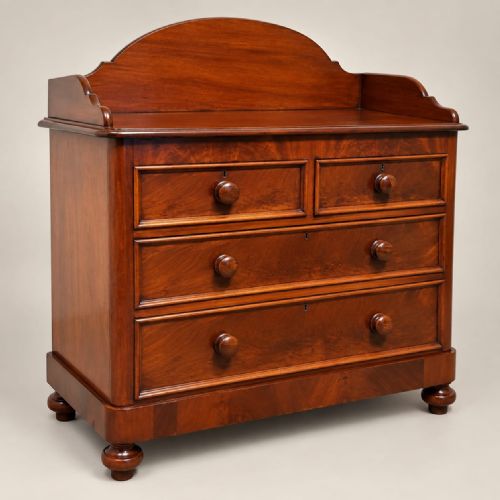
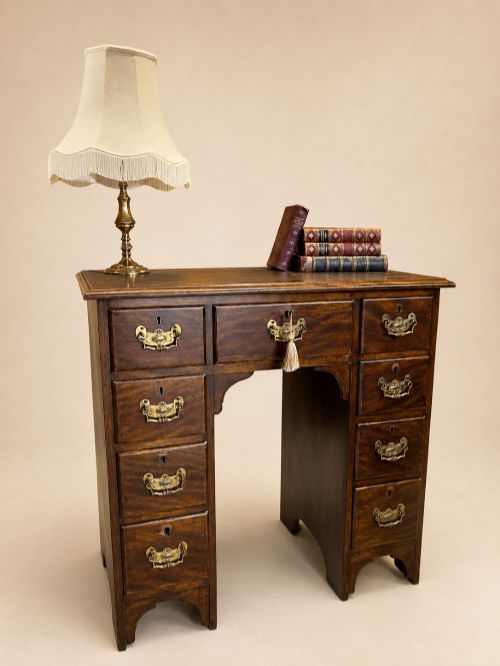
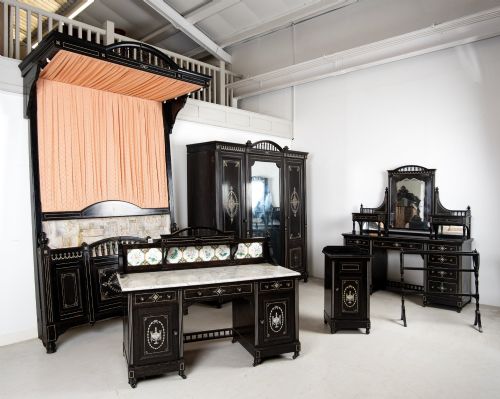
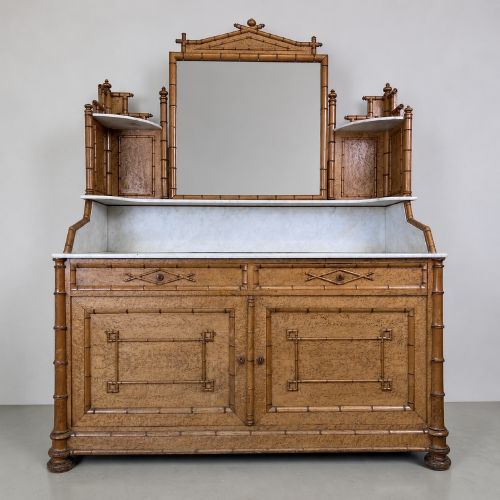
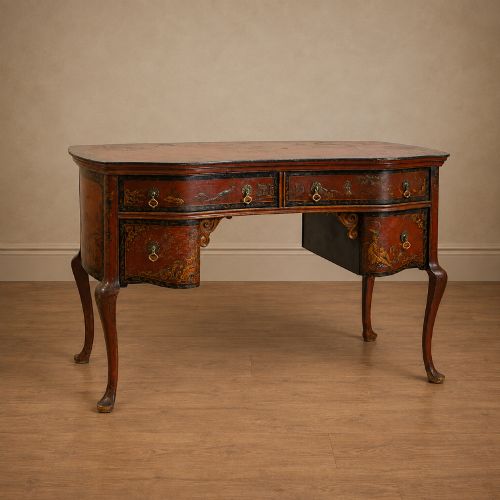
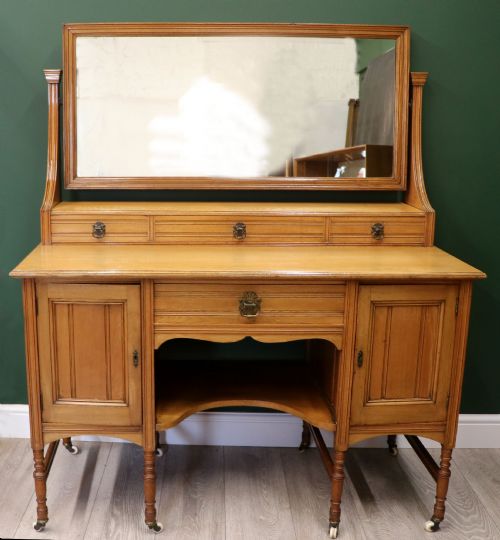
A late victorian dressing table represents the domestic furniture production of the late nineteenth century, encompassing distinct forms from simple swing-mirror toilets to elaborate duchess and kneehole pedestal models. These pieces emerge in styles ranging from standard Victorian to Arts and Crafts and Liberty-influenced designs.
Buyers encountering this phrase find both large pedestal dressing chests and compact tables with integrated mirrors. The variety spans functional bedroom furniture intended for daily grooming as well as decorative pieces featuring carved details and specialised storage.
Materials and Construction
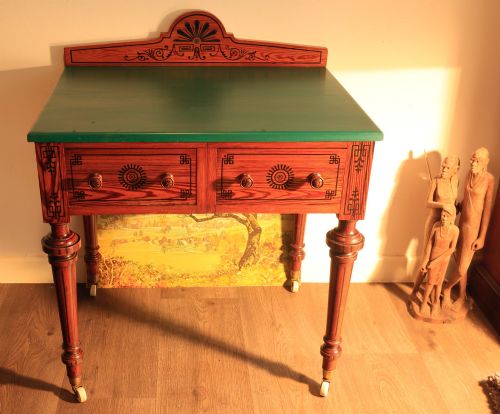
Cabinetmakers utilised a wide selection of timbers including mahogany, walnut, oak, satinwood, pine, and light walnut, frequently employing burr veneers and Hungarian ash for decorative grain patterns. Bone inlay and stencilled decoration appear on selected examples alongside glass mirrors and brass hardware.
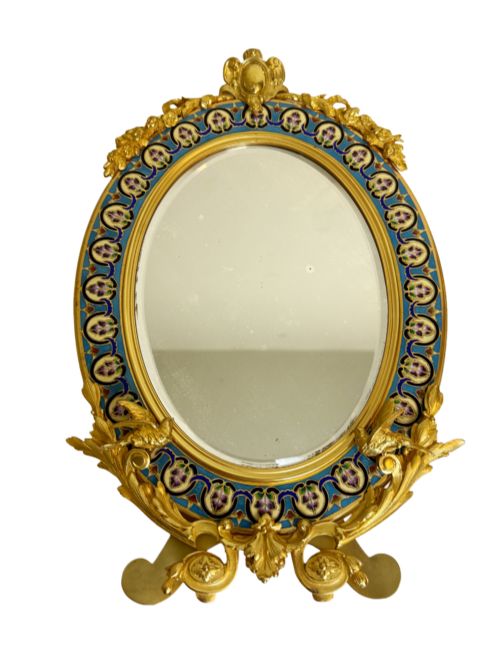
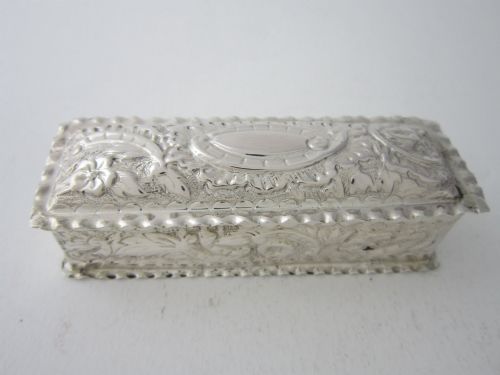
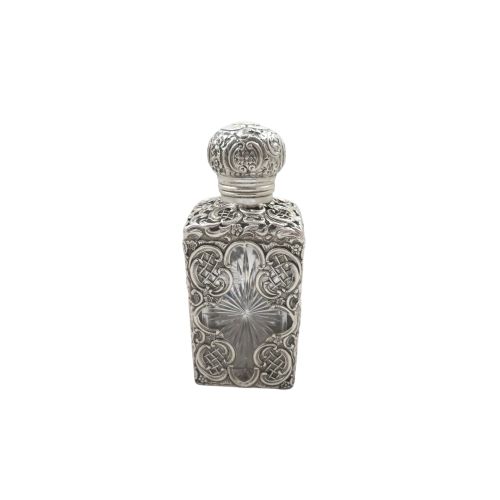
Construction methods combine solid timber framing with veneered surfaces, dovetailed drawer construction, and turned structural elements. Silver plating is found on associated dressing table mirrors and jars rather than the primary tables.
Retail Price Guide 2026
Typical UK retail prices for late victorian dressing table, calculated from the Sellingantiques database of over a million retail prices indexed since 2003. This retail price guide relies exclusively on Sellingantiques data; no external sources or auction records are used, so the figures do not describe the wider market.
The listings on this site record mahogany, walnut, oak, satinwood, and pine among the primary woods utilised by nineteenth-century makers.
Assessing Quality
Quality in these pieces rests upon the choice of timber and the sophistication of the veneer work, with burr walnut and figured mahogany sitting at a different level from utilitarian pine. The presence of original decorative elements, such as bone inlay, stencilled patterns, or carved duchess frames, elevates a piece above standard production.
The integration of the mirror assembly, whether a fixed duchess superstructure or a turned swing mirror, indicates the original design ambition. Maker attribution, such as signed pieces from recognised workshops, further separates standard regional furniture from higher-tier workshop output.
Harris Lebus·John Taylor of Edinburgh·William Comyns·Henry Matthews
The Late Victorian Dressing Table Glossary
- Duchess dressing table
- A grand dressing table style featuring a large attached mirror, often with smaller side drawers and a curved front. These were designed as elaborate ladies' dressing furniture.
- Swing mirror
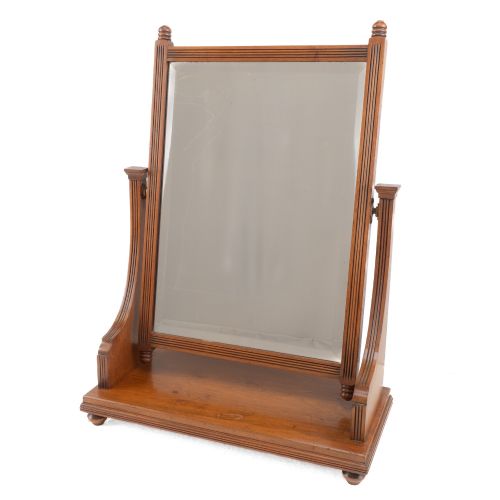
- A mirror suspended on pivoting side screws within a frame, allowing the glass to tilt. This mechanism is commonly mounted atop dressing tables or sits independently on a base.
- Kneehole pedestal
- A desk or dressing table configuration featuring two banks of drawers flanking a central open space for the knees. This layout provides substantial storage capacity.
- Satinwood
- A durable, lustrous yellowish timber native to India and Sri Lanka used for fine veneer and inlay work. It produces a reflective, satin-like surface finish.
- Bone inlay
- The technique of embedding small pieces of carved bone into wooden surfaces to create decorative geometric or floral patterns. It contrasts sharply with dark rosewood or mahogany.
Frequently Asked Questions
What is a duchess dressing table?
A duchess dressing table is a grand nineteenth-century form characterised by a large central mirror and an arrangement of small trinket drawers on the surface.
These pieces were typically built for ladies' bedrooms, offering substantial mirror glass and surface space for grooming accessories.
How do I care for a walnut dressing table?
Walnut surfaces benefit from dusting with a dry, soft cloth and occasional treatment with appropriate furniture wax to nourish the grain.
Keep wooden furniture away from direct sunlight and radiators to prevent the timber and veneers from drying out or splitting.
Are mirrors original to these tables?
Many late nineteenth-century tables retain their original swing mirrors or attached superstructure frames, though mirrors were occasionally replaced over time.
Examining the wood oxidation, backboards, and mounting brackets helps determine if the mirror glass and frame match the age of the base.
What is the difference between Arts and Crafts and standard Victorian styles?
Arts and Crafts pieces emphasise plain oak construction, exposed joinery, and simpler lines reflecting the ideals of handcraftsmanship.
Standard Victorian and duchess models often feature darker polished mahogany or burr walnut, elaborate carvings, and decorative turned supports.