

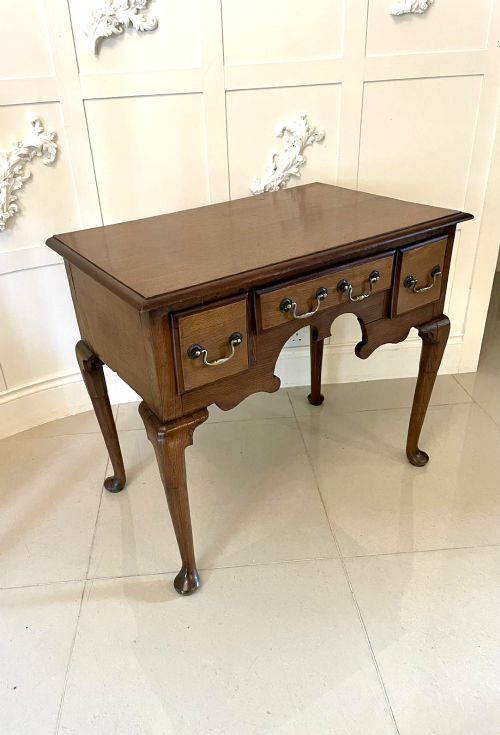
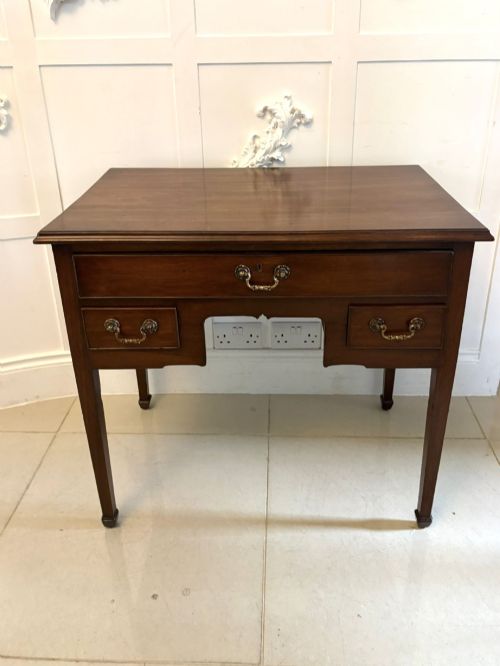
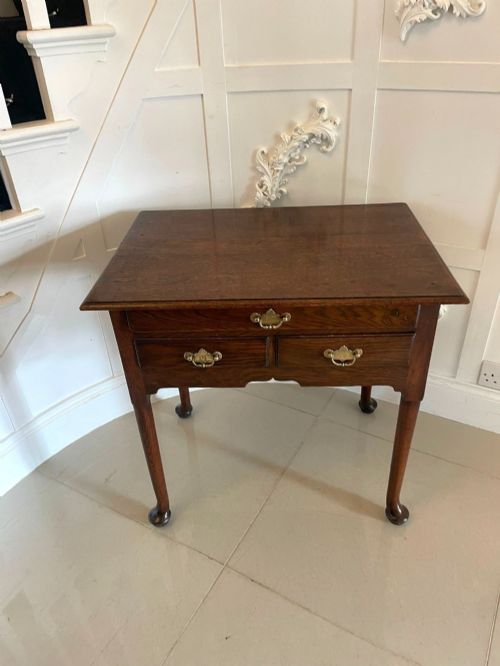
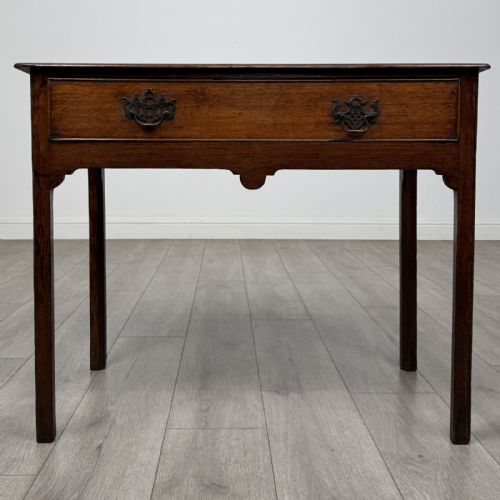
Brown Oak Dressing Table
A brown oak dressing table brings warm figured grain and deep patination to a bedroom, offering practical surface space alongside enduring historical character.
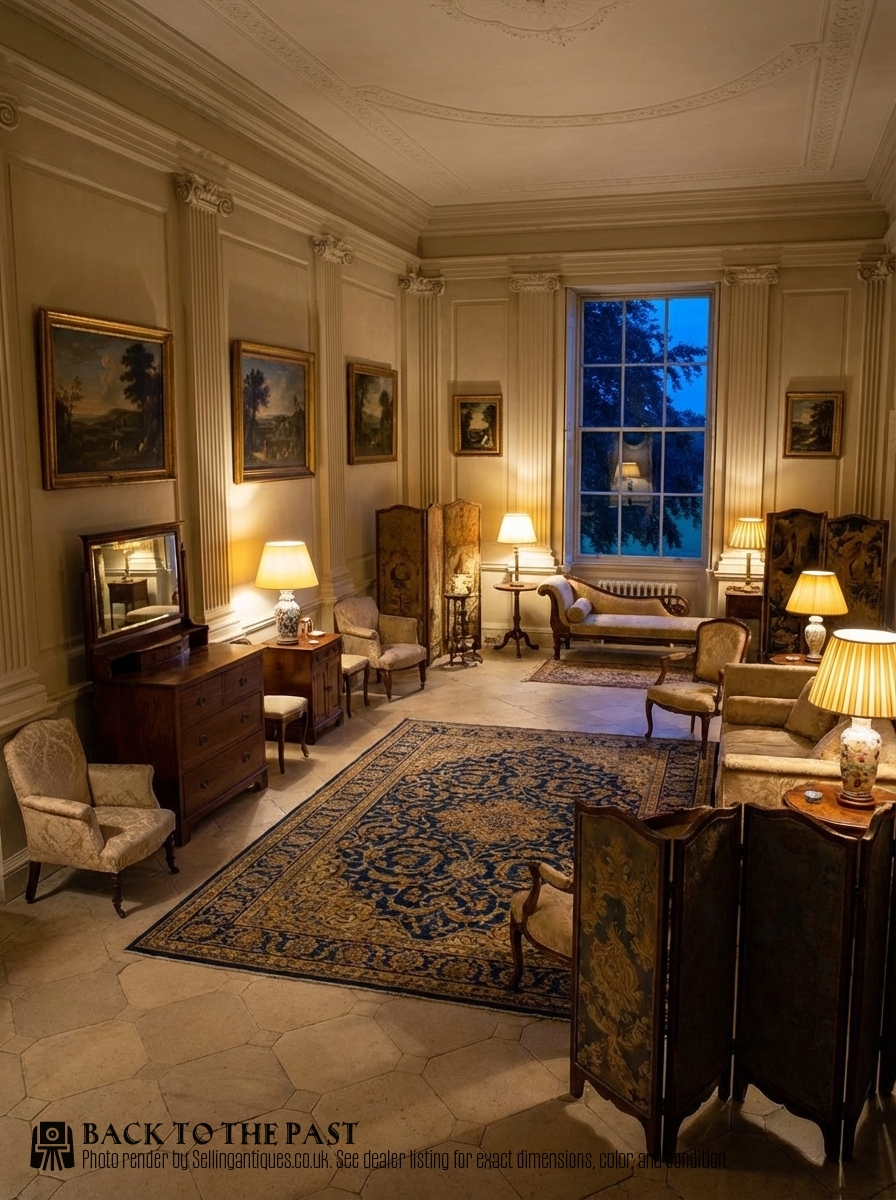
Brown Oak Dressing Table
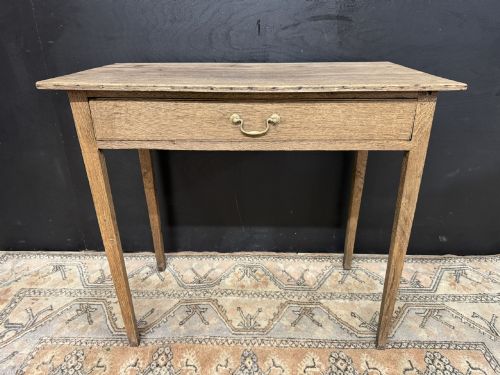
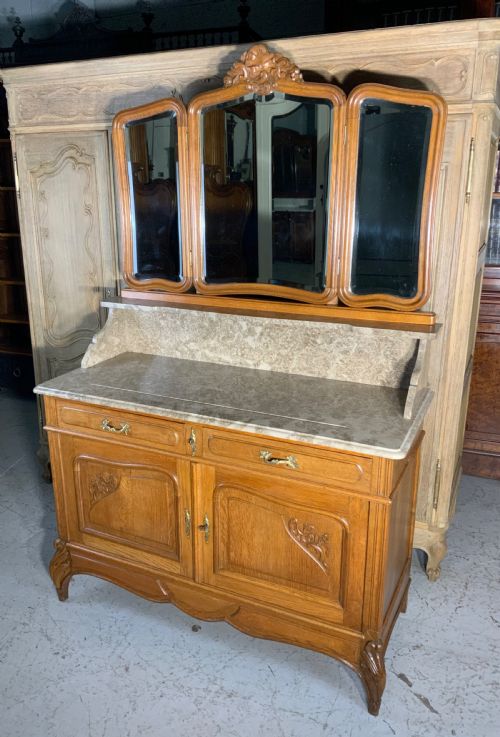
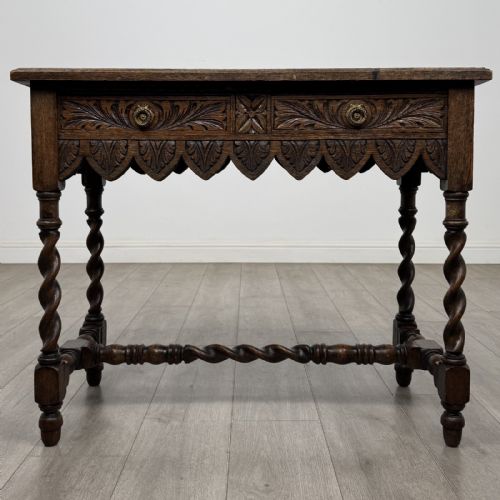
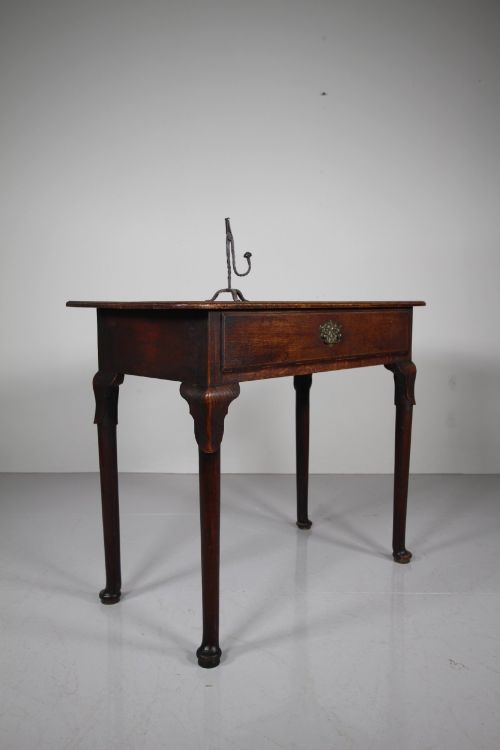
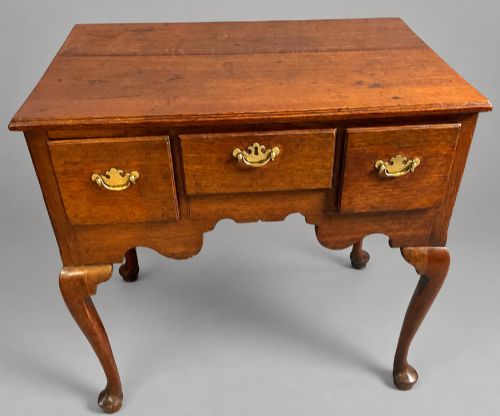
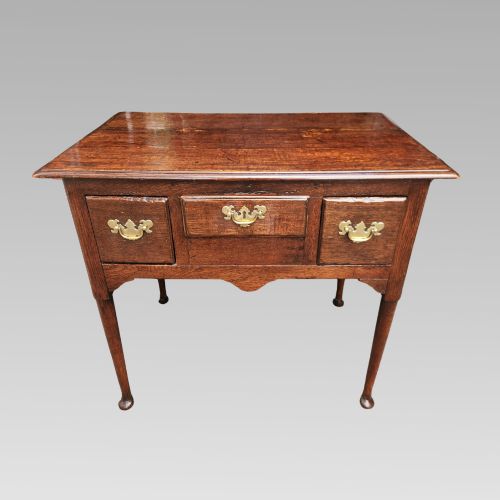
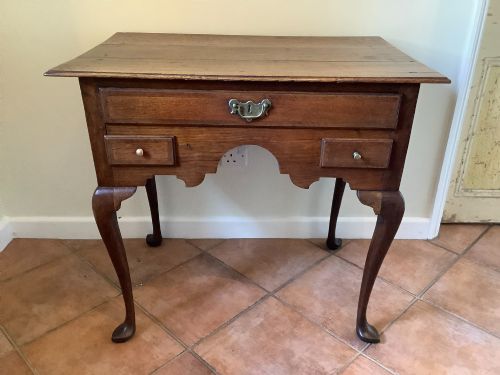
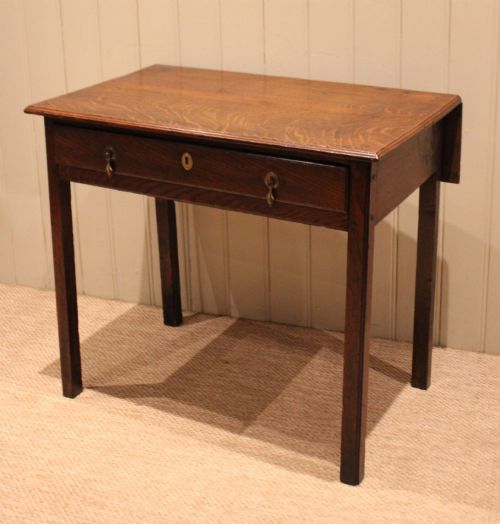
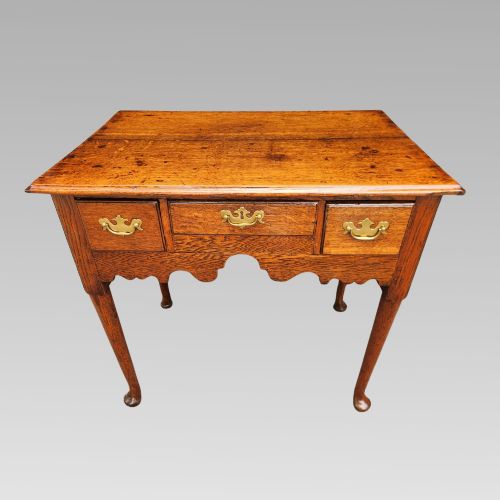
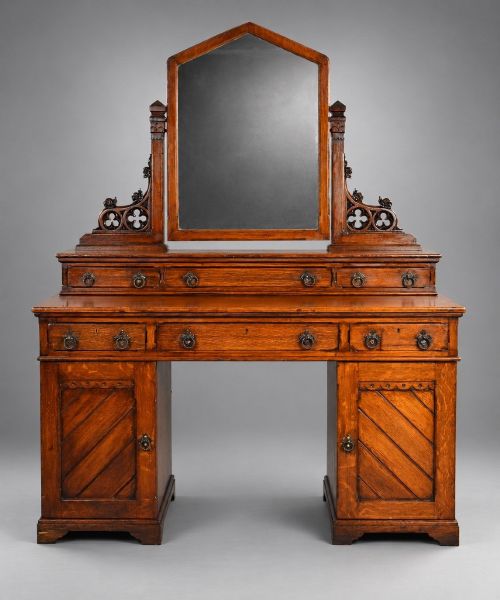
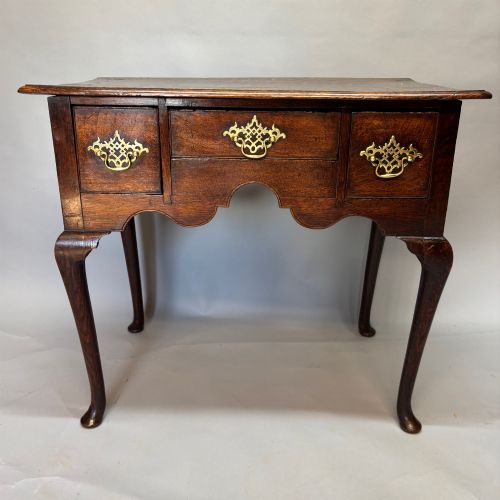
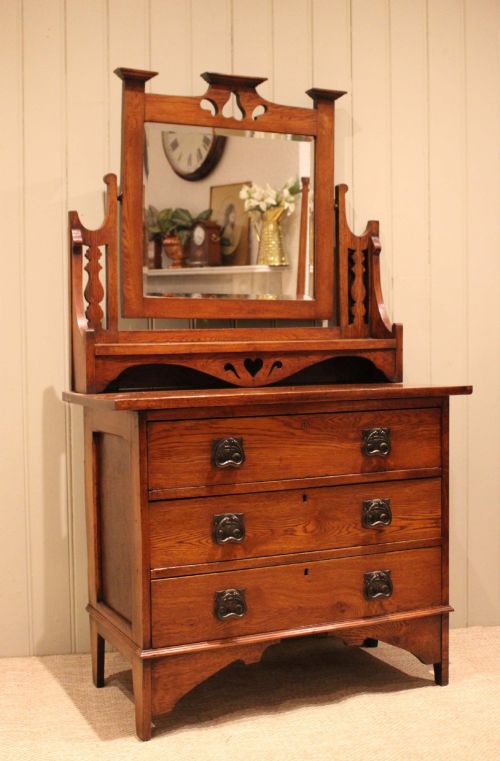
When you search for a brown oak dressing table, you encounter practical furniture designed for personal grooming and writing, often taking the form of lowboys, side tables, and desks adapted over time. The examples you meet on this page span the eighteenth century, Georgian period, and Edwardian era through to the nineteen-thirties.
The material character shifts from the rich, dark tones of early Georgian pieces to lighter Edwardian interpretations and twentieth-century variations. Makers utilised the distinctive hue of brown oak, complemented occasionally by walnut, brass handles, and leather inserts.
Many items function equally well as console tables, writing desks, or small drawer units, reflecting how past owners repurposed domestic furniture. The selection includes lowboys featuring multiple drawers alongside upright dressing table chests.
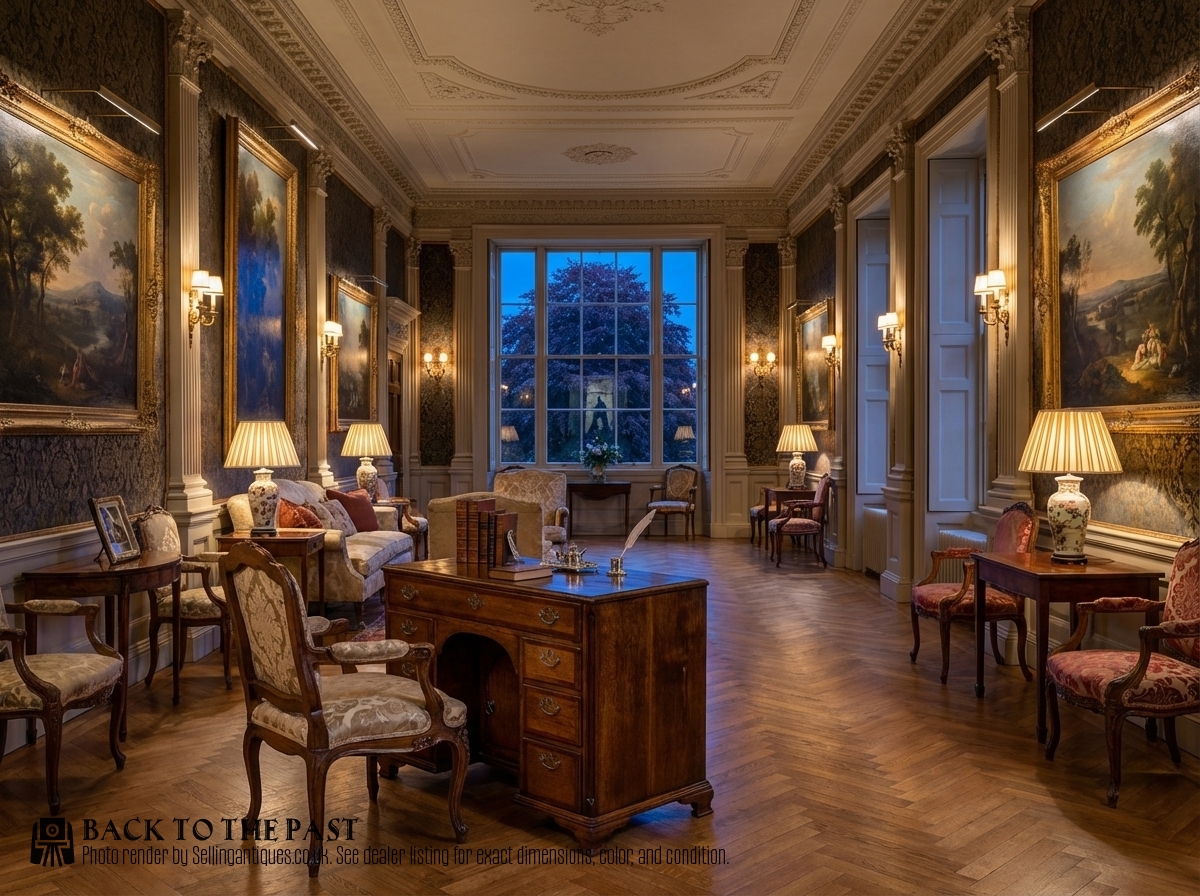
What varies in quality
The standard of a piece depends heavily on the crispness of the timber's figuring and the retention of original brass hardware. Pieces retaining their authentic period handles and unblemished timber surfaces sit at the upper end of the scale.
Proportion and structural integrity also dictate worth, as cleaner lines on Georgian lowboys command greater attention than heavily altered later examples. The refinement of the drawer linings and the depth of the patination reveal the care invested by the original maker.
Brown Oak Dressing Table Retail Price Guide 2026
Typical asking prices for brown oak dressing table among the pieces listed under this phrase on Sellingantiques today, from the lower quarter to the upper quarter. They describe what is for sale here now, not the wider market.
Listings feature oak alongside walnut, brass, leather, and ceramic elements across periods spanning the seventeenth century to the nineteen-thirties.
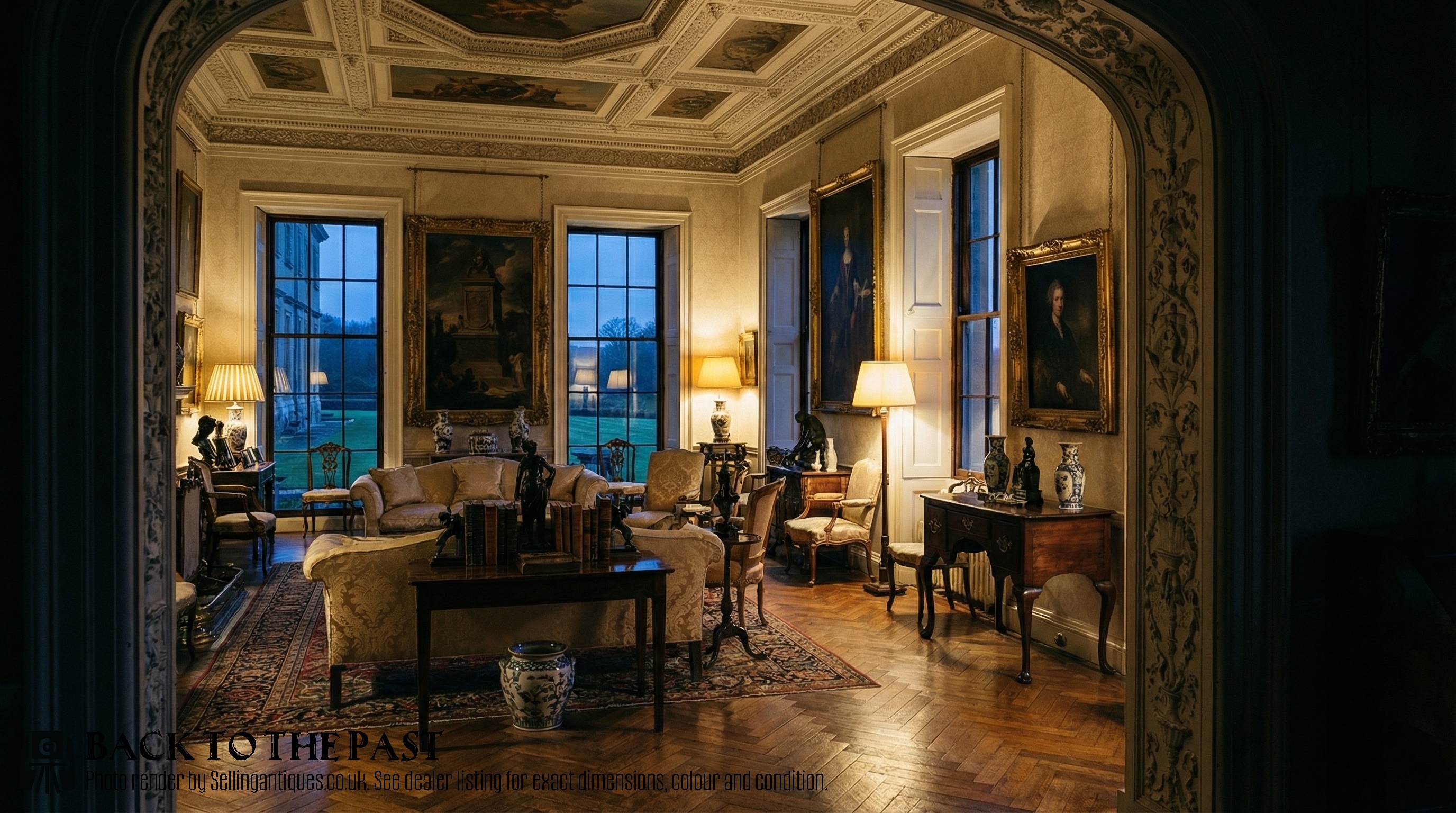
The Brown Oak Dressing Table Glossary
- Lowboy
- A small table with drawers, typically used as a dressing table or side table during the eighteenth century. They usually stand on four slender legs and feature one to three drawers beneath the top surface.
- Patination
- The deep, lustrous surface sheen developed by timber over decades of handling, exposure to light, and polishing. It serves as a primary indicator of age and authenticity.
- Feather banding
- A delicate decorative inlay technique where veneer strips are cut and laid in a V-shape pattern around drawer edges. This ornamentation appears on finer walnut and oak case pieces.
- Dresser base
- A heavy, functional table with multiple drawers originally used for food preparation or storage in country houses. Many survive today functioning as large side tables or serving consoles.
- Console table
- A table designed to stand flat against a wall, frequently supported by decorative brackets or legs. They provide compact surface space in hallways and reception rooms.
Brown Oak Dressing Table: Frequently Asked Questions
How do I date an oak dressing table?
Dating relies on examining construction methods, drawer dovetails, and timber characteristics. Earlier pieces from the eighteenth century display hand-cut joinery and deep patination.
Later Edwardian and twentieth-century examples exhibit machine-sawn elements and lighter oak finishes. Hardware styles also shift from cast brass batwing pulls to simpler wooden knobs over time.
Can I use a lowboy as a dressing table?
Lowboys serve admirably as dressing tables because their proportions and drawer layouts match the functional demands of daily grooming. They offer convenient storage for small personal items beneath a compact writing surface.
Pairing a lowboy with a small stool creates a traditional dressing arrangement that fits comfortably in modern bedrooms.
What is brown oak?
Brown oak is a naturally occurring variant of common oak where the heartwood has been infected by a specific fungus, turning the timber a deep, rich chocolate brown. This coloration creates striking contrast and highly decorative grain patterns.
Cabinet makers prized this distinct timber for creating visually arresting statement furniture.
How do I care for antique oak furniture?
Maintain antique oak surfaces by dusting regularly with a soft, dry cloth and avoiding direct sunlight or excessive heat sources. These precautions prevent the timber from drying out and cracking.
Applying a traditional beeswax polish occasionally helps nourish the wood and preserves the historical patination without building up heavy chemical residues.