


Early Georgian Side Table
An early georgian side table brings practical surface space and architectural timber work directly into a room.
What an early georgian side table is
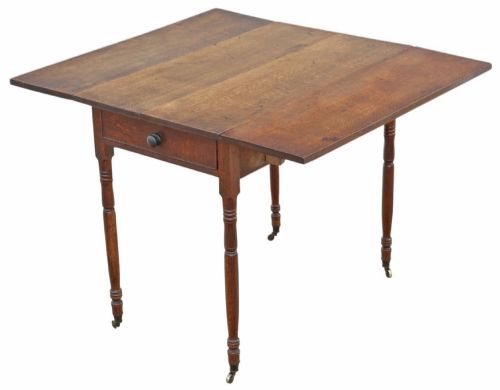
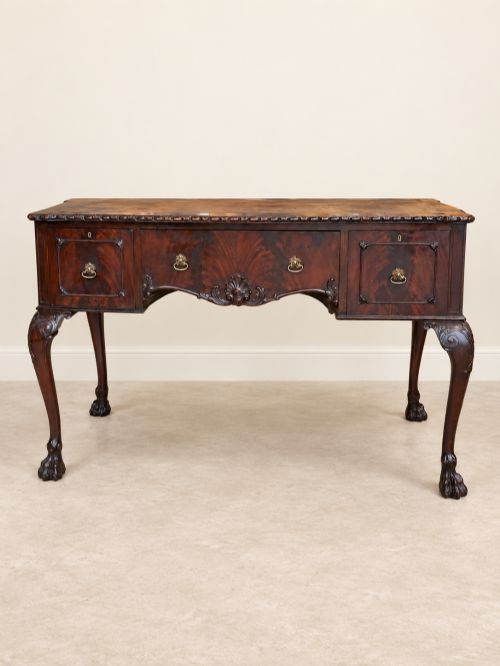
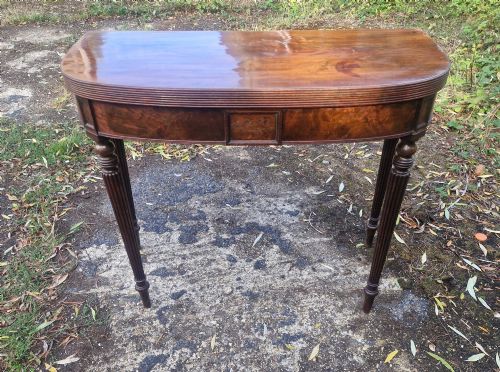
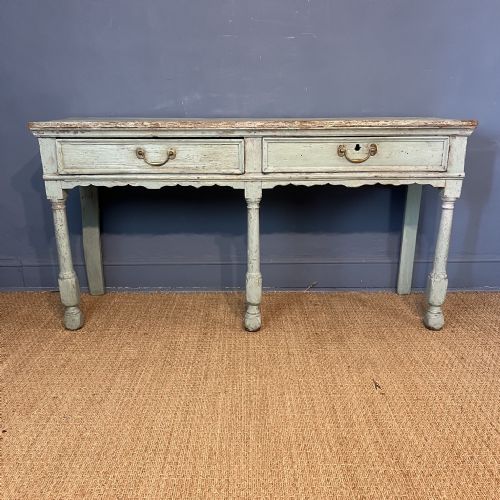
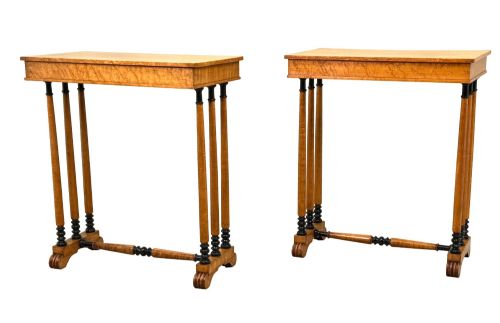
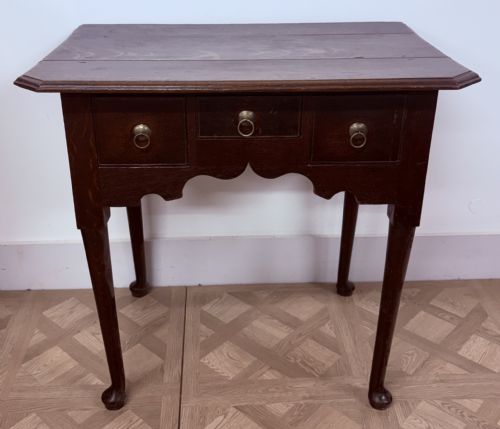
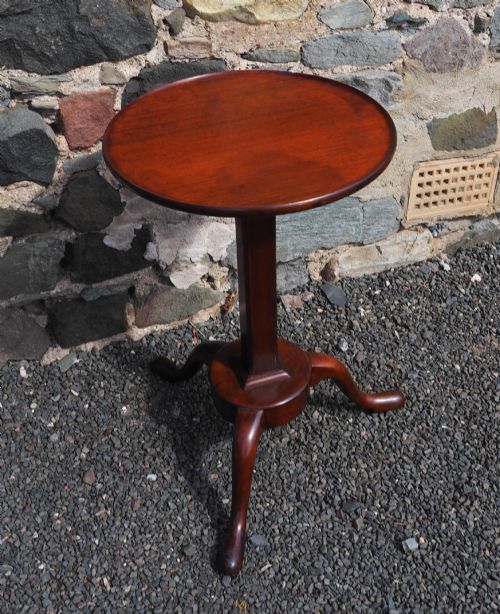
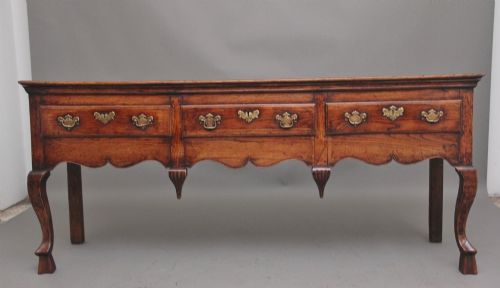
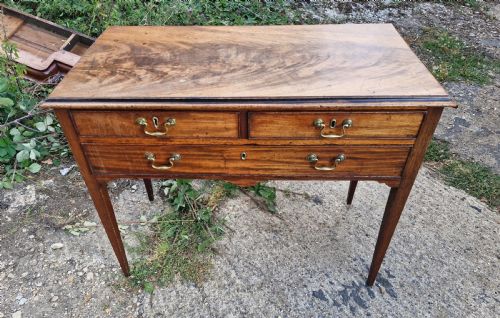
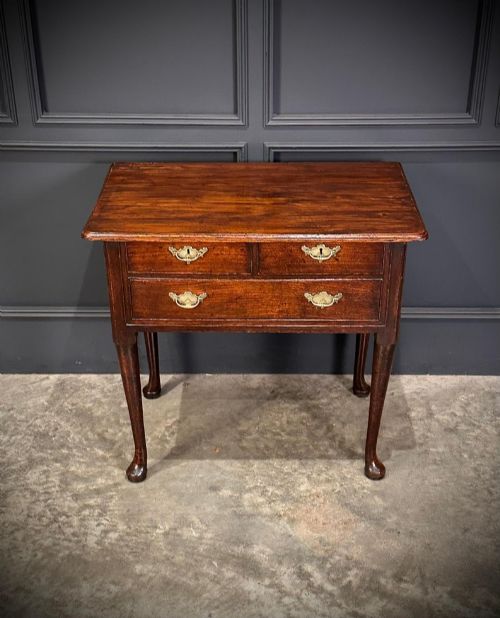
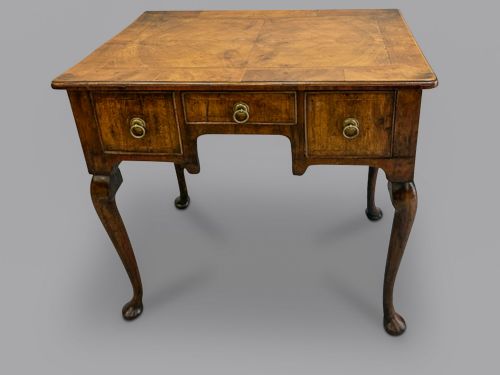
An early georgian side table stands as a functional piece of domestic furniture originating from the eighteenth century, encompassing lowboys, occasional tables, and games tables. The forms frequently feature single drawers, shelves, or drop leaves supported by legs that transition from pad feet to cabriole designs.
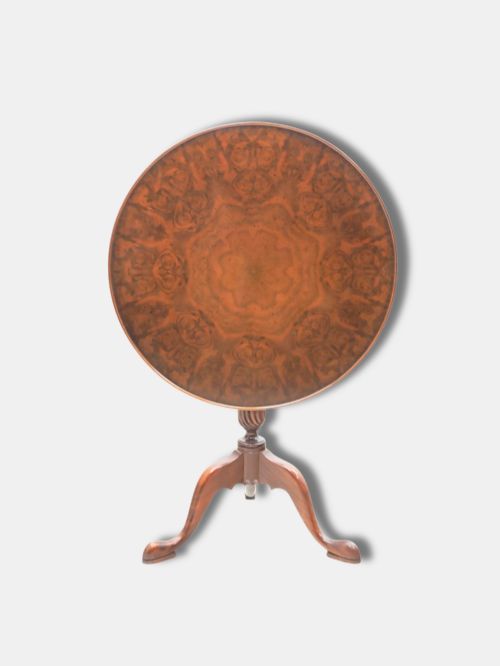
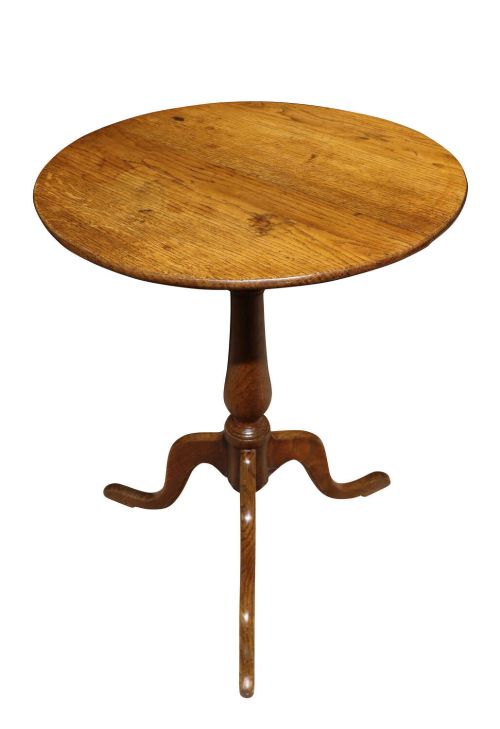
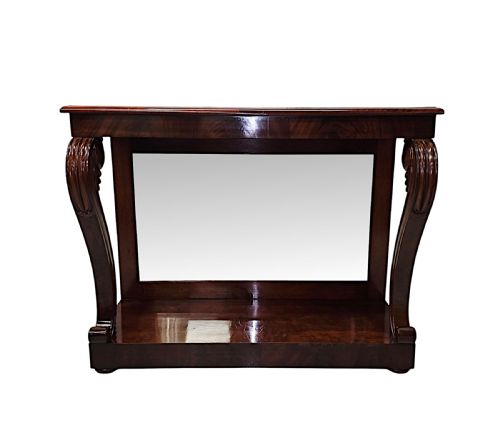
Oak and walnut dominate the earliest examples from around seventeen hundred, while mahogany appears in pieces dated closer to seventeen fifty. Buyers regularly encounter country oak variants alongside more refined walnut and mahogany versions equipped with folding tops or fitted interiors.
Materials and construction
Cabinet makers utilised solid timber construction, employing oak and elm for country pieces and figured walnut or mahogany for metropolitan commissions. Brass handles and drawer pulls completed the hardware on pieces built with integrated drawers.
Joinery methods involved traditional pegged joints and hand-cut dovetails on drawer construction. Surfaces display the natural grain of the timber, finished through traditional polishing techniques rather than modern synthetic coatings.
Retail Price Guide 2026
Typical UK retail prices for early georgian side table, calculated from the Sellingantiques database of over a million retail prices indexed since 2003. This retail price guide relies exclusively on Sellingantiques data; no external sources or auction records are used, so the figures do not describe the wider market.
Country oak tables often retain the honest tool marks of the village carpenter who built them by hand over three centuries ago.
Differences in quality
Quality rests upon the choice of timber figure, such as highly grained walnut veneers or dense figured mahogany, compared to plain utility oak. The sophistication of the leg joinery and the crispness of carved details on cabriole legs separate standard regional work from finer metropolitan pieces.
Originality of components defines the standing of a table, distinguishing items retaining their initial brass hardware, timber backs, and drawer linings from those with extensive replacement parts.
The Early Georgian Side Table Glossary
- Lowboy
- A small dressing table or side table with one or more drawers and cabriole legs. These low tables were standard bedroom or hall furniture during the early eighteenth century.
- Cabriole leg
- A furniture leg that curves out and then in, resembling the shape of an animal's leg. This style came to prominence during the Queen Anne and early Georgian periods.
- Pad foot
- A simple foot shape where the leg terminates in a flattened circular or oval pad resting directly on the floor. It appears frequently on early oak and walnut country furniture.
- Drop leaf
- A hinged flap at the side of a table top that can be raised and supported by a swinging leg. This mechanism allows the surface area to expand when needed.
Frequently Asked Questions
Where did they put these tables?
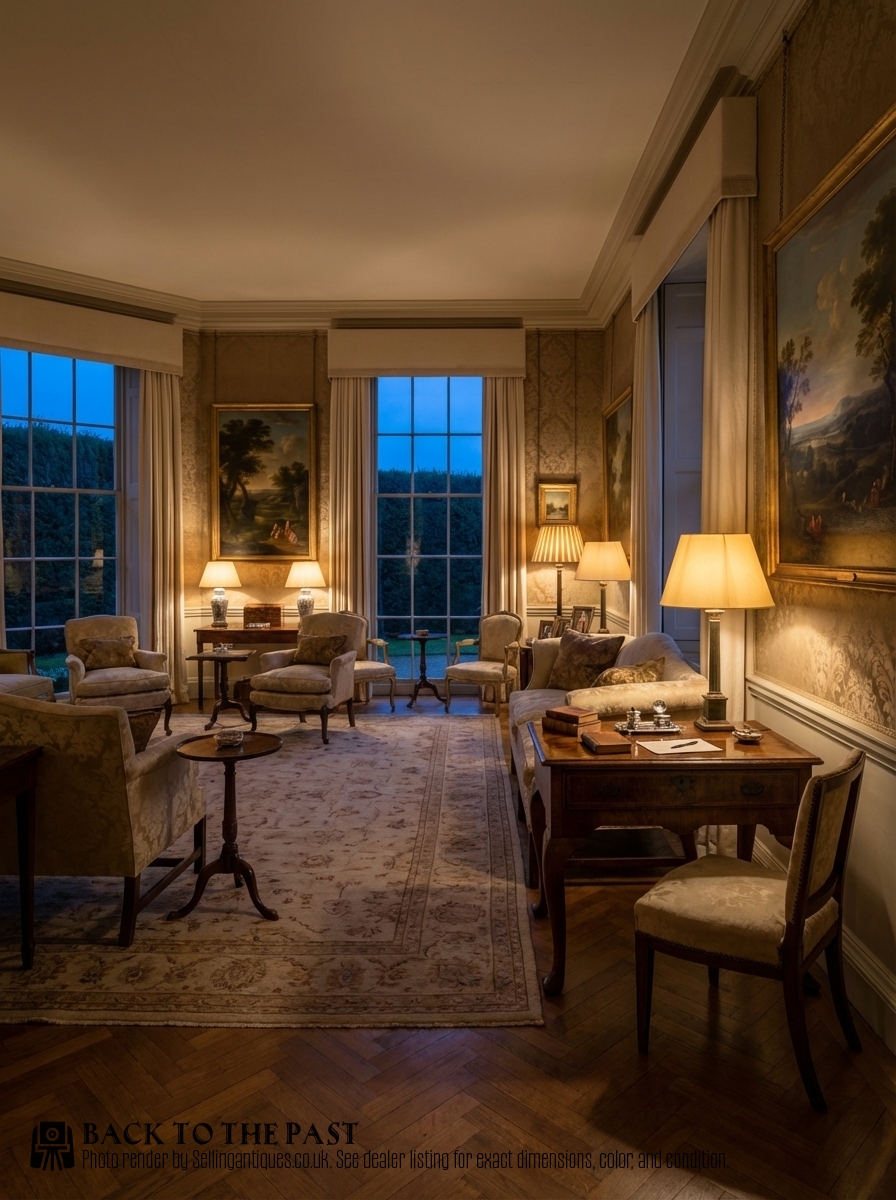
These tables served various domestic functions in hallways, parlours, and bedrooms. They held lamps, writing materials, or served as small serving surfaces.
In larger rooms, drop leaf or games versions provided flexible surface areas for card playing or social activities.
Are all these tables from seventeen hundred?
The pieces span the eighteenth century, with dates ranging from seventeen hundred through to seventeen fifty and beyond. Certain later pieces adopt the style while dating from the nineteenth century.
Examining the timber construction, joinery, and hardware helps determine whether a piece belongs to the early Georgian era proper.
Can I use one as a desk?
Certain examples function adequately as writing desks, particularly side tables or lowboys with sufficient knee clearance beneath the drawer. Their compact proportions suit modern rooms where space is limited.
Checking the height and drawer depth ensures the table accommodates comfortable seating.