

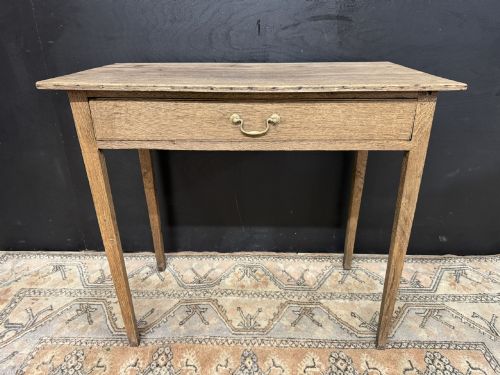
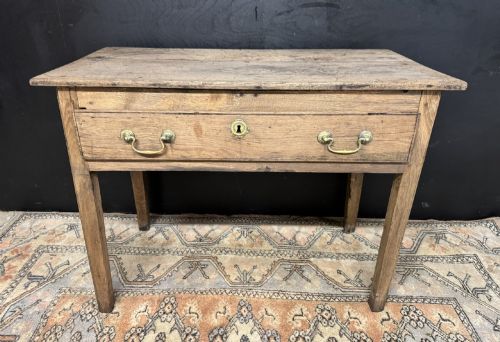
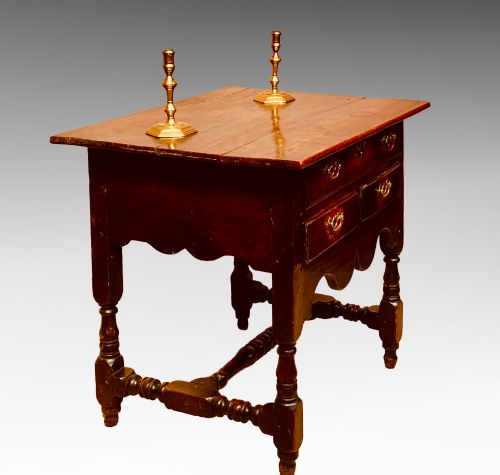
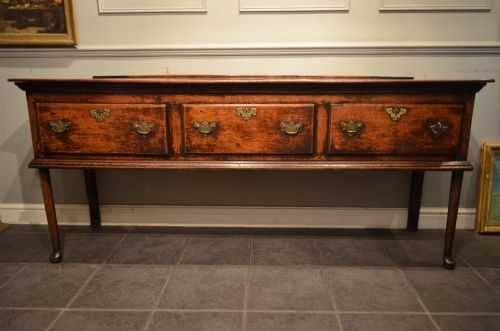
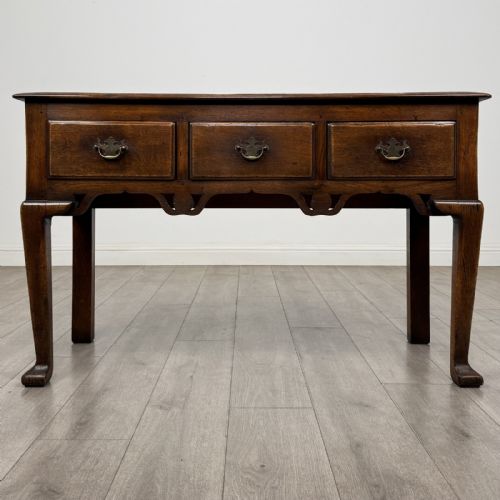
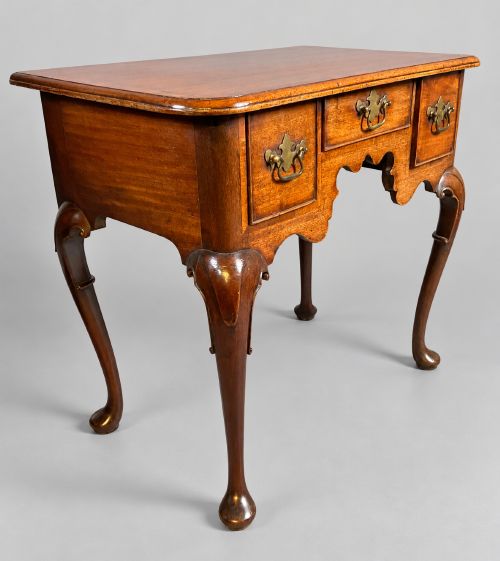
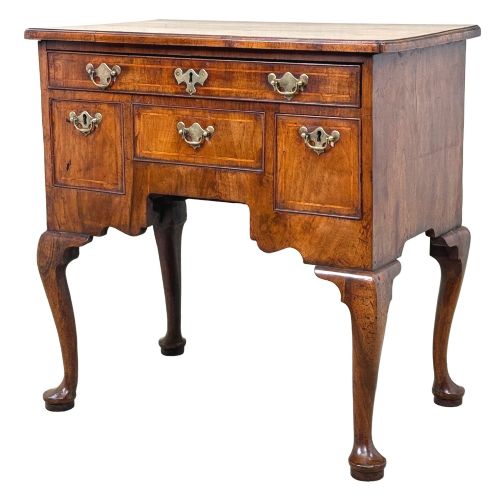
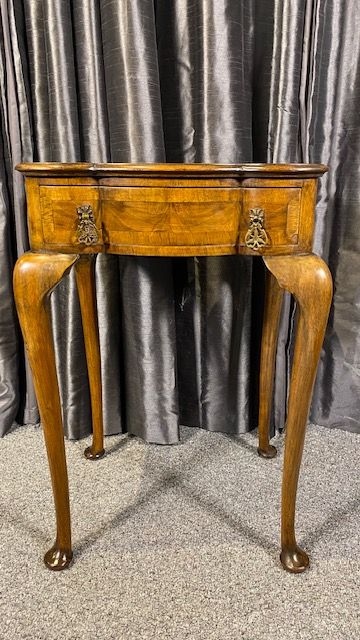
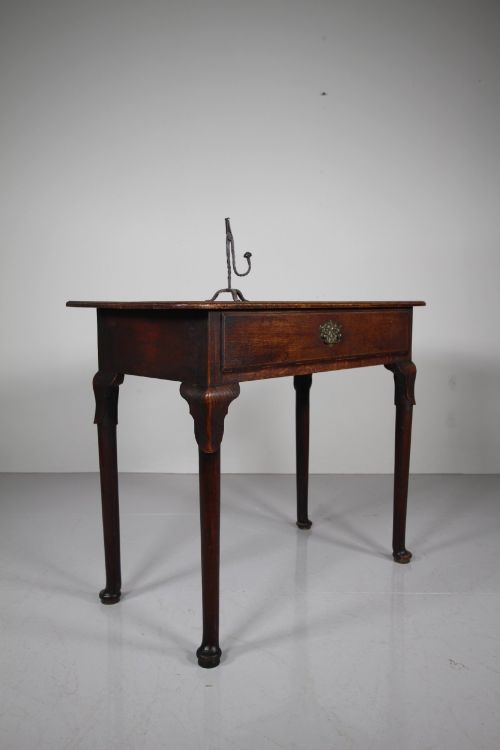
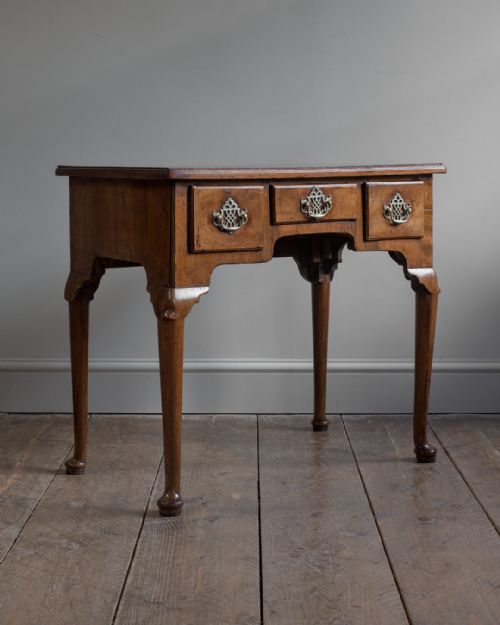
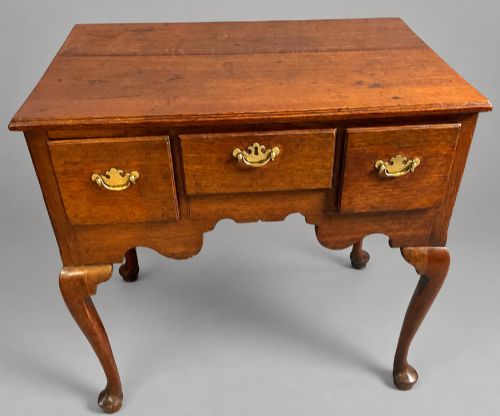
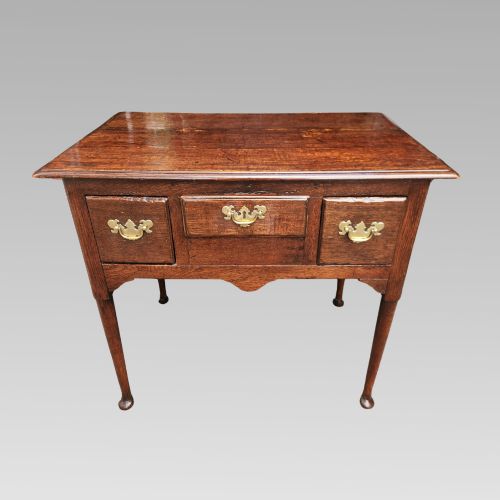
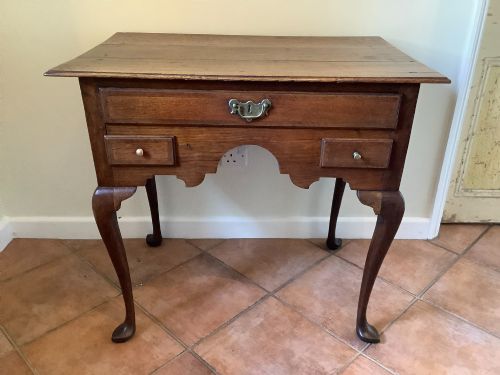
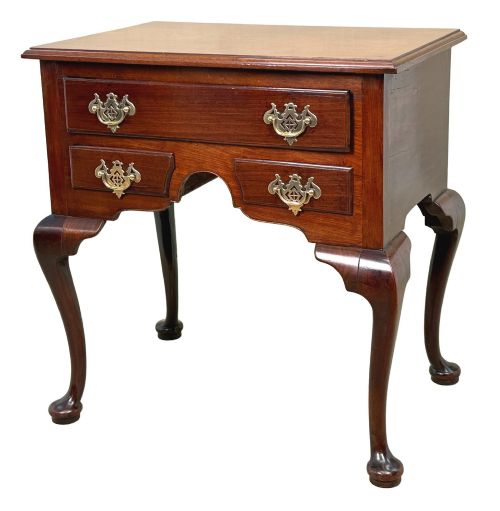
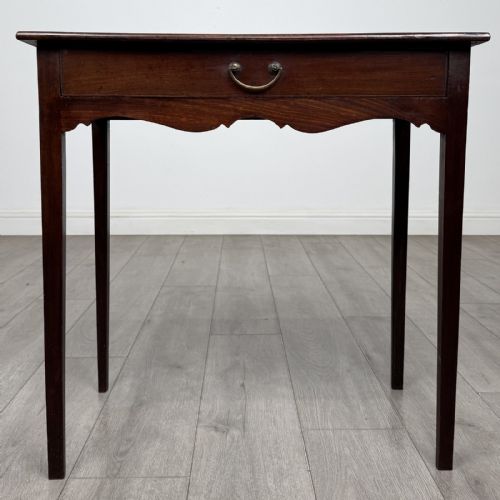
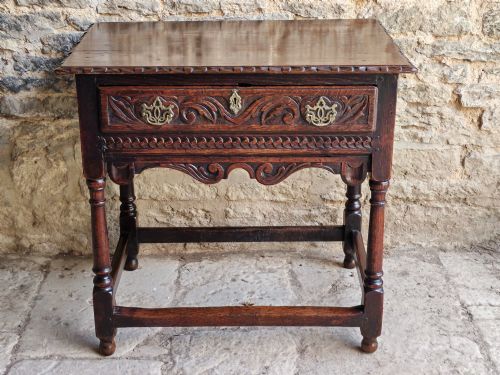
18th Century Lowboy Table
When you search for 18th century lowboy table, you step into a world of compact, elegant dressing and side tables with deep historical utility.
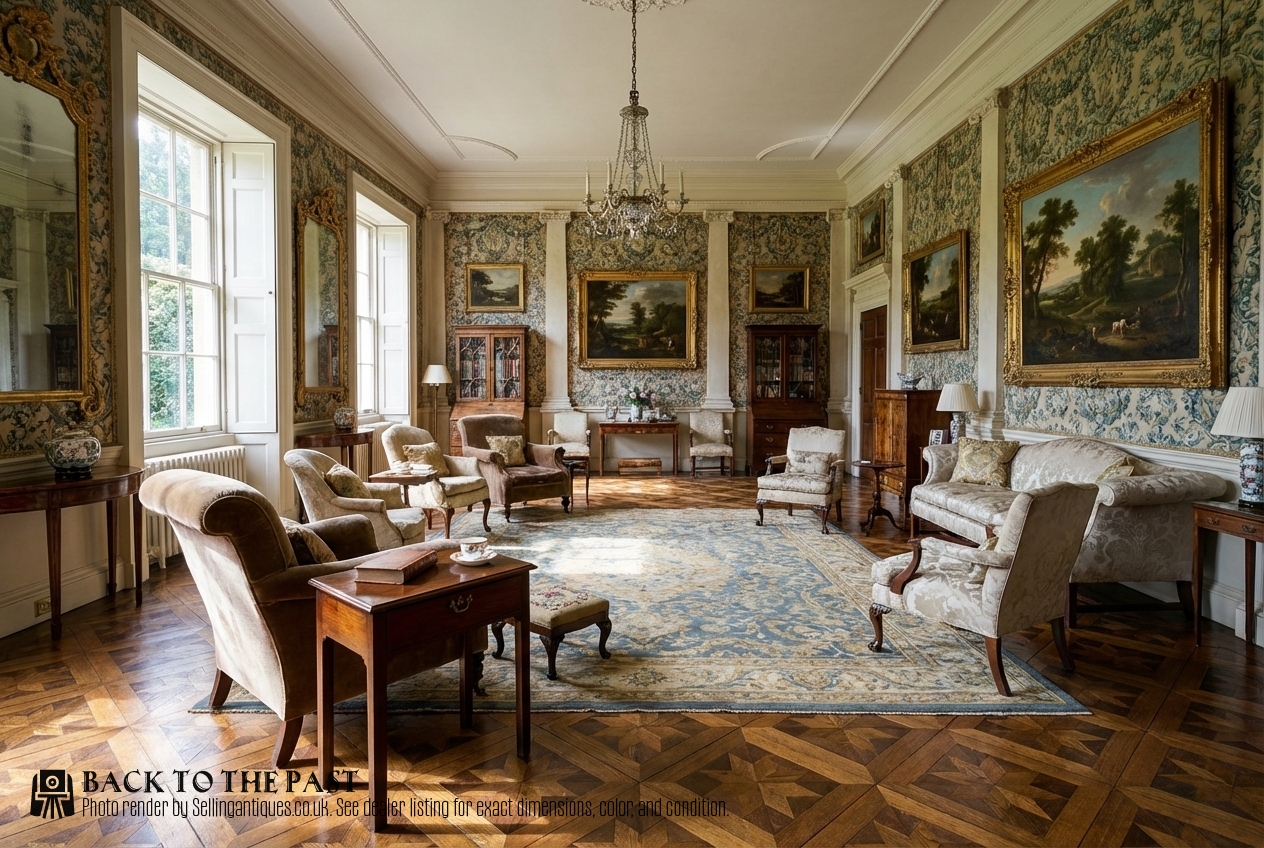
18th Century Lowboy Table
The pieces listed under an 18th century lowboy table search combine the compact utility of a dressing table with the refined proportions of period side tables. You are most likely to encounter sturdy timber constructions featuring single or multiple drawers beneath a polished top.
The selections span the Queen Anne, George I, George II, and George III eras, often appearing alongside related side tables and dresser bases. Oak and mahogany dominate the offerings, occasionally joined by walnut, yew, elm, and fruitwood variants.
These lowboys frequently bridge domestic spaces, serving historically as writing surfaces, dressing tables, or hall lamps tables. The survivals show diverse regional craftsmanship, including distinct Welsh country-made pieces alongside urban Georgian designs.
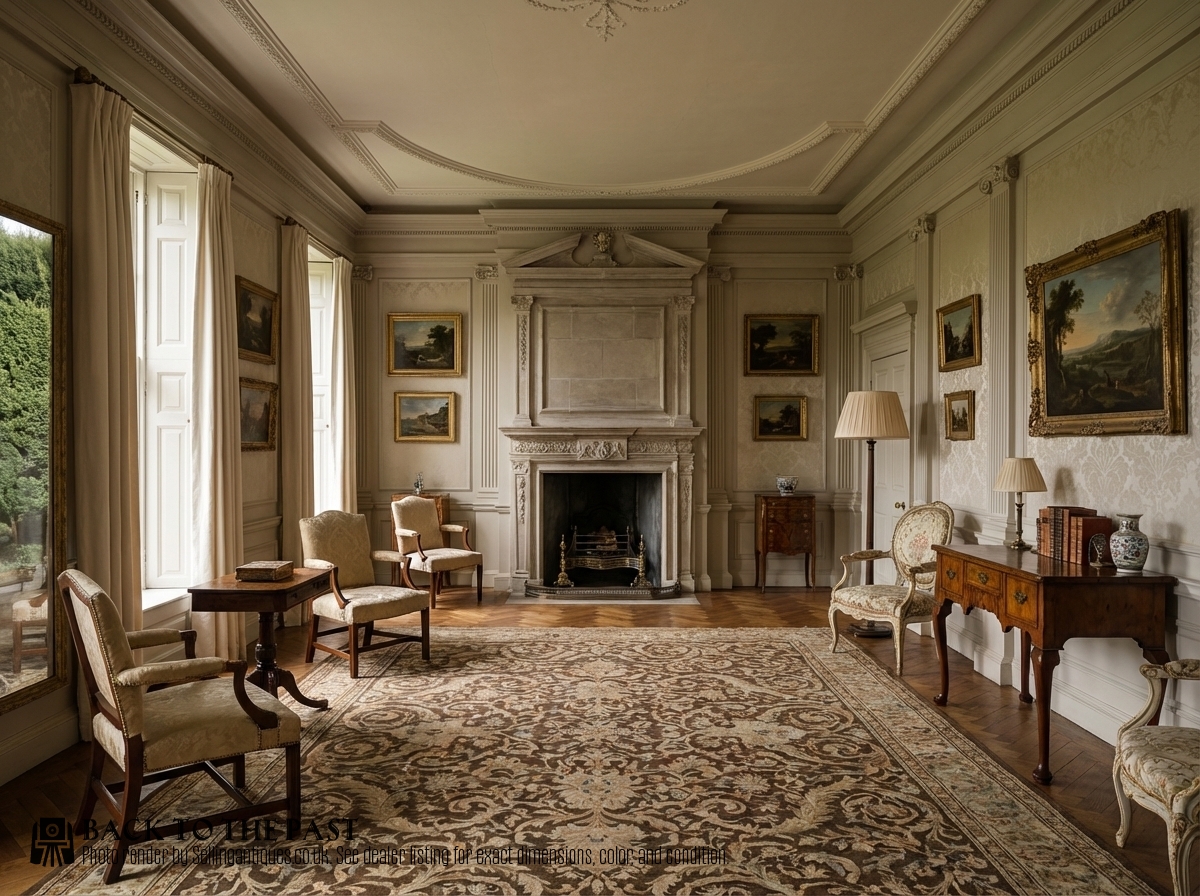
Materials and construction methods
Makers utilised native and imported hardwoods, relying heavily on solid oak for robust country pieces while employing figured mahogany and walnut for more formal urban commissions. Secondary timbers like elm and fruitwood frequently reinforced internal drawer linings and structural framing.
Joinery methods involved traditional hand-cut dovetails for drawer construction and pegged mortise and tenon frames. Surfaces display varied finishing techniques, from cross-banding and geometric mouldings to simple polished timber grains.
18th Century Lowboy Table Retail Price Guide 2026
Typical asking prices for 18th century lowboy table among the pieces listed under this phrase on Sellingantiques today, from the lower quarter to the upper quarter. They describe what is for sale here now, not the wider market.
Listings feature oak, mahogany, walnut, yew, elm, brass, and fruitwood across the 18th century, Georgian, and 19th century periods.
Distinguishing quality in period tables
Quality rests upon the selection of timber figures, such as burr walnut, figured mahogany, or rich quarter-sawn oak, matched against the crispness of edge mouldings and drawer execution. Tables exhibiting integrated cabriole legs and careful cross-banding typically represent higher tiers of craftsmanship.
Proportion and structural integrity dictate the standing of a piece, where restrained hardware choices and undisturbed original surfaces elevate an example above standard utility items.
The 18th Century Lowboy Table Glossary
- Lowboy
- A small occasional table featuring one or more drawers, standing on relatively tall legs. They originated in the late seventeenth century and served primarily as dressing or writing tables.
- Cabriole leg
- A furniture leg that curves out gracefully and tapers inward to a pad or claw foot. This design gained prominence during the Queen Anne and George II periods.
- Cross-banding
- A decorative border applied to furniture surfaces where the grain runs at right angles to the central panel. It provides a neat, contrasting frame around drawer fronts or table tops.
- Dresser base
- A heavy low storage unit featuring drawers and sometimes cupboards beneath a broad top. They share similar construction eras and timber profiles with standard lowboys.
- Geometric moulding
- Raised wooden profiling applied in rectilinear patterns to drawer fronts or panels. This technique is frequently seen on pieces from the early eighteenth century.
18th Century Lowboy Table: Frequently Asked Questions
What was a lowboy used for?
Historically, these tables functioned as dressing tables in bedrooms or compact writing and occasional tables in hallways. Their drawers held personal items, documents, or grooming accessories.
Over time, their versatility allowed them to adapt easily to modern living spaces as lamp stands, sideboards, or console tables.
How do I identify a George II lowboy?
George II examples often feature cabriole legs, occasionally terminating in pad feet, alongside rich walnut or early oak timbers. Drawer arrangements typically include a central smaller drawer flanked by deeper ones.
The overall aesthetic balances sturdy construction with refined period proportions characteristic of the mid eighteenth century.
Are mahogany and oak lowboys from the same period?
Both timbers appear across the eighteenth century, though oak forms the foundation of earlier country pieces and regional Welsh workshops. Mahogany gained widespread popularity as the century progressed under George III.
Consequently, oak examples frequently span the early to mid eighteenth century, while mahogany versions often align with later decades.
Where should I place a lowboy in my home?
Their modest depth makes lowboys ideal for narrow hallways, landings, or as dressing tables in compact bedrooms. They slide neatly against walls while offering useful surface area and drawer storage.
Living with one simply requires placing it where its proportions can remain unobstructed by bulky furniture.