

Georgian Pad Foot Table
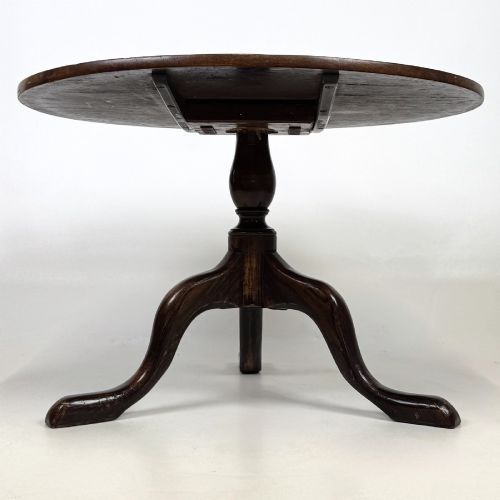
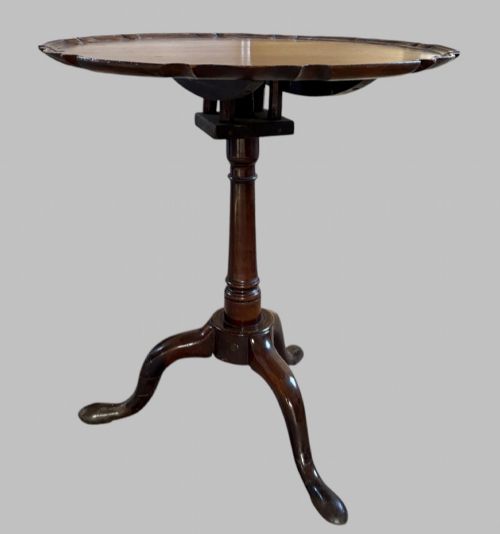
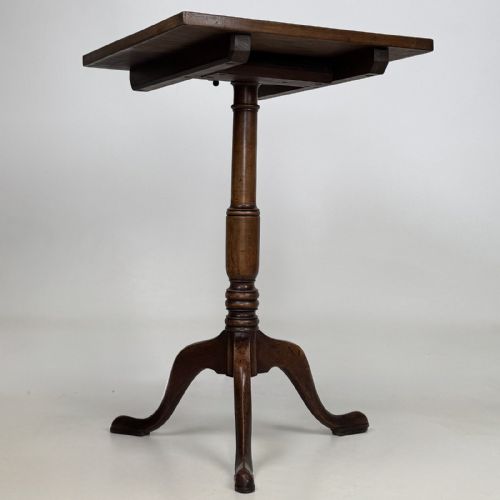
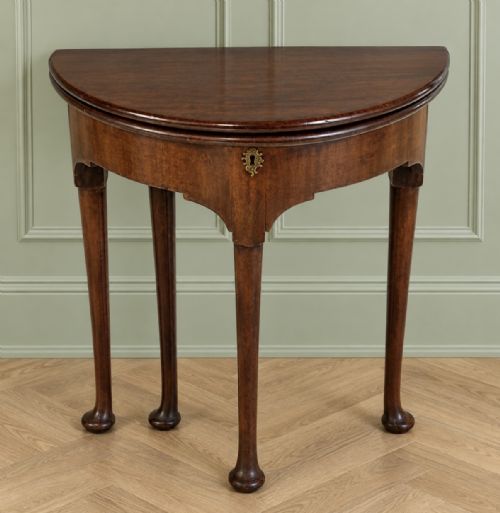
A georgian pad foot table is a sturdy timber piece designed for dining or occasional use, prized for its simple cabriole legs and understated foot.
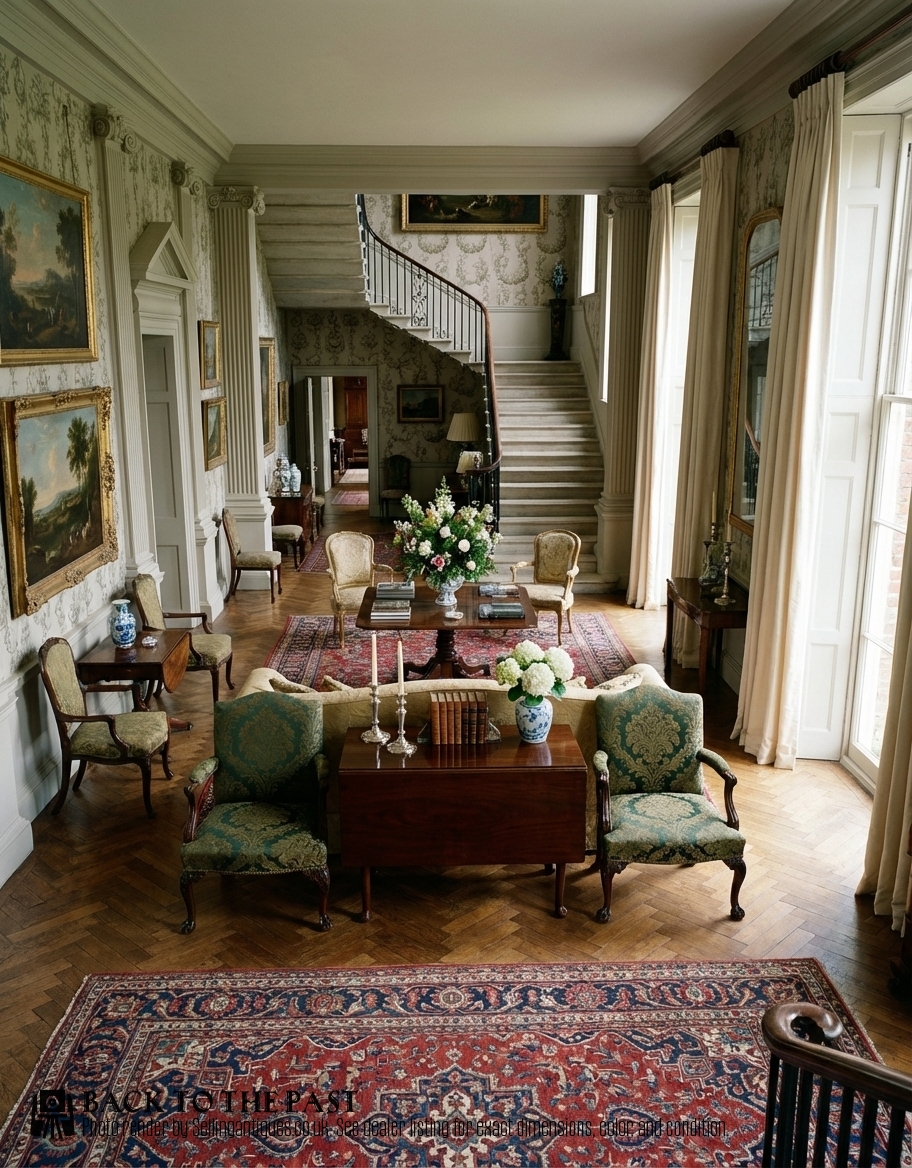
Georgian Pad Foot Table
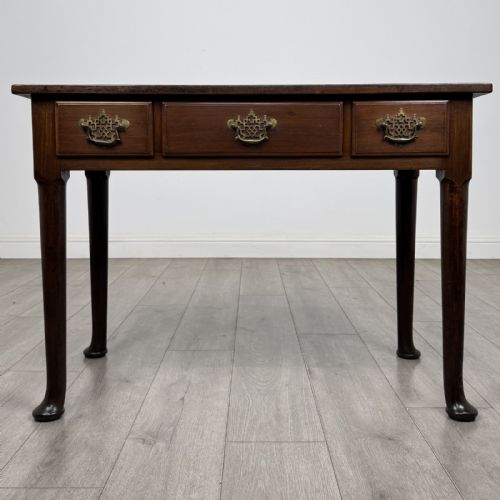
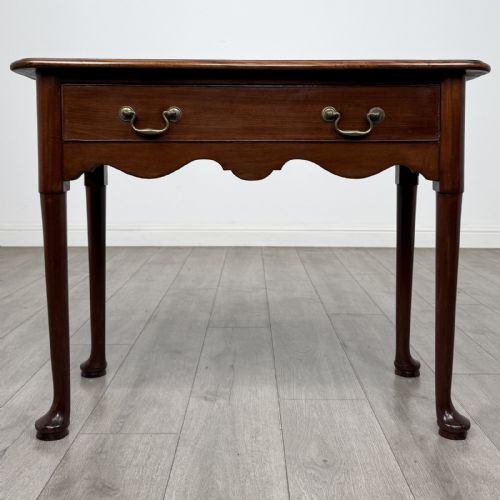
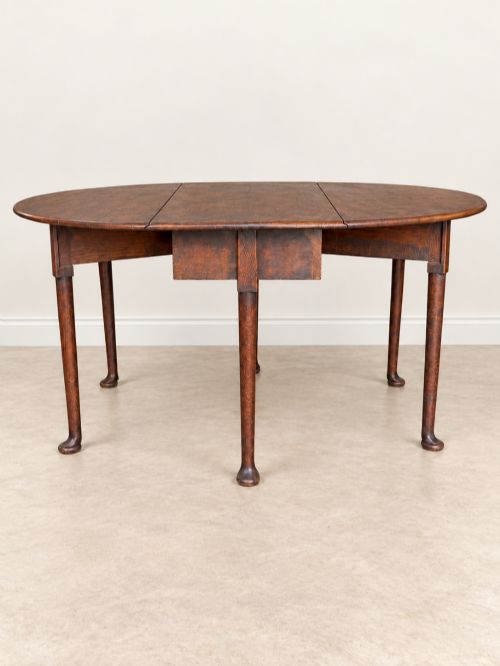
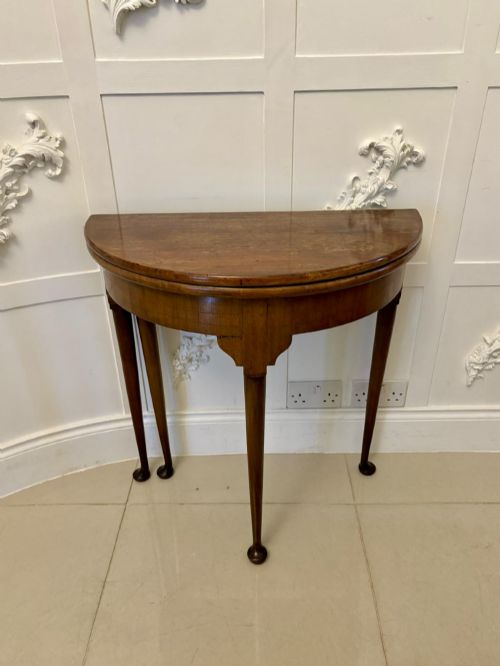
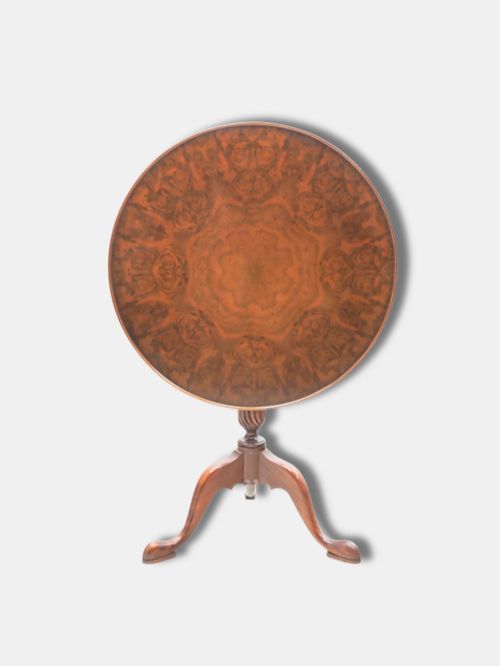
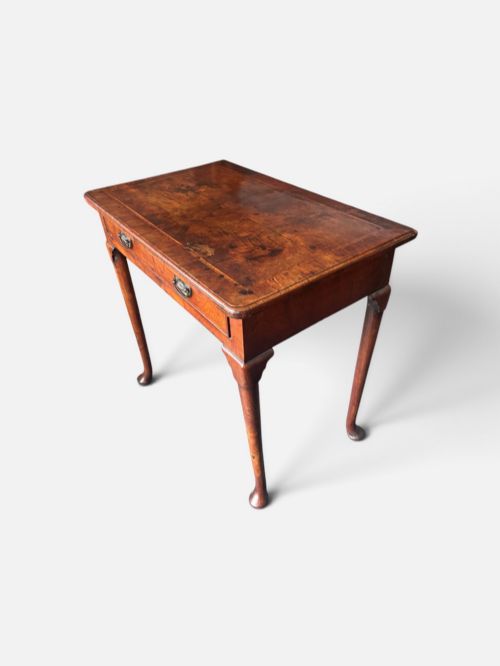
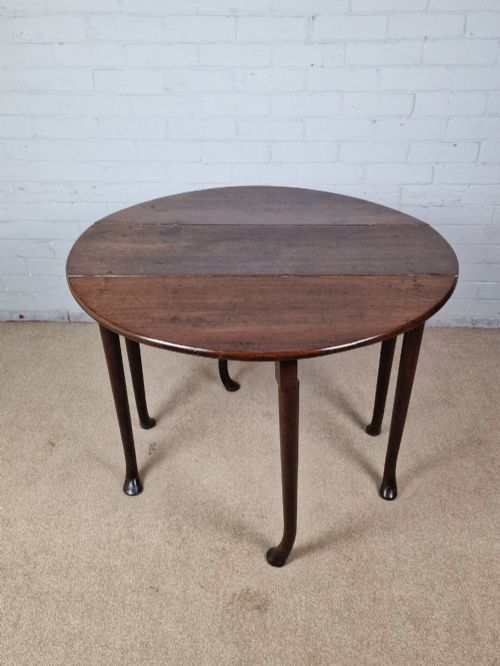
When searching for a georgian pad foot table, buyers encounter a variety of forms including drop-leaf dining tables, smaller gateleg versions, and lowboys. The drop-leaf dining table represents the most common version on this page, often dating from the mid 18th century.
These tables serve utilitarian purposes in domestic spaces, expanding when needed via hinged leaves supported by swing legs. Alongside dining formats, occasional side tables and tea tables frequently appear in the selection.
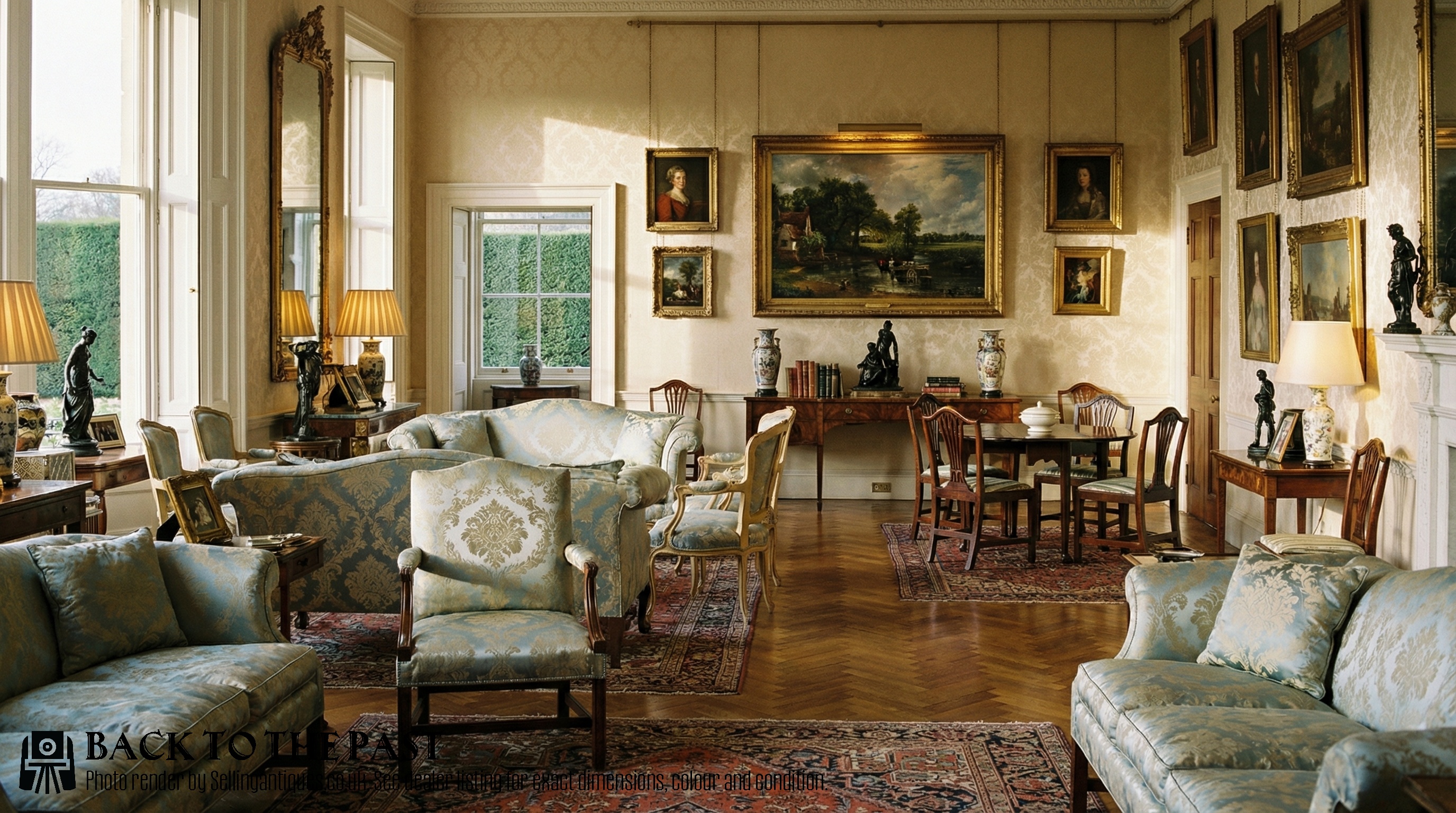
Materials and construction
Cabinetmakers utilised dense timbers such as mahogany, red walnut, and oak to build these tables. Cuban mahogany and fruitwood also feature prominently in the historical record of construction.
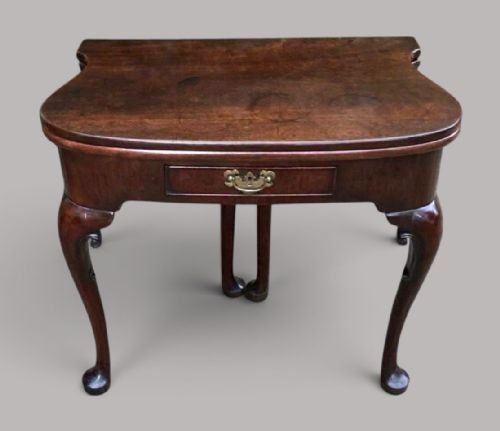
Joinery techniques rely on sturdy gateleg actions and drop-leaf hinges to manage moving sections. Cabriole legs terminate smoothly in pad feet, anchoring the structural weight without heavy ornamentation.
Georgian Pad Foot Table Retail Price Guide 2026
Typical asking prices for georgian pad foot table among the pieces listed under this phrase on Sellingantiques today, from the lower quarter to the upper quarter. They describe what is for sale here now, not the wider market.
Listings feature mahogany, oak, and walnut across periods ranging from the 17th century through the Georgian era to 20th-century revivals.
Assessing the craftsmanship
Quality rests in the selection of figured timber and the clean execution of the pad foot curve at the base of the leg. Superior pieces exhibit tight joints in the gateleg mechanism and well-proportioned drop leaves.
Later revival pieces show distinct manufacturing differences when compared to 18th-century originals. The handling of the wood grain and the crispness of the cabriole leg shape dictate the tier of the piece.
The Georgian Pad Foot Table Glossary
- Pad foot
- A simple, rounded foot shape that sits flat on the floor at the base of a cabriole leg. It provides a clean termination without carved scrolls.
- Drop leaf
- A hinged table section that folds down to save space or lifts up to expand the surface area. Supporting legs swing outward to hold the leaf in position.
- Gateleg table
- A table featuring hinged leaves supported by legs that swing out like a gate. This mechanism provides sturdy support for drop leaves.
- Lowboy
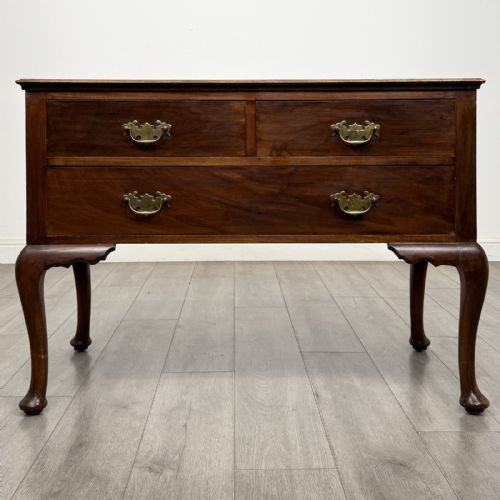
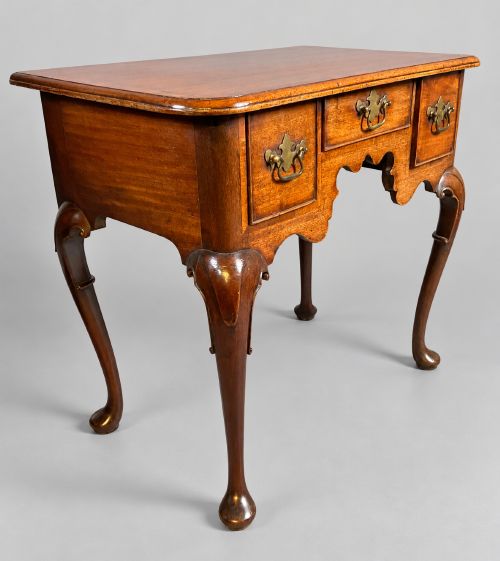
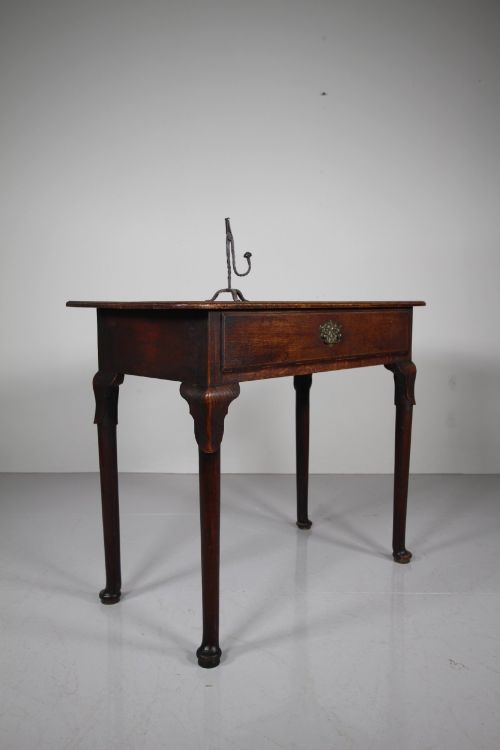
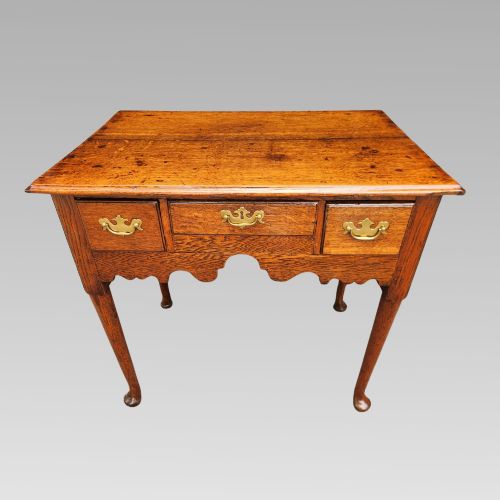
- A small table with one or more drawers, often used as a side table or writing desk during the Georgian period. They typically feature cabriole legs.
- Cabriole leg
- A furniture leg that curves outward in an arc and tapers inward toward the foot, mimicking animal limbs. It is characteristic of early 18th-century design.
Georgian Pad Foot Table: Frequently Asked Questions
What is a pad foot table?
A pad foot table is an antique timber table featuring cabriole legs that end in simple, rounded pad feet. These pieces date predominantly from the Georgian era.
They function well as compact side tables or expandable drop-leaf dining surfaces for everyday use.
How do I use a drop leaf table?
Drop leaf tables provide flexible surface space by allowing the side flaps to hang down when not in use. Lifting the leaves engages swing legs to support the expanded top.
This adaptability makes them practical for smaller rooms and dining areas.
What woods were used for Georgian tables?
Cabinetmakers of the period primarily worked with mahogany, red walnut, and oak. Fruitwood and Cuban mahogany also appear frequently in surviving examples.
The choice of timber often reflects the regional origin and the intended function of the table.
How do I date a Georgian table?
Dating relies on examining construction methods, timber selection, and leg styles such as the cabriole form. Earlier 18th-century pieces often feature oak or walnut before mahogany became dominant.
Comparing hardware and hinge types provides further clues to the period of manufacture.