
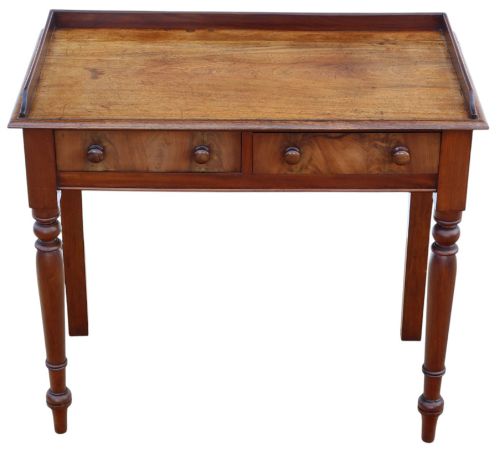
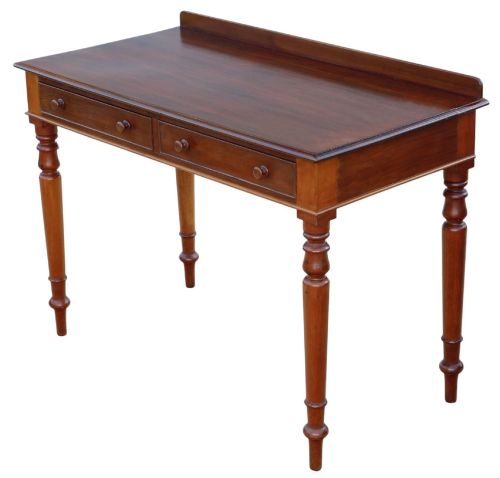
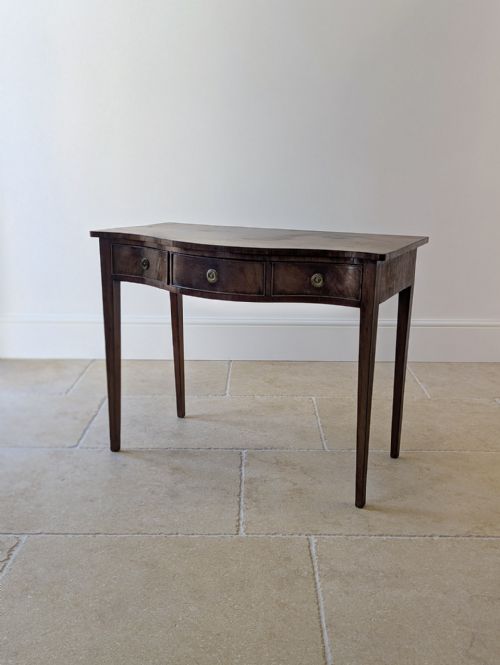
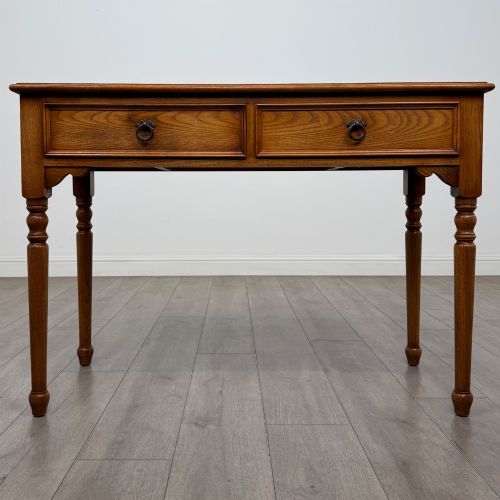

Antique Dressing Table Desk
An antique dressing table desk bridges the space between morning grooming and correspondence, offering a dual-purpose surface crafted in rich mahogany, walnut or oak.
Antique Dressing Table Desk
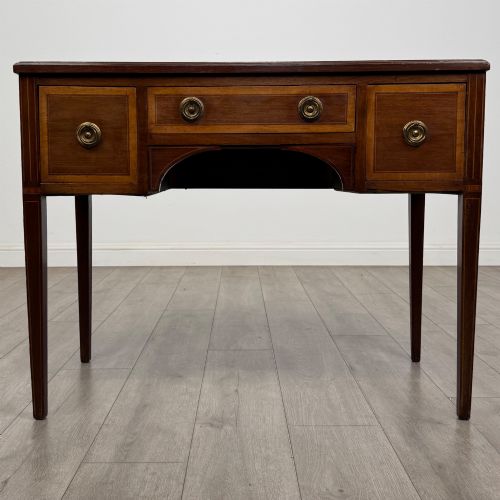
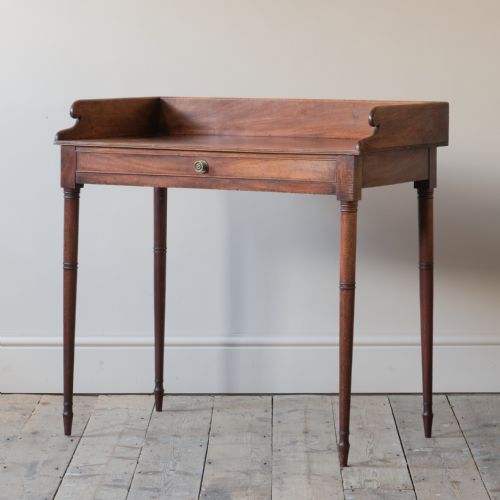
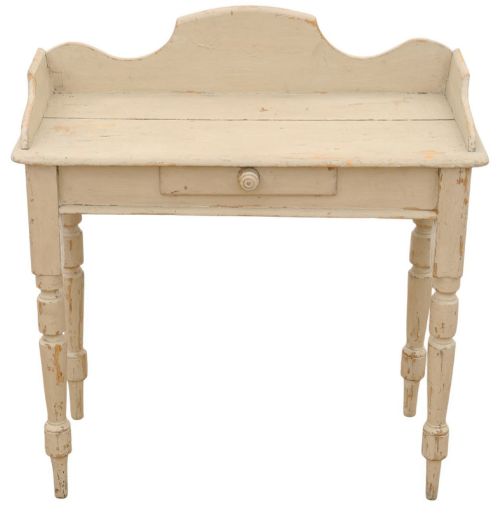
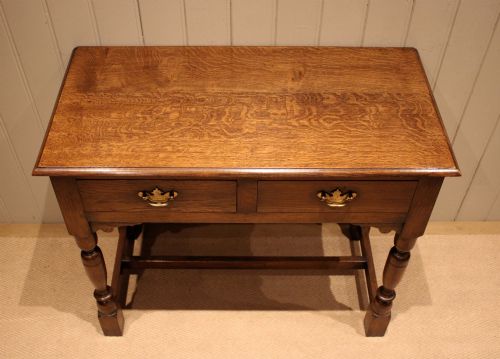
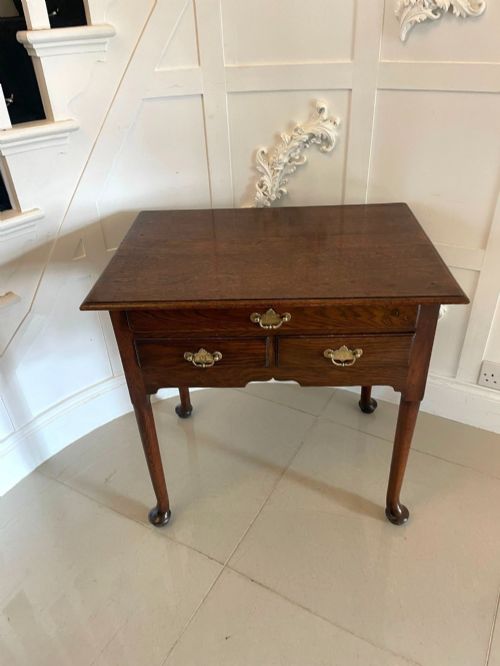
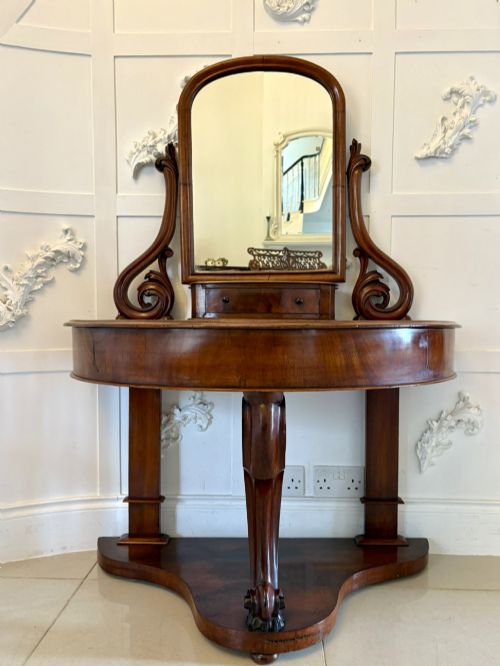
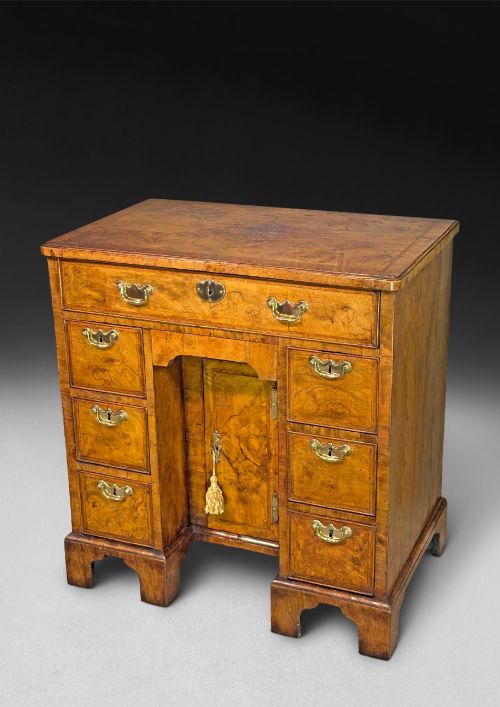
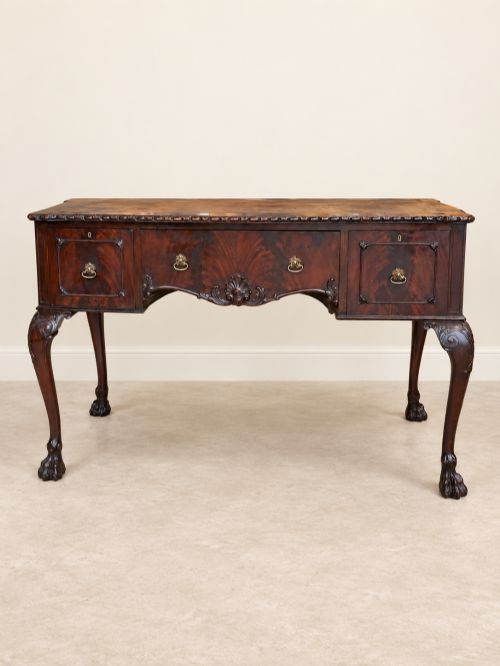
An antique dressing table desk combines the functions of a writing surface and a vanity, appearing across Georgian, Victorian, Edwardian and Art Deco periods. These pieces frequently manifest as kneehole desks, lowboys or side tables fitted with drawers that served dual domestic purposes in the bedroom or boudoir.
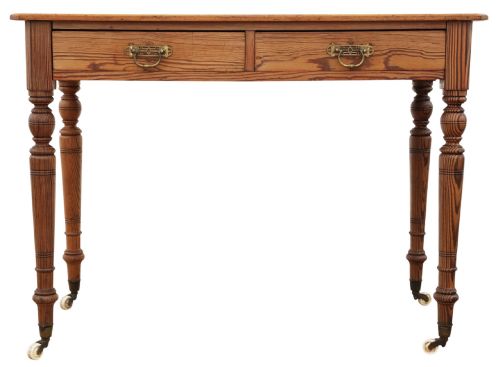
The most common examples on this page date from the nineteenth and early twentieth centuries, constructed in mahogany, walnut and oak. Many incorporate integrated mirrors or pigeonholes, reflecting a period when personal grooming and letter-writing shared the same piece of freestanding furniture.
Earlier eighteenth-century variants lean toward understated oak or figured walnut lowboys, whilst later Edwardian and Art Deco iterations utilise satinwood, maple and exotic veneers. The blurring of lines between side tables, writing tables and dressing tables is inherent to the form.
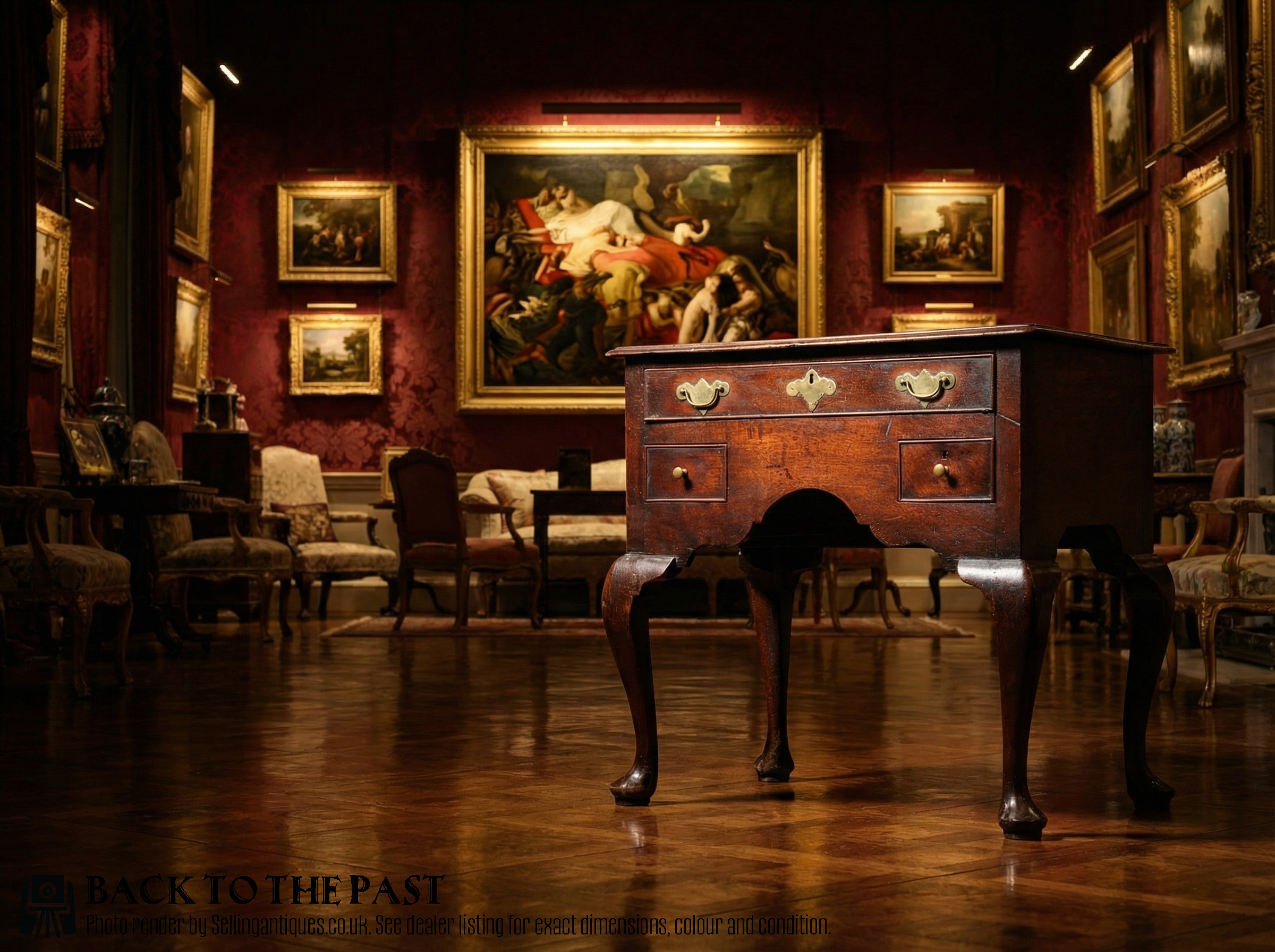
Materials and Construction
Cabinetmakers relied heavily on solid hardwoods and choice veneers, with mahogany, oak and walnut forming the structural backbone of these dual-purpose tables. Timber selection dictated the aesthetic, from the deep red tones of flame mahogany to the intricate grain patterns of burr walnut and satinwood.
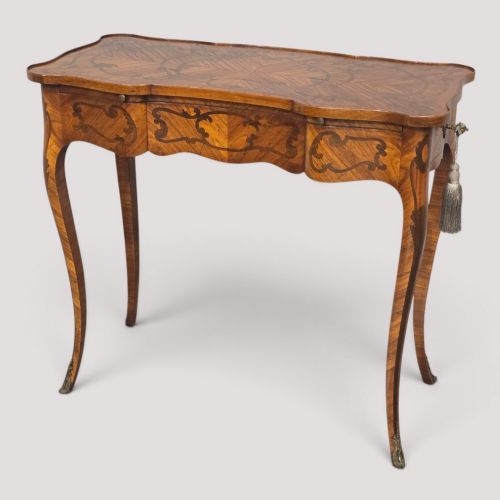
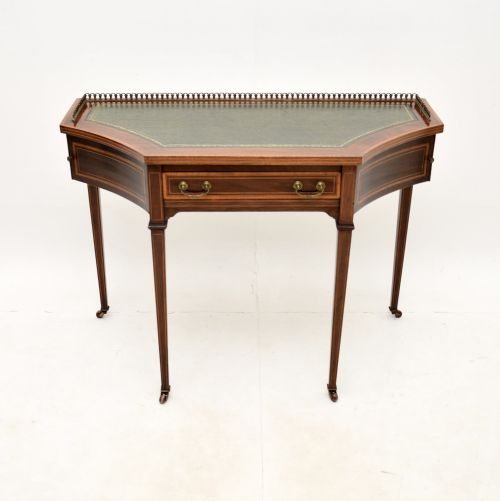
Construction techniques visible in the archive include dovetailed drawer boxes, hand-turned legs and precise crossbanding or marquetry inlay. Secondary timbers such as pine and elm appear in drawer linings and internal framing, paired with brass handles and occasional leather or suede writing inserts.
Antique Dressing Table Desk Retail Price Guide 2026
Typical asking prices for dressing table desk among the pieces listed under this phrase on Sellingantiques today, from the lower quarter to the upper quarter. They describe what is for sale here now, not the wider market.
The listings on this page span the seventeenth to the twentieth centuries, featuring solid oak, mahogany, walnut and inlaid satinwood.
Distinctions in Standard
Quality rests in the fidelity of the timber selection and the precision of the joinery rather than mere ornamentation. Finer examples display continuous grain matching across drawer fronts, carefully executed dovetails and robust secondary timbers that endure centuries of daily use.
The integration of hardware and secondary materials also distinguishes the work of established cabinetmakers from standard workshop production. Substantial brass pulls, intact leather or suede insets, and crisp inlay delineate the upper tier of surviving pieces.
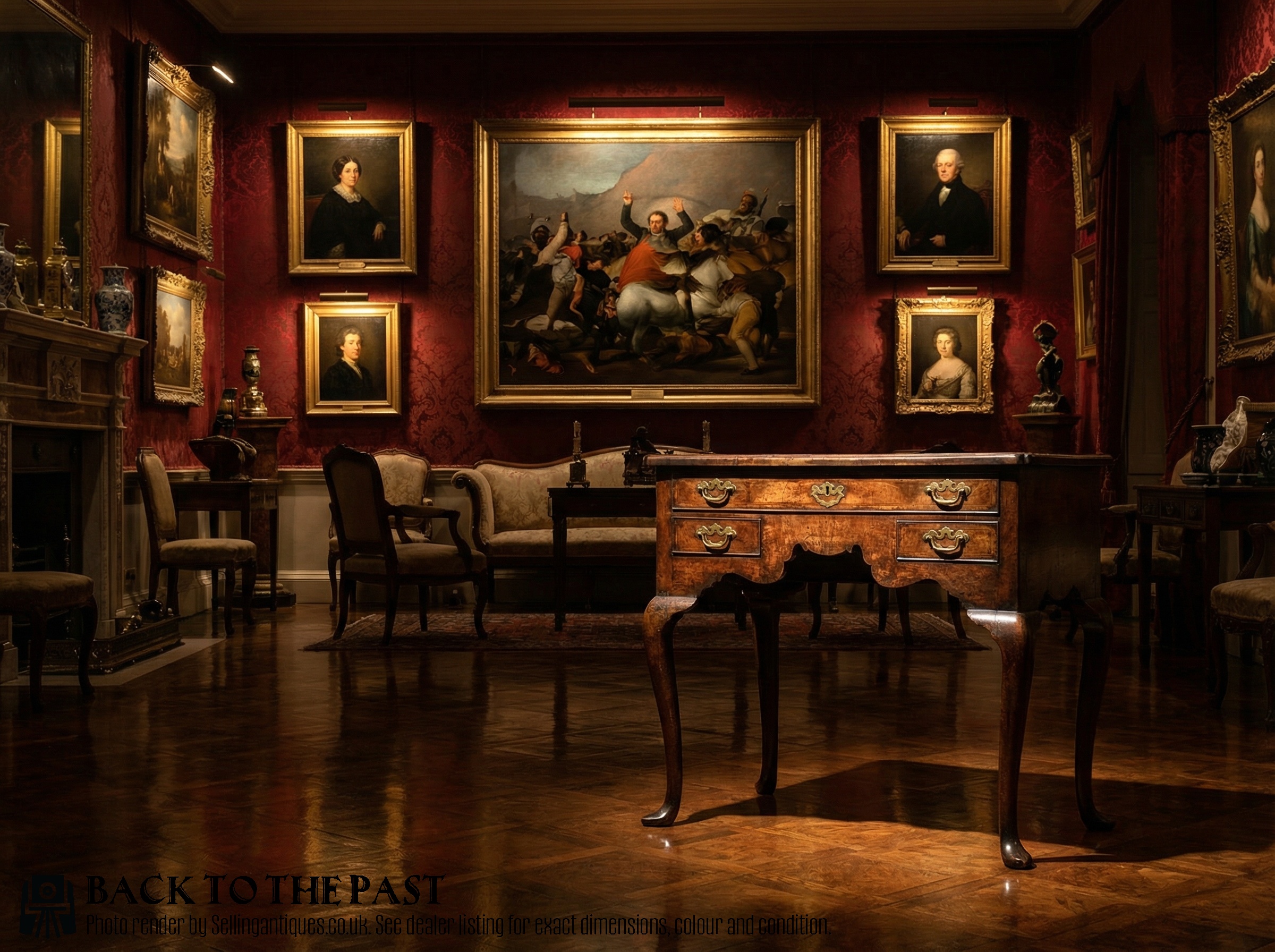
Heal and Son·JAS Shoolbred·Hobbs and Co
The Antique Dressing Table Desk Glossary
- Lowboy
- A small oak or walnut dressing or side table featuring one or more rows of drawers, typically raised on four slender legs and dating from the eighteenth century.
- Kneehole desk
- A compact desk or dressing table with a central recessed space for the legs, flanked by pedestals of small drawers.
- Marquetry
- Decorative veneer work forming pictorial or geometric patterns by assembling thin slices of various woods, metals or shells.
- Crossbanding
- A border of veneer laid around the perimeter of a table top or drawer front with the grain running perpendicular to the central panel.
- Bureau plat
- A flat-topped freestanding writing desk, often adapted during the nineteenth century to function as a ladies dressing table.
Antique Dressing Table Desk: Frequently Asked Questions
How were these desks used historically?
These versatile items accommodated morning grooming routines alongside the writing of letters and keeping of personal accounts. They sat comfortably in private bedrooms or boudoirs where space commanded multi-functional furniture.
The inclusion of drawers and compartments allowed for the tidy storage of cosmetics, brushes, inkwells and stationery. This dual utility made them essential furnishings for ladies and gentlemen alike during the Georgian and Victorian eras.
How do I distinguish between a desk and a dressing table?
Distinctions often blur because many period examples served both functions interchangeably throughout their lifespans. Genuine dressing variants frequently retain traces of mirror attachments, compartmentalised top drawers or surface finishes resistant to cosmetics.
Writing pieces tend to prioritise a wider kneehole space and deeper drawers for paper storage. Examining the internal layout of the top tier usually reveals whether ink or powder was the intended companion.
Where should I place an antique dressing table desk?
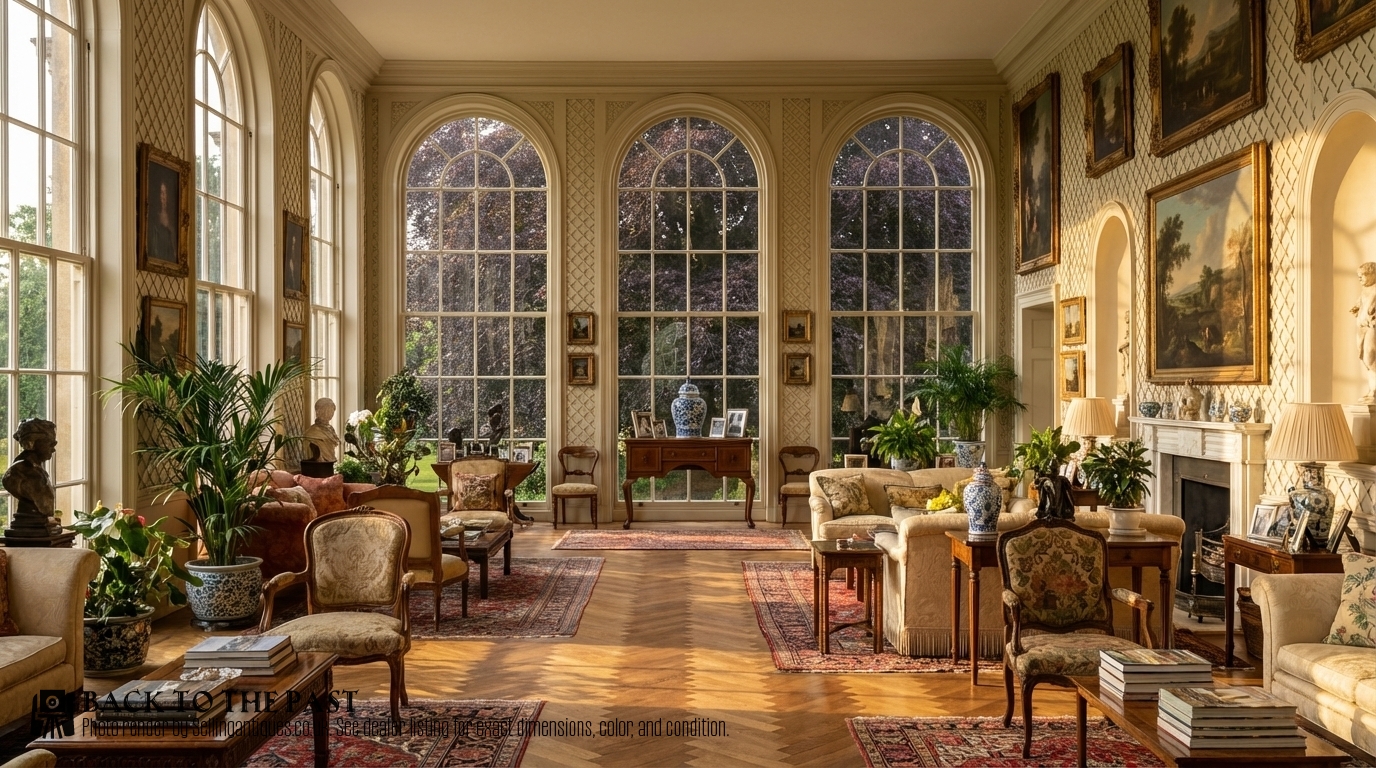
These compact tables suit bedrooms, home studies and quiet hallways where a full-sized partner desk would overwhelm the proportions. Their finished backs often allow them to float away from walls, displaying the grain of the timber from every angle.
Pairing them with a low Victorian side chair or an upholstered stool creates a functional writing or vanity station. Adequate natural light from a nearby window enhances the detailed grain of walnut or mahogany surfaces.
How do I identify the period of a piece?
Dating relies on observing construction methods, timber choices and stylistic cues consistent with documented eras. Georgian pieces favour solid oak and mahogany with hand-cut dovetails, whilst Edwardian and Art Deco examples introduce lighter satinwoods, maple and distinctive geometric veneers.
Hardware styles, secondary woods inside the drawers and leg profiles - such as cabriole, tapered or barley twist - offer further chronological markers. Comparing these physical traits to dated architectural and furniture histories confirms the era.