


George II Dressing Table
A george ii dressing table is an eighteenth-century domestic form built for personal grooming, combining compact proportion with fine timber.
Forms and periods
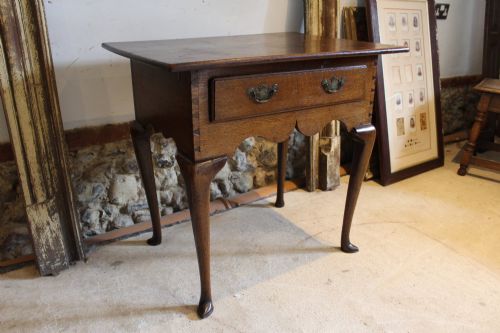
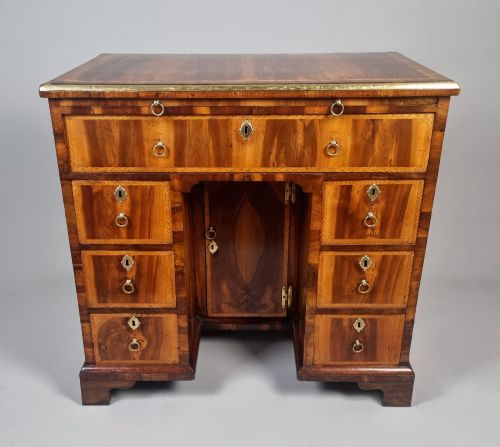
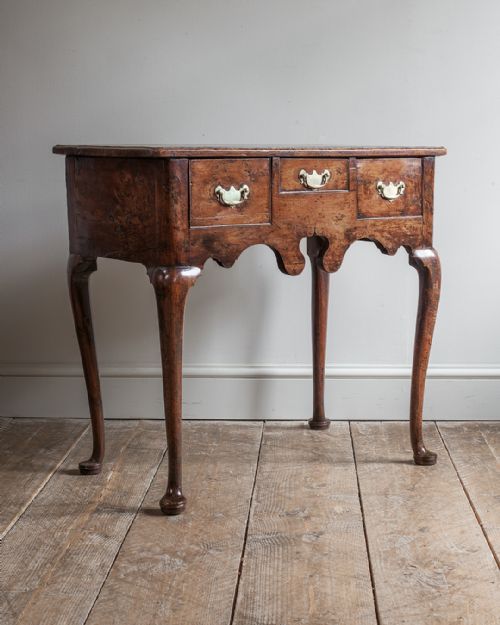
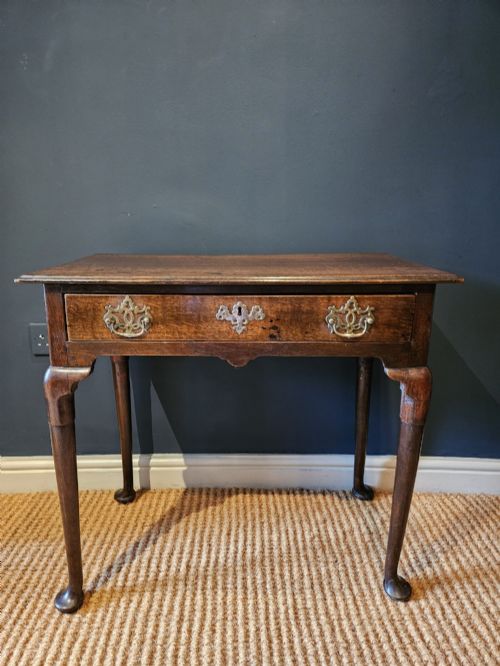
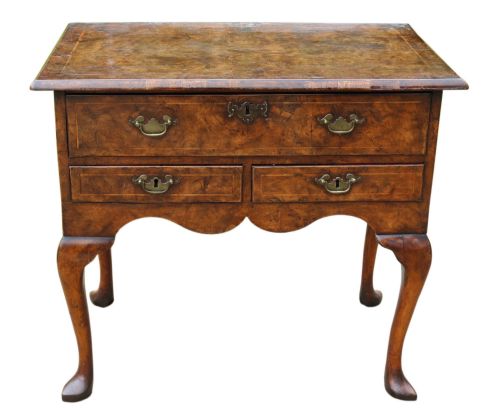
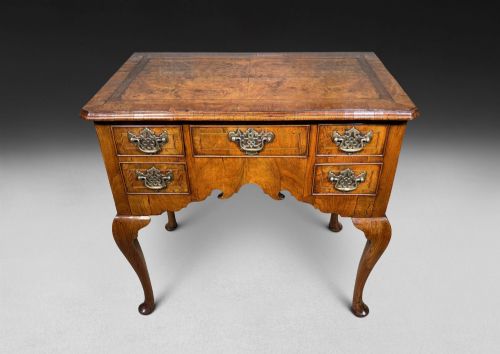
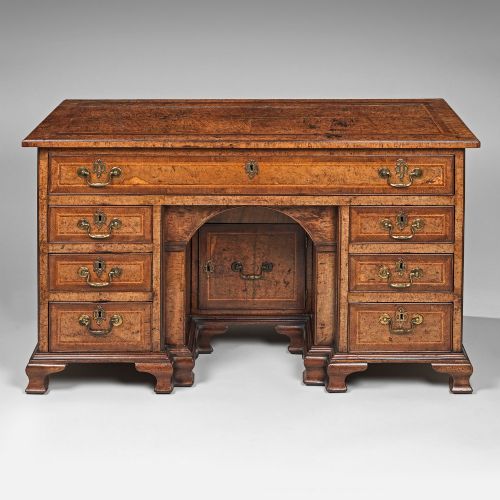
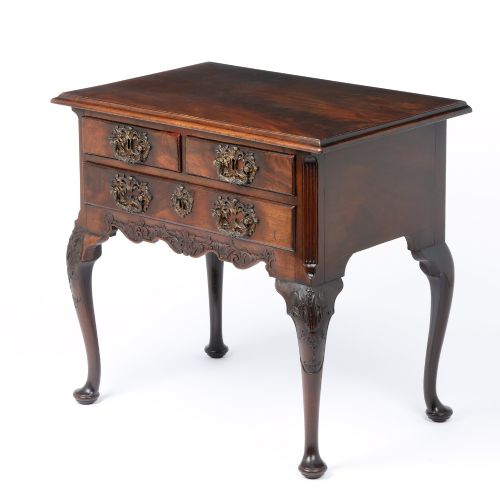
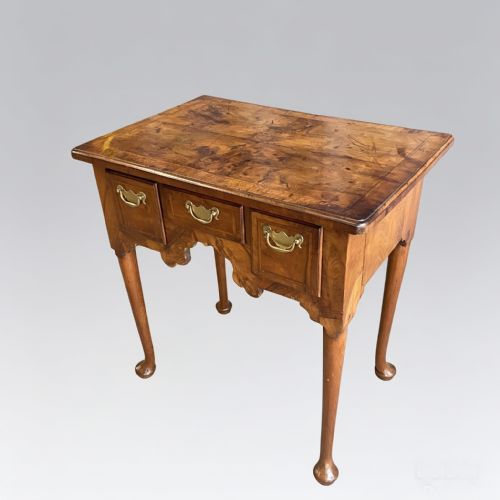
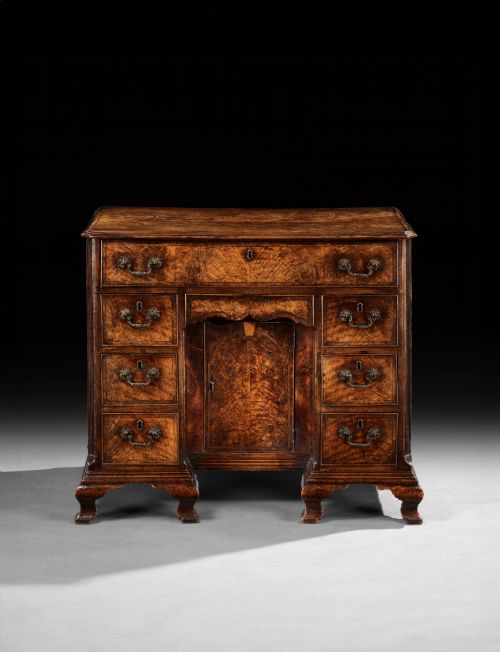
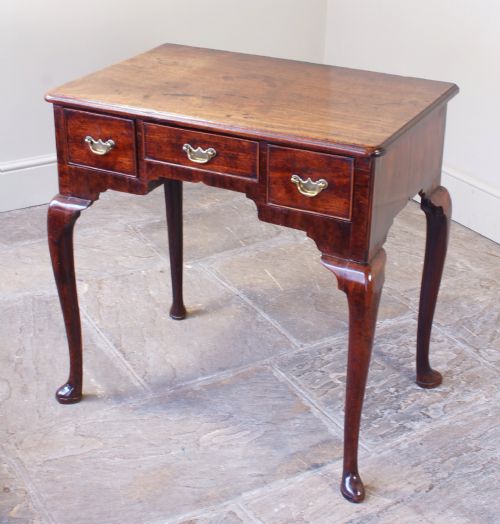
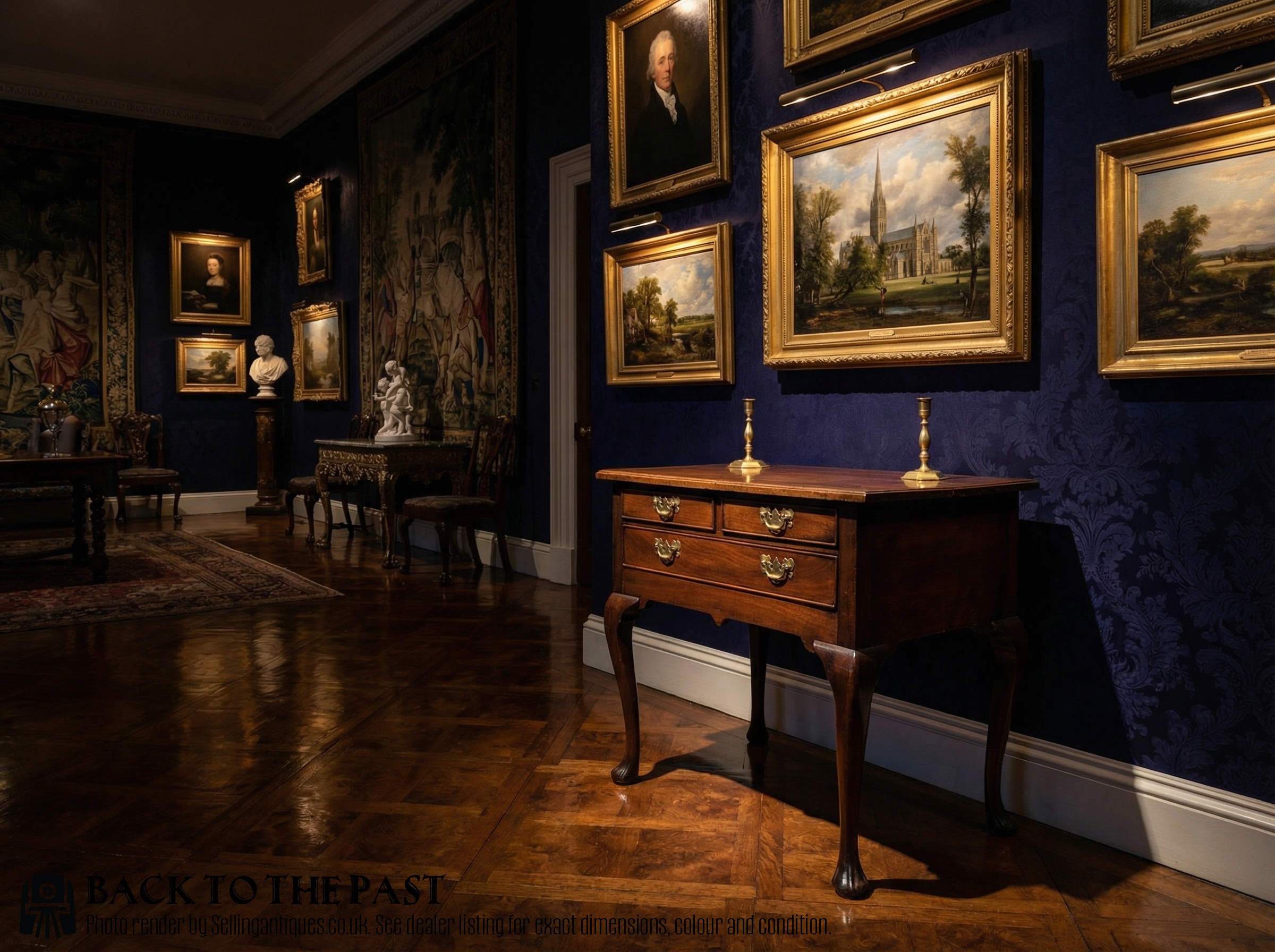
A george ii dressing table appears in several distinct structural formats within the eighteenth century, most commonly taking the shape of a lowboy, a kneehole dressing chest, or a side table adapted for grooming. These pieces originate primarily from the 18th century, with occasional Victorian revivals adopting the George II style.
The lowboy form serves frequently as a dressing table in the available record, often fitted with a single drawer or multiple small drawers beneath a plain or figured top. Kneehole examples provide a central recessed cupboard flanked by banks of small drawers, offering a more complex internal arrangement for personal items.
Makers of the period constructed these dressing tables in walnut, mahogany, yew wood, cherrywood, oak, and occasionally glass, demonstrating the versatility of cabinet makers working under Georgian influence.
Materials and construction
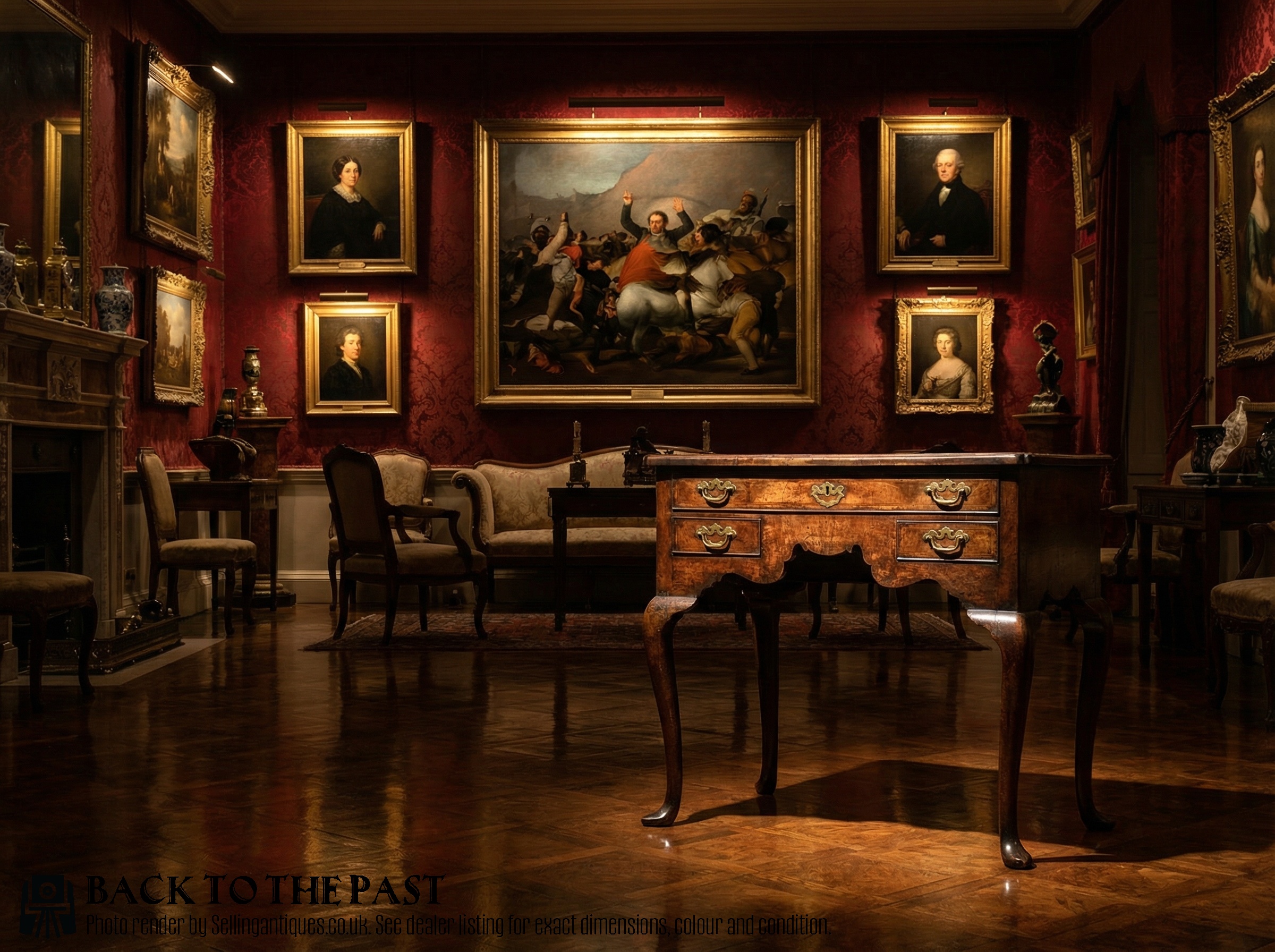
Cabinet makers utilised solid timbers and selected veneers such as figured walnut, Cuban mahogany, and yew wood over secondary woods like oak, applying brass handles and escutcheons to drawers.
Leg construction frequently relies on cabriole forms characteristic of the period, supporting box frames and drawer structures joined with traditional dovetailing techniques.
Retail Price Guide 2026
Typical UK retail prices for george ii dressing table, calculated from the Sellingantiques database of over a million retail prices indexed since 2003. This retail price guide relies exclusively on Sellingantiques data; no external sources or auction records are used, so the figures do not describe the wider market.
One walnut example carries the historical moniker 'Romeo', linking domestic furniture directly to theatrical romance.
Design and timber selection
Quality rests upon the choice of timber figure, such as highly figured walnut or Cuban mahogany, and the retention of original brass hardware rather than later replacements.
The refinement of the carving on cabriole legs and the precision of the drawer dovetails separate standard cabinet work from exceptional examples.
The George II Dressing Table Glossary
- Lowboy
- A small dressing table or side table featuring one or more drawers and cabriole legs. This form is common in eighteenth-century vernacular and polite furniture.
- Kneehole dressing chest
- A form containing a central recess with a cupboard door, flanked by narrow drawers on both sides. This arrangement provided dedicated storage for grooming paraphernalia.
- Cabriole leg
- A furniture leg that curves out at the knee and tapers inward to the ankle, typical of eighteenth-century design. It often terminates in pad or pad-and-foot variations.
- Escutcheon
- A protective plate surrounding a keyhole on a drawer front, usually cast in brass. These details contribute to the chronological integrity of the piece.
Frequently Asked Questions
What is a george ii dressing table?
A george ii dressing table is an eighteenth-century wooden piece designed for personal toilette, incorporating drawers and occasionally a kneehole configuration.
Cabinet makers of the period built these tables in timbers such as walnut, mahogany, and yew wood, often resting them upon cabriole legs.
How do lowboys differ from dressing chests?
Lowboys provide an open under-table space beneath a single row of drawers, functioning as side tables or dressing surfaces.
Kneehole dressing chests enclose the central space with a small cupboard, adding banks of vertical drawers for more compartmentalised storage.
Which woods were used?
Makers relied heavily on native and imported hardwoods, specifically walnut, mahogany, yew wood, cherrywood, and oak.
Figured veneers and solid cuts were chosen to display natural grain patterns across the top surfaces and drawer fronts.
Are these pieces from the eighteenth century?
Many examples date directly from the eighteenth century, specifically the Georgian period and the 1750 era.
Later Victorian makers also produced pieces in the George II style, using similar forms and traditional timbers.