

George II Walnut Furniture
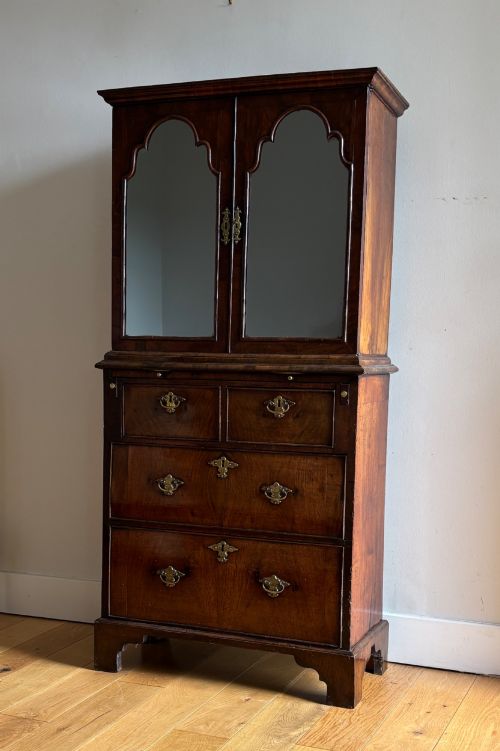
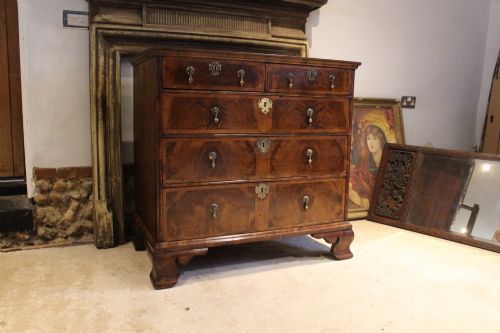
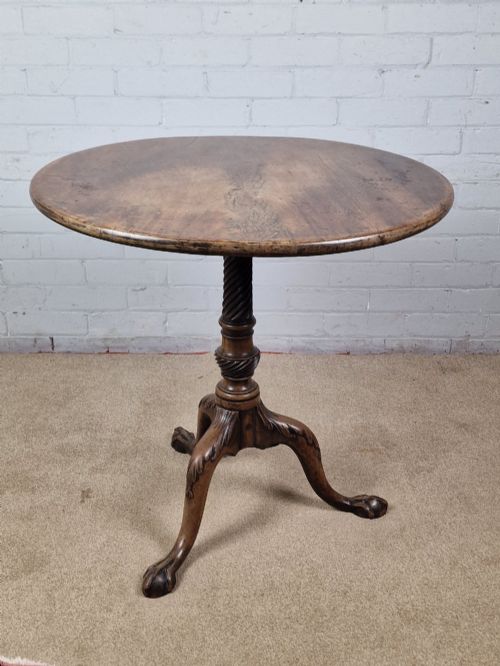
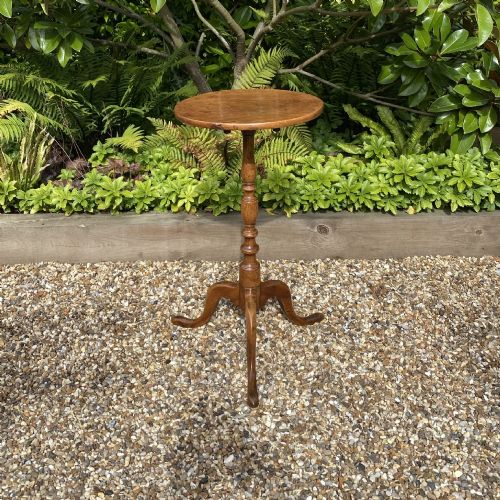
George ii walnut furniture brings domestic warmth and rich timber grain to a room through tables, desks, and drawer chests.
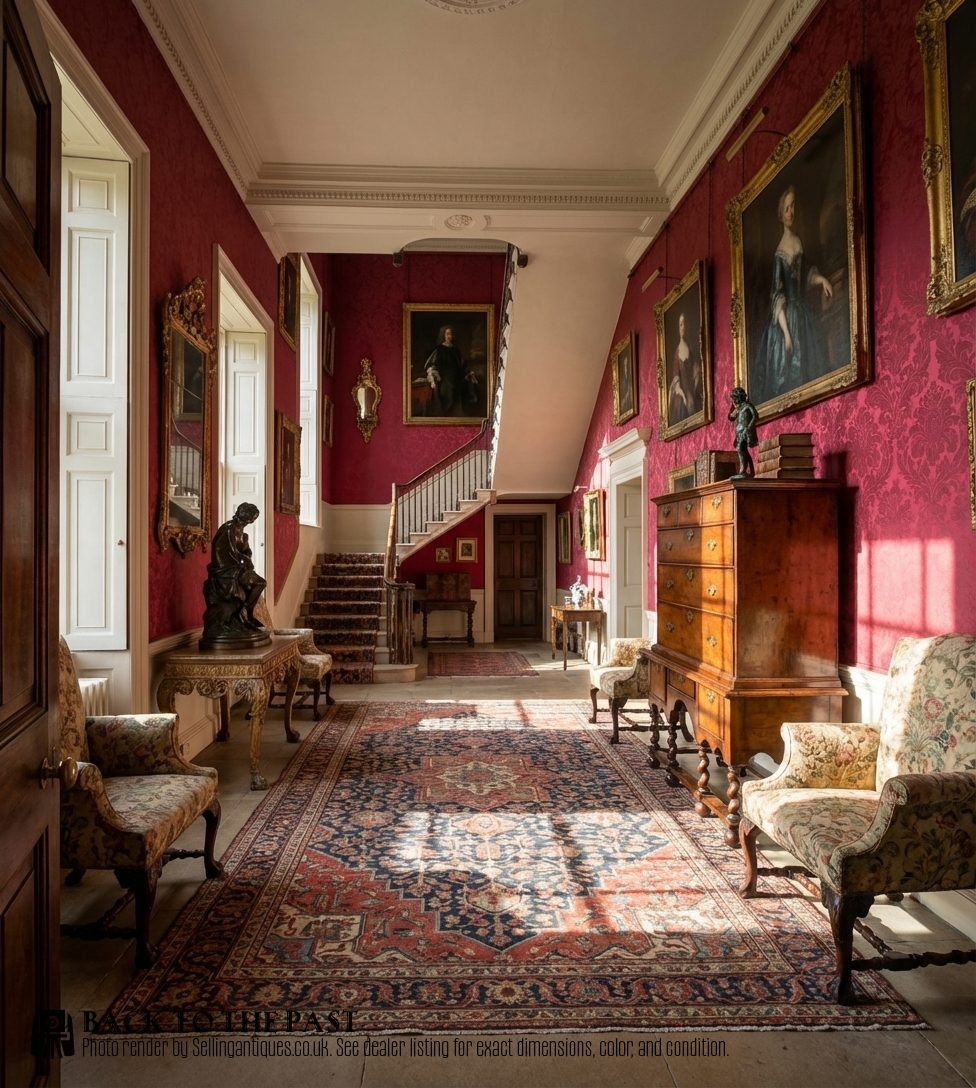
George II Walnut Furniture
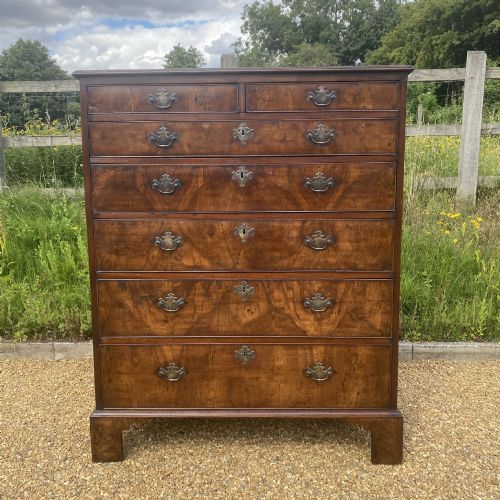
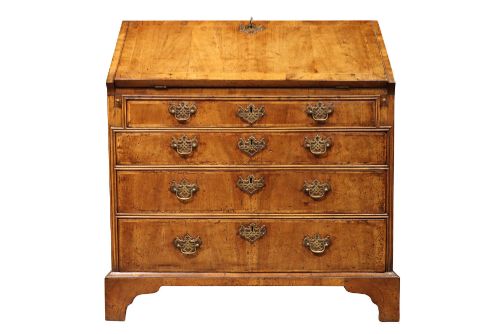
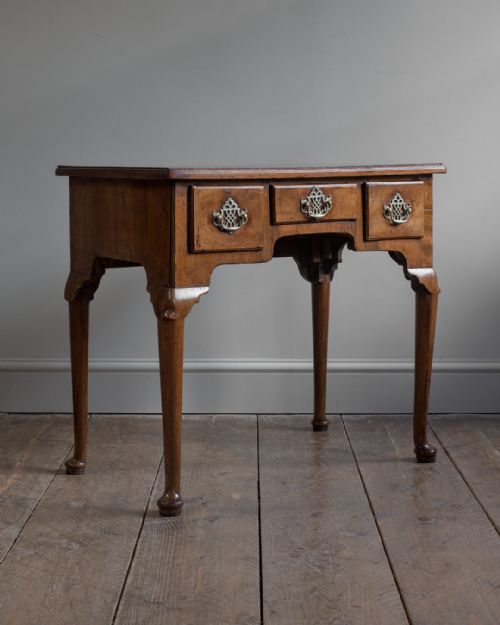
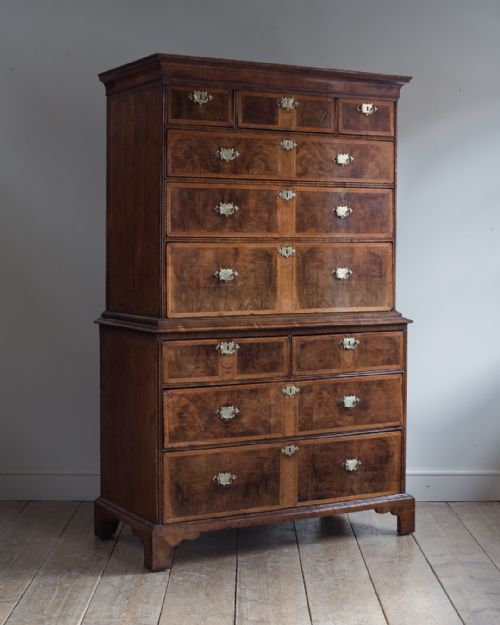
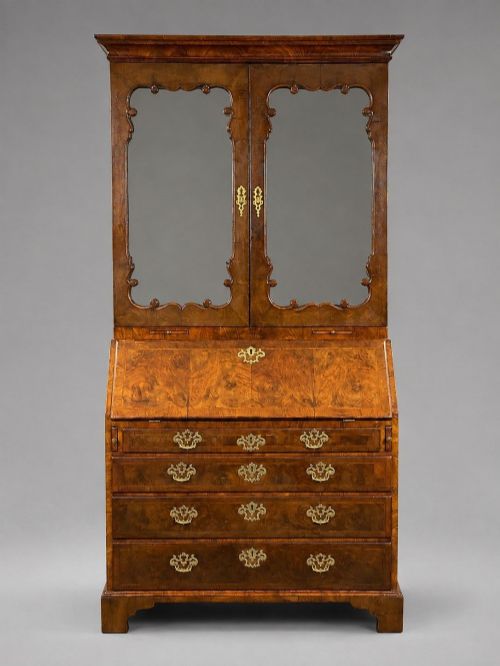
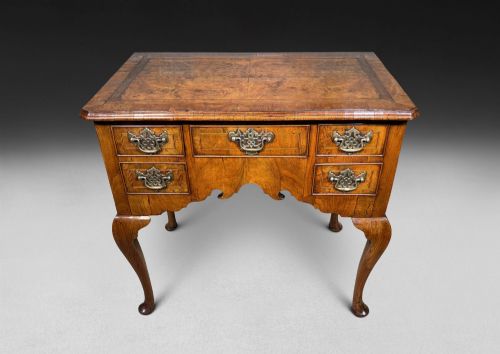
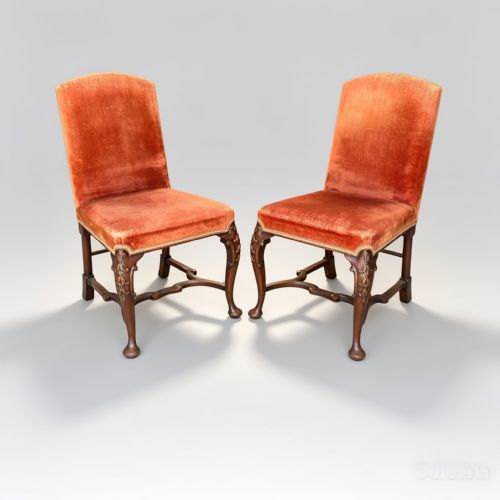
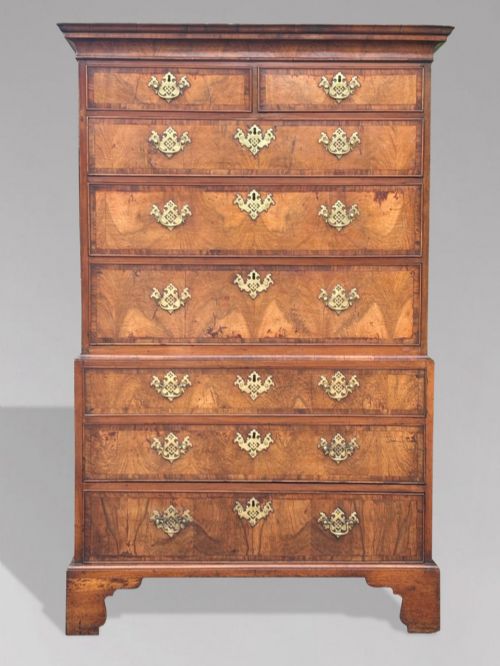
When searching for george ii walnut furniture, buyers encounter pieces spanning the eighteenth century alongside later revival interpretations from the Victorian era and the early twentieth century. The primary forms include practical storage items such as chests of drawers, bureau bookcases, and lowboys, alongside seating options like side chairs and wing armchairs. Original eighteenth-century examples share space with later nineteenth- and twentieth-century interpretations built in the same idiom.
The material palette centres on walnut and burr walnut, occasionally appearing alongside red walnut, fruitwood, and oak structural timbers. These pieces range from country wine tables and lamp tables to substantial library cabinets and chest on chest formations. Buyers select these items for their domestic utility and the distinct figuring of the timber surfaces.
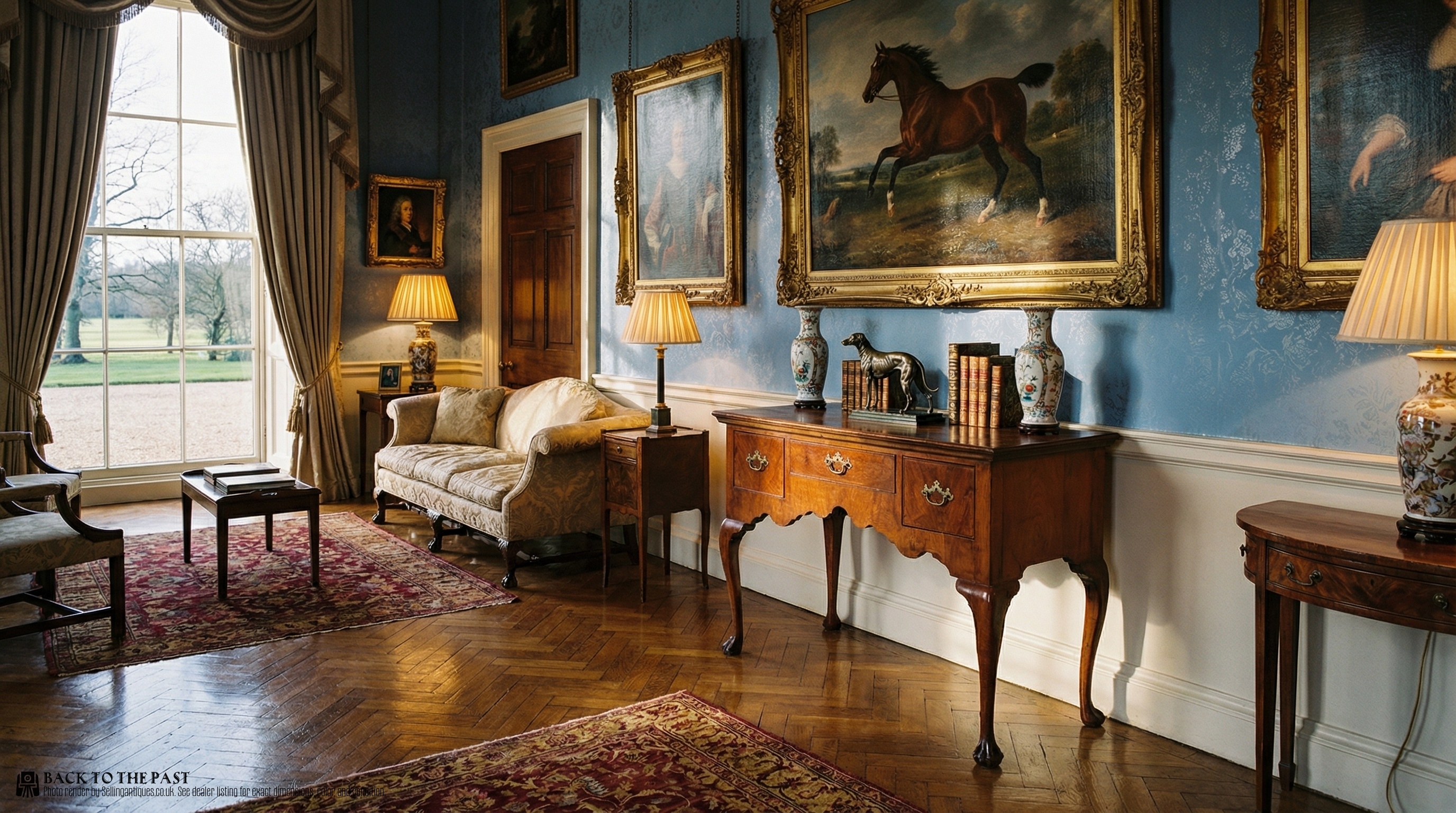
How they were made
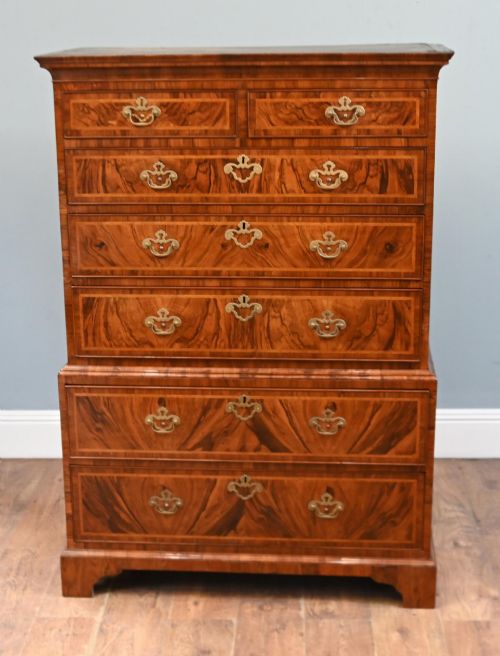
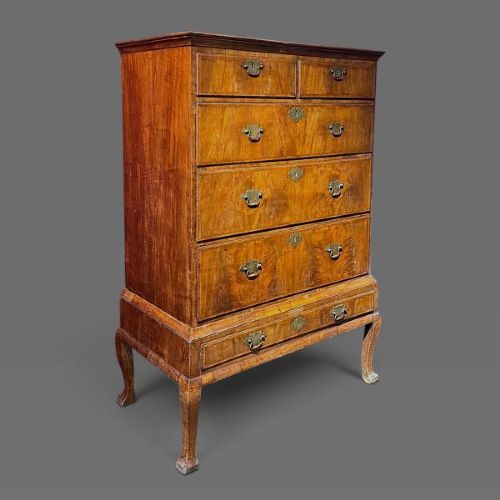
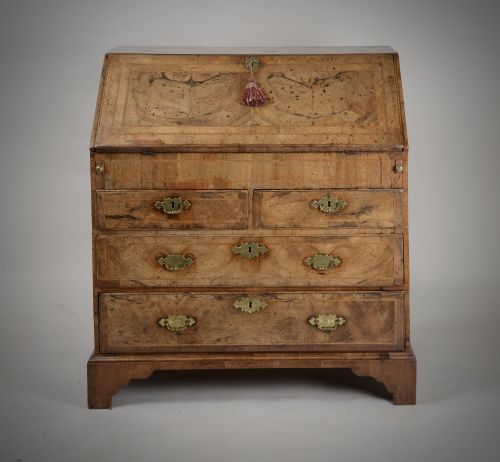
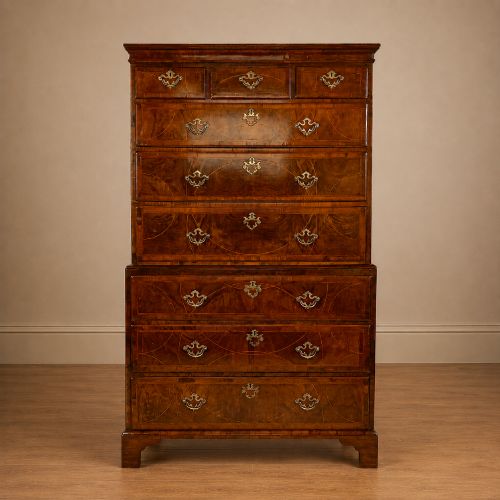
Cabinetmakers constructed these pieces using solid walnut, red walnut, and fruitwood, often applying burr walnut veneers to primary surfaces to create complex patterns. Secondary timbers such as oak frequently provide internal framing for drawers and carcases. Brass handles and escutcheons punctuate the facades, while line inlay and feather banding decorate drawer fronts.
Joinery methods relied on traditional techniques appropriate for domestic cabinet work, incorporating brass hardware for mobility and security on chests and desks. Upholstered seating utilises materials like velvet supported by carved walnut frames. Surface finishing accentuated the natural grain and colour variations inherent in walnut timber.
George II Walnut Furniture Retail Price Guide 2026
Typical asking prices for george ii walnut furniture among the pieces listed under this phrase on Sellingantiques today, from the lower quarter to the upper quarter. They describe what is for sale here now, not the wider market.
Miniature chests measuring just twenty centimetres high prove that eighteenth-century cabinetmakers enjoyed showing off their joinery skills on a tiny scale.
What varies in quality
The distinction between average examples and superior pieces rests upon the selection and matching of timber veneers, particularly burr and figured walnut. Grain continuity across drawer fronts and the subtlety of decorative banding such as feather inlay indicate higher skill levels in the workshop.
Proportion and scale dictate the visual success of smaller items like lowboys and miniature chests, where balanced dimensions matter greatly. Original hardware, clean lines, and the preservation of patinated timber surfaces separate untouched period examples from heavily restored or later revival pieces.
The George II Walnut Furniture Glossary
- Burr walnut
- A prized timber harvested from walnut tree growths, yielding intricate swirling grain patterns used for decorative veneer surfaces.
- Lowboy
- A small side table fitted with one or more rows of drawers, commonly used as a dressing table or writing surface.
- Bureau bookcase
- A dual-purpose tall furniture form combining a sloping writing flap over drawers with an upper enclosed shelving section.
- Feather banding
- Narrow decorative wood inlay arranged in a herringbone pattern around the borders of drawer fronts and table tops.
- Red walnut
- A dense variety of walnut timber displaying a warm reddish hue, frequently recorded in mid-eighteenth-century case furniture.
George II Walnut Furniture: Frequently Asked Questions
How do I spot a later revival piece?
Revival items dating from the Victorian period or the twentieth century often display standardised machine-cut elements and different internal secondary woods compared to eighteenth-century work.
Examining the construction methods inside drawer linings and the ageing of the timber helps distinguish nineteenth- and twentieth-century interpretations from original period pieces.
What is a lowboy used for today?
These compact tables serve effectively as lamp tables, hall surfaces, or small writing desks within contemporary interior settings.
Their diminutive proportions allow them to fit into tighter spaces where larger case furniture would prove impractical.
Why does walnut furniture have different colour tones?
Natural variations in walnut timber, alongside categories like red walnut and burr walnut, create diverse visual appearances across different pieces.
Exposure to light and historical polishing methods further influence the patina and depth of colour observed on individual items.
Are bureau bookcases difficult to place in a room?
These tall combination units require adequate vertical clearance and sufficient floor depth to accommodate the fold-down writing flap.
Positioning them against a solid wall away from direct sunlight protects the delicate walnut veneers from environmental damage.