
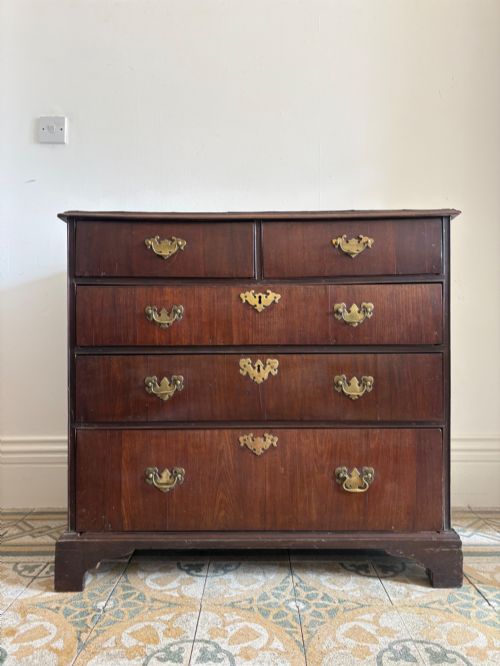
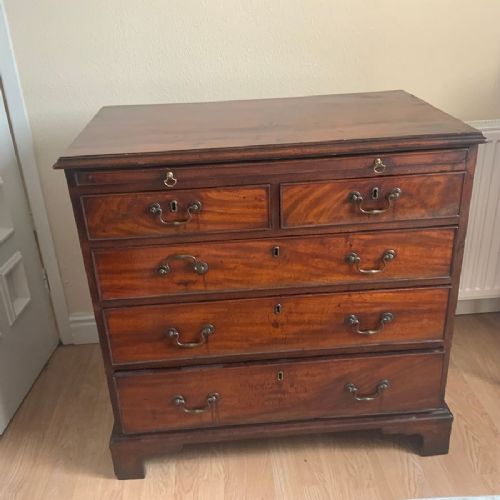


George II Tallboy
A george ii tallboy brings towering storage and rich figured timber into a room, offering the double-stack form collectors prize.

What a george ii tallboy is
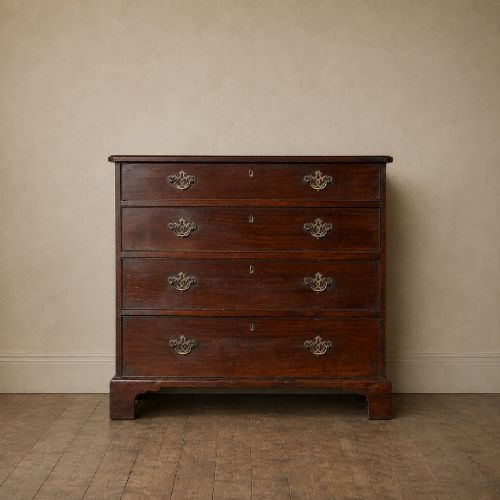
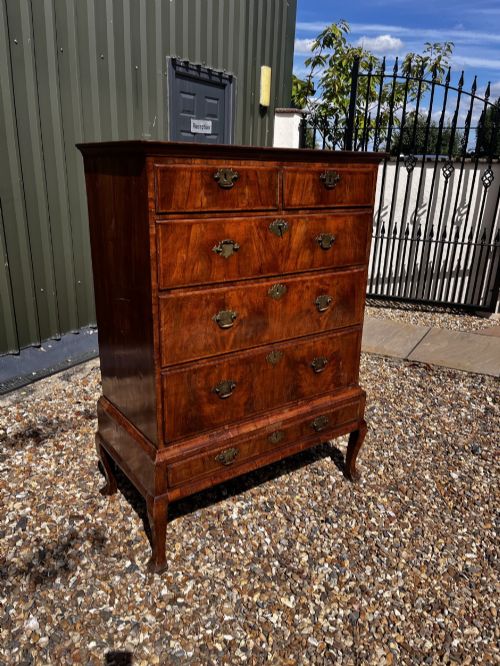
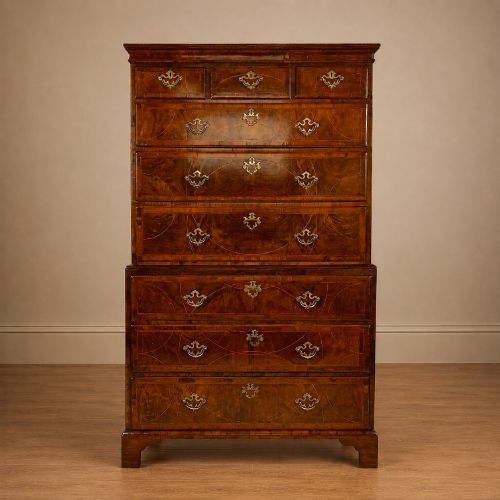
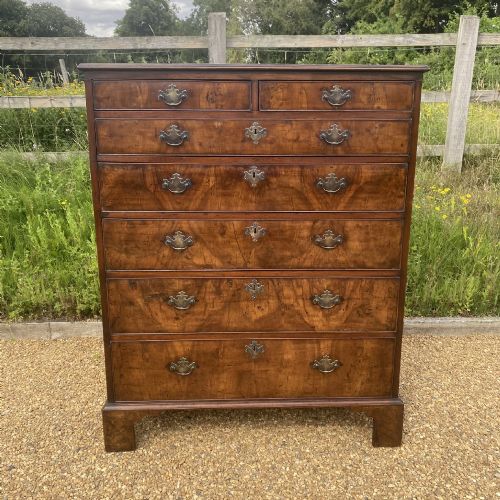
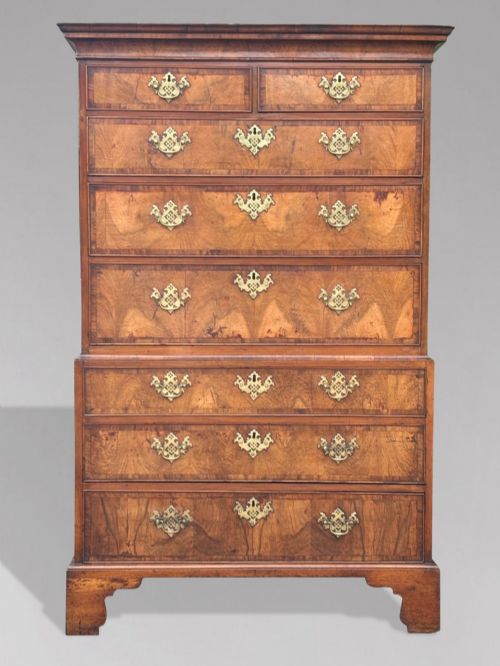
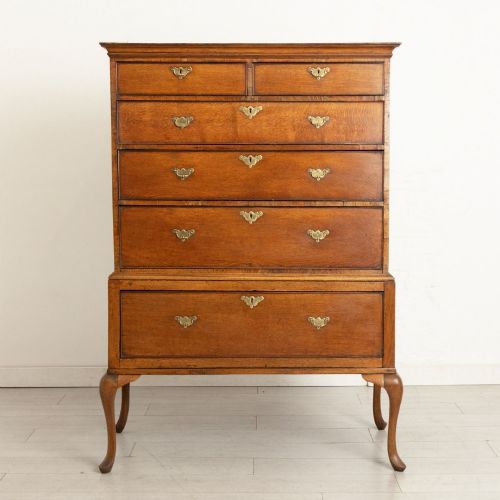
When you search for a george ii tallboy, you are looking at a commanding chest on chest designed to maximise storage in upper and lower sections. These pieces stand tall with a lower chest beneath a matching upper case, creating a striking silhouette against any wall.
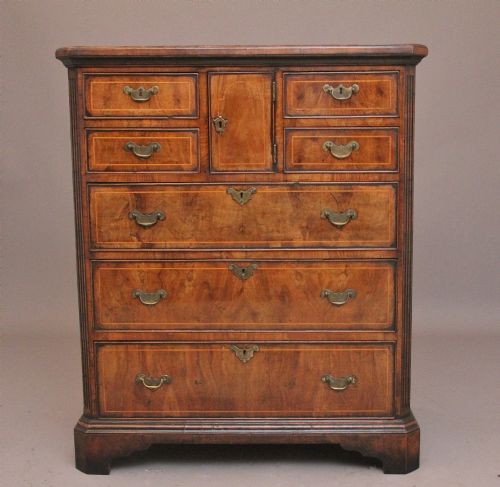
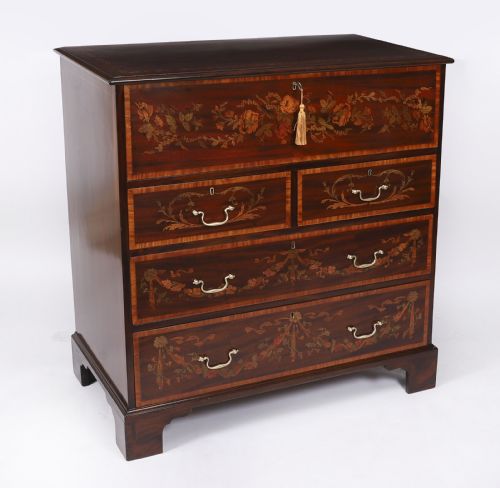
The versions most likely to meet you on this page date from the Georgian period and the eighteenth century, constructed in substantial walnut or rich mahogany. Many examples feature line inlay, sunburst details, or feather banding that accentuates the timber grain across multiple drawers.
Materials and construction
Cabinetmakers built these tall forms using solid timbers and decorative veneers like burr walnut and Cuban mahogany, mounted over sturdy oak or pine carcases. The surfaces often display careful book-matching and cross-banding to frame the drawer fronts.
Brass hardware such as batwing drop handles and key escutcheons secure the drawers, while fine dovetail joints construct the internal boxes. Line inlay and feather banding add precise linear decoration to the main faces.
Retail Price Guide 2026
Typical UK retail prices for george ii tallboy, calculated from the Sellingantiques database of over a million retail prices indexed since 2003. This retail price guide relies exclusively on Sellingantiques data; no external sources or auction records are used, so the figures do not describe the wider market.
Early cabinetmakers thoughtfully split these towers into two halves so homeowners could actually get them up narrow winding staircases.
What separates the best pieces
The finest examples display exceptionally figured burr walnut or rich Cuban mahogany with deep, warm colour and consistent grain patterning across both upper and lower sections. Lesser pieces may use plain veneers or mismatched timbers that lack the visual harmony expected of high-end eighteenth-century work.
Superior construction shows in crisp joinery, intact original brass handles, and precise inlay work that remains flush with the surrounding wood. The overall proportions and the integration of the cornice dictate whether the piece commands the room with authority.
The George II Tallboy Glossary
- Tallboy
- A tall chest of drawers made in two sections, where a narrower upper chest sits atop a wider base. This form provides maximum storage space while maintaining a relatively small floor footprint.
- Chest on chest
- An alternative name for a tallboy, describing the stacked construction of two separate carcases. The division is usually concealed by the moulding beneath the upper section.
- Feather banding
- A decorative inlay technique where thin strips of veneer are laid diagonally in a herringbone pattern around the drawer edges. This adds a subtle border that frames the main wood grain.
- Sunburst inlay
- A radial decorative motif set into the timber surface, frequently seen on upper drawers of walnut pieces. It draws the eye towards the centre of the facade.
- Line inlay
- Narrow strips of contrasting wood embedded flush into the surface to create geometric borders. It defines the drawer fronts and panels on finer Georgian furniture.
Frequently Asked Questions
What is a tallboy?
A tallboy is a two-part chest of drawers where a smaller chest sits directly on top of a larger one. This stacked design provides substantial vertical storage without taking up excessive floor space.
Cabinetmakers of the eighteenth century favoured this form for bedrooms and dressing rooms, combining utility with impressive height.
How do I spot walnut versus mahogany?
Walnut displays a lighter, highly figured grain with rich honey tones and darker feather patterns, often enhanced by burr veneers. Mahogany offers a denser, deeper red-brown hue with a straighter, more uniform grain structure.
Walnut pieces tend to date from the earlier part of the eighteenth century, while mahogany became dominant later on.
Where should I place a tallboy?
Because of their considerable height, tallboys require a wall with adequate vertical clearance and minimal obstruction. They work best in bedrooms or spacious hallways where their imposing proportions can anchor the room.
Ensure the piece is properly secured to the wall to prevent tipping, especially given the heavy timber construction.
What does chest on chest mean?
Chest on chest is simply the traditional descriptive term for a tallboy, referring to the physical construction of an upper chest resting upon a lower one. The two halves separate for easier transport and installation.
This terminology appears frequently in historical records and dealer descriptions alongside the word tallboy.