
English Walnut Furniture
English walnut furniture brings warmth and rich grain to a room, offering centuries of craftsmanship in practical forms.
What these pieces are
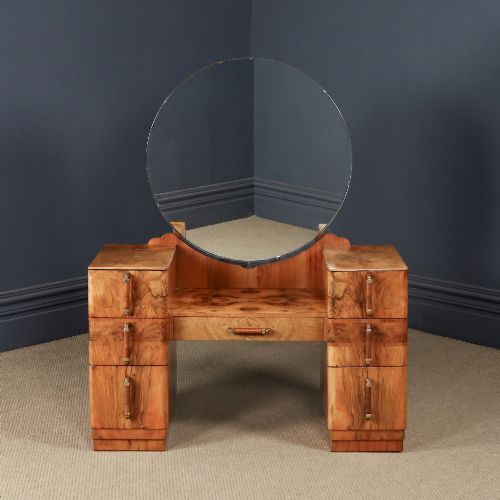
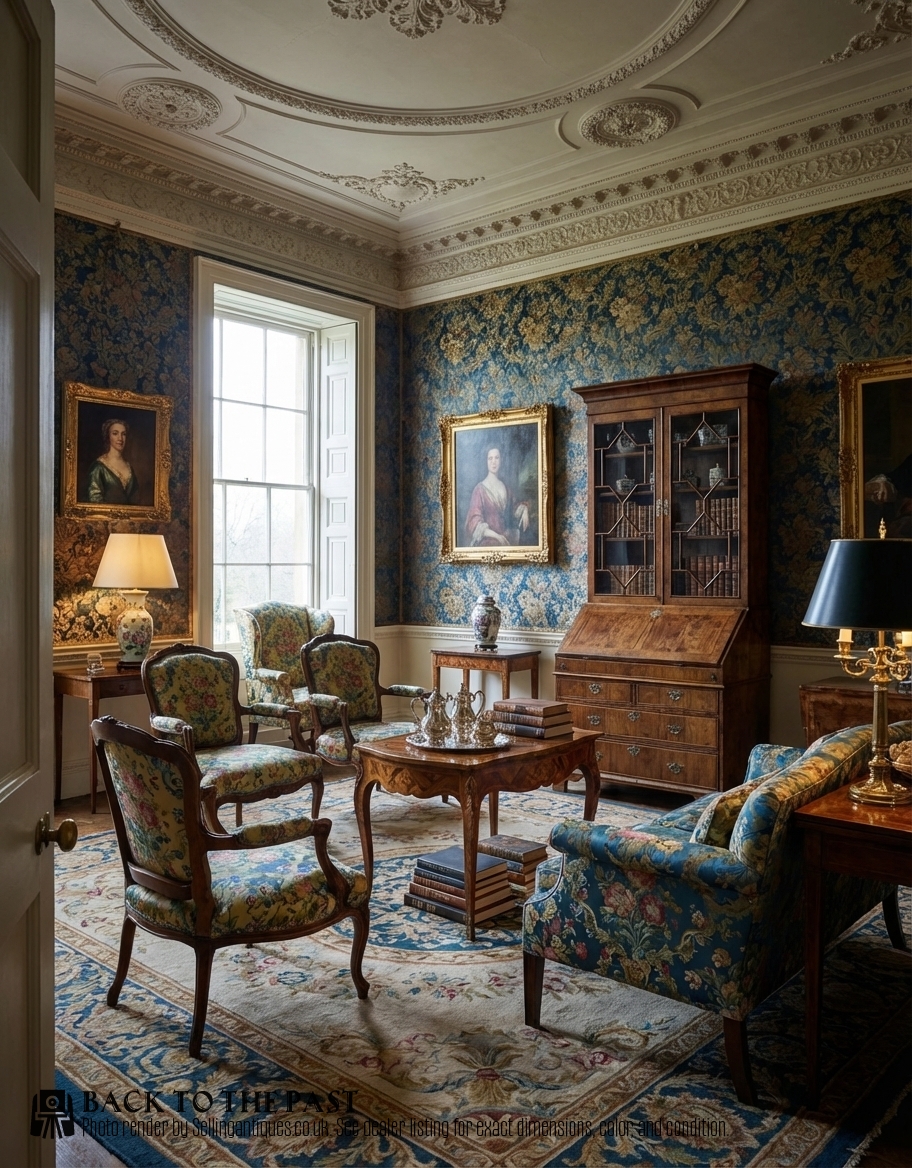
The pieces belong principally to the Georgian era, including Queen Anne, George I, and George II styles. Earlier and later examples appear too, stretching from the late seventeenth century through the Regency period to twentieth-century suites.
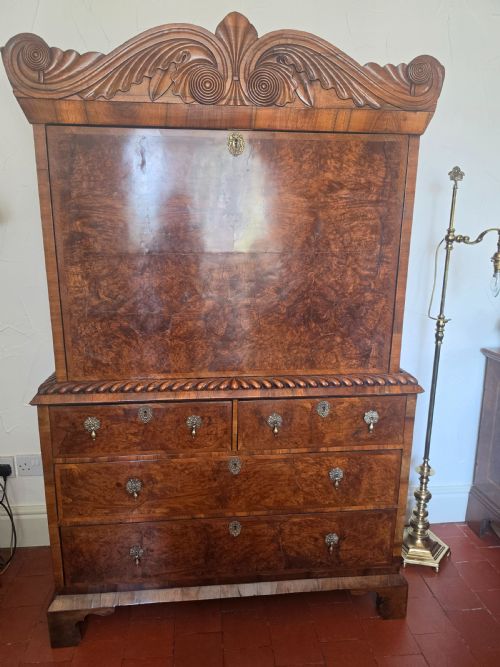
Makers and workshops utilised native timber before turning heavily to burr veneers. Buyers encounter everything from small gateleg tables to towering bureau bookcases and tallboys designed for serious storage.
How they were made
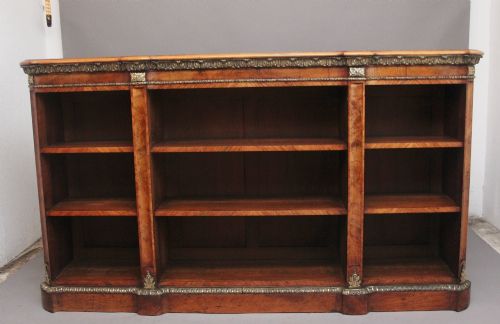
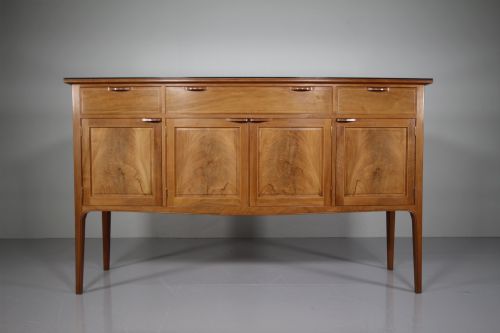
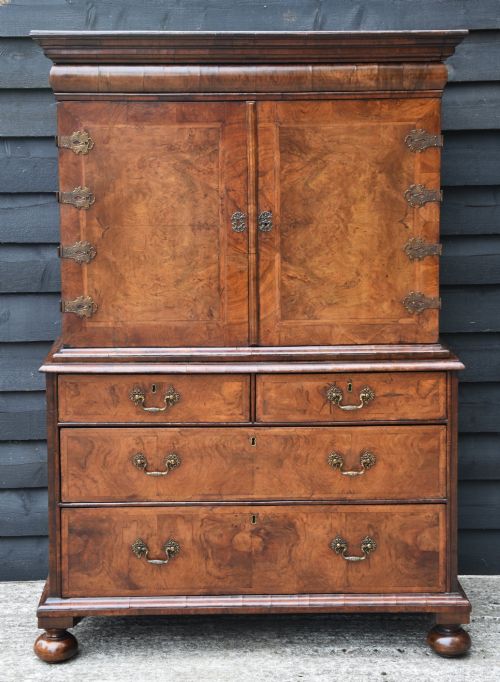
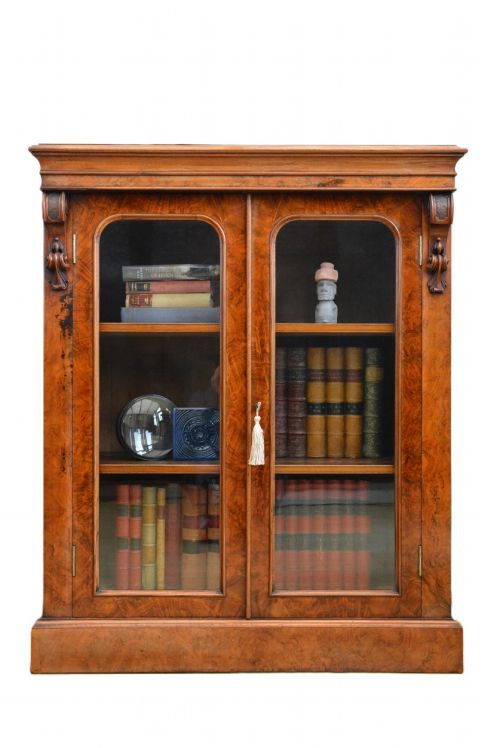
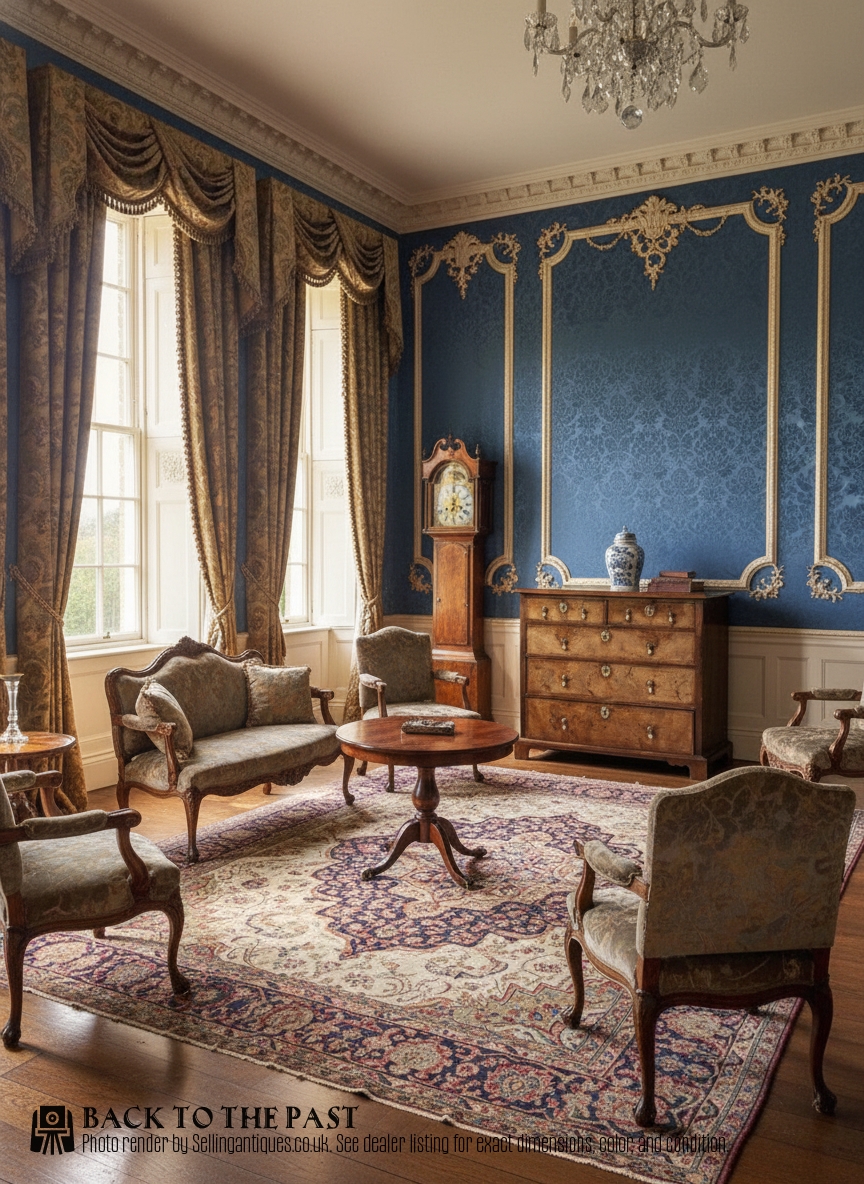
Makers built these pieces using solid walnut, oak, and burr walnut veneer over secondary woods. Brass fittings such as handles and escutcheons secured drawers and doors, while glass panels appeared in bookcase doors.
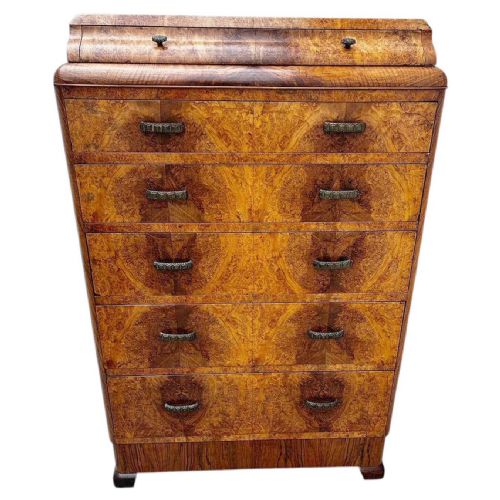
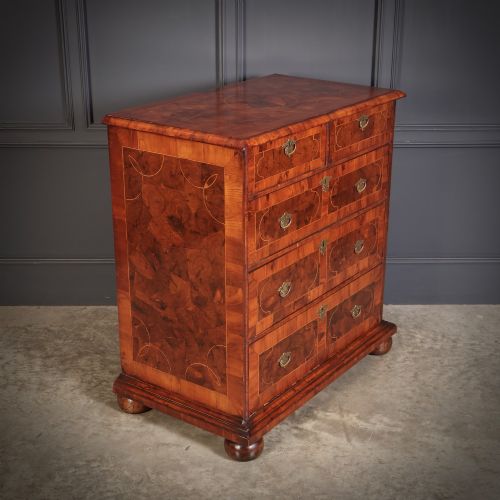
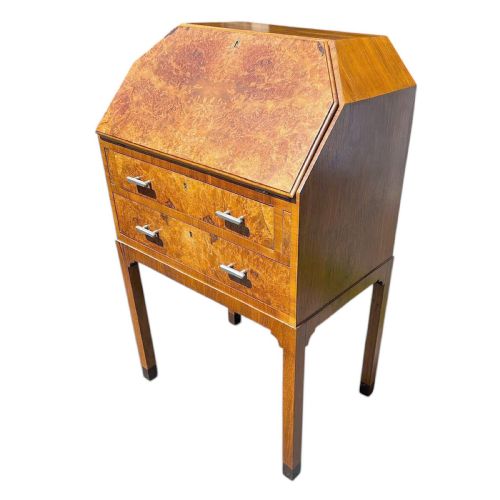
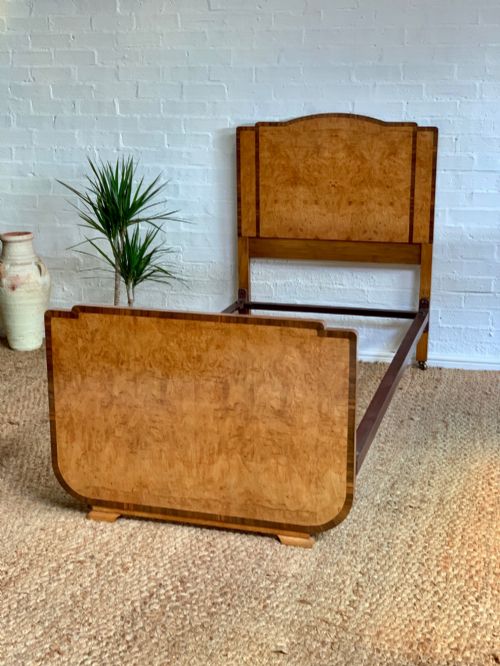
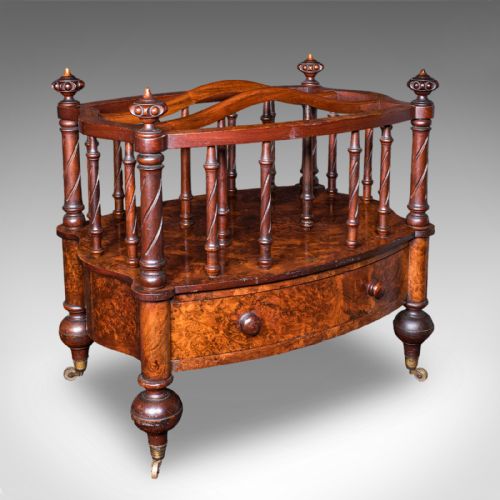
Cabinetmakers selected figured and burr timber to create striking patterned surfaces across drawer fronts and fall-front desks. Secondary timbers like oak provided strong internal framing for drawers and carcases.
Retail Price Guide 2026
Typical UK retail prices for english walnut furniture, calculated from the Sellingantiques database of over a million retail prices indexed since 2003. This retail price guide relies exclusively on Sellingantiques data; no external sources or auction records are used, so the figures do not describe the wider market.
Materials recorded across the inventory include solid walnut, burr walnut veneer, oak, brass, and glass.
What varies in quality
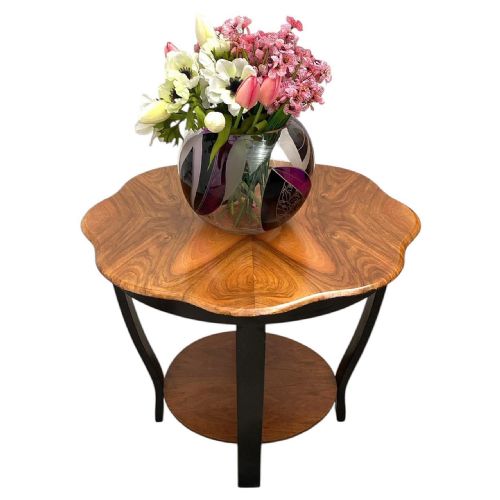
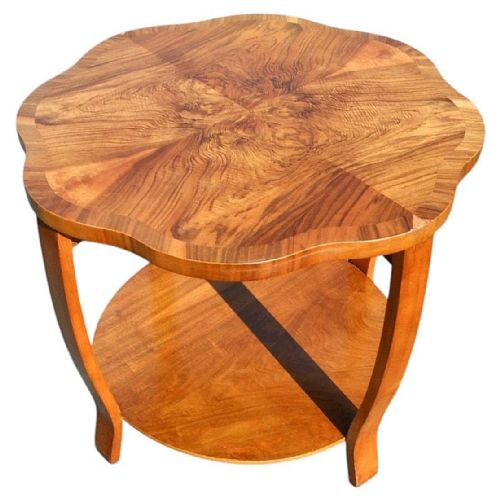
Quality rests in the choice of timber and the handling of the grain. Figured and burr walnut veneers demand immense skill from the cabinetmaker, who matched patterns across large surfaces.
Construction details separate standard work from the finest pieces. The thickness of the timber, the cut of the dovetails, and the integrity of the brass hardware determine the standing of each piece.
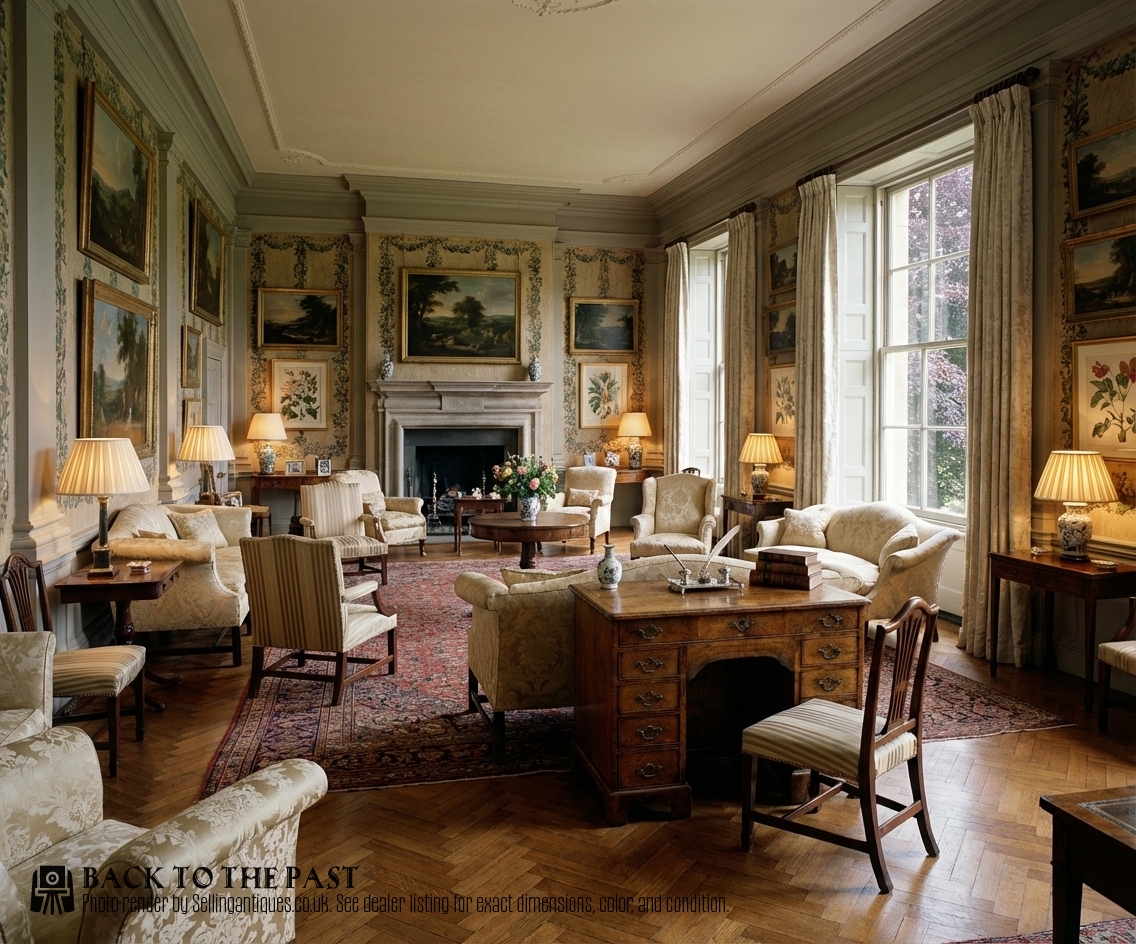
M. P. Davis Furniture of London
The English Walnut Furniture Glossary
- Bureau bookcase
- A writing cabinet featuring a sloping fall-front desk combined with shelving enclosed by doors above. It serves as both a workspace and a display or storage unit.
- Chest on stand
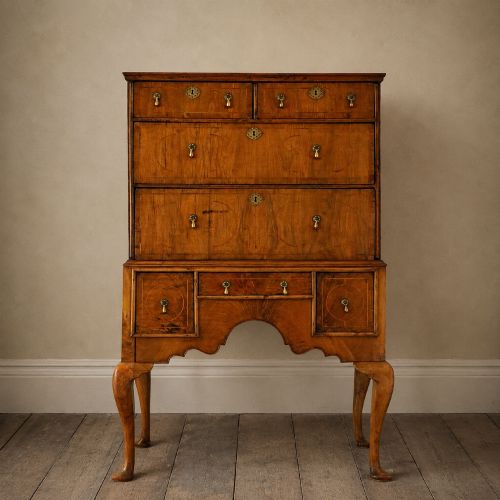
- A tall storage chest raised on an open frame with legs rather than resting directly on the floor. This form lightens the visual weight of heavy timber.
- Knee-hole desk
- A compact writing table featuring a central recessed space for the legs, flanked by pedestals of small drawers. George II examples show sophisticated veneering on these fronts.
- Tallboy
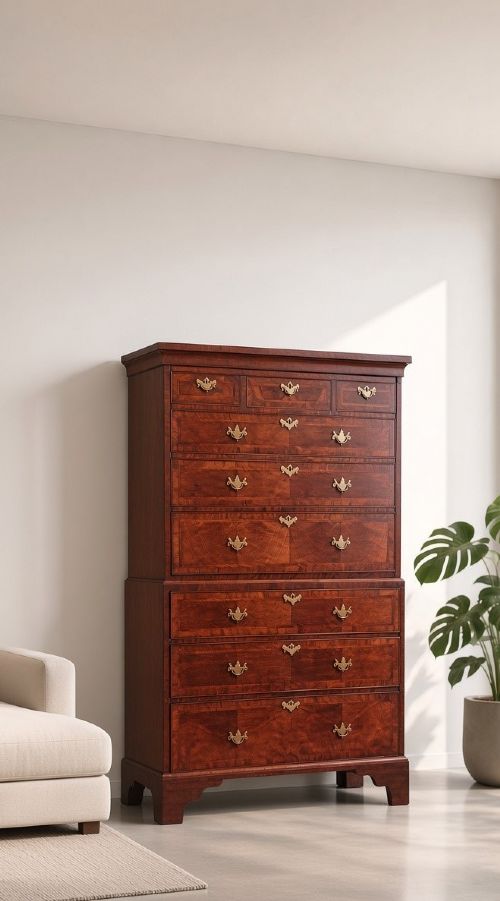
- A tall chest on chest where a smaller set of drawers sits stacked upon a larger base unit. It maximises vertical storage space in a bedroom or dressing room.
Frequently Asked Questions
How do I date a walnut chest?
Dating relies on stylistic clues like drawer construction, handle types, and leg shapes. Queen Anne and George I pieces show different proportions and foot designs compared to later Georgian work.
Examine the secondary woods inside the drawers and the thickness of the timber used for the backboards. These hidden construction methods reveal the period of manufacture.
Are bureau bookcases practical today?
These pieces offer immense utility for modern homes, combining enclosed shelving with a fold-down writing surface. They suit studies, living rooms, and large hallways.
The internal compartments and small drawers provide ideal storage for stationery and modern writing materials.
What is burr walnut?
Burr walnut comes from a growth on the tree where the grain grew in a distorted, swirling pattern. It creates intense visual movement when polished.
Cabinetmakers sliced this timber into thin veneers to ornament the most prominent faces of desks and chests.
How do I care for antique walnut?
Keep wooden pieces away from direct sunlight and steady sources of heat to prevent the veneer from drying out and lifting. Regular dusting with a soft cloth maintains the finish.
Apply a traditional wax polish sparingly to nourish the timber and preserve the warm lustre of the surface.