

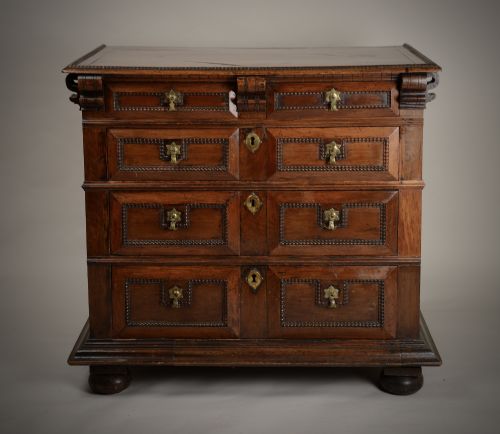


Traditional Walnut Tallboy
These traditional walnut tallboy pieces are stately upright chests built to hold your linens, bringing classic timber warmth and vertical storage to any bedroom.
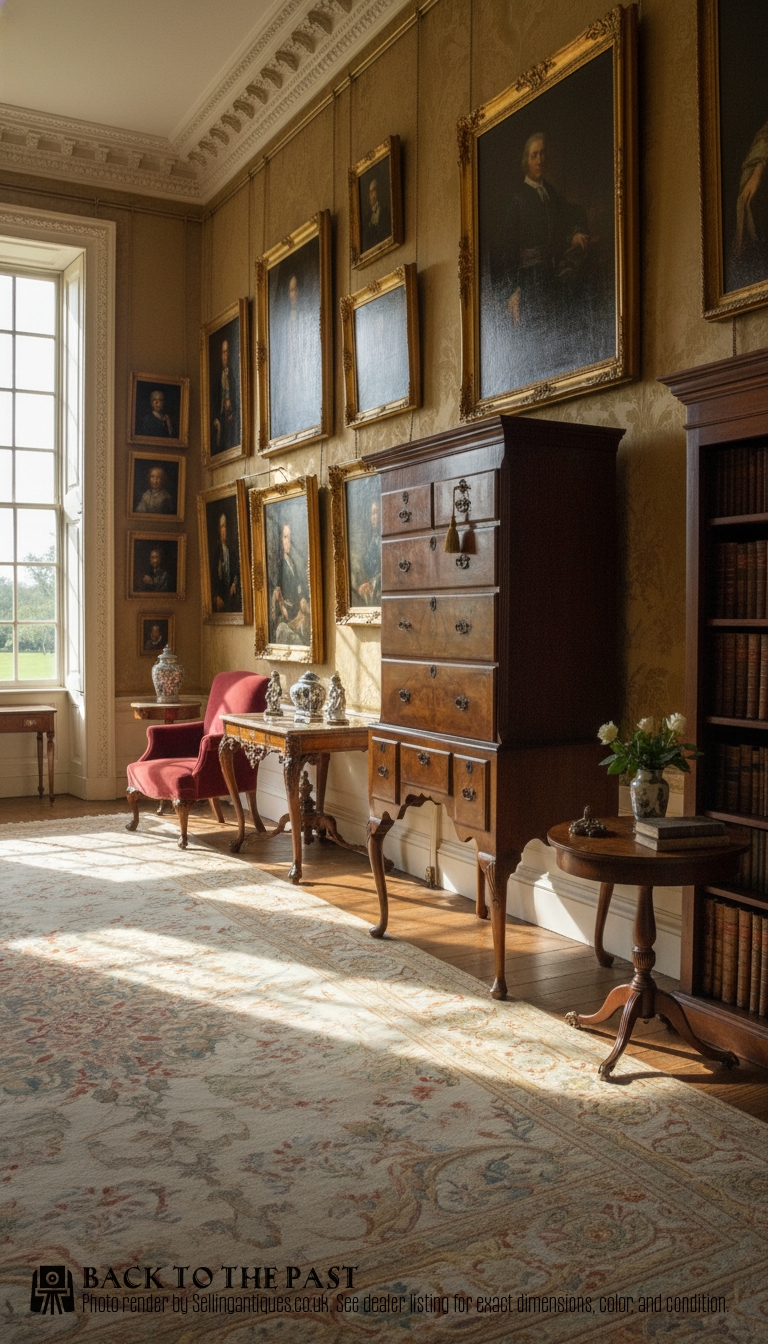
Traditional walnut tallboy
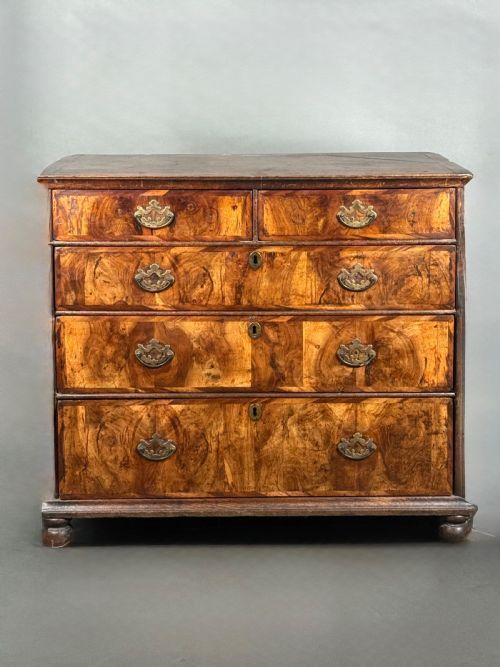
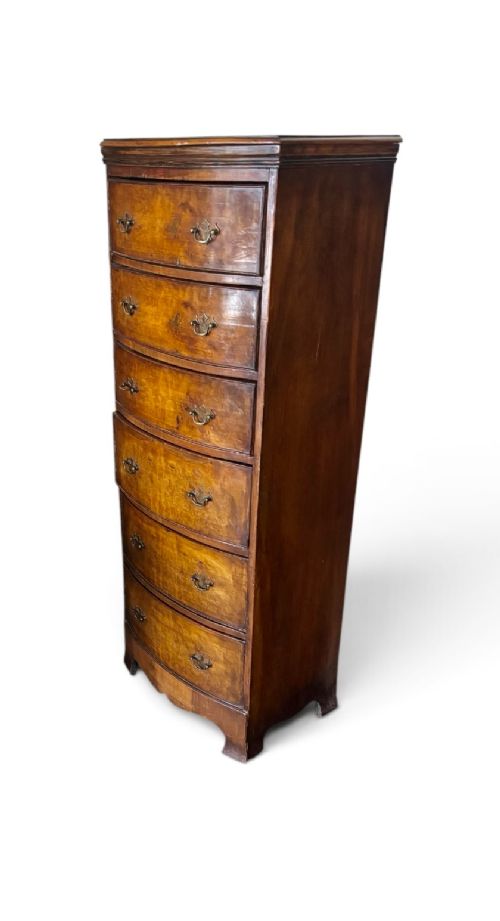
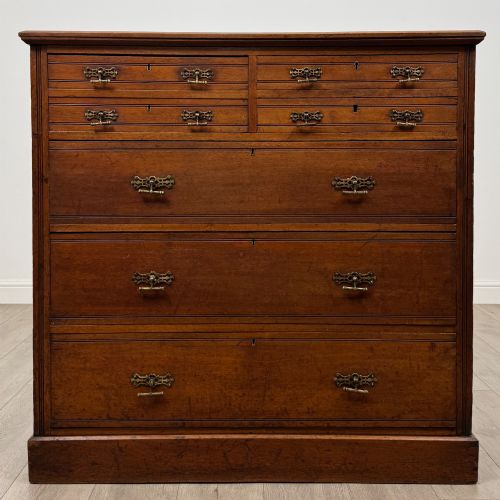
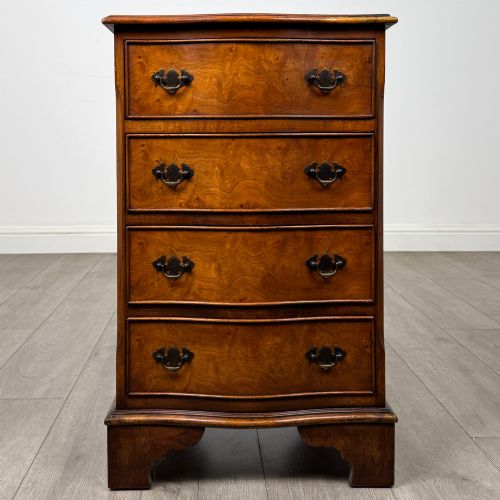
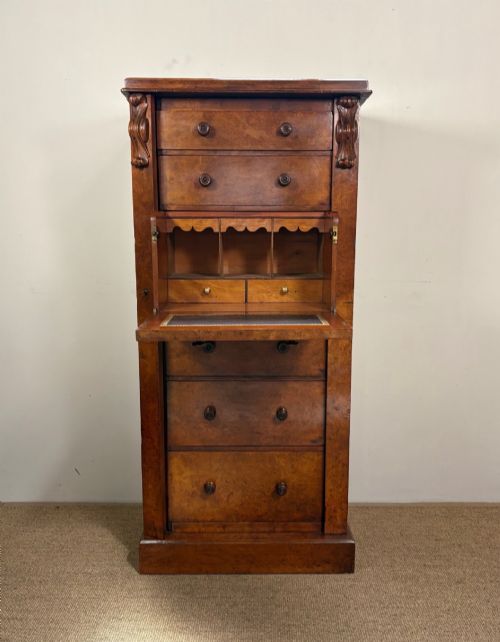
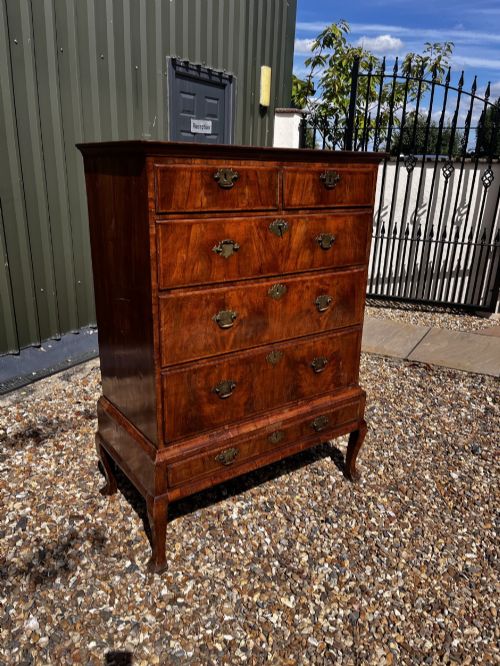
A traditional walnut tallboy is an upright chest of drawers or chest on stand, combining height with a relatively small footprint. These pieces provide substantial storage capacity without dominating the floor space of a room.
The pieces listed here span several distinct periods, including the Georgian era, the 18th century, Edwardian times, and the early 20th century. You will encounter forms styled in the manner of Queen Anne and George II alongside later iterations from 1890 through 1930.
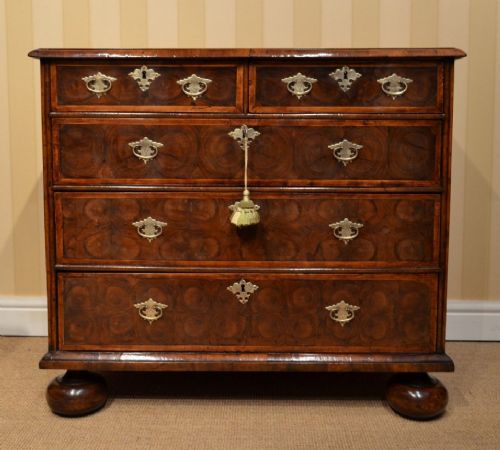
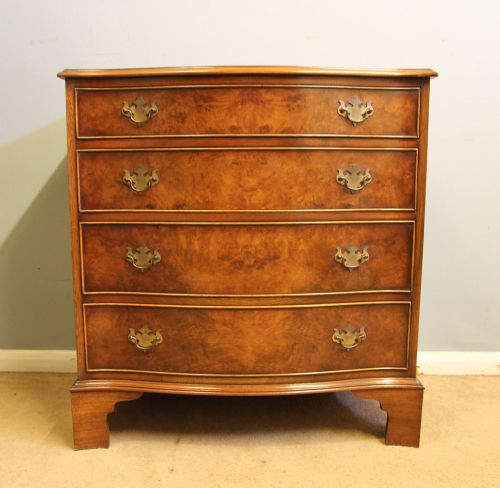
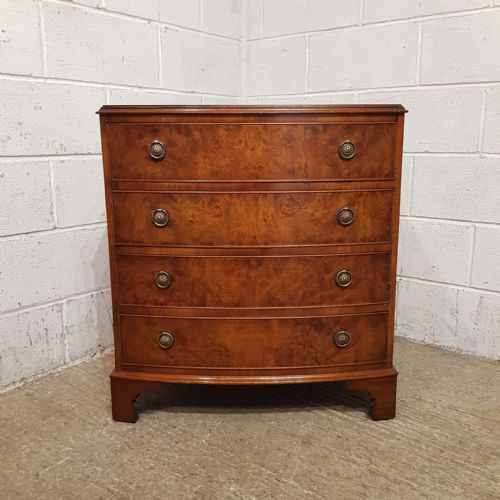
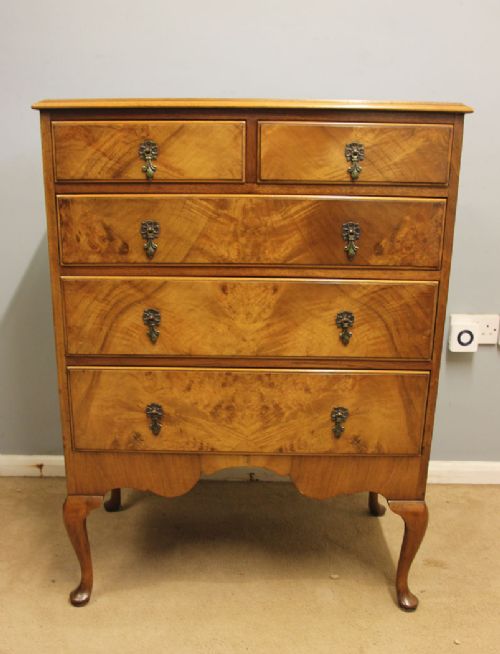
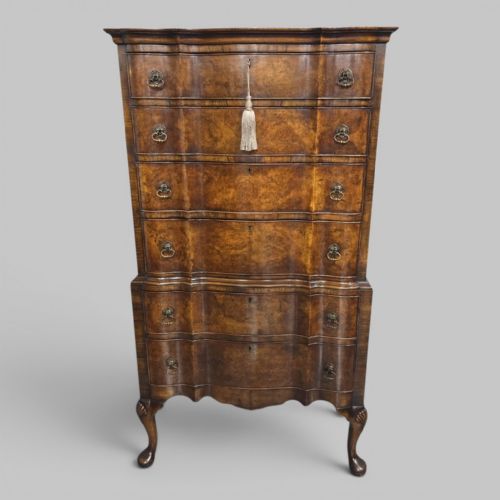
Common forms on this page include chest on stand designs, chest on chest configurations, and bow front chests of drawers. Each variant uses vertical stacking to maximise storage while showcasing the distinctive grain of the wood.
Materials and construction
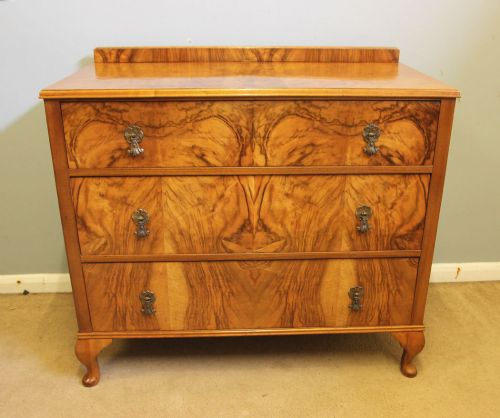
Walnut serves as the primary timber across these pieces, frequently utilising figured walnut and burr walnut veneers to create rich, patterned surfaces on the drawer fronts and panels. Supporting woods like oak often provide structural integrity to the internal carcases and drawer linings.
Metal fittings such as brass handles and escutcheons complement the dark timber tones, reflecting traditional cabinet-making methods of the respective periods. The construction relies on traditional joinery techniques suited to stacking heavy timber sections securely.
Retail Price Guide 2026
Typical UK retail prices for traditional walnut tallboy, calculated from the Sellingantiques database of over a million retail prices indexed since 2003. This retail price guide relies exclusively on Sellingantiques data; no external sources or auction records are used, so the figures do not describe the wider market.
Some tallboys stand so high that dusting the top cornice requires a steady chair and a very long reach.
Assessing quality
The distinction between standard examples and the finest pieces rests upon the selection and matching of the walnut veneers. Elaborate burr or figured walnut patterns carefully arranged across multiple drawers indicate superior cabinet-making ambition.
Proportion and the handling of period styles also set items apart, particularly in George II and Queen Anne interpretations where cornice mouldings, brasses, and stand designs dictate the overall elegance of the silhouette.
The Traditional Walnut Tallboy Glossary
- Tallboy
- An upright chest of drawers, often built as a chest on chest or chest on stand to provide high-capacity vertical storage. This form became popular for bedroom use in the 18th century.
- Burr walnut
- A prized timber veneer sourced from walnut tree growths, featuring swirling, knotty patterns that create decorative surface textures. Cabinet makers reserve this material for prominent exterior panels.
- Chest on stand
- A cabinet form where an upper chest rests upon a separate low table base, typically featuring legs and sometimes a small drawer. This elevated design lightens the visual weight of tall furniture.
- Figured walnut
- Timber exhibiting natural grain variations and chatoyancy that catch the light differently depending on the viewing angle. Craftsmen select these boards to enhance the visual depth of drawer fronts.
- George II
- An architectural and furniture style spanning the mid-18th century, known for robust proportions, understated carved details, and fine walnut or mahogany surfaces.
Frequently Asked Questions
What is a tallboy?
A tallboy is a tall chest of drawers designed to provide ample vertical storage within a compact floor footprint. These pieces often feature stacked sections or elevated stands.
Historically used in bedrooms for linens and clothing, they combine practical utility with prominent decorative wood grain.
How do I date a tallboy?
Dating involves examining the timber types, construction methods, and stylistic cues such as hardware and leg forms. Pieces range from 18th-century Georgian designs to early 20th-century Edwardian interpretations.
Details like dovetail joints and veneer preparation offer further clues to the specific manufacturing era.
Where should I place a tallboy?
These upright chests suit bedrooms, hallways, or dressing rooms where floor space is limited but vertical wall height is available. Their tall proportions draw the eye upward.
Ensure the piece sits on level flooring, and use appropriate wall fixings if necessary for stability.
What is burr walnut?
Burr walnut is a decorative wood veneer harvested from tree burls, yielding complex, swirling patterns. It appears on high-status furniture fronts.
This material requires careful polishing and maintenance to preserve its distinctive reflective quality.