

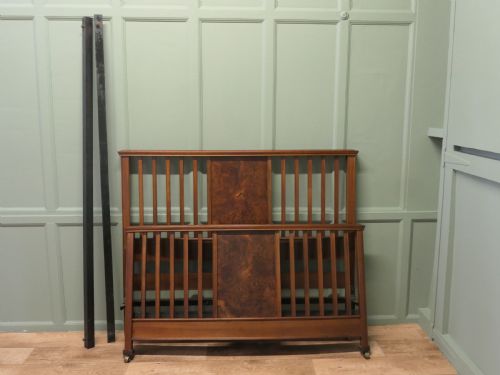
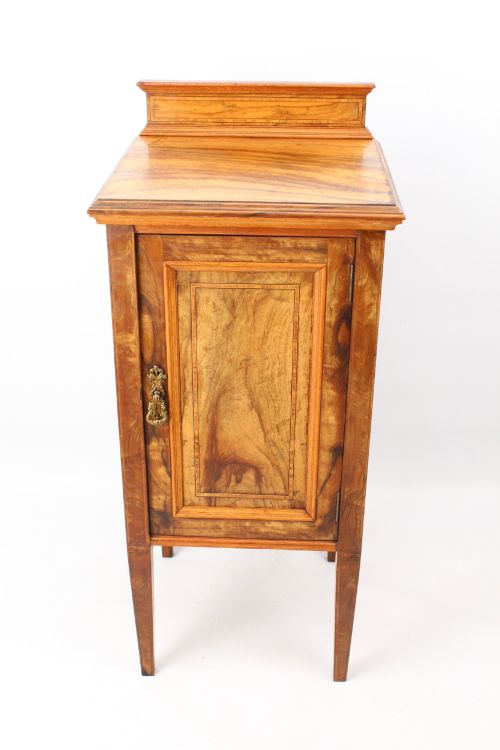
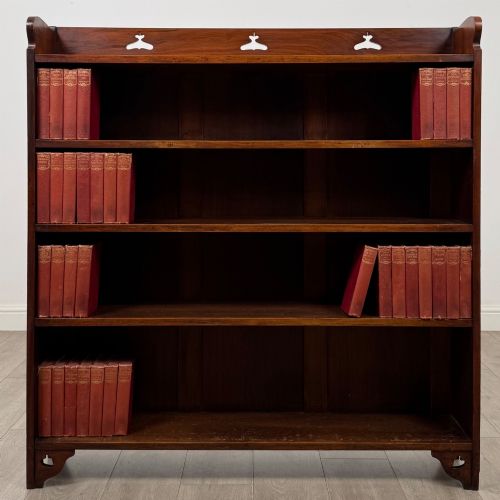
Edwardian Walnut Furniture
Edwardian walnut furniture offers practical elegance and warm timber tones for the home.
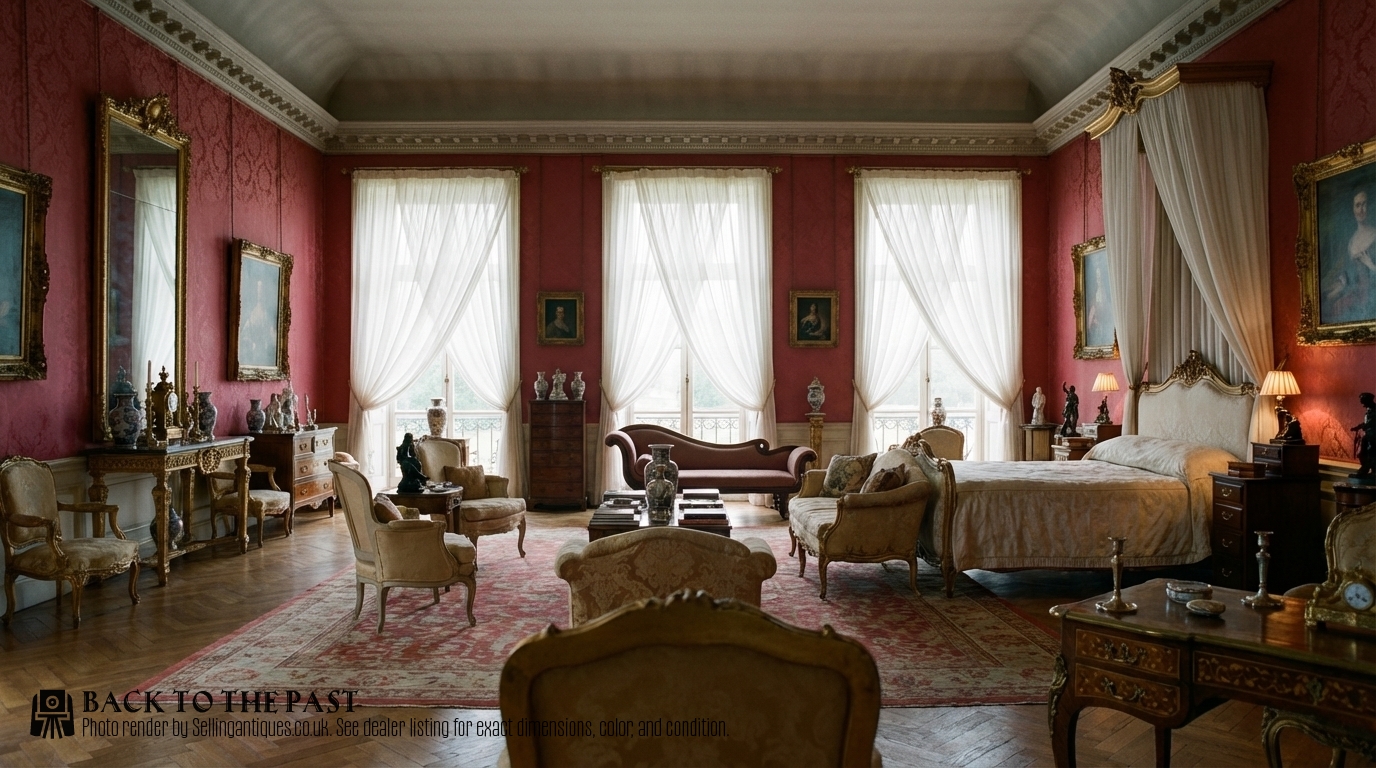
What Edwardian Walnut Furniture Is
Edwardian walnut furniture comprises practical household pieces produced around the start of the twentieth century. These items bring functional design and rich wood grain together for everyday domestic use.
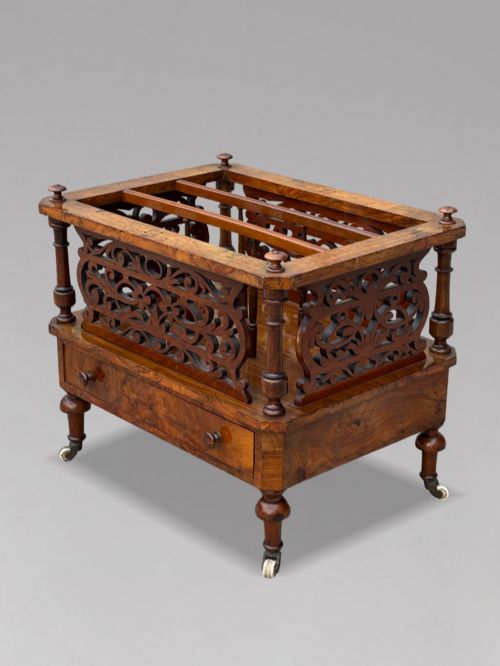
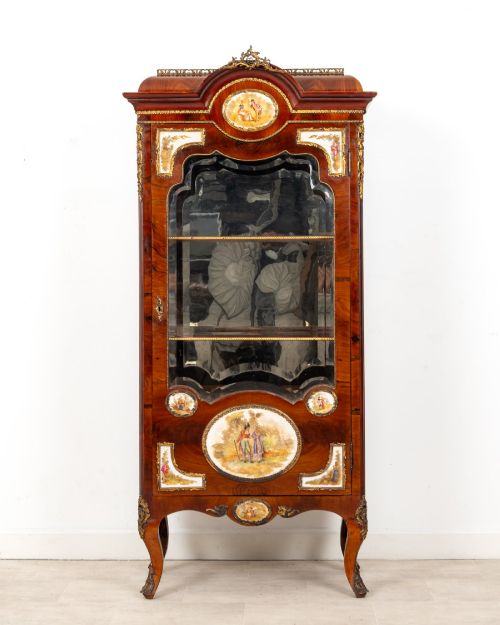
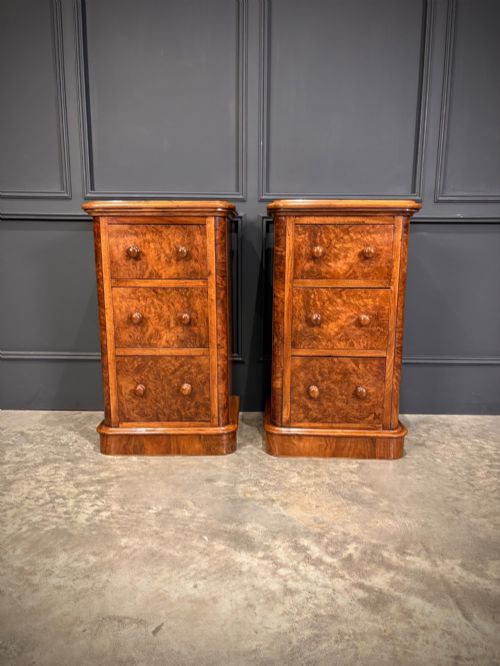
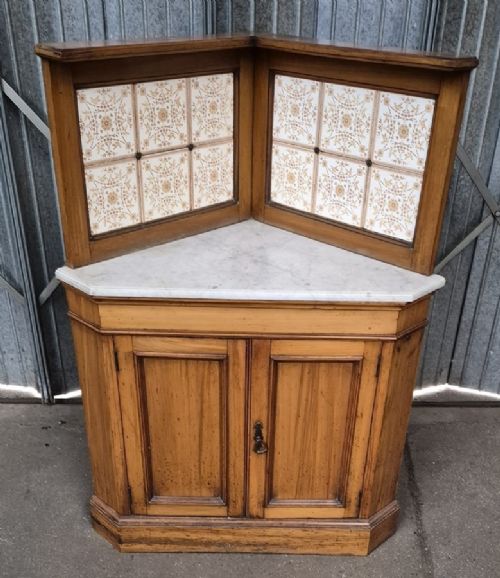
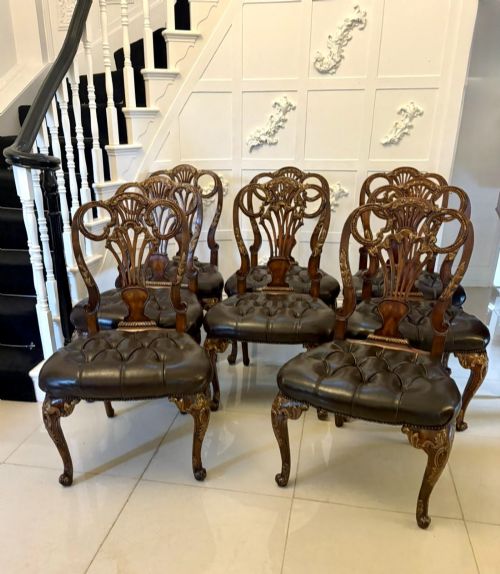
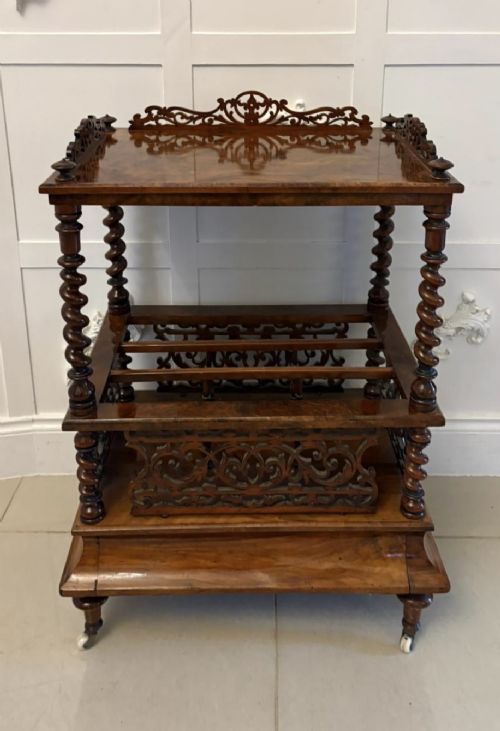
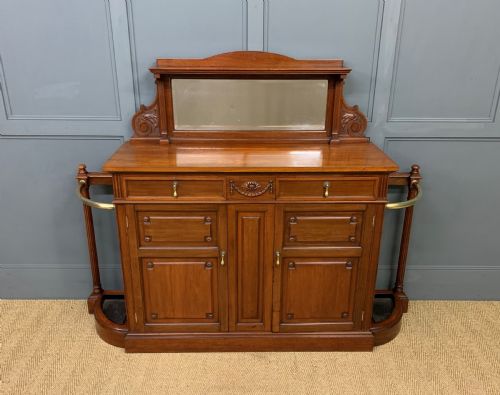
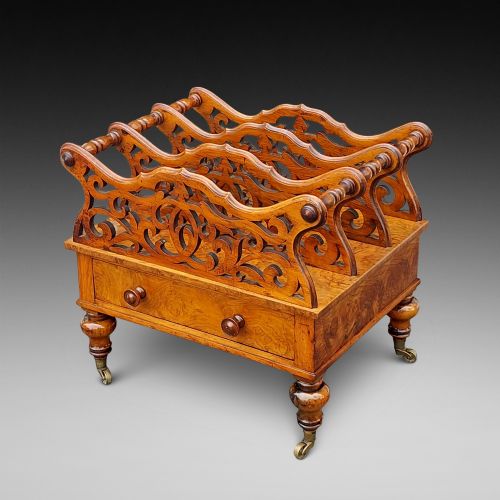
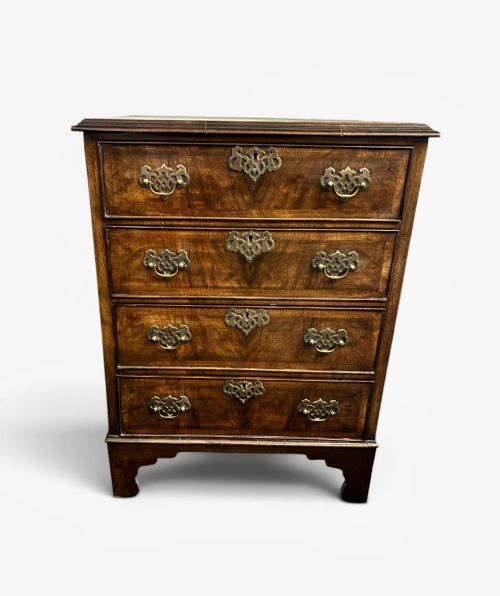
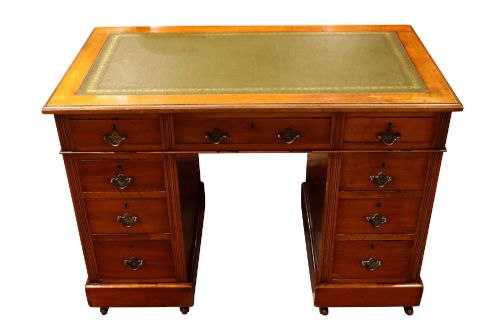
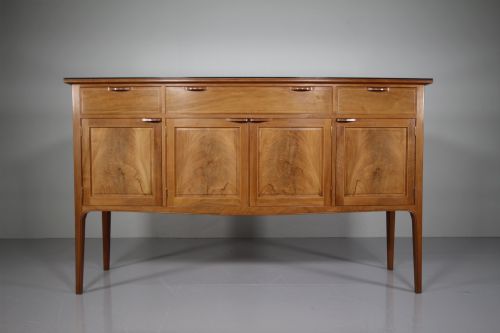
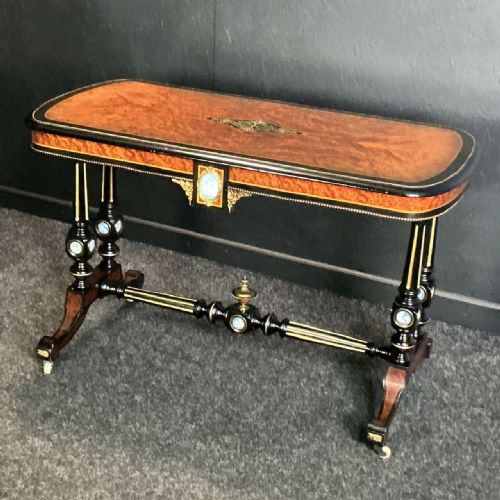
The pieces on this page span several useful forms rather than a single type. You will encounter music cabinets, revolving bookcases, oval centre tables, chests of drawers, bedside chests, and nests of four tables.
Dating primarily from the Edwardian period and around nineteen hundred, with some examples reaching back to eighteen ninety, these items represent the domestic cabinet-making of their era. Walnut serves as the primary material across these forms.
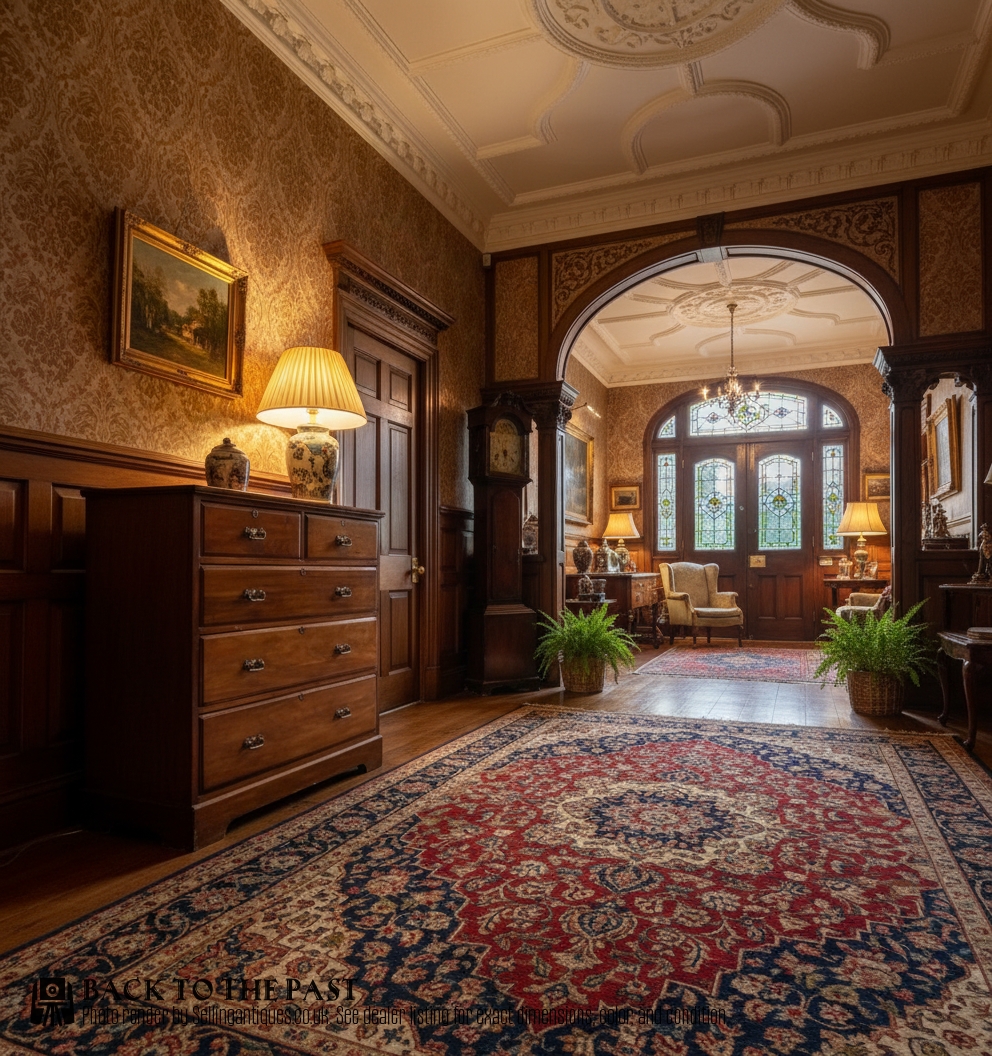
How They Were Made
Makers utilised solid walnut and figured burr walnut for surfaces, paired with contrasting timbers such as boxwood and satinwood for decorative inlay work. Metal components like brass and iron appear on functional hardware.
Construction relies on traditional cabinet-making techniques suited to each specific form, from revolving mechanisms on bookcases to nested table frames and multi-drawer carcases.
Retail Price Guide 2026
Typical UK retail prices for edwardian walnut furniture, calculated from the Sellingantiques database of over a million retail prices indexed since 2003. This retail price guide relies exclusively on Sellingantiques data; no external sources or auction records are used, so the figures do not describe the wider market.
Current listings feature walnut, burr walnut, brass, iron, boxwood, and satinwood across multiple forms.
What Varies in Quality
Quality rests in the choice of timber figure, particularly the depth of burr walnut veneers, and the crispness of contrasting inlay details like boxwood and satinwood. Finer pieces display careful selection of grain patterns across prominent surfaces.
The integration of functional hardware, such as brass fittings and mechanical revolving actions, distinguishes standard production from superior examples that retain smooth operation and robust construction.
The Edwardian Walnut Furniture Glossary
- Burr Walnut
- A figured wood veneer derived from the growth excrescences of walnut trees, prized for its swirling patterns. It appears frequently on cabinet doors and tabletops.
- Revolving Bookcase
- A freestanding bookcase designed to rotate on a central base for easy access to books from any angle. These feature prominently in Edwardian studies and libraries.
- Inlay
- A decorative technique where contrasting materials such as boxwood and satinwood are inserted into recesses in the walnut surface. This creates geometric or botanical patterns.
- Nest of Tables
- A set of graduated tables designed to fit neatly beneath one another when not in use. They provide flexible surface space in principal rooms.
Frequently Asked Questions
What is Edwardian walnut furniture?
Edwardian walnut furniture encompasses domestic items produced around the turn of the twentieth century using walnut timber.
These pieces range from music cabinets and revolving bookcases to chests of drawers and nested tables.
How do I identify walnut timber?
Walnut is a dense hardwood known for its rich brown colour and varied grain patterns, sometimes showing dramatic figuring in burr sections.
Cabinet-makers often combined it with lighter woods like boxwood and satinwood for contrast.
Where were these pieces used?
These items served specific practical functions in Edwardian homes, including bedside storage, music sheet organisation, and central display surfaces.
Their varied forms allowed them to fit into bedrooms, drawing rooms, and studies alike.
What styles accompany Edwardian walnut?
The pieces carry the distinct aesthetic of the Edwardian era, spanning the late nineteenth century and the early nineteen hundreds.
Design focuses on utility combined with refined decorative details like inlaid banding.