

Edwardian Walnut Side Table
An edwardian walnut side table brings refined domestic utility and rich timber grain to a room.
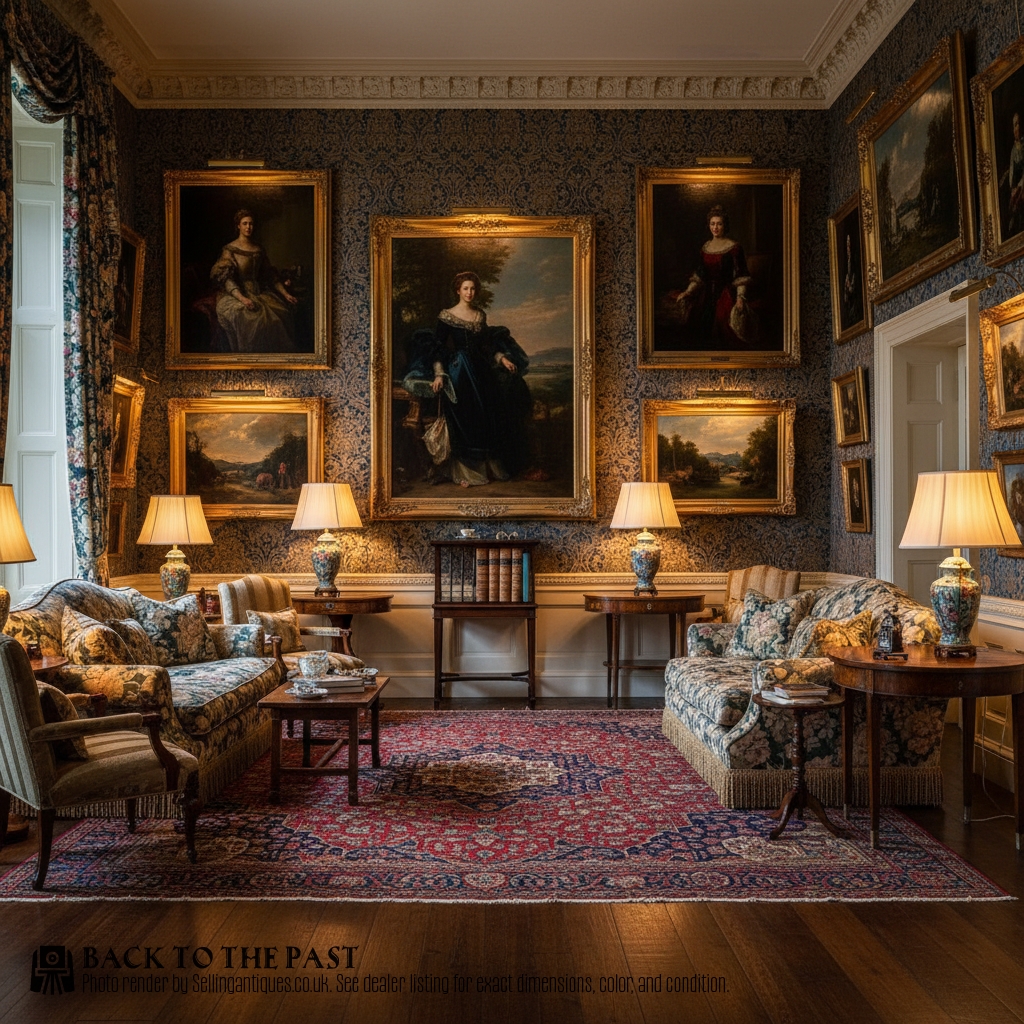
Edwardian Walnut Side Table
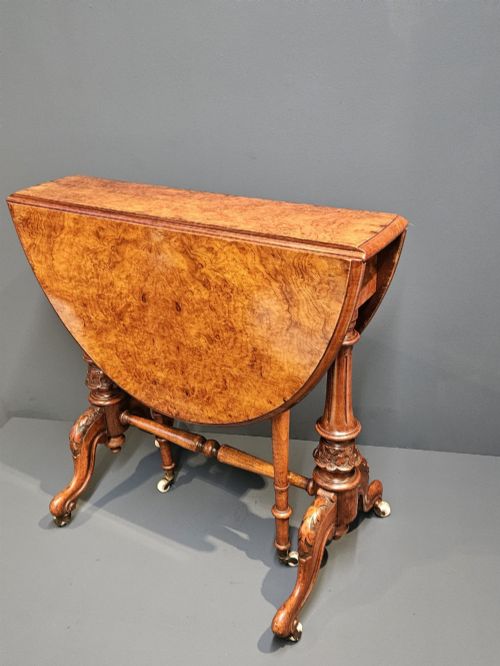
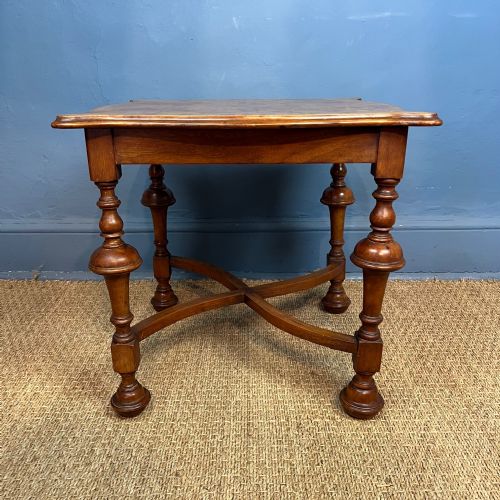
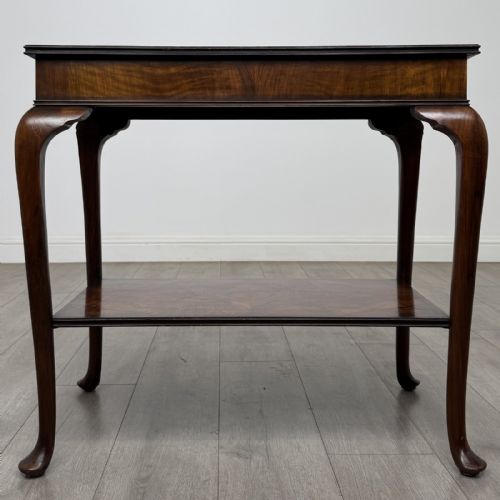
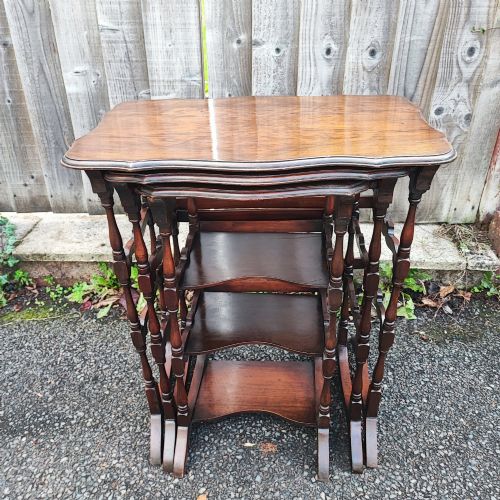
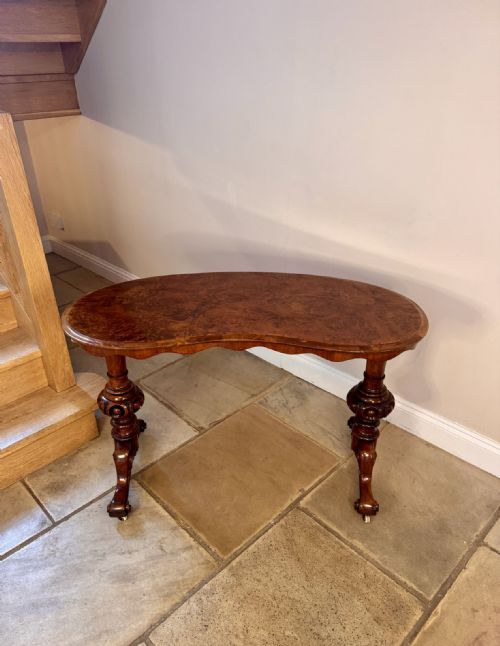
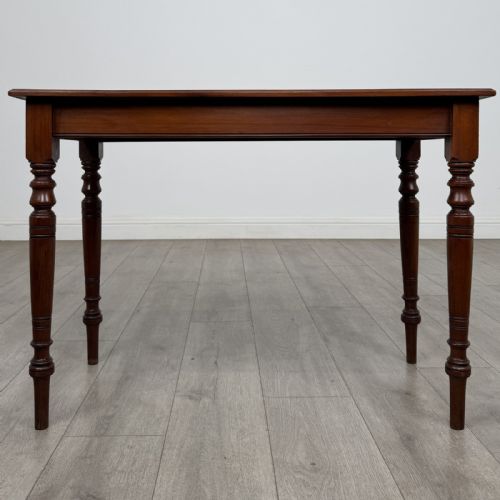
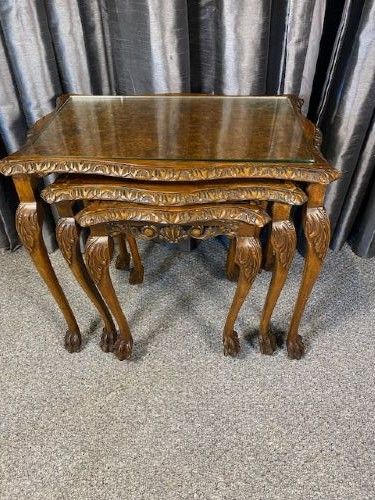
The search for an edwardian walnut side table opens a varied selection of compact occasional pieces designed for domestic convenience during the early twentieth century. These furnishings range from simple rectangular lamp tables and kidney-shaped surfaces to nested trios and serpentine-fronted designs.
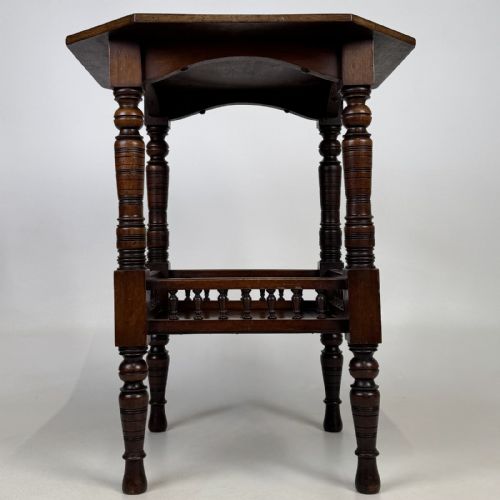
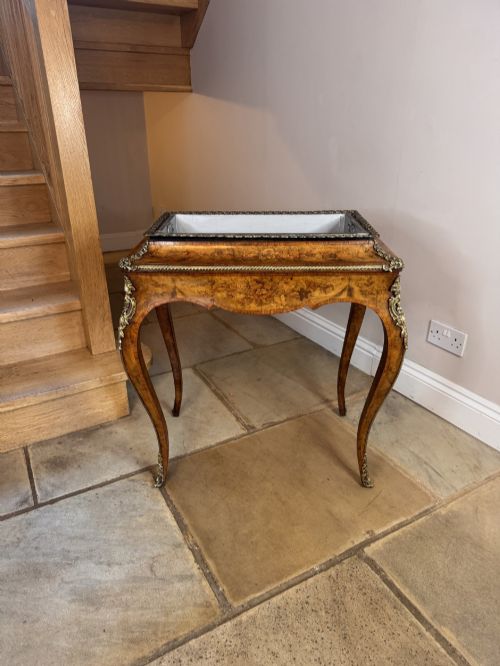
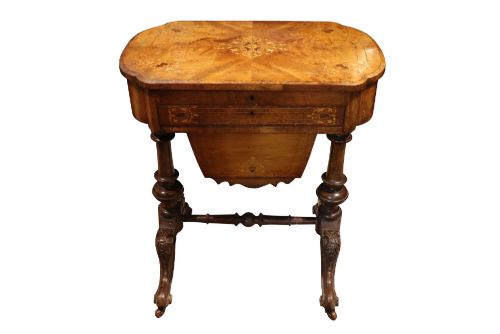
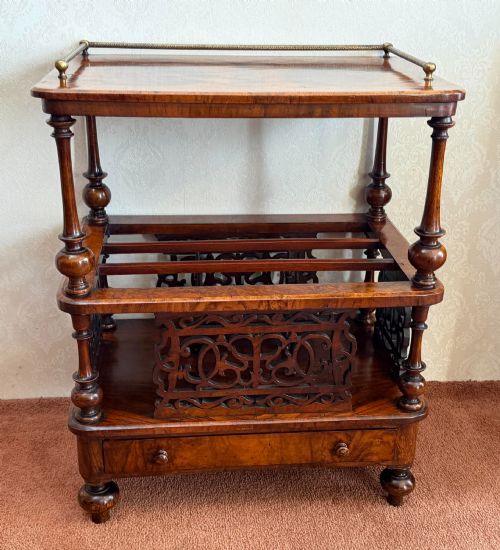
Makers of the period adapted earlier styles, producing pieces that reflect Edwardian, Queen Anne Revival, and Arts and Crafts influences. Many examples incorporate lower tiers, small drawers, or marquetry inlay to enhance their decorative appeal in a hallway or drawing room.
While the pieces span the nineteenth and early twentieth centuries, the core of this selection centres on items produced around nineteen hundred. Buyers frequently encounter walnut timbers augmented by satinwood, mahogany, or brass details.
Materials and Technique
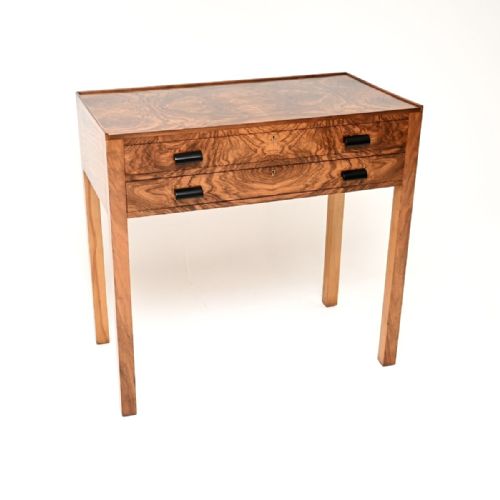
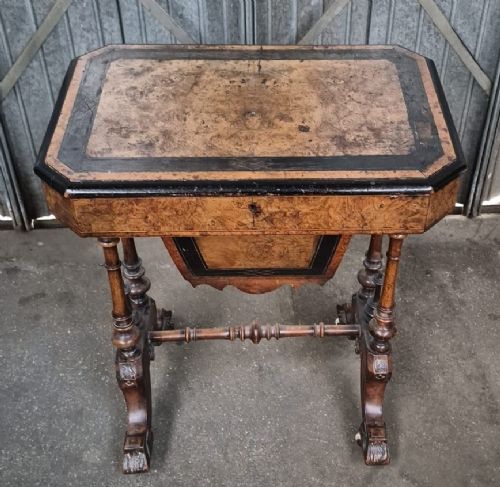
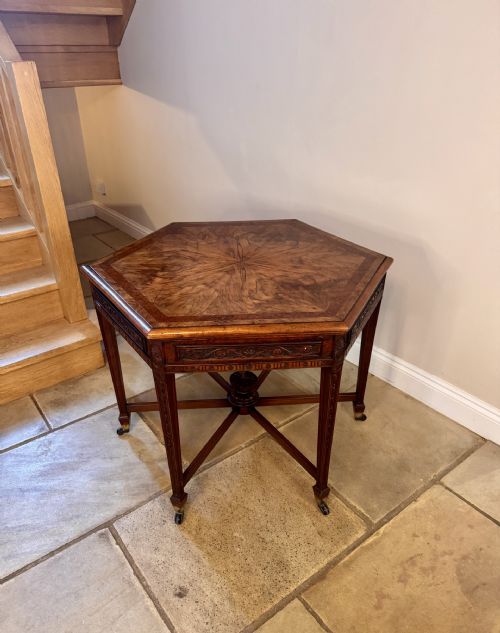
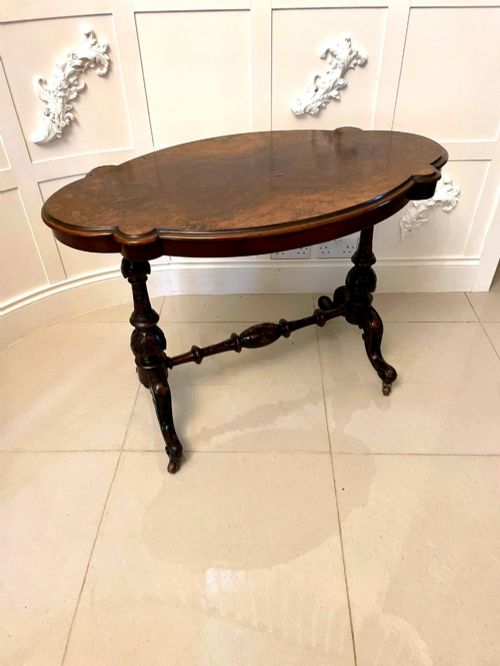
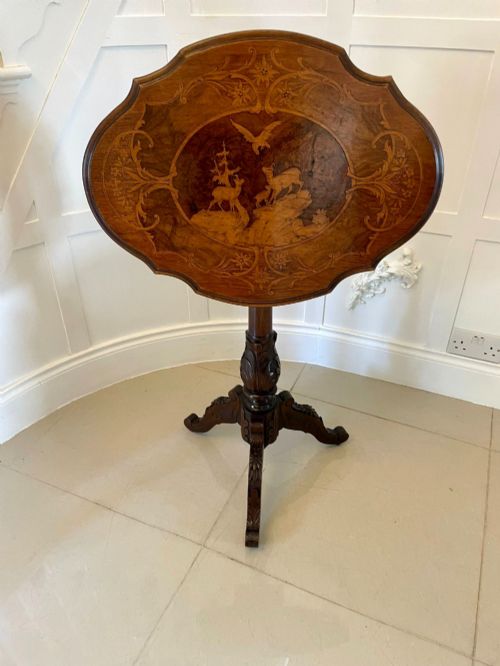
Cabinet makers utilised solid walnut alongside decorative veneers such as burr walnut and figured walnut to achieve rich surface patterns on table tops. Marquetry inlay and satinwood banding frequently decorate the edges and panels, adding contrast to the deep brown timber.
Structural elements often rely on turned or bobbin legs, sometimes supporting an under tier or organised in quartetto sets of nesting tables. Brass handles, leather inset tops, and marble inserts appear on specific utilitarian variants like desks and bedside cabinets.
Edwardian Walnut Side Table Retail Price Guide 2026
Typical asking prices for edwardian walnut side table among the pieces listed under this phrase on Sellingantiques today, from the lower quarter to the upper quarter. They describe what is for sale here now, not the wider market.
Listings feature walnut, burr walnut, and satinwood across side tables, nesting sets, and occasional furniture from the Edwardian era.
Markers of Quality
The distinction between standard production and superior craftsmanship rests upon the selection of timber figures, particularly the depth and movement within burr walnut veneers. Master workshops employed precise marquetry and careful grain matching across table tops and friezes.
Structural integrity and refined joinery distinguish finer examples, visible in balanced proportions, neatly turned pillars, and well-fitted drawers rather than heavy or plain construction.
Maple and Co·Edwards and Roberts·Liberty of London
The Edwardian Walnut Side Table Glossary
- Burr walnut
- A highly figured wood grain obtained from tree growths, prized for its swirling patterns on table tops.
- Marquetry inlay
- Decorative patterns formed by fitting small pieces of contrasting veneer into the primary wood surface.
- Nesting tables
- A set of graduated small tables designed to fit neatly beneath one another when not in use.
- Satinwood
- A pale, lustrous timber utilised for contrasting stringing and geometric details on cabinet furniture.
- Serpentine front
- A furniture edge curved outward in the centre and inward at the sides in a continuous wave.
Edwardian Walnut Side Table: Frequently Asked Questions
What is an edwardian walnut side table used for?
These tables served various domestic purposes in period homes, functioning as surfaces for lamps, writing, or holding decorative items in sitting rooms and hallways.
Smaller formats like nesting tables or kidney-shaped designs allowed for flexible placement around drawing room seating areas.
Are these tables solid walnut?
Most pieces combine solid framing timbers with decorative veneers applied to secondary woods like mahogany or pine. This technique prevented warping while showcasing expensive figured grain on the table top.
Turning and legs were frequently fashioned from solid walnut or supporting hardwoods.
How do I fit one in a modern room?
The compact proportions of these tables make them suitable as bedside stands, lamp surfaces, or small desks in contemporary spaces. Their warm timber tones complement both minimalist interiors and traditional settings.
Pairing a walnut table with mixed modern furnishings adds historical texture to a room.