

Brown Walnut Hall Table
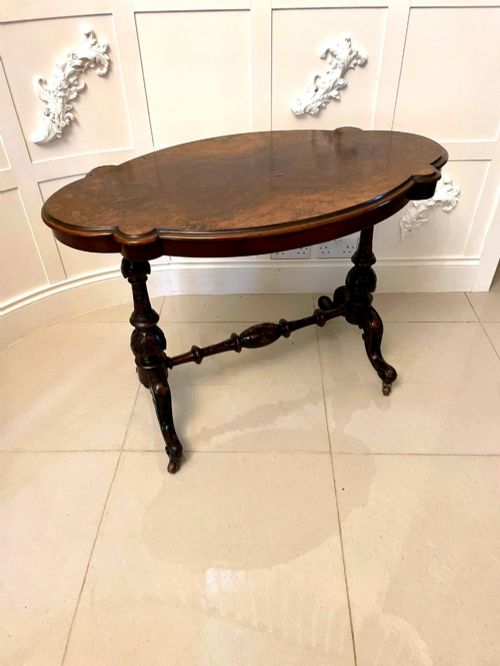
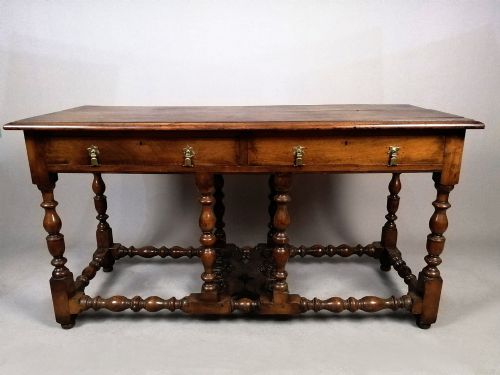
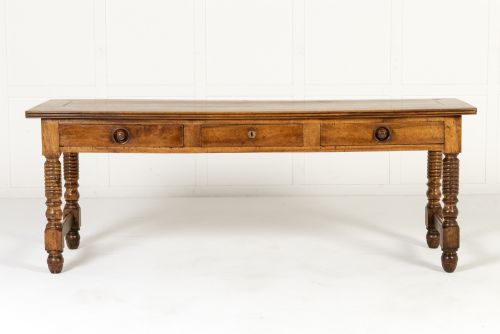
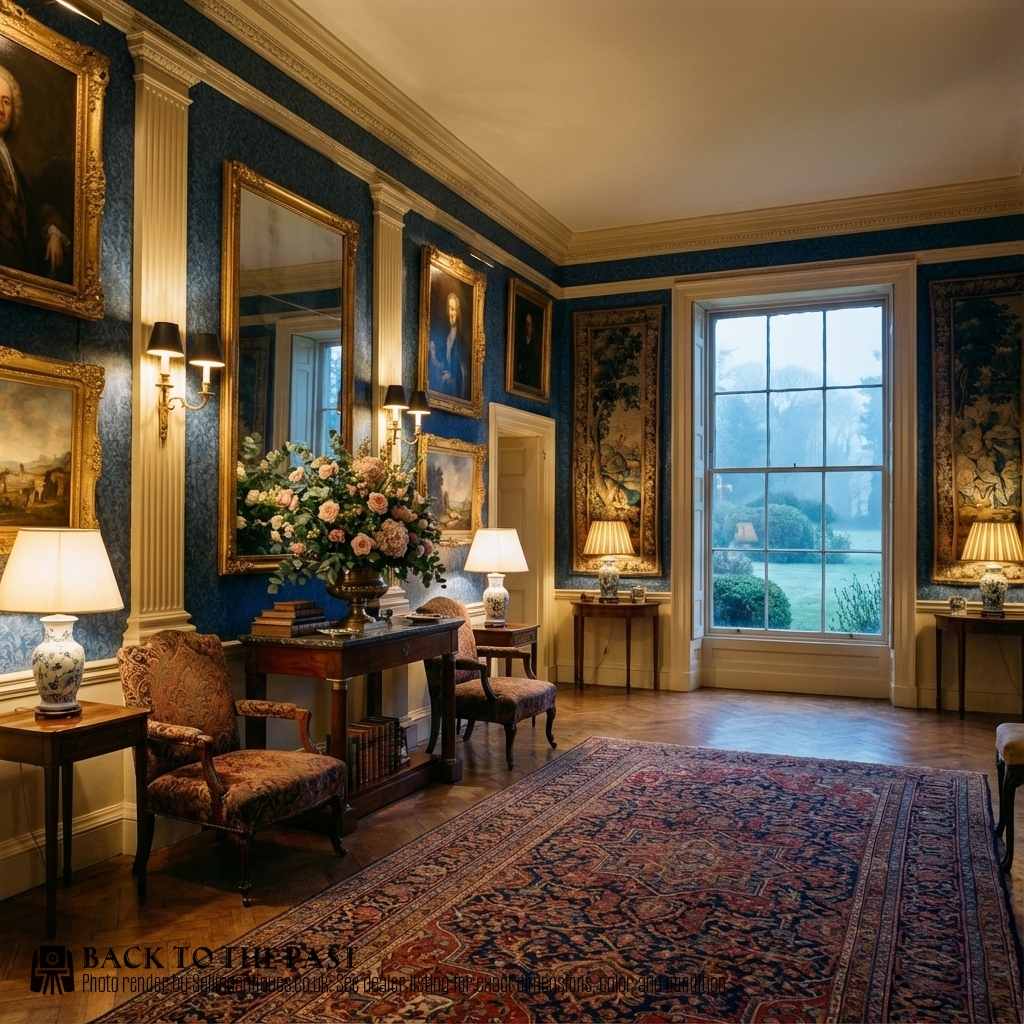
A brown walnut hall table brings warm grain and narrow proportions to an entrance, grounding the space with rich timber.
Brown Walnut Hall Table
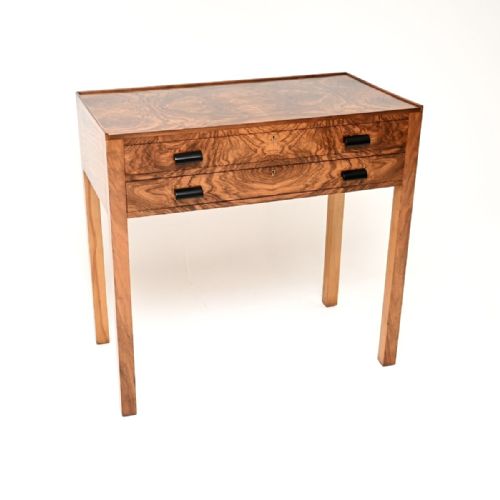
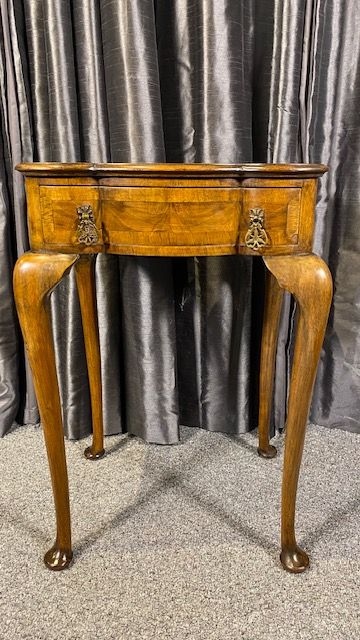
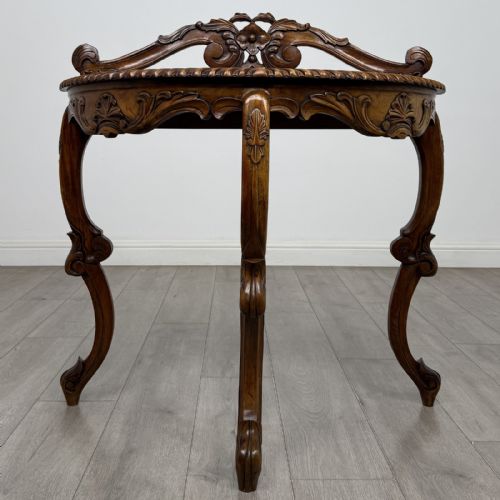
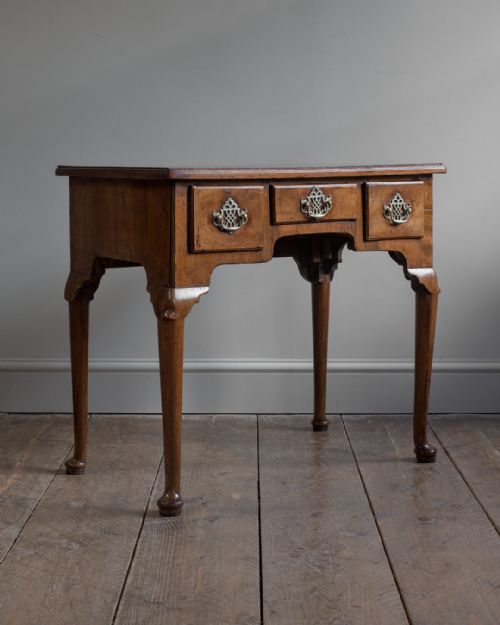
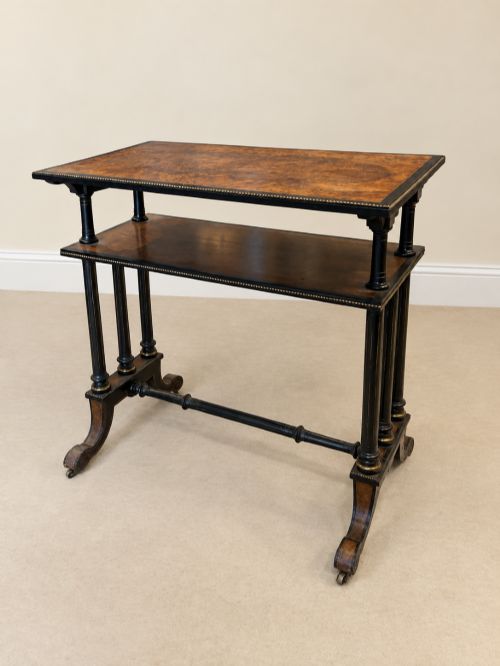
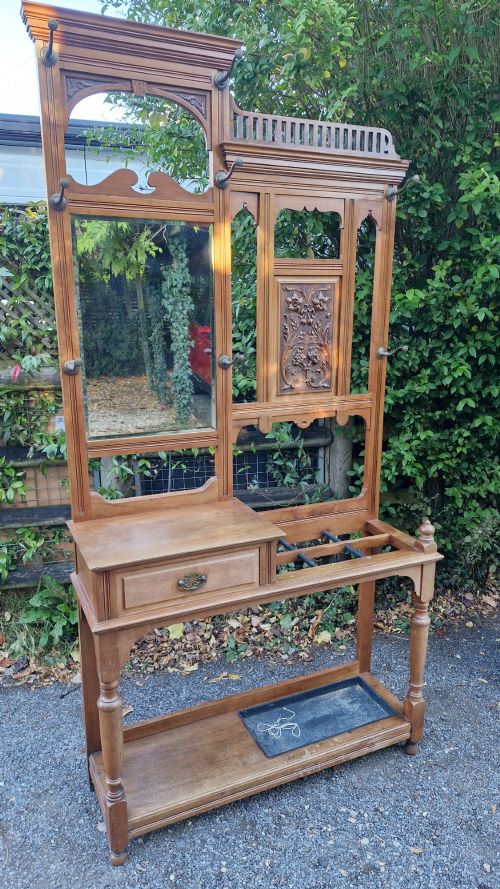
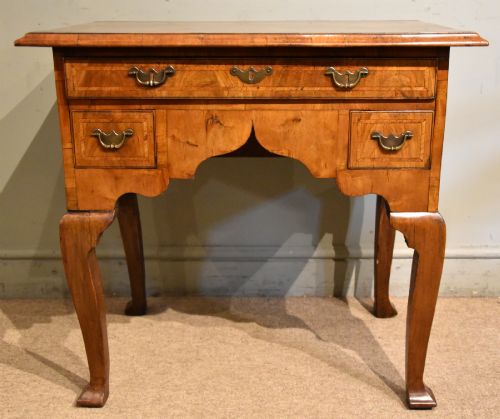
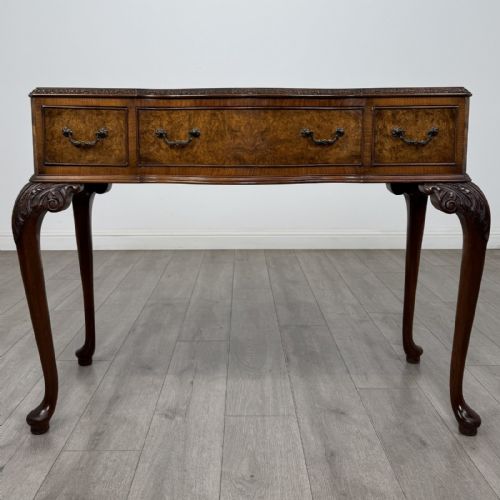
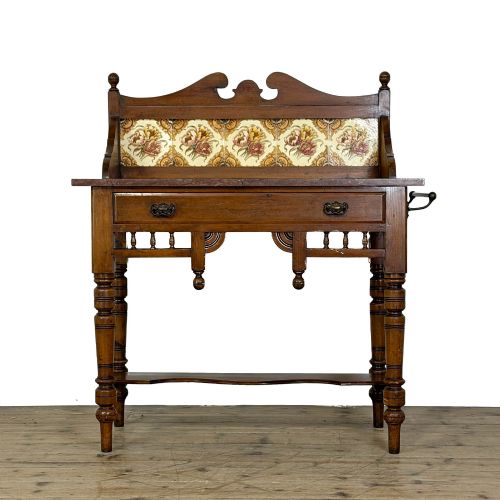
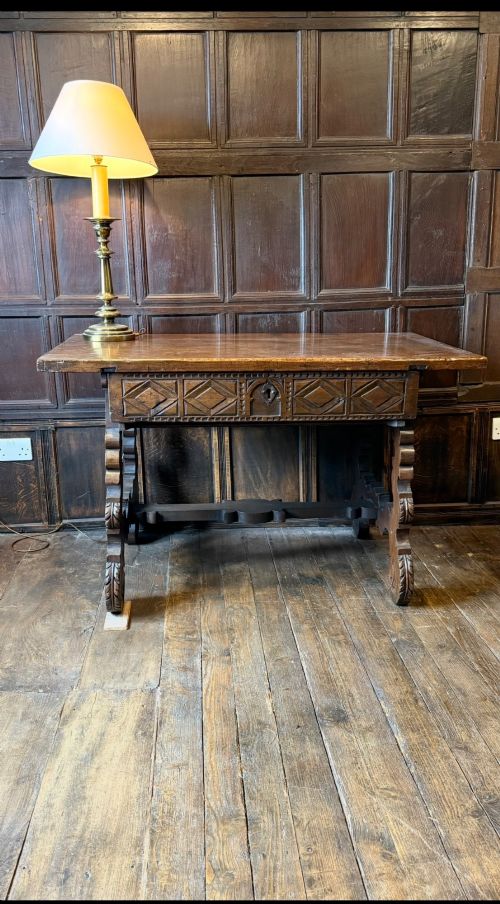
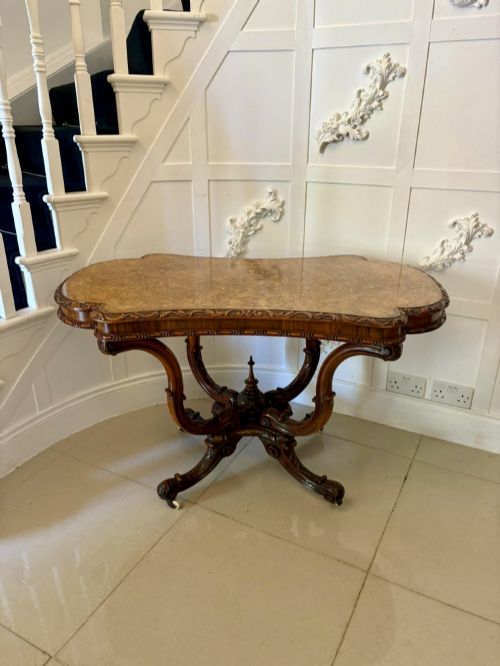
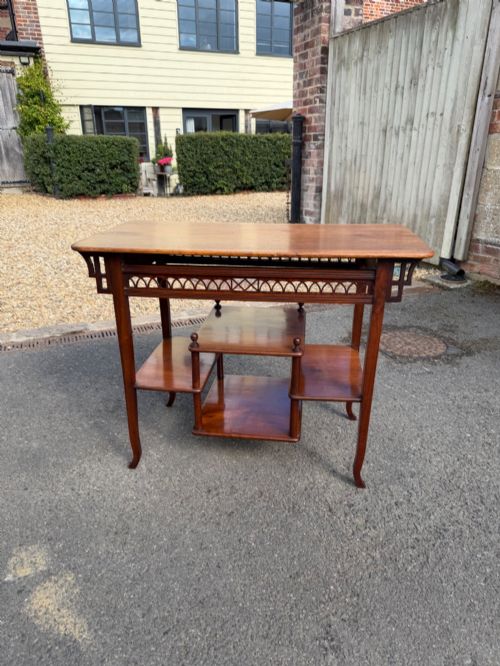
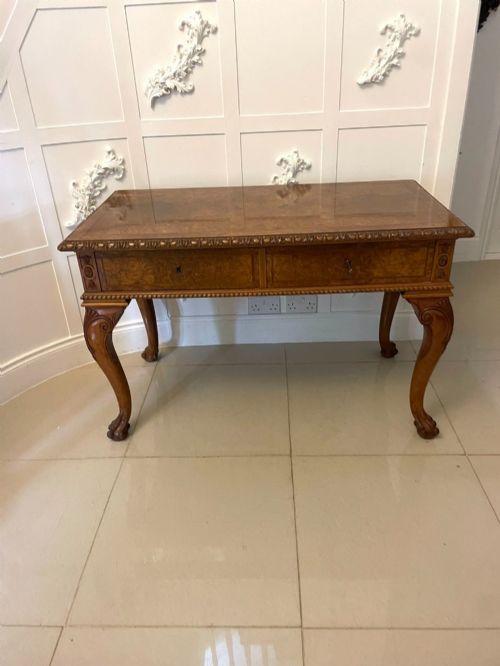
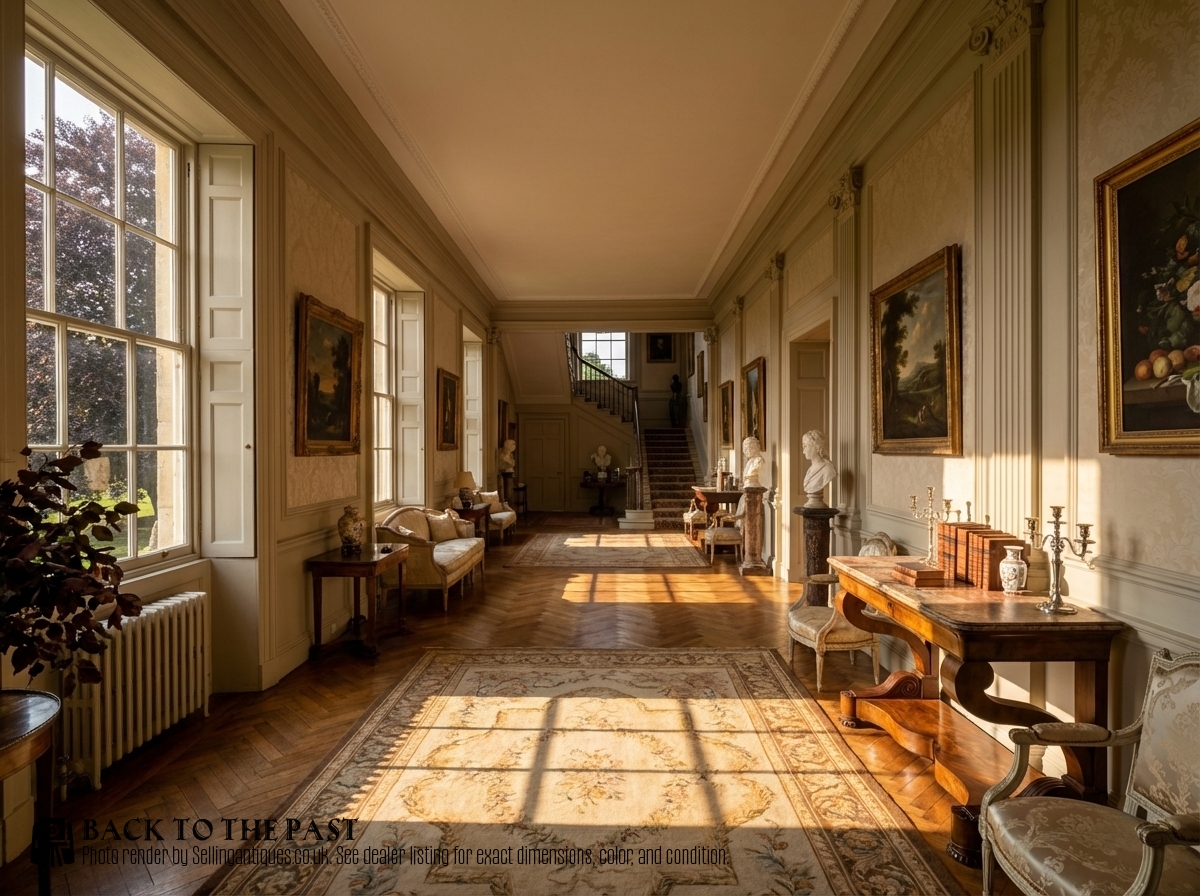
A brown walnut hall table appears in several distinct guises across this selection, from compact lowboys with drawer arrangements to freestanding console tables and narrow side tables. These pieces serve narrow entrance spaces and hallways where surface area is needed without bulk.
The periods represented span from 18th Century examples through Georgian and Victorian eras, alongside Edwardian revivals and later Art Deco interpretations. Buyers encounter 19th Century and 1920s pieces frequently, often featuring the characteristic narrow depth required for corridor placement.
Materials and construction
Cabinet makers utilised solid walnut alongside burr walnut and figured walnut veneers to create striking surface patterns on the top boards. Brass handles and mounts frequently accent the timber drawers.
Construction techniques include traditional dovetailed drawer boxes and frame assemblies, paired with marquetry inlay or matched veneer panels depending on the period.
Brown Walnut Hall Table Retail Price Guide 2026
Typical asking prices for brown walnut hall table among the pieces listed under this phrase on Sellingantiques today, from the lower quarter to the upper quarter. They describe what is for sale here now, not the wider market.
Certain tables arrive with integrated lamps or Moorish inlay, proving that historical hallway furniture enjoyed moments of playful invention.
Evaluating execution
The distinction between tiers rests upon the selection of timber figure and the precision of the veneer work across the top surface. Richly figured burr walnut and symmetrical grain matching demand greater skill from the cabinet maker than plain timber boards.
Proportion and carving detail separate standard production from superior examples. Crisp execution on legs, edges, and drawer surrounds indicates a higher grade of workshop output.
Holmes Baldock
The Brown Walnut Hall Table Glossary
- Lowboy
- A small table with drawers, typically raised on four legs, functioning historically as a dressing or side table. These pieces fit narrow hallway spaces exceptionally well.
- Burr walnut
- Timber taken from a tree growth or burl, yielding swirling, knotty grain patterns used for decorative veneering. Cabinet makers prize this material for cabinet fronts and table tops.
- Console table
- A table designed to stand against a wall, sometimes supported by brackets or legs at the front. They provide a surface for display in hallways and reception rooms.
- Marquetry
- The art of applying pieces of veneer to a structure to form decorative patterns and pictures. Craftsmen assemble various woods to create geometric or floral designs on table tops.
Brown Walnut Hall Table: Frequently Asked Questions
What is a brown walnut hall table used for?
These tables provide a practical surface in entrance halls for holding keys, post, and decorative items. Their narrow profiles ensure they do not obstruct corridor traffic.
Historically, many originated as lowboys or side tables before finding a second life in modern hallways due to their compact dimensions.
How do I identify a Georgian walnut lowboy?
Georgian pieces typically display understated proportions with traditional drawer configurations and fine timber grain. They rely on clean lines rather than heavy ornamentation.
Leg styles often include pad feet or cabriole shapes characteristic of 18th Century furniture design.
How do Art Deco hall tables differ?
Art Deco pieces from the 1930s favour geometric styling, streamlined silhouettes, and contrasting woods like sycamore alongside figured walnut. They depart from traditional revival forms.
Such tables suit interiors requiring a cleaner, more architectural aesthetic while retaining warm walnut tones.