

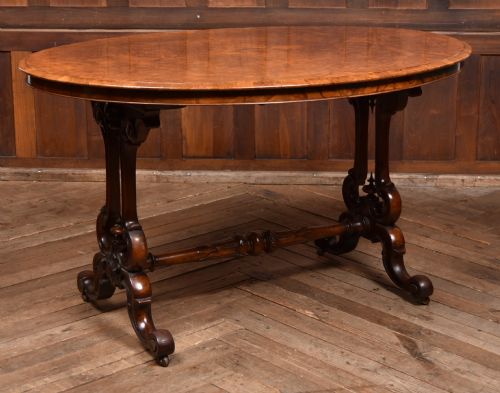
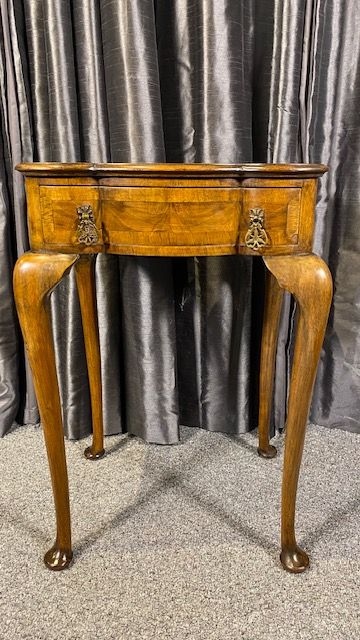
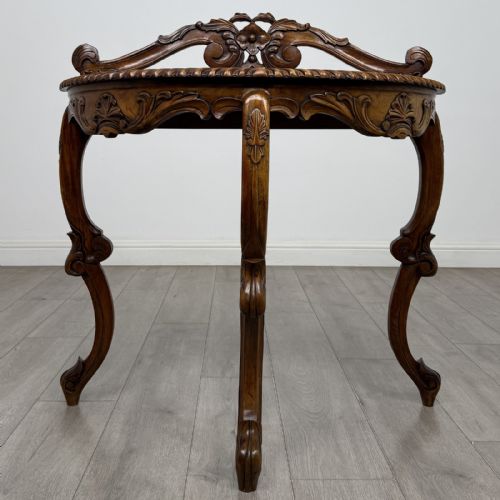
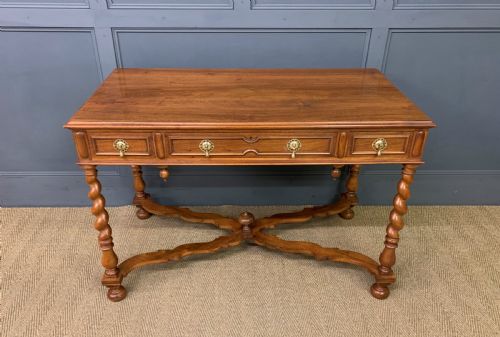
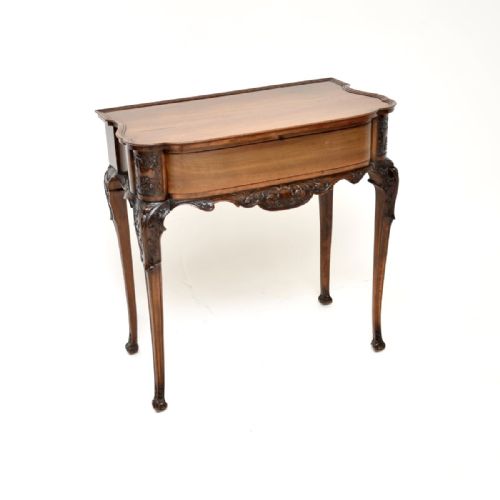
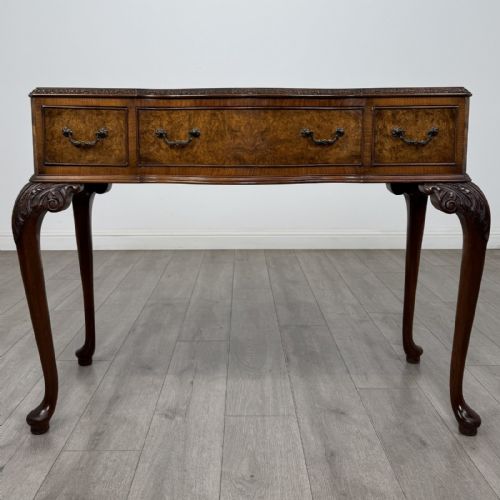
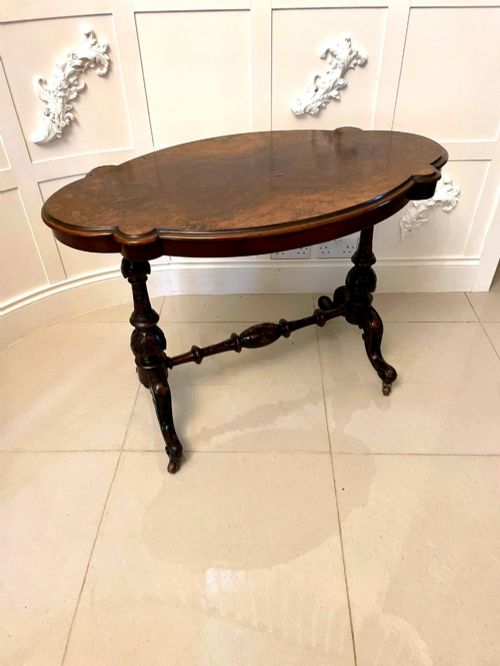
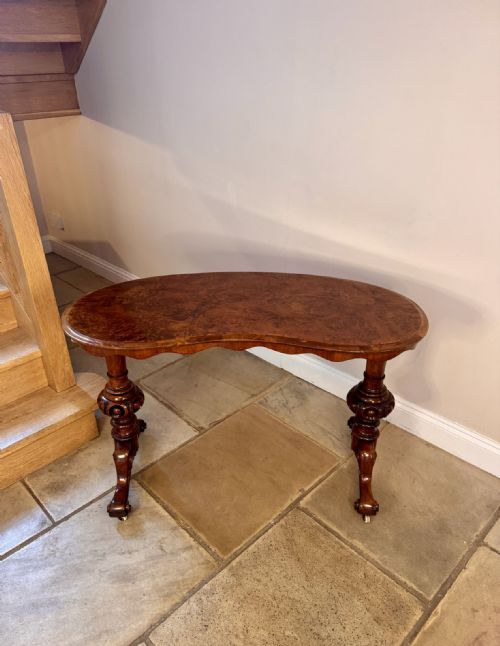
Carved Walnut Console Table
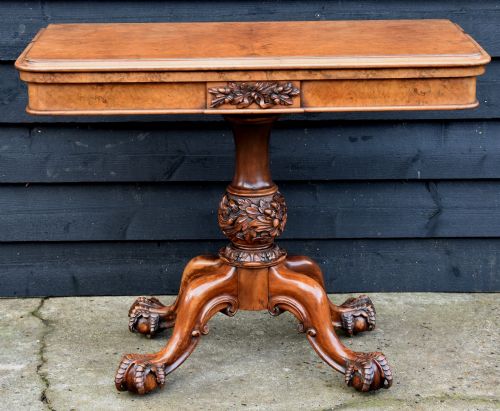
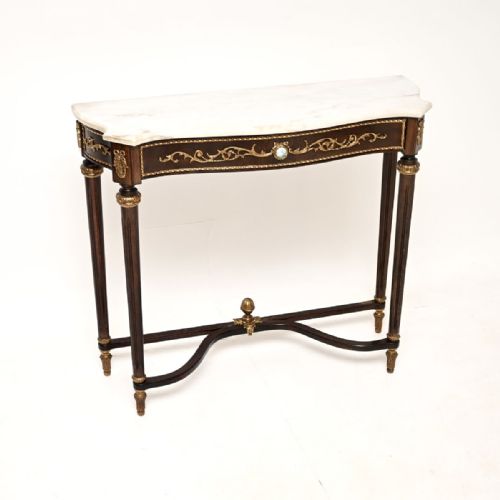
When you search for a carved walnut console table, you are looking at timber furniture made for wall placement, often featuring shaped marble tops and carved timber bases.
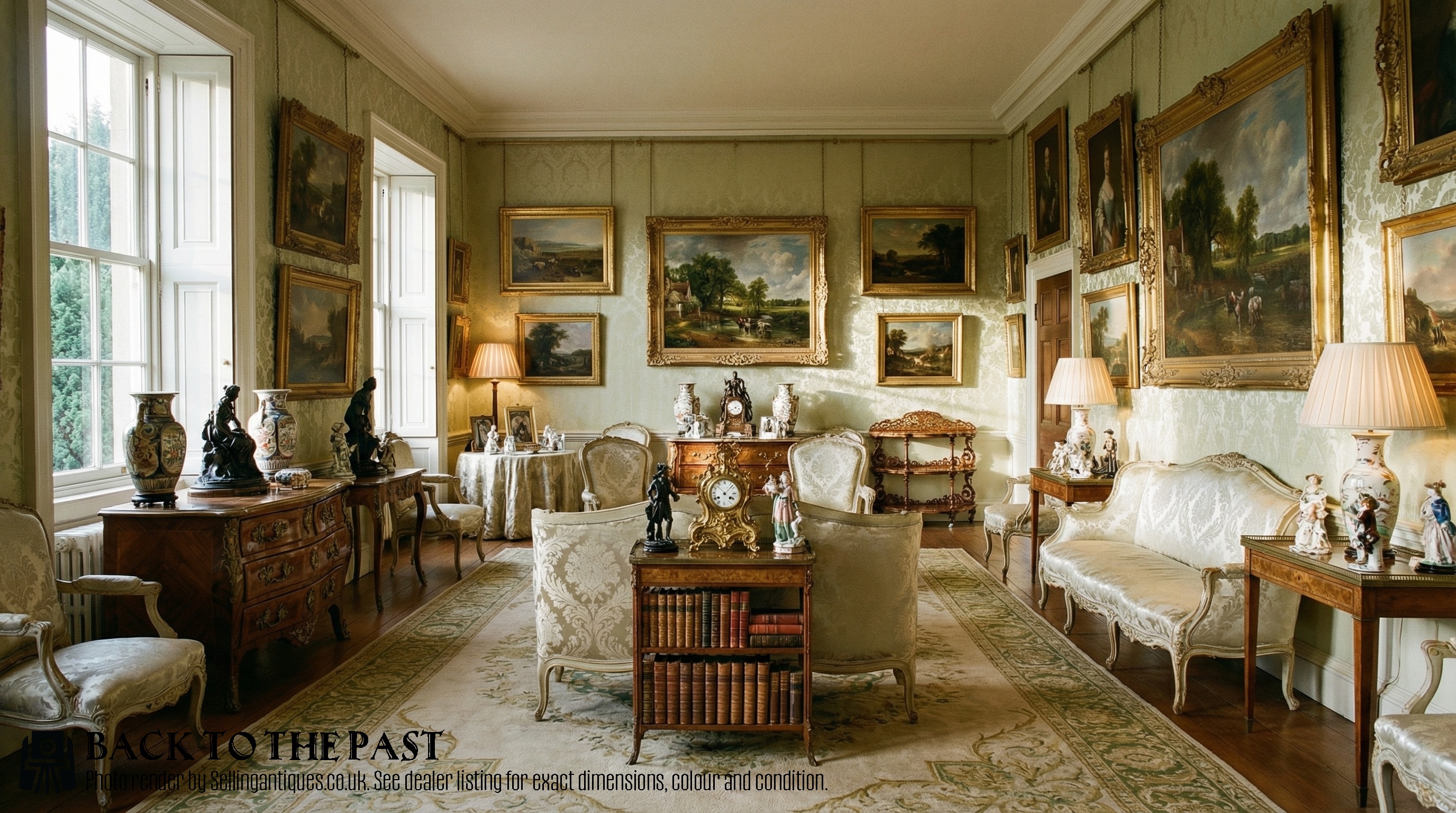
Carved Walnut Console Table
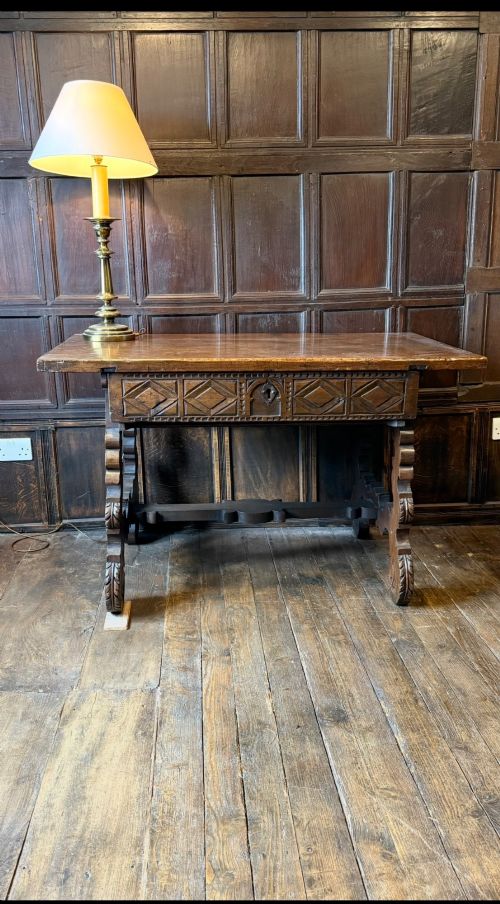
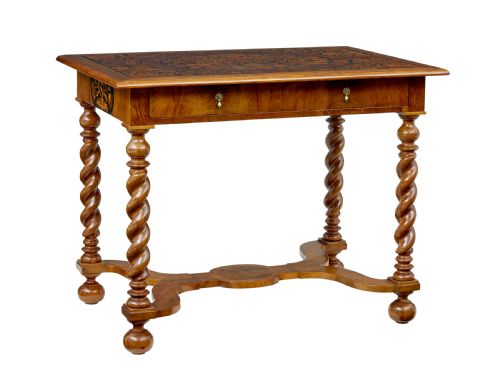
A carved walnut console table combines structural timber framing with decorative carving, often designed to stand flat against a wall in a hallway or principal room. Pieces appearing under this search phrase span centuries of cabinetmaking, ranging from seventeenth-century Spanish forms to Victorian iterations and twentieth-century revivals.
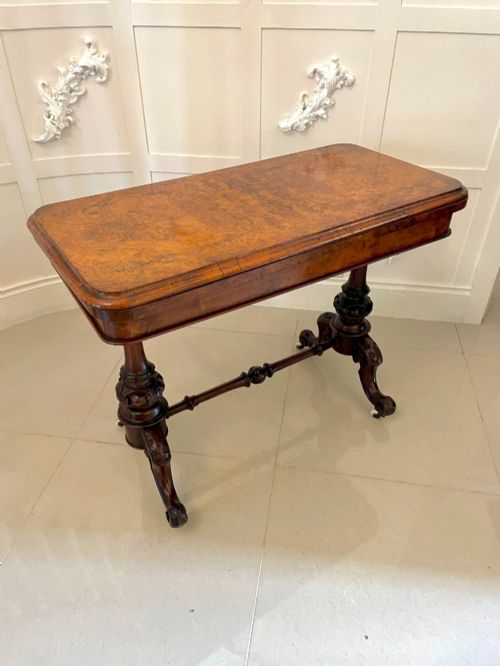
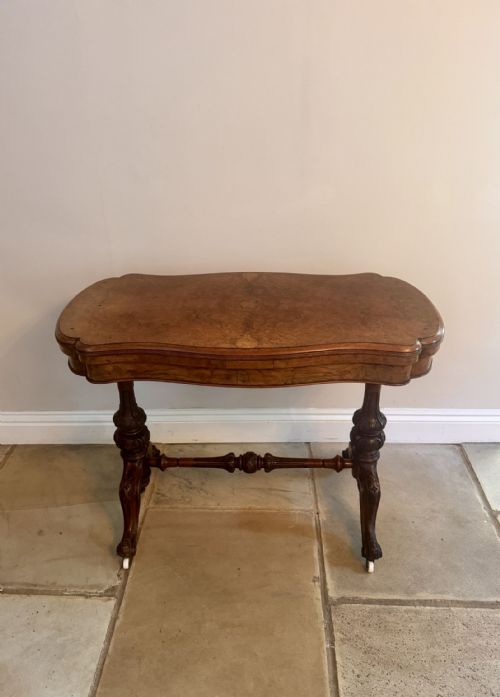
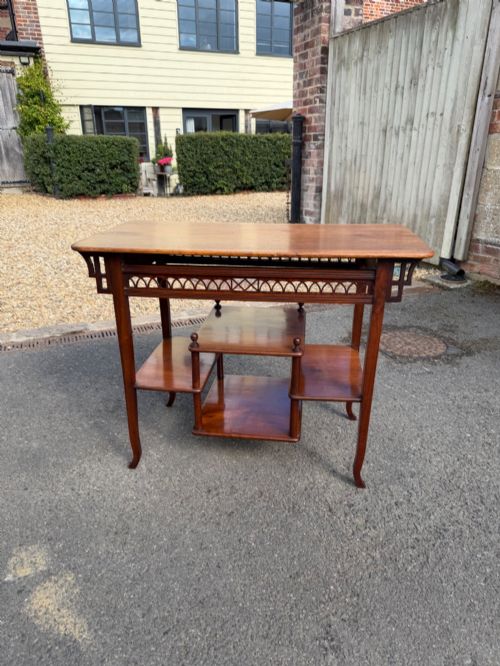
The material vocabulary recorded in these pieces encompasses plain timber alongside highly figured burr veneers and marble inserts. Formats vary from console and side tables to convertible card, games, and occasional tables that share the characteristic walnut construction and carved support structure.
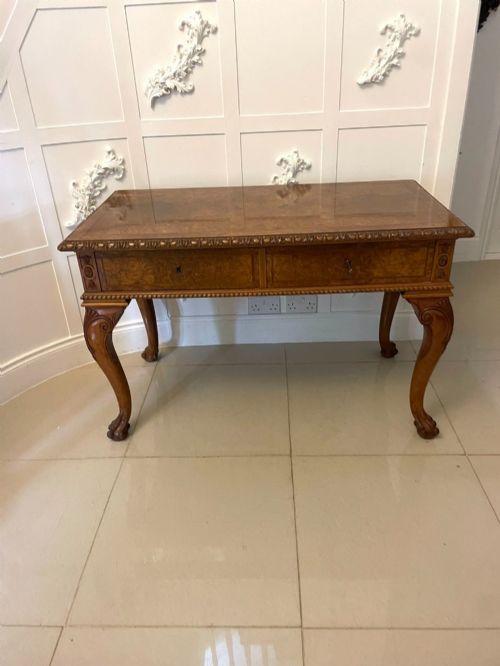
Victorian examples and twentieth-century Queen Anne style interpretations dominate the available selection, frequently displaying fold-over tops or shaped aprons. Buyers encounter both British production and continental European pieces, including French and Italian designs incorporating rouge or white marble tops.
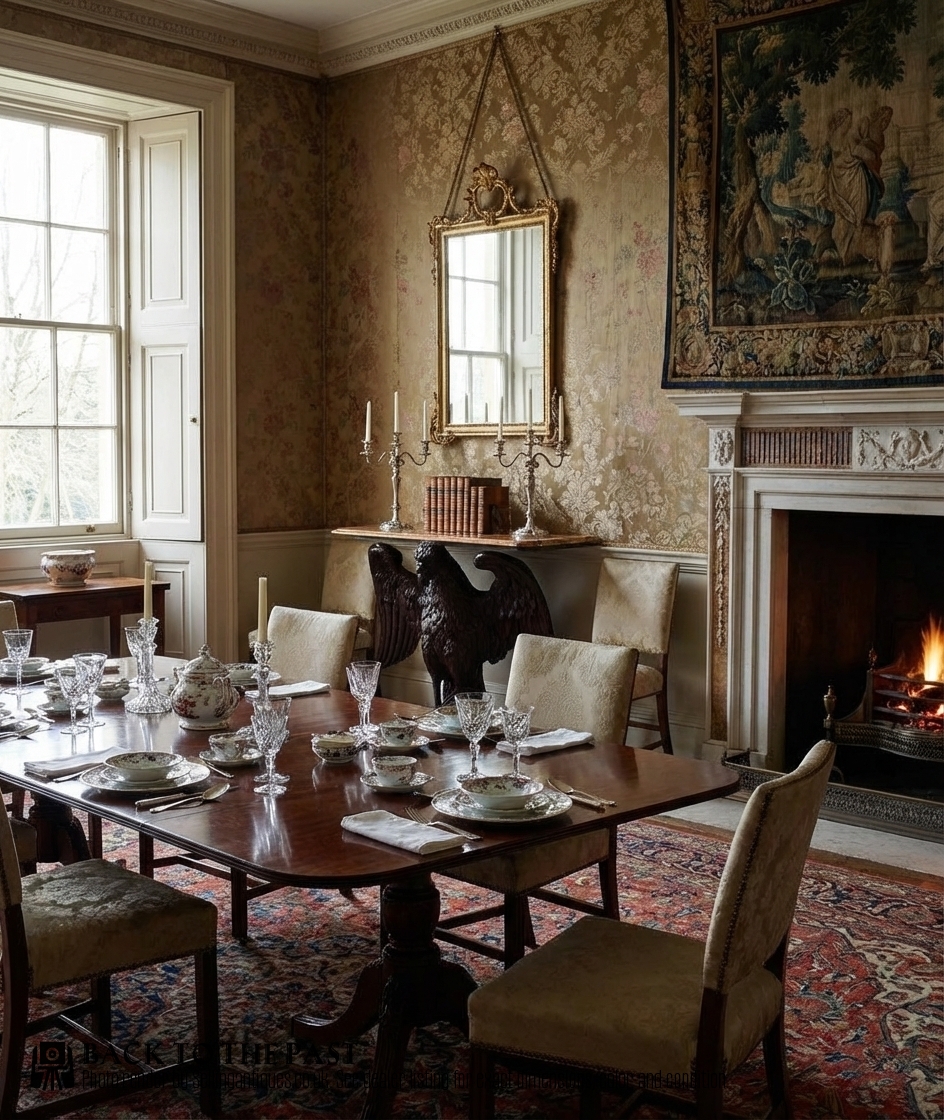
Materials and construction
Makers utilised solid walnut and applied figured burr walnut veneers over secondary timbers to achieve rich surface movement and deep grain patterns. Carving was executed by hand directly into the solid timber sections, particularly around table bases, aprons, and support legs.
Marble tops, notably rouge varieties, were fitted directly into recessed timber frames on console and centre tables to provide a durable and decorative upper surface. Brass hinges, locks, and castors were integrated into functional fold-over card and games tables of the nineteenth and twentieth centuries.
Carved Walnut Console Table Retail Price Guide 2026
Typical asking prices for carved walnut console table among the pieces listed under this phrase on Sellingantiques today, from the lower quarter to the upper quarter. They describe what is for sale here now, not the wider market.
Listings span periods from the 17th century through to the 1930s, featuring solid walnut, burr walnut veneer, and marble.
Separating the grades
Quality rests upon the depth and crispness of the hand carving, where deeply articulated foliage and figural supports distinguish superior exhibition pieces from standard production. The selection of timber veneers also dictates standard, with densely figured burr walnut commanding attention over plain grain boards.
Structural integrity and the retention of original components, such as marble slabs, hinges, and carved bases, separate well-preserved historical examples from heavily restored or altered items.
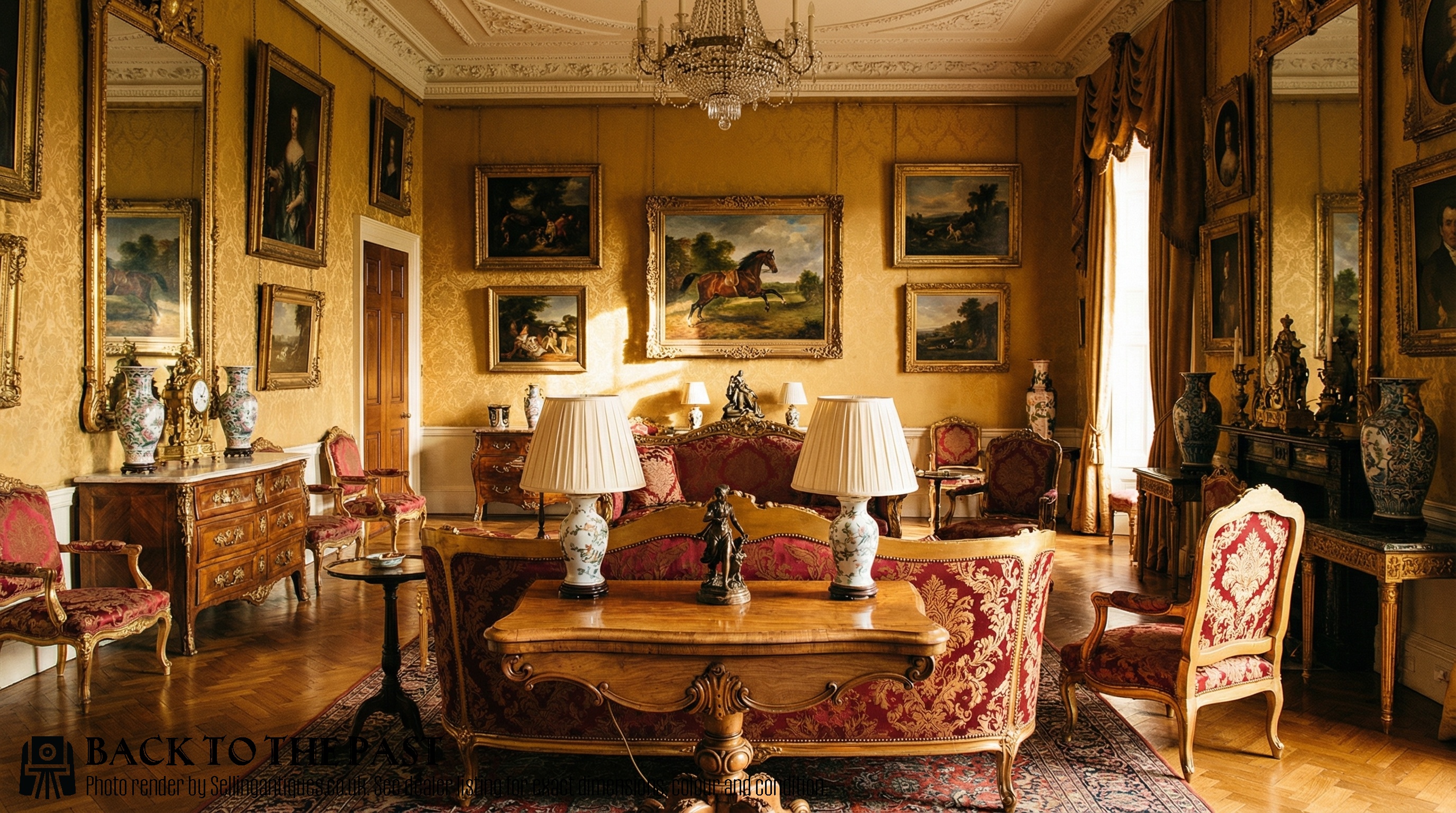
Maple and Co.·Gillows·Epstein
The Carved Walnut Console Table Glossary
- Console table
- A table designed to stand flat against a wall, frequently secured to the vertical surface or supported by elaborate front legs.
- Burr walnut
- A decorative timber veneer taken from the knotted growth of a walnut tree, displaying swirling grain patterns.
- Demi-lune
- A half-moon shape characteristic of certain console and card tables designed to fit snugly against walls.
- Rouge marble
- A decorative red limestone frequently utilised for table tops on continental and British console tables.
Carved Walnut Console Table: Frequently Asked Questions
Where should I place a console table?
These tables suit hallways, entrance passages, and principal reception rooms where floor space is relatively narrow. Their flat rear edges allow them to rest securely against interior walls.
They also function effectively beneath large wall mirrors or paintings to create a balanced decorative arrangement.
How do I tell Victorian tables apart?
Victorian pieces frequently incorporate figured burr walnut veneers, fold-over card mechanisms, and heavily carved basket bases or cabriole legs. These details reflect the revival styles popular during the nineteenth century.
Earlier eighteenth-century examples tend to feature more restrained lines, solid Spanish or Italian walnut construction, and simpler stretcher bases.
Can I use a card table daily?
Fold-over tables feature operational hinges and pivoting surfaces designed for occasional use rather than heavy daily loading. Opening and closing the top requires careful handling to protect the timber joints and original veneers.
When kept closed, they serve adequately as side or console surfaces for lamps and decorative objects.
How do I care for walnut timber?
Walnut benefits from stable indoor humidity and protection from direct sunlight to prevent the timber and veneer from drying out. Routine dusting with a dry cloth maintains the surface sheen without moisture damage.
Applying specialised furniture wax periodically preserves the historic patina found on older polished surfaces.