



Queen Anne Tea Table
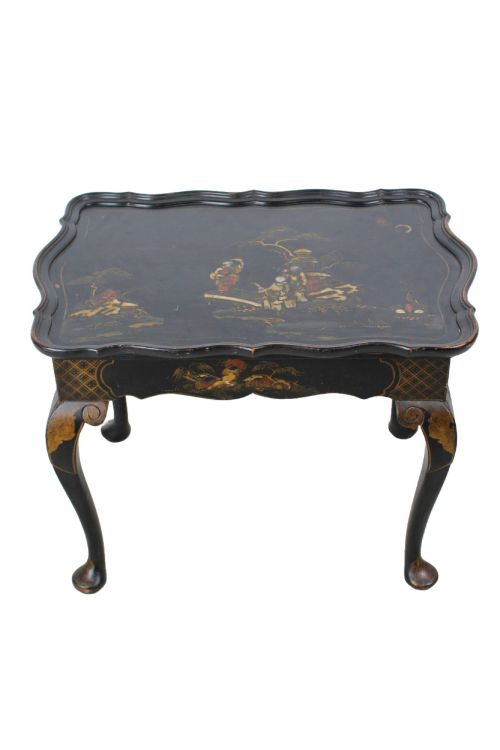
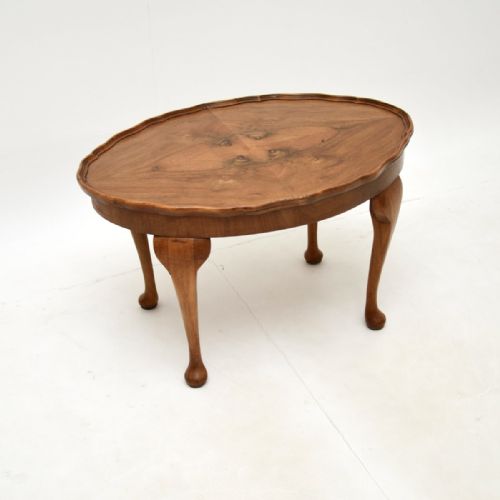
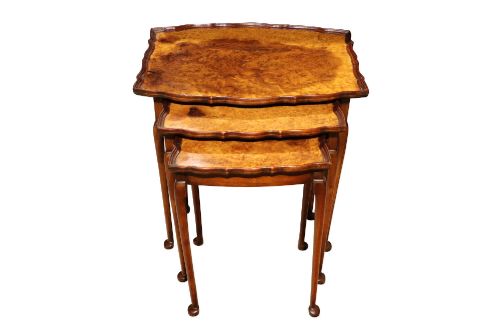
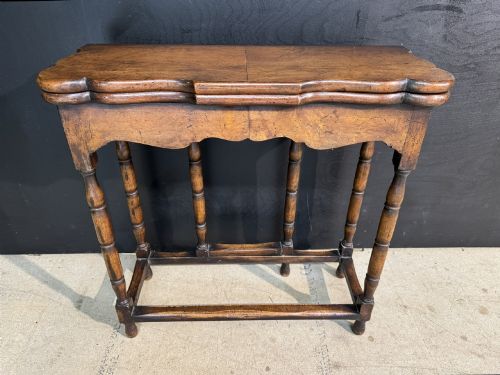
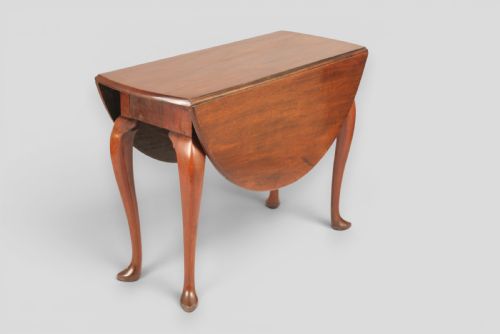
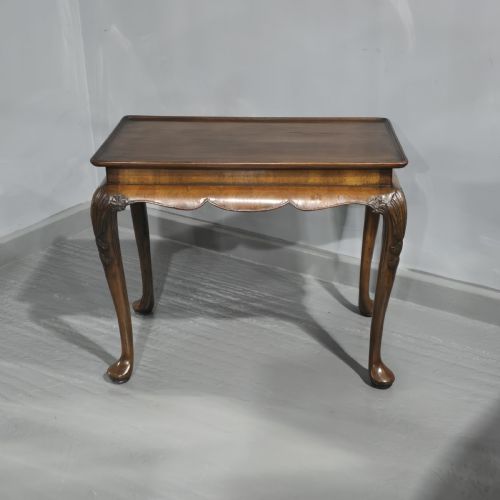
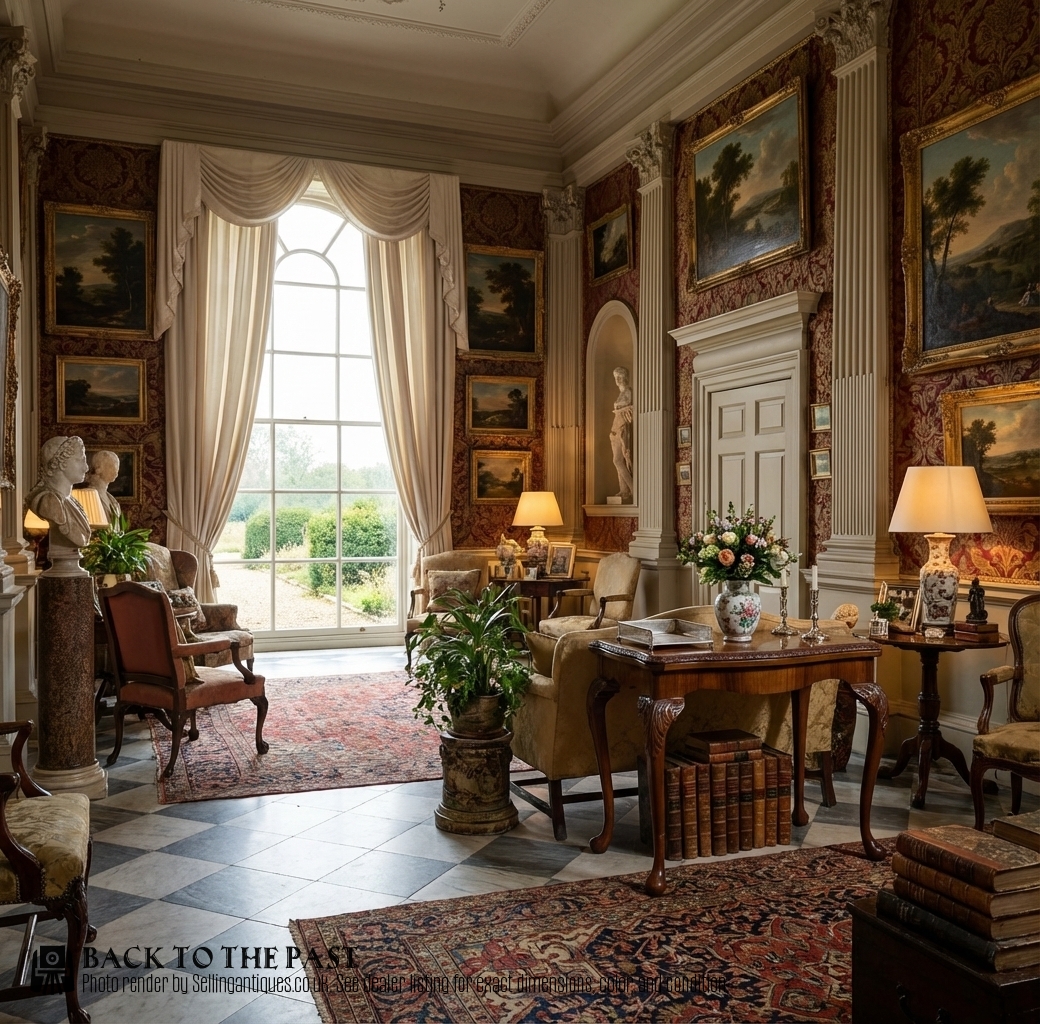
A queen anne tea table brings elegant proportions and rich timber to a room, functioning as a graceful surface for display or card play.
Queen Anne Tea Table
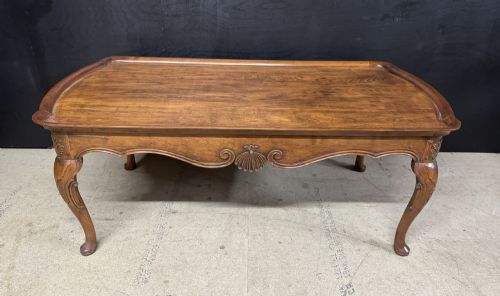
The materials span solid timber and decorative veneers, with walnut dominating alongside mahogany and oak. Many examples date from the early twentieth century, reflecting a strong Edwardian and Georgian revival interest in the graceful curves of the earlier period.
Materials and Technique
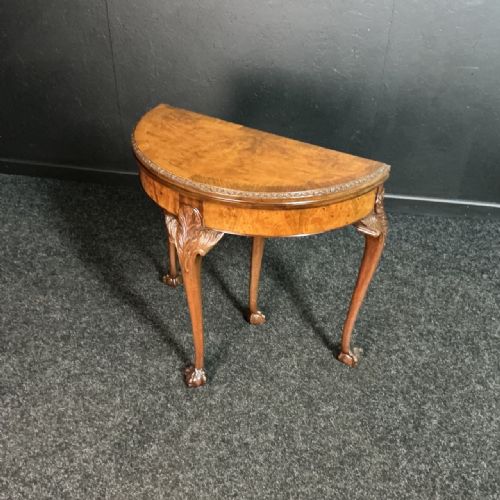
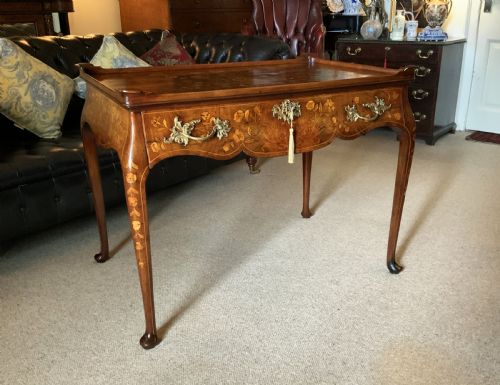
Cabinetmakers utilised timber such as walnut, burr walnut, and mahogany, often applying figured veneers to create striking surface patterns. Crossbanding and specialised inlay work frequently bordered the tops of folding card and tea tables.
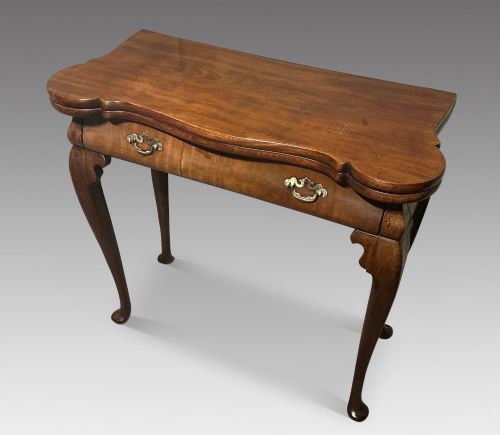
Construction techniques included hinged tops for games tables, drop leaves, and moulded edges such as pie crust designs. Brass hardware occasionally appeared on drawer pulls and hinges, complementing the dark grain of the wood.
Queen Anne Tea Table Retail Price Guide 2026
Typical asking prices for queen anne tea table among the pieces listed under this phrase on Sellingantiques today, from the lower quarter to the upper quarter. They describe what is for sale here now, not the wider market.
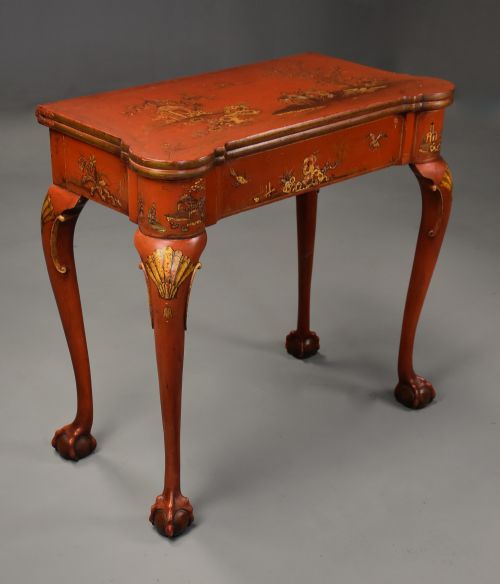
Listings for a queen anne tea table span from the eighteenth century through the Edwardian period to the 1930s, featuring walnut, mahogany, and oak.
Craftsmanship and Age
Quality rests in the depth of the timber's patina, the crispness of the veneer work, and the structural integrity of the folding mechanisms. Eighteenth-century pieces derive their standing from original surface age, whereas later revivals depend on the precision of the cabinetmaking and the richness of the burr walnut figure.
The sophistication of secondary details, such as inlaid bird motifs or marquetry, distinguishes finer examples from simpler production pieces. Timber selection alone, moving from plain wood to highly figured burr walnut, marks the distinction within the range.
Epstein and Co·Howard and Sons Ltd·Maple and Co
The Queen Anne Tea Table Glossary
- Burr walnut
- A wood harvested from the abnormal growth of a walnut tree, yielding highly decorative swirls and patterns used extensively for veneering table tops.
- Pie crust
- A carved, raised decorative border resembling pastry fluting, frequently found on the circular edges of occasional and coffee tables.
- Crossbanding
- A narrow strip of veneer laid around the border of a table top with the grain running perpendicular to the centre panel.
- Demi-lune
- A half-moon shape characteristic of certain console and folding card tables designed to sit flush against a wall.
- Marquetry
- The art of applying pieces of veneer to a structure to form decorative patterns such as flowers, birds, and foliage.
Queen Anne Tea Table: Frequently Asked Questions
What is a queen anne tea table used for?
These tables served originally for the social ritual of serving tea or for hosting card games in domestic parlours. Today they function effectively as lamp tables, display surfaces, or accent pieces in a sitting room.
Their folding leaves and compact footprints allow them to sit flat against a wall or open out when extra surface area is required.
How do I tell an original from a revival?
Examining the construction methods, timber shrinkage, and underside fixings helps determine the true age of a piece. Eighteenth-century examples show hand-cut joinery and aged patination unique to early domestic use.
Revival pieces from the Edwardian era or the 1920s display machine-finished elements and twentieth-century secondary woods beneath the veneer.
What woods were used for these tables?
Walnut is the predominant timber found in these listings, appearing both as solid wood and as highly figured burr walnut veneer. Mahogany, oak, and occasional inlaid exotic timbers also feature across the various periods.
Craftsmen matched these rich materials with brass hinges and subtle decorative inlays.
How do I care for a walnut table?
Keeping the timber away from direct heat sources and strong sunlight preserves the rich colour and prevents the veneer from drying out. Regular dusting with a soft, dry cloth maintains the surface sheen.
Avoiding harsh chemical polishes ensures the historic patina remains undisturbed over years of use.