

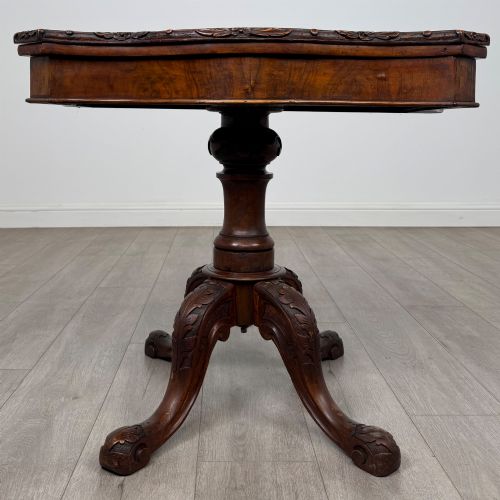
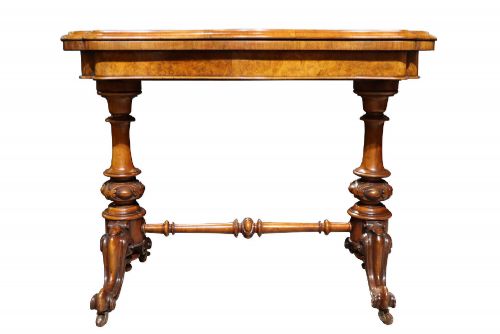
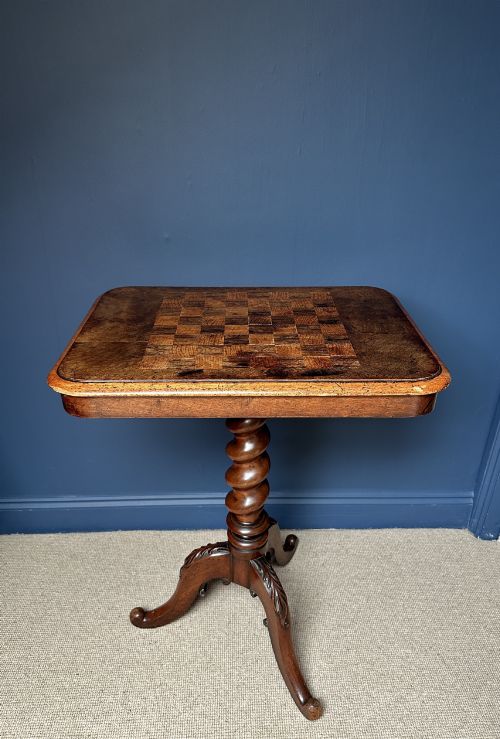
Carved Walnut Card Table
A carved walnut card table offers a clever folding top for gaming and tea, bringing rich Victorian timber and movement to a room.
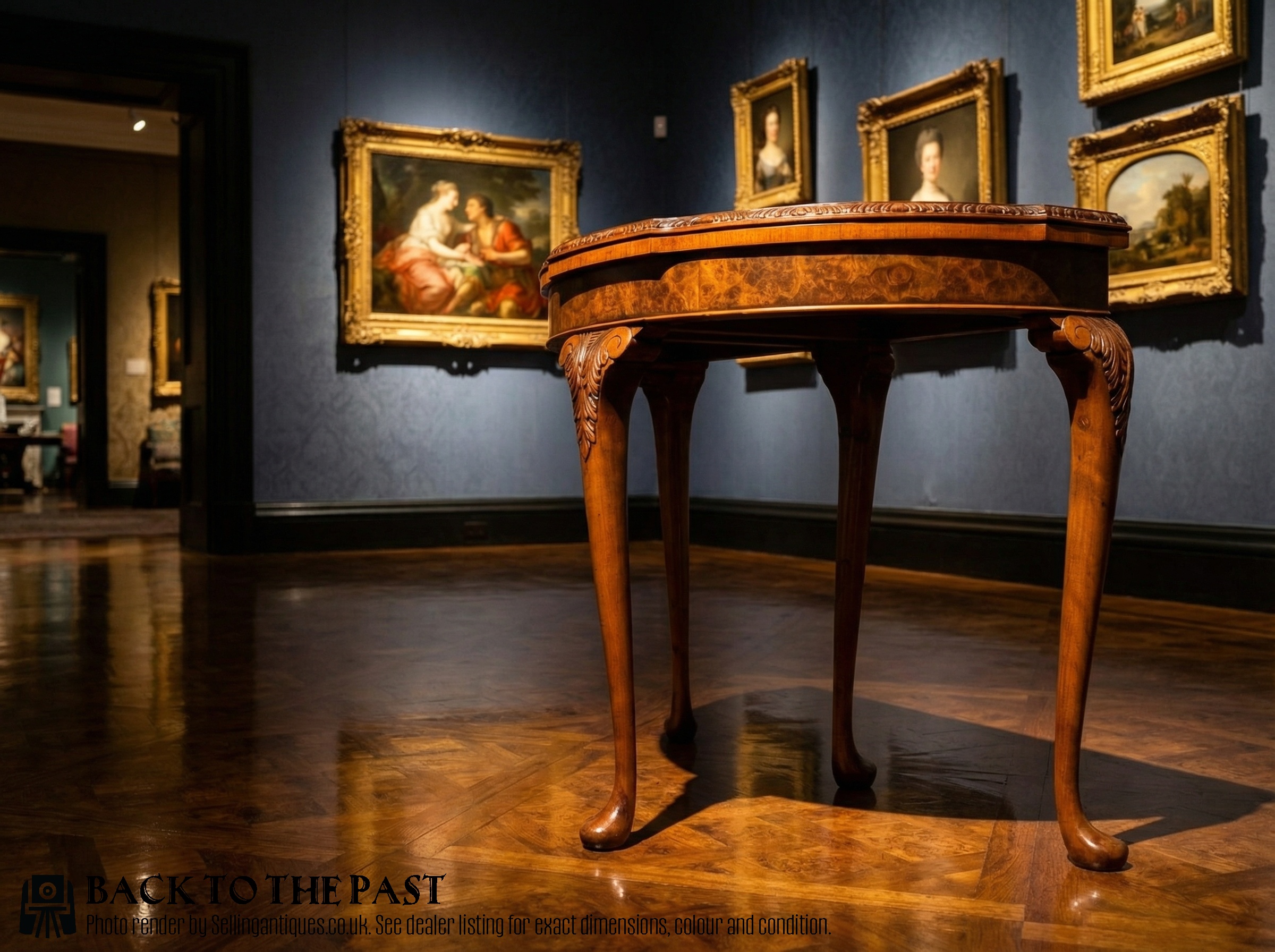
Carved Walnut Card Table
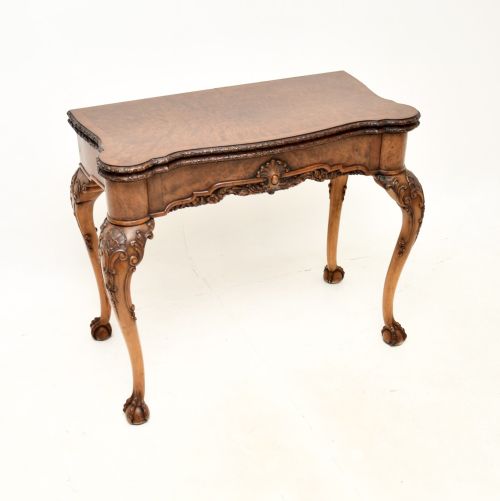
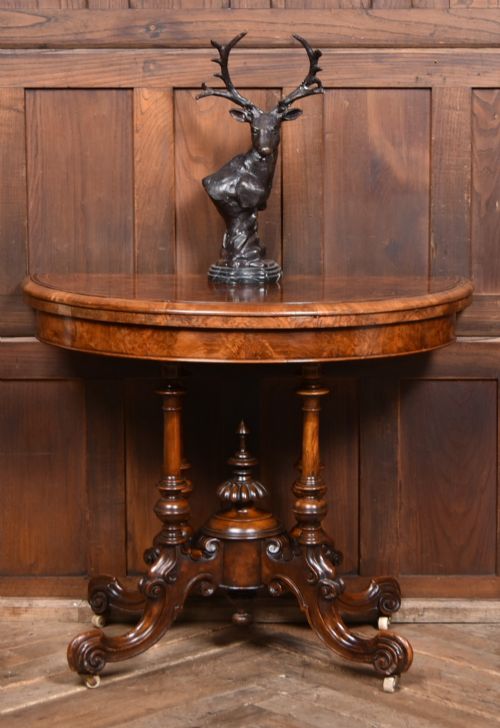
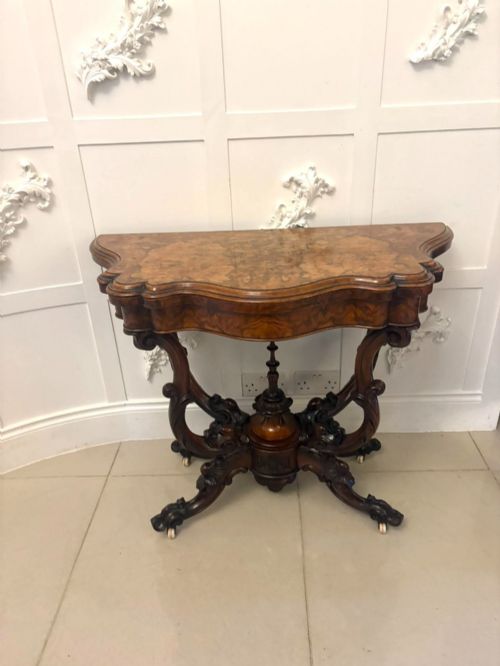
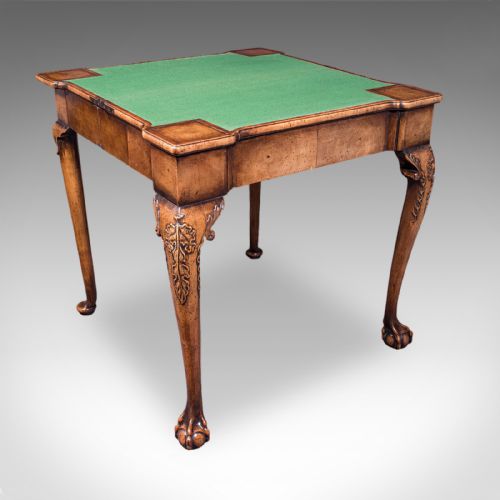
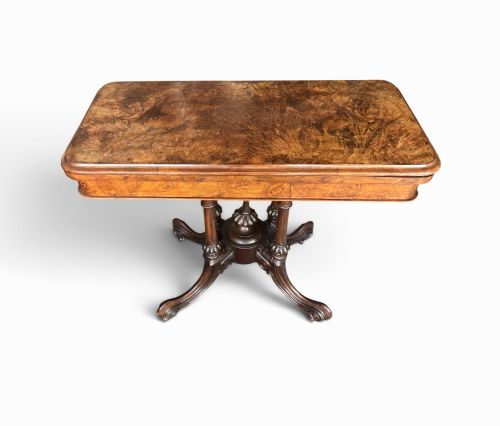
A carved walnut card table is primarily encountered from the Victorian era, spanning the mid-nineteenth century with occasional pieces reaching into the early twentieth century. These furnishings typically operate with a fold-over top that conceals a baize-lined surface for cards or board games underneath. Alongside standard card tables, the selection includes games tables with inlaid chess boards, loo tables, and console bases.
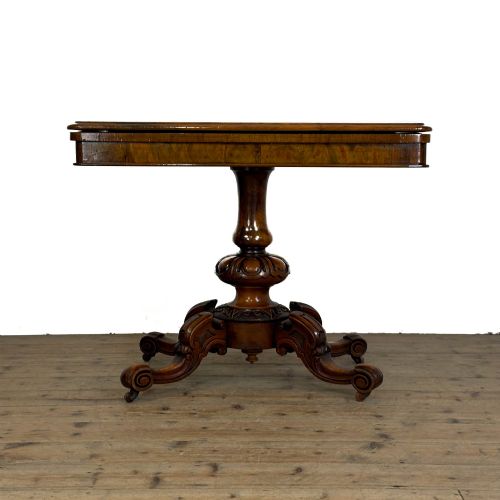
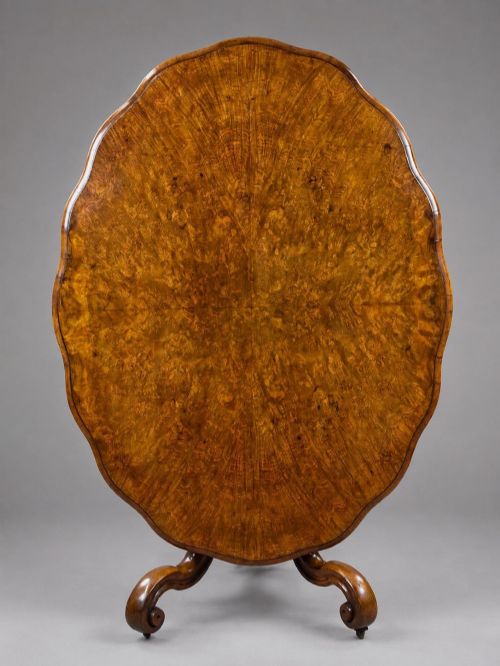
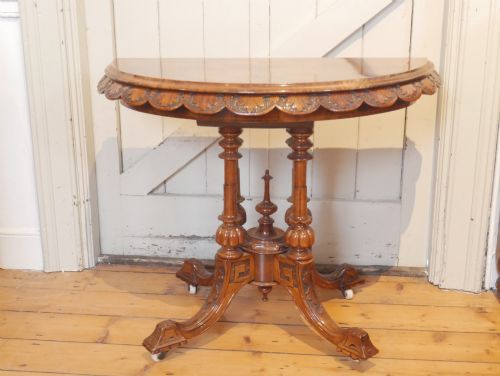
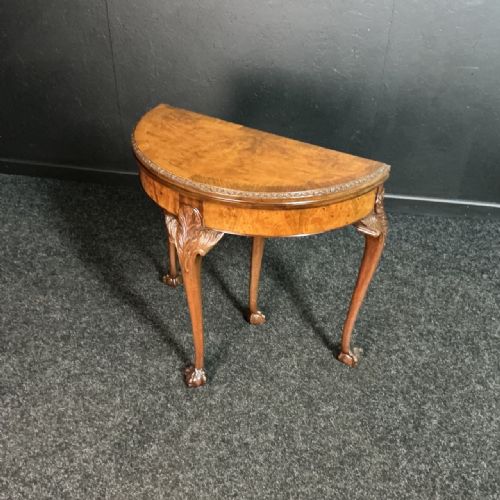
The dominant aesthetic draws heavily on Victorian tastes, including rococo revival curves, serpentine shapes, and carved basket or pedestal supports. Later examples embrace Queen Anne style influences with demi-lune folding formats. Originating mainly from English and Irish workshops, these pieces combine formal entertaining utility with decorative presence.
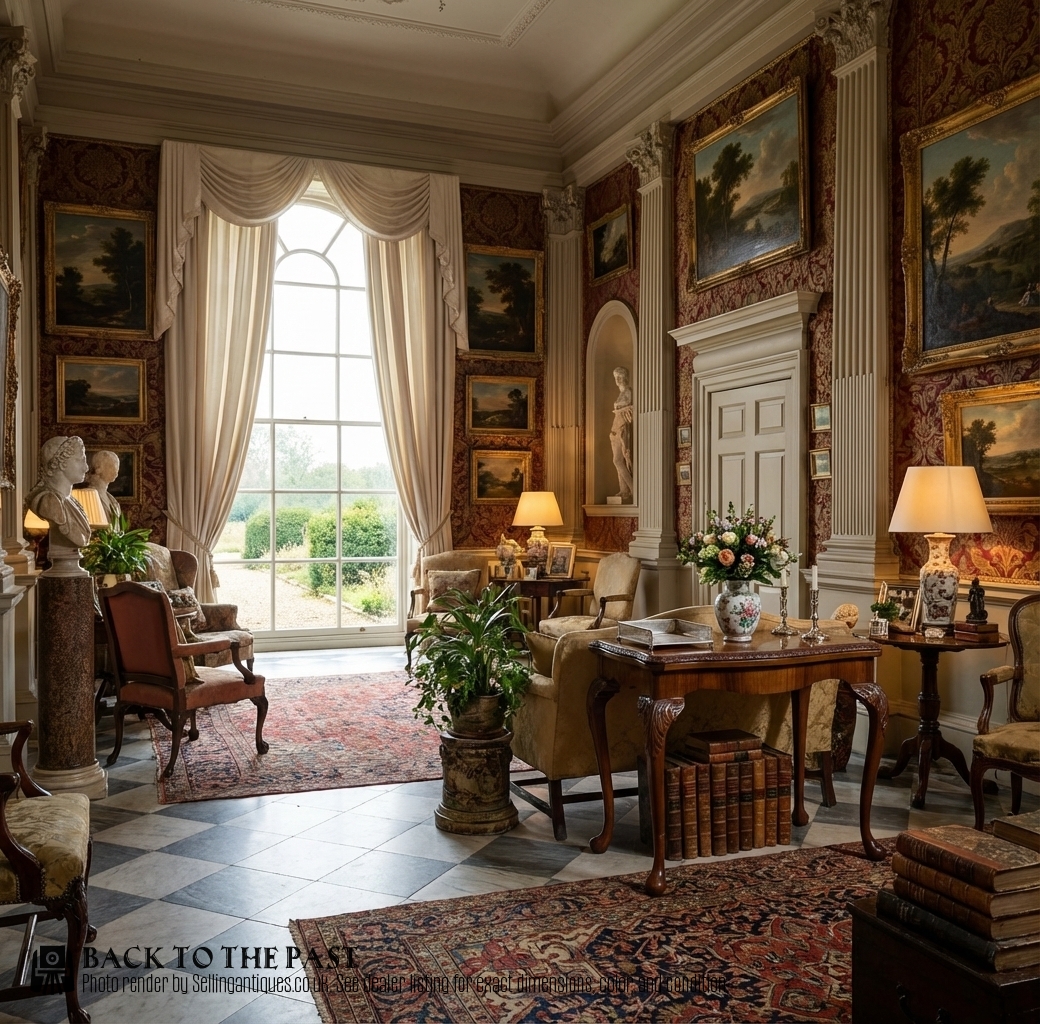
Materials and construction
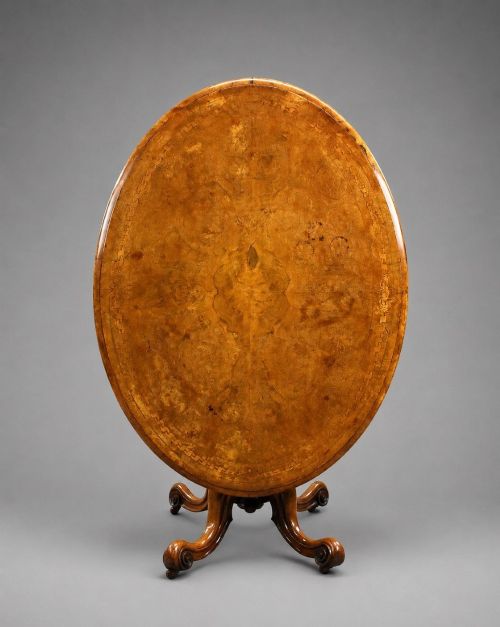
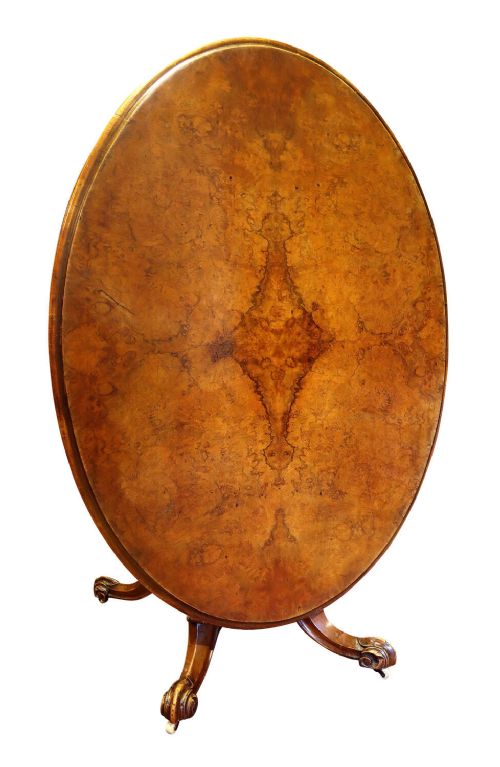
Makers utilised solid walnut and decorative burr walnut veneers to achieve rich surface grain and varied figure across the folding tops. Inlays of boxwood and fruitwood provide contrasting geometric or floral detailing, while brass hardware secures internal mechanisms.
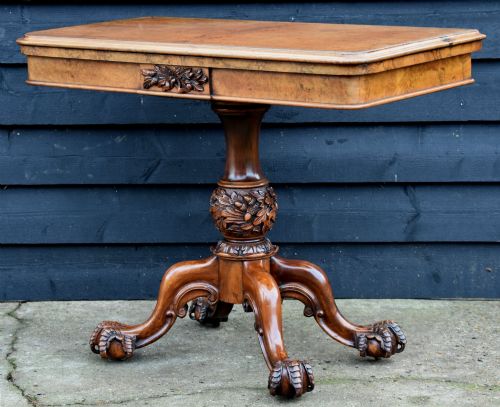
Structural flourishes rely on hand-carved elements, from pedestal bases to scrolled supports and shaped aprons. The tops are engineered to pivot and unfold, resting securely on swing legs or concertina actions to bear the weight of play.
Carved Walnut Card Table Retail Price Guide 2026
Typical asking prices for carved walnut card table among the pieces listed under this phrase on Sellingantiques today, from the lower quarter to the upper quarter. They describe what is for sale here now, not the wider market.
Some Victorian examples hide miniature compartments designed specifically for tiny ivory gaming counters and forgotten scoring pegs.
The markers of distinction
Distinction rests on the choice of timber and the complexity of the cabinetry, where heavily figured burr walnut and deep, crisp hand-carving elevate the piece above plain stock. The integration of marquetry or boxwood inlay requires precise execution that marks out superior workshops.
Proportion and structural stability dictate the success of the form, ensuring the fold-over top aligns cleanly when closed and remains level when open. Tables featuring articulated carved basket bases or serpentine profiles demonstrate greater ambition in design.
Edwards and Roberts·Epstein and Co
The Carved Walnut Card Table Glossary
- Burr walnut
- A highly figured timber veneer taken from the growth excrescences of walnut trees, prized for its swirling grain patterns. It forms the primary decorative surface on top-tier Victorian examples.
- Fold-over top
- A hinged table surface that doubles in area when opened for play or dining. The mechanism often reveals a hidden compartment or baize-lined interior.
- Marquetry
- The art of applying decorative veneer pieces to a structure to form intricate pictures or patterns. Boxwood and fruitwood are frequently utilised for this contrasting work.
- Serpentine
- A curved line that undulates inwards and outwards, commonly seen on the edges of tabletops and cabinet fronts. This shape demands accomplished woodworking to follow the contour accurately.
Carved Walnut Card Table: Frequently Asked Questions
What is a carved walnut card table?
A carved walnut card table is a multi-functional piece of nineteenth-century furniture featuring a hinged top that opens to reveal a playing surface. These tables were designed for domestic entertainment, accommodating card games and board pursuits.
When closed, they function as console, side, or occasional tables against a wall. The construction typically highlights figured burr walnut and carved structural supports.
How do you date these tables?
Dating relies on stylistic markers, timber choice, and construction methods associated with Victorian and Edwardian periods. Mid-nineteenth-century pieces frequently display rococo revival carving and rich burr walnut veneers.
Later Edwardian or 1920s examples often adopt Queen Anne revival forms such as demi-lune shapes and cabriole legs. Examining the interior hinges and secondary woods provides further chronological clues.
How do you use one today?
These tables adapt easily to modern interiors as hallway consoles, living room side pieces, or occasional surfaces. Opening the top reveals space for small-scale dining or a game evening.
Positioning them away from direct heat sources protects the walnut veneer and polished finish from cracking.
What is underneath the folding top?
Opening the fold-over top typically reveals a recessed well lined with baize, felt, or leather for playing cards. Some variants include compartments for storing gaming pieces, counters, or dice.
Simpler surfaces may just expose polished wood or secondary timber framing.