

Brown Walnut Card Table
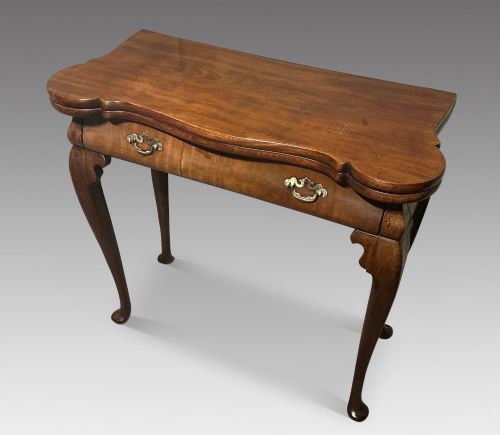
A brown walnut card table offers a folding surface for entertainment, prized for rich grain and period craftsmanship.
What they are
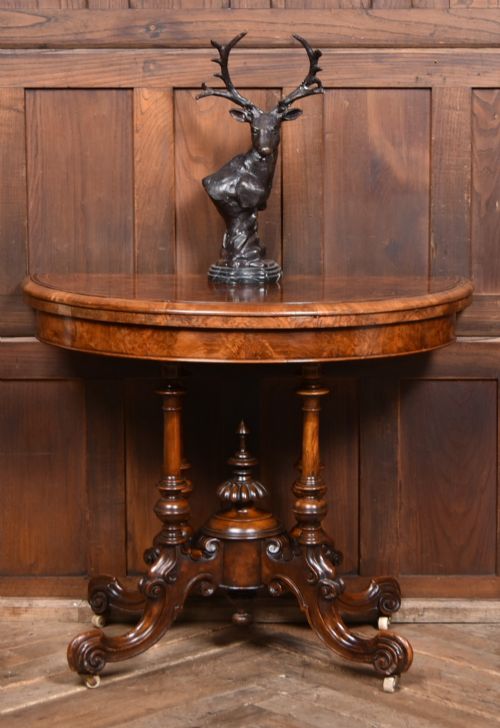
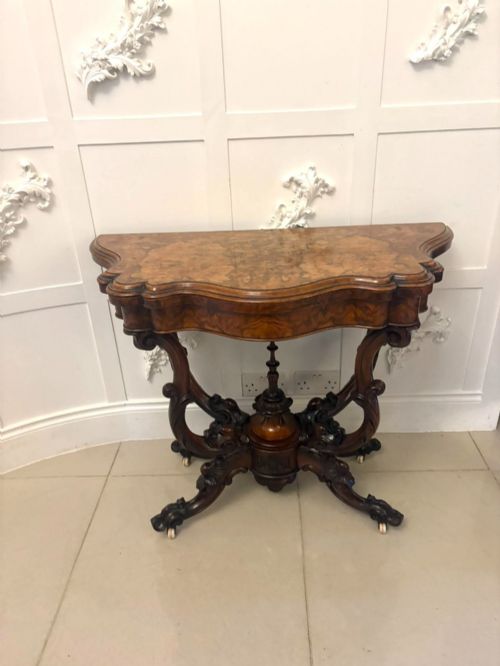
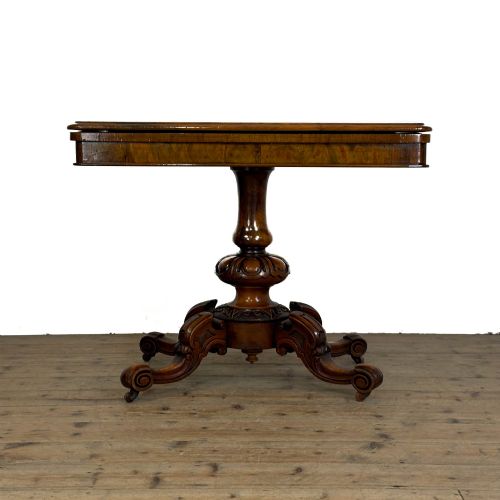
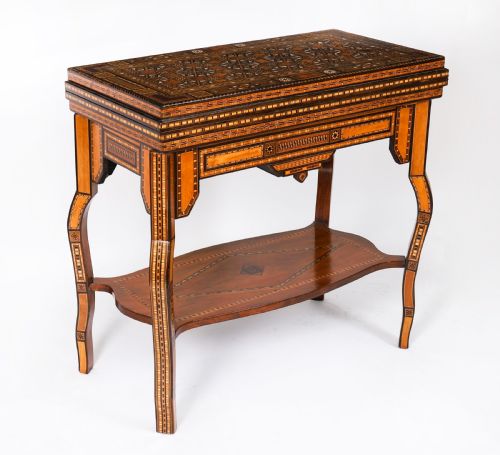
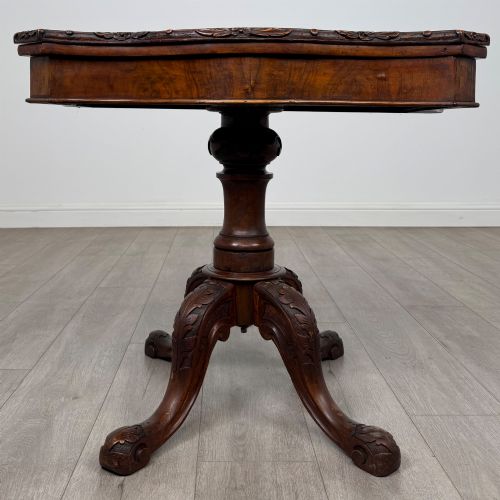
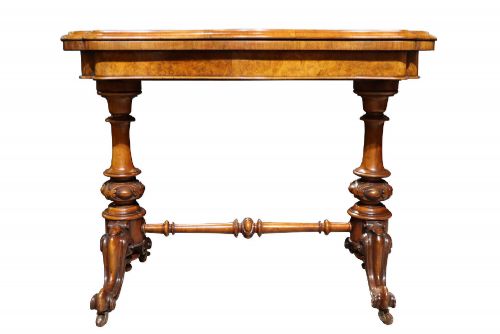
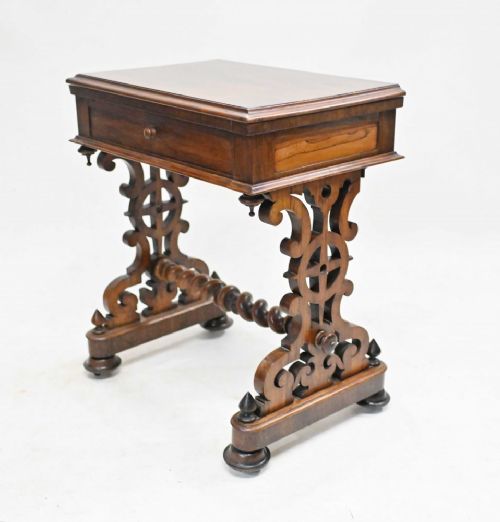
A brown walnut card table combines practicality with decorative timber, serving as both a functional games surface and a formal furniture piece. The listings show forms primarily from the Victorian era alongside Early Georgian-style interpretations made around nineteen-twenty.
Most examples function as fold-over or turn-over leaf games tables, revealing a baize-lined or polished interior when opened. The primary material across these pieces is walnut, appearing in figured and burr varieties.
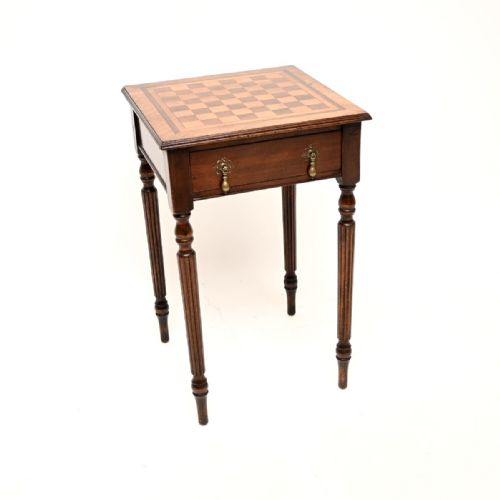
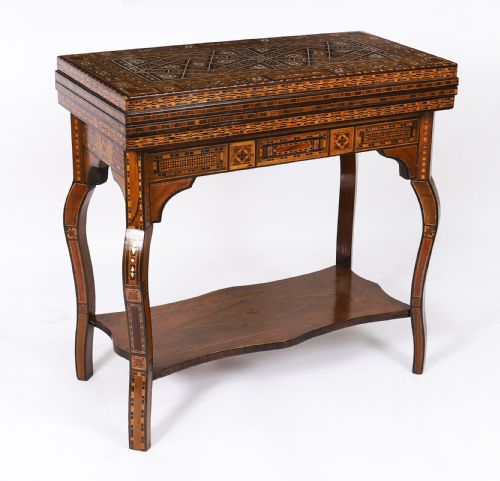
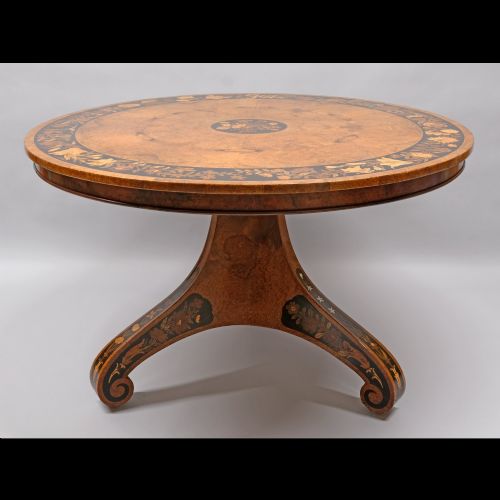
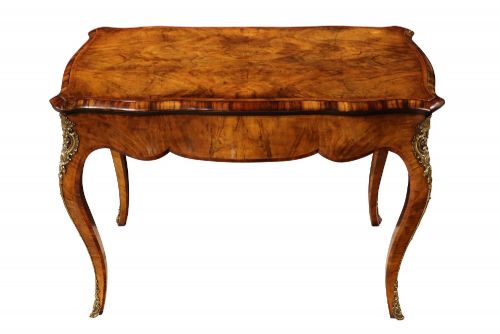
Makers produced these tables in various regional iterations, including French Rococo Revival and Louis XVI styles featuring marquetry inlay. Buyers frequently encounter nineteenth-century Victorian pieces alongside later twentieth-century revival interpretations.
How they were made
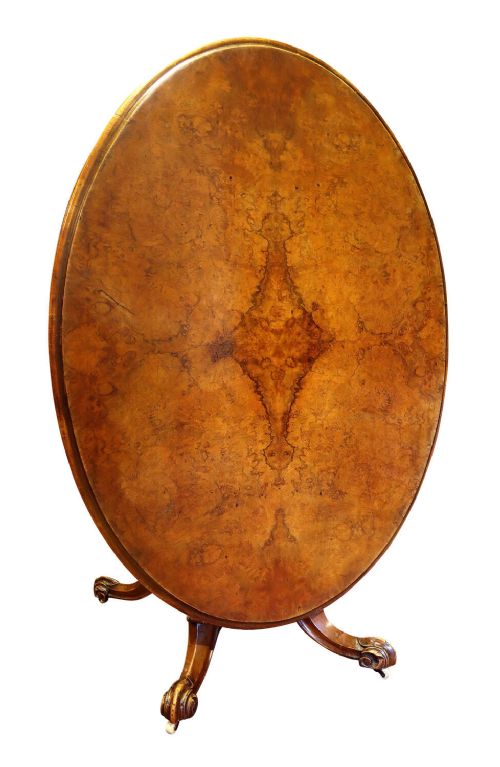
Cabinet makers utilised walnut timber, specifically selecting figured walnut and burr walnut for decorative grain patterns on the top surfaces. Workshops applied wood inlay and crossbanding to accentuate the borders and geometric designs of the folding leaves.
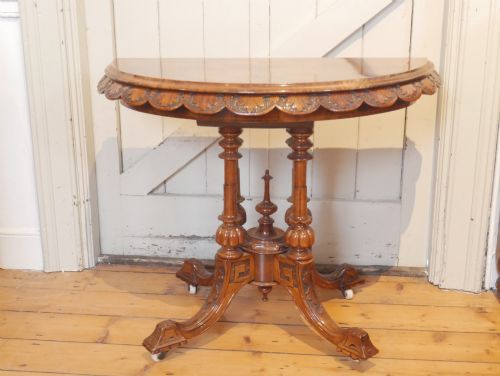
Construction involved joining solid wood frames to veneered panels, supported by polished timber legs. Certain examples incorporate brass and ormolu mounts as decorative accents alongside ceramic components.
Retail Price Guide 2026
Typical UK retail prices for brown walnut card table, calculated from the Sellingantiques database of over a million retail prices indexed since 2003. This retail price guide relies exclusively on Sellingantiques data; no external sources or auction records are used, so the figures do not describe the wider market.
Card tables hide their true purpose against the wall, ready to unfold and host an evening of polite parlour deception.
What varies in quality
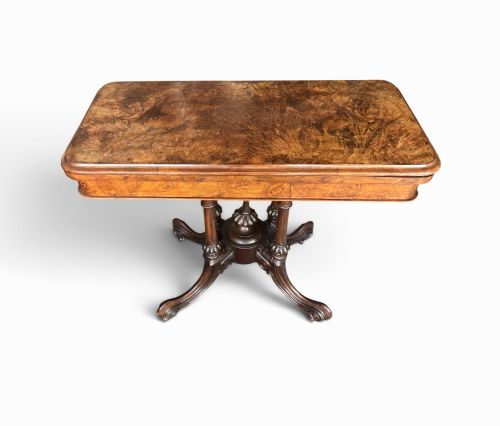
The visual distinction among these tables rests on the selection and matching of the walnut veneer. Burr and figured walnut displays intricate natural patterns that elevate a standard surface into a striking decorative feature.
Refinement in execution dictates the overall standard, visible in the precision of the wood inlay and crossbanding. The fluidity of the folding mechanism and the integration of revival styles like Louis XVI or French Rococo further separate standard examples from finer items.
The Brown Walnut Card Table Glossary
- Burr walnut
- A prized timber harvested from tree growths, yielding intricate swirling grain patterns used on furniture surfaces. This material forms the primary visual draw on several listed pieces.
- Crossbanding
- A decorative border technique where veneer strips run perpendicular to the main grain of the table top. It creates a neat framing effect around the central panel.
- Marquetry inlay
- The art of applying small pieces of veneer to form pictorial or geometric designs on furniture. Examples include Louis XVI style French motifs.
- Fold-over leaf
- A hinged top design that doubles the surface area when opened for games. This mechanism defines the core utility of the card table.
Frequently Asked Questions
How do I use a card table?
These tables function as compact console or side furniture when closed against a wall. Lifting and rotating the top leaf reveals a baize-lined surface intended for card games and social pastimes.
Opening the leaf requires swinging the supporting leg outward to bear the weight of the folding section. Modern owners often utilise them as occasional display surfaces or hallway desks.
How do I date walnut tables?
Dating relies on identifying stylistic markers such as Victorian proportions or Early Georgian revival characteristics. Timber selection and construction methods also provide clues to the approximate decade of manufacture.
Examining the hinges, interior compartments, and secondary woods helps confirm whether a piece originates from the nineteenth century or the nineteen-twenties.
What is burr walnut?
Burr walnut derives from a tree deformity or burr, producing dense, swirling clusters of knots in the grain. Cabinet makers sliced this timber into thin veneers to cover prominent display surfaces.
Because of its unpredictable formation and striking appearance, burr walnut was reserved for high-end decorative furniture.
Are these tables sturdy?
The structural integrity depends on the original joinery and the condition of the folding mechanism. Solid walnut frames provide a stable base when the table remains closed.
When opened for use, the pivoting leg must align correctly to support the folded leaf safely. Regular checking of the hinge screws prevents strain on the timber.