


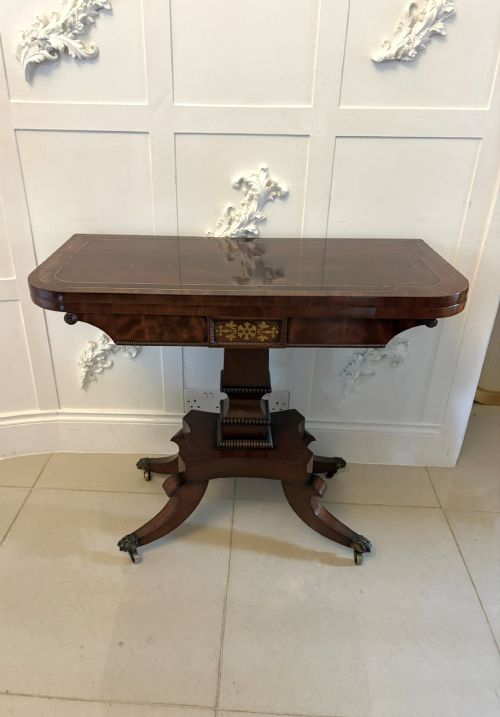
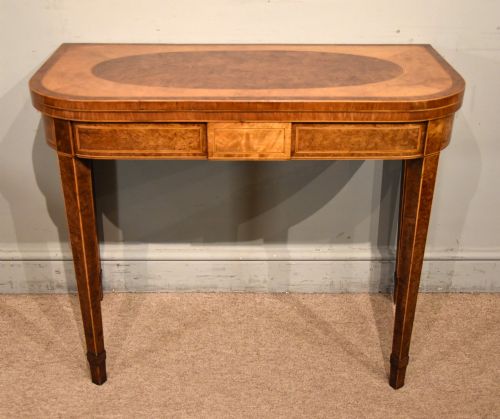
Antique Console Games Table
These antique console games tables combine ingenious folding surfaces with handsome timbers, offering both decorative presence and practical use.
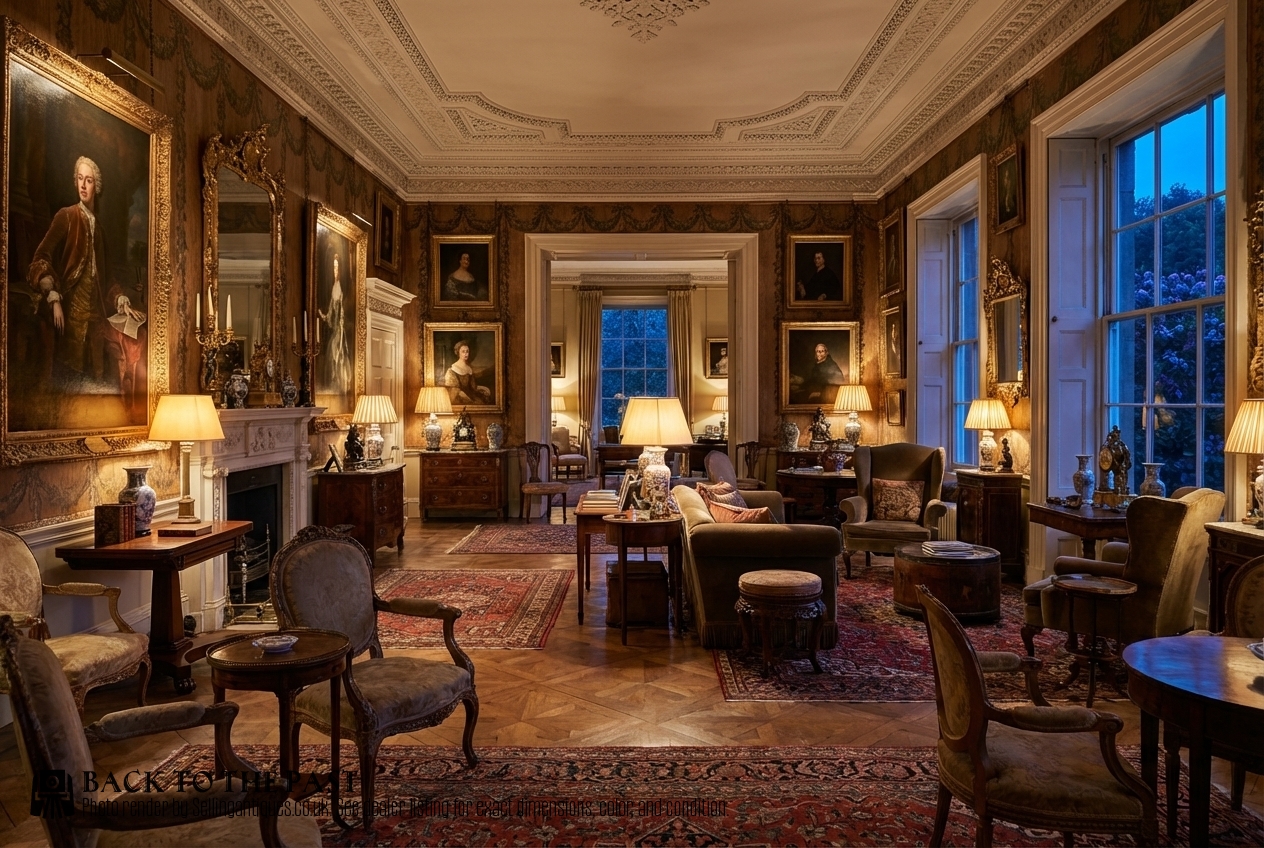
Identifying an antique console games table
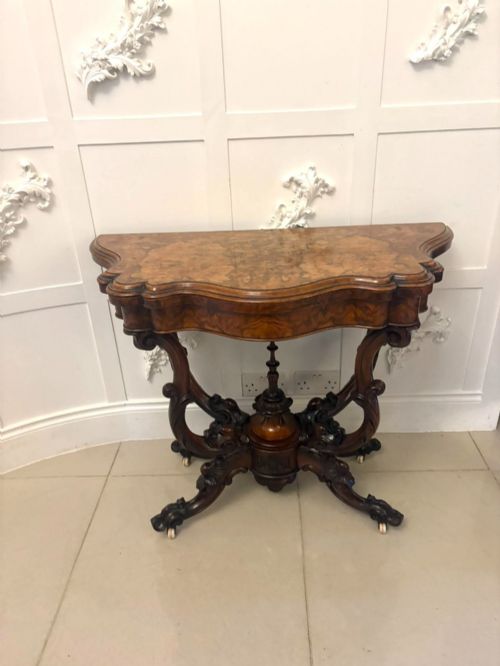
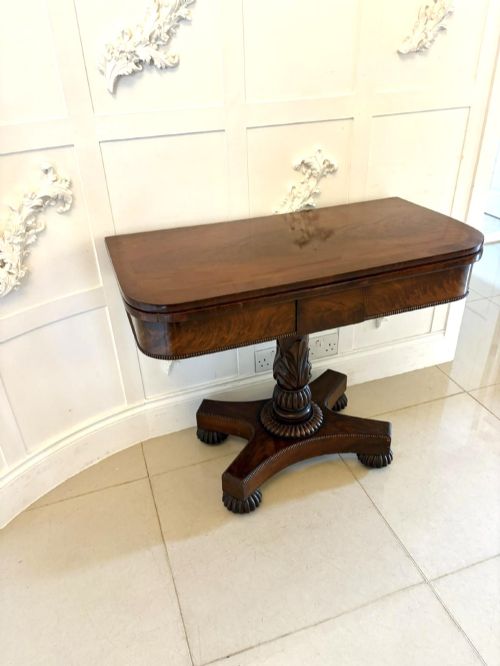
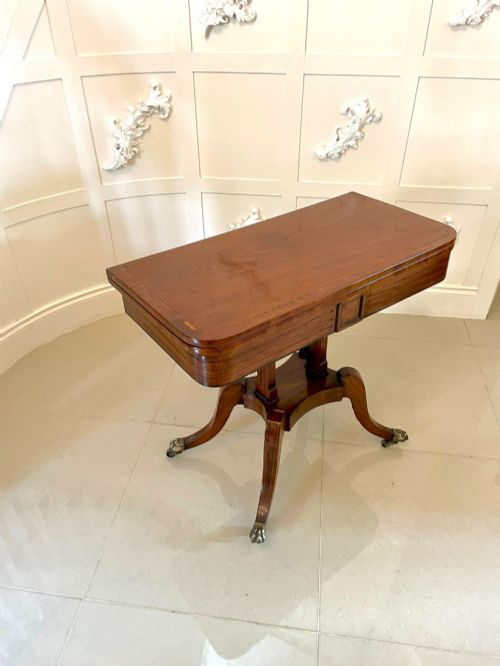
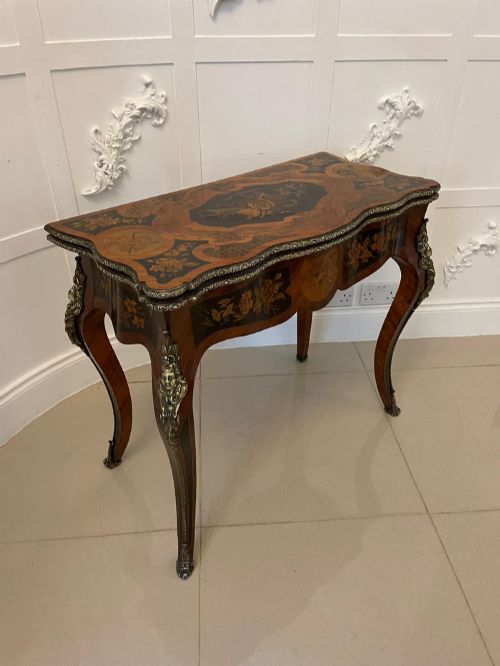
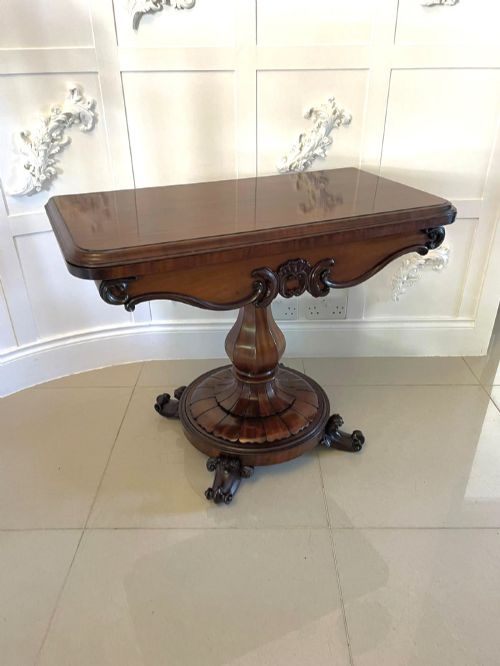
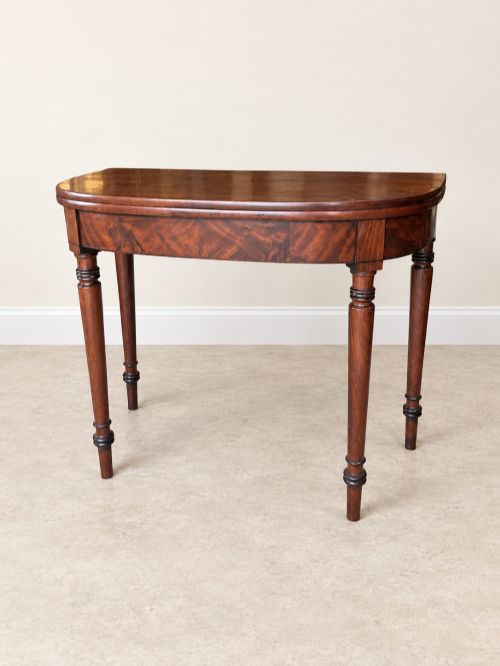
An antique console games table is a versatile dual-purpose furniture form designed to sit neatly against a wall as a console before opening out for card playing or board games. When you search for an antique console games table, you encounter folding, turning, or demi-lune tops that conceal playing surfaces lined with baize.
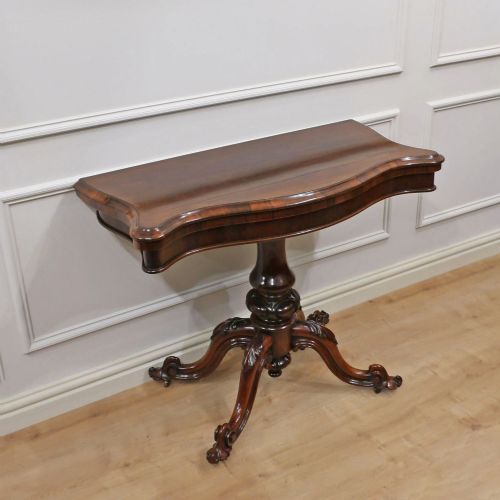
The pieces appearing in the evidence span the Regency, Victorian, and Edwardian eras, incorporating stylistic revivals such as William IV, Victorian Rococo Revival, and Queen Anne style. The most common forms are card tables, side tables, and games tables that double as pier or sofa tables.
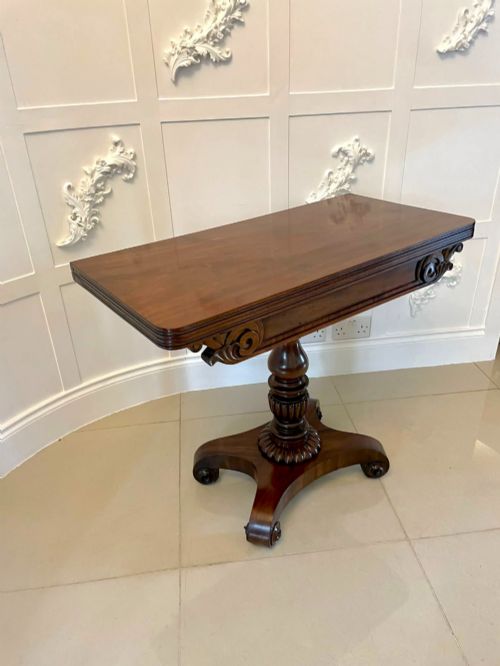
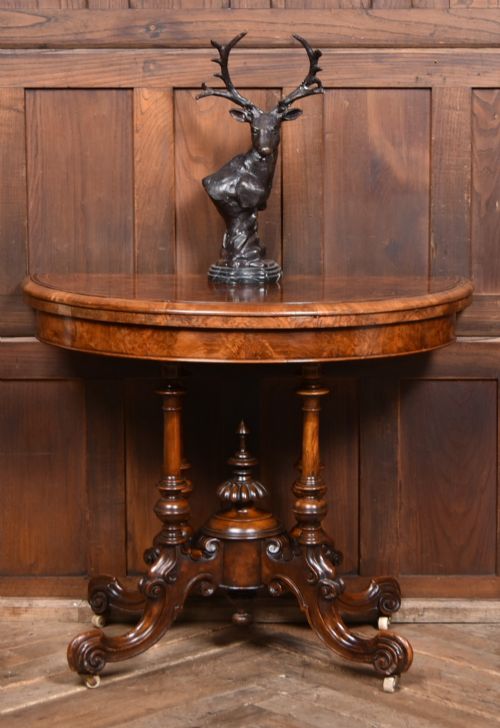
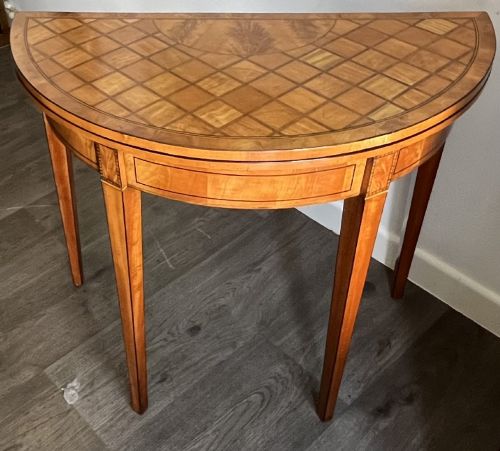
Object types vary from D-shaped and demi-lune formats to rectangular folding leaves and segmented tops. They function equally well as decorative console tables in a hallway or living room and as functional gaming surfaces when unfolded.
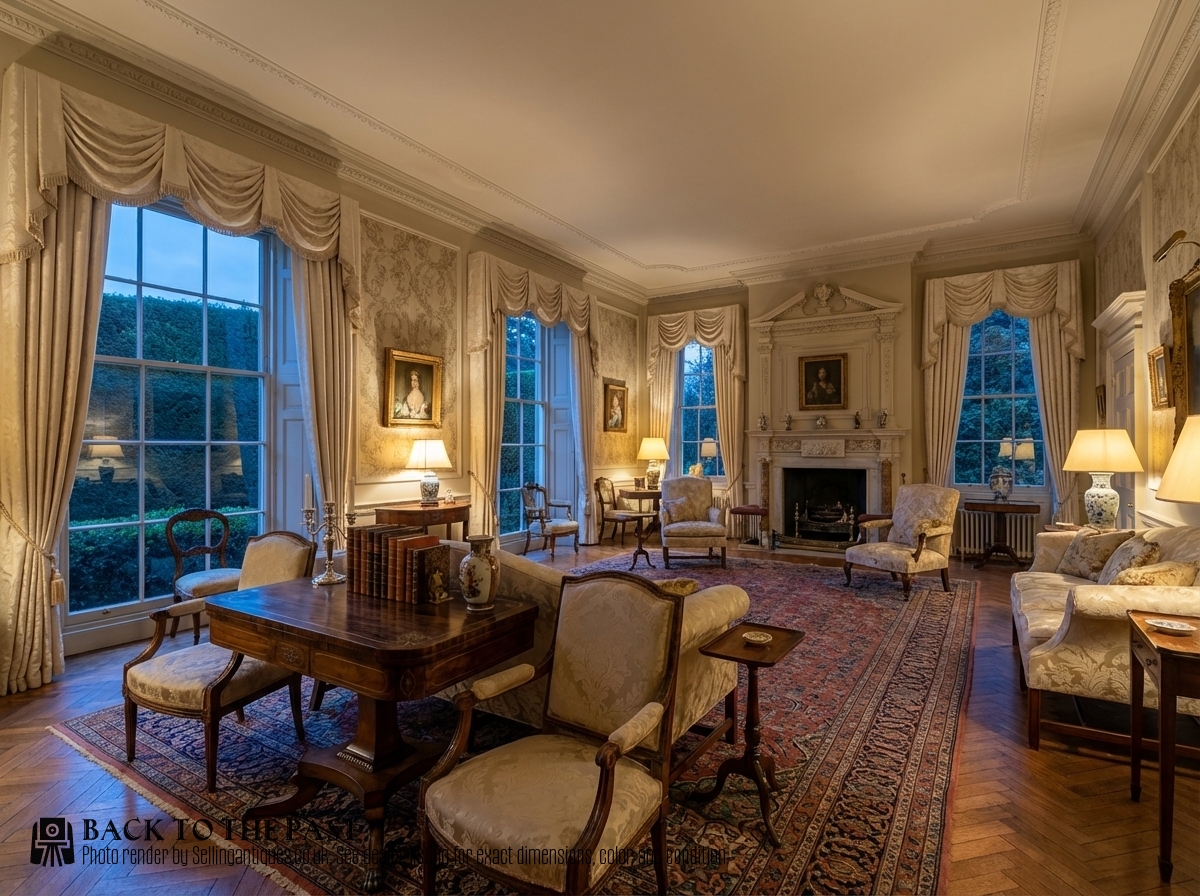
Materials and construction methods
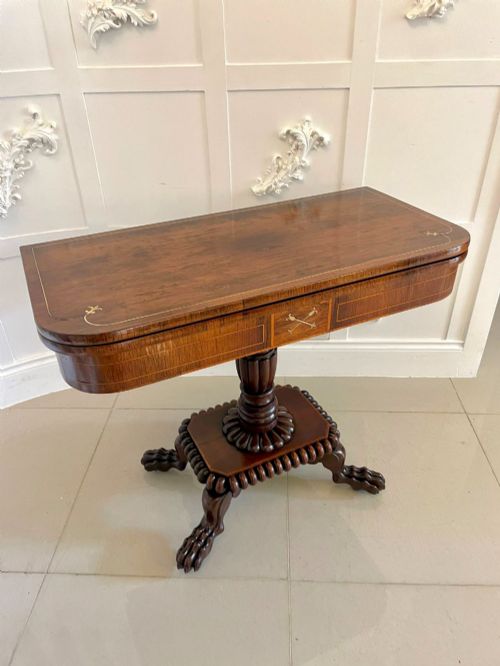
Cabinet makers utilised a rich palette of primary timbers including rosewood, burr walnut, mahogany, satinwood, and goncalo alves. Surfaces often feature elaborate marquetry inlay, walnut veneer, brass inlays, and ormolu mounts.
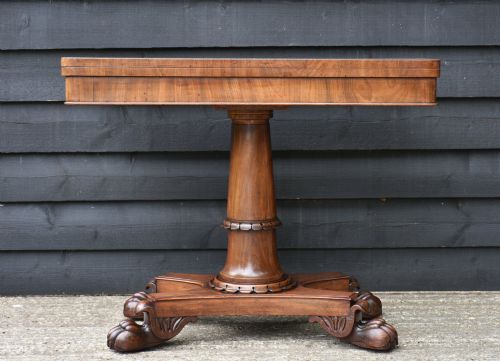
Structural engineering focused on the clever pivot, fold-over, or swivel mechanisms that support the secondary leaf when opened. Interior compartments frequently include games drawers or wells to store pieces, supported by reeded legs, sabre legs, or carved lion paw feet.
Retail Price Guide 2026
Typical UK retail prices for console games table, calculated from the Sellingantiques database of over a million retail prices indexed since 2003. This retail price guide relies exclusively on Sellingantiques data; no external sources or auction records are used, so the figures do not describe the wider market.
The recorded inventory spans the Regency, William IV, Victorian, and Edwardian periods with card, console, and games formats.
Assessing quality and craftsmanship
Quality rests upon the selection of timber veneers, such as richly figured burr walnut or heavily grained rosewood, and the precision of the marquetry or brass inlay. Superior examples display seamless alignment when the top is closed and stable, tight joints when opened.
The sophistication of the mechanism and the carving of the base distinguish finer pieces. Hand-carved elements, substantial brass details, and secondary drawer linings indicate workshop standards.
Gillows
The Antique Console Games Table Glossary
- Baize
- A coarse woolen fabric used to line the playing surfaces of card and games tables. It provides a soft, tactile surface that prevents cards from sliding.
- Demi-lune
- A half-moon shape commonly used for the folding tops and console bases of tables designed to sit flush against a wall. This format saves space in smaller rooms.
- Marquetry
- Decorative woodwork in which pieces of veneer are fitted into a ground to form geometric or floral patterns. It demonstrates high levels of cabinet-making skill.
- Ormolu
- Gilded bronze mounts applied to furniture for decorative accent. It adds contrast and richness to dark timbers like rosewood and mahogany.
- Sabre leg
- A curving, outwardly swept leg characteristic of Regency furniture. It tapers toward the foot and contributes to a light, graceful silhouette.
Frequently Asked Questions
How do these tables open?
Most antique console games tables utilise a fold-over leaf, a swivel top, or a pull-out drawer mechanism. When closed, they present a narrow console profile against a wall.
To play, the top unfolds or rotates on its hinges to reveal a larger surface, often supported by a swing leg or a pivoting frame.
What were they used for?
These tables served a social function in period homes as dedicated surfaces for card games, chess, and backgammon. Wealthy households needed adaptable furniture for entertaining guests.
Between games, the tables stood against the wall displaying lamps, ornaments, or tea services as console pieces.
How do I distinguish Regency from Victorian examples?
Regency tables often feature architectural mahogany or rosewood surfaces, brass inlay, reeded legs, and sabre shapes. The lines tend to be clean and classical.
Victorian pieces lean toward burr walnut veneers, serpentine fronts, heavy carving, and rich marquetry inlay, frequently incorporating Rococo Revival details.
Where should I place one at home?
An antique console games table fits naturally in a hallway, drawing room, or living space where it can sit against a flat wall. The slim closed profile takes up minimal floor space.
Placing it away from direct heat sources protects the timber veneers and baize lining from drying out or fading.