

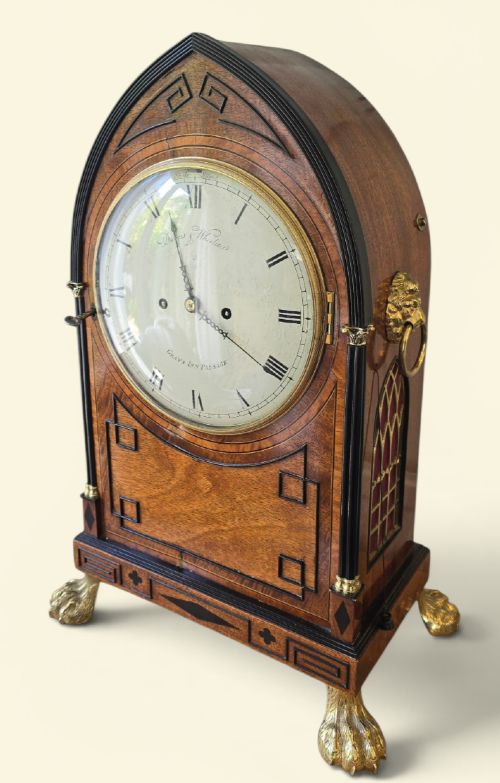


Brass Claw Foot Table
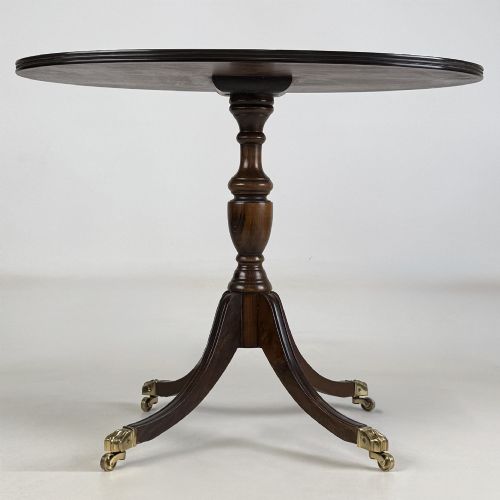
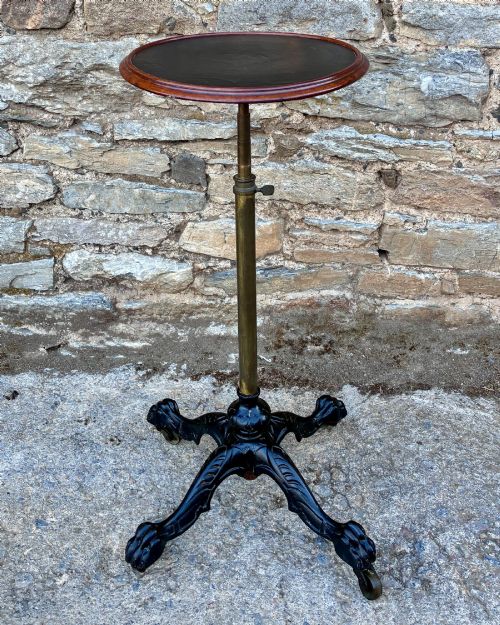
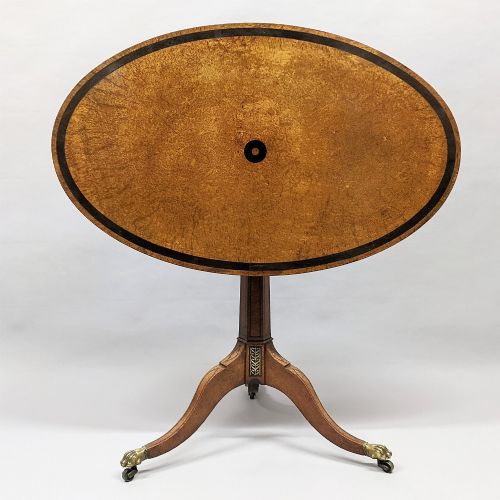
A brass claw foot table gathers the eye through solid metal casting and warm timber.

Brass Claw Foot Table
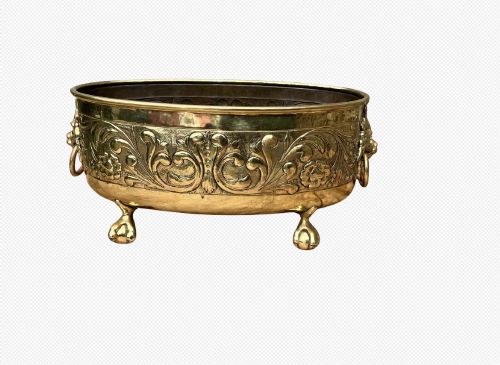
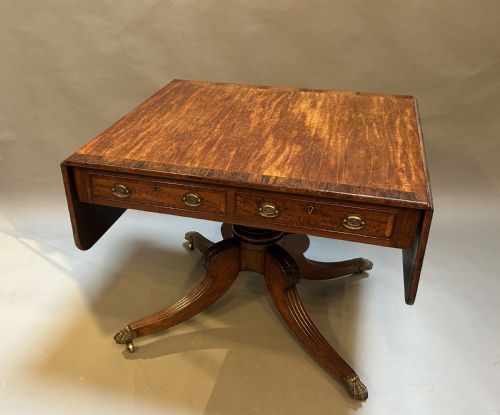
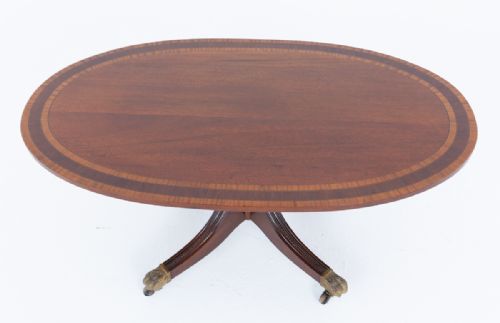
A brass claw foot table centres on specific forms designed for utility and display, drawing from the nineteenth century and earlier epochs. The selection on this page rests largely on sturdy lamp bases and lighting stands finished with cast metal paws.
Makers shaped these items across diverse types, ranging from occasional furniture to heavy cast illumination supports. Buyers encounter tripod bases and weighted columns designed to anchor domestic lighting securely.
The aesthetic leans heavily toward classical revivals and period styles, bringing substantial metalwork into domestic interiors. These objects combine functional illumination with distinct metal casting work.
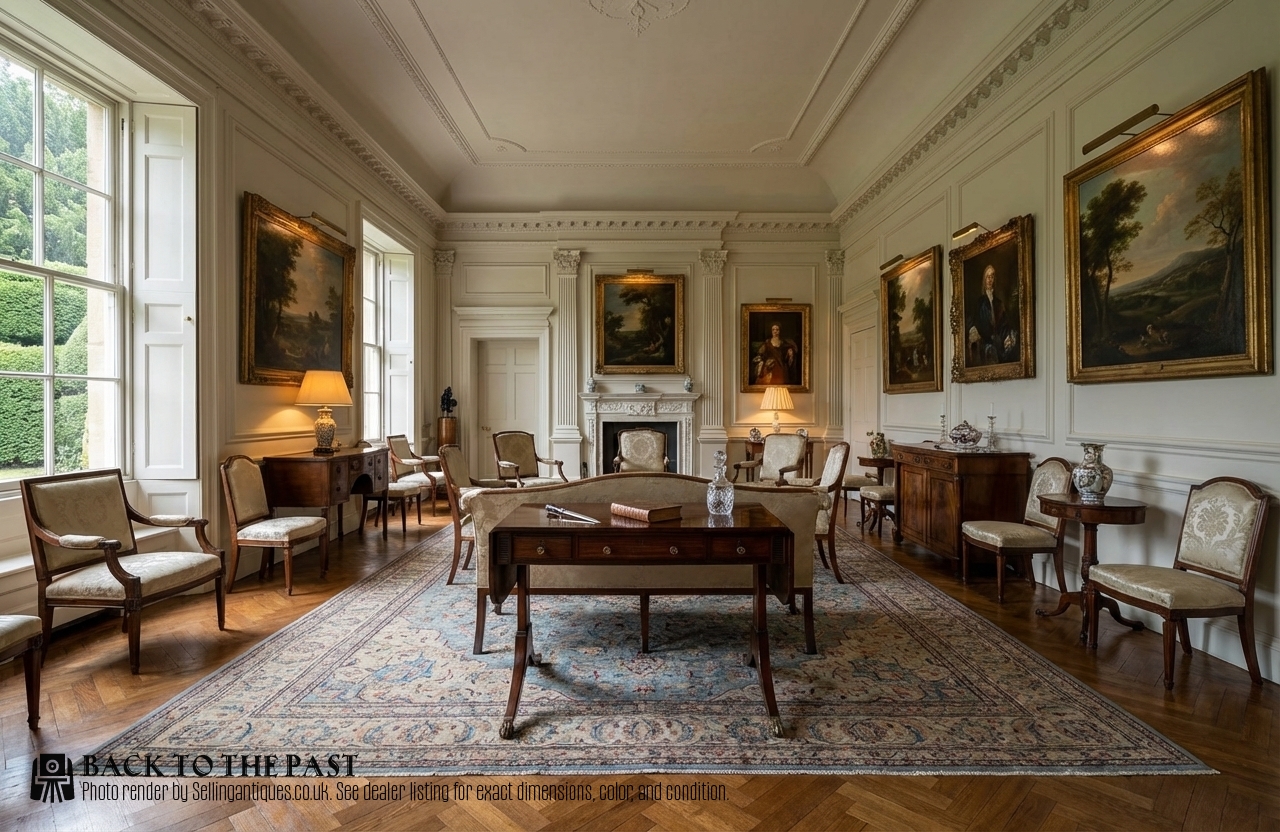
How they were made
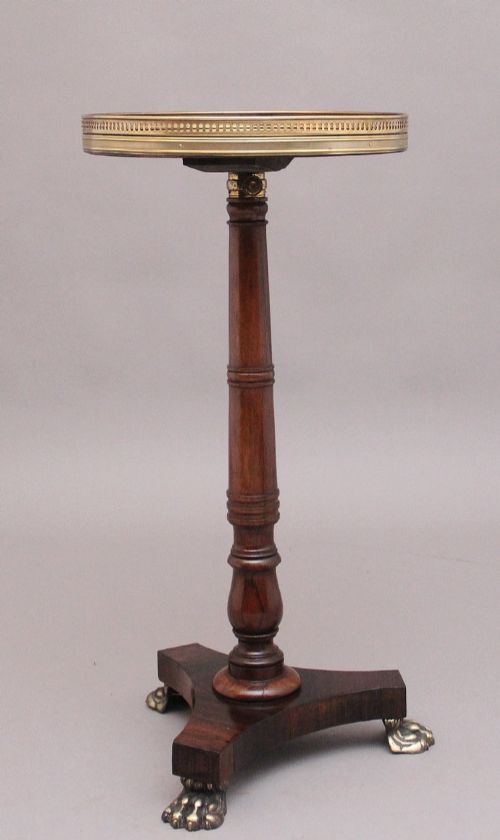
The primary construction relies on heavy cast brass and gilt metal, shaped into intricate paw feet and weighted pedestals. Artisans utilised sand casting methods to achieve the sharp detail visible on the claw elements.
Makers paired the metal components with turned wooden columns, marble plinths, and occasionally ceramic shades. These varied materials required careful joining techniques to ensure stability in heavy table lamps.
Brass Claw Foot Table Retail Price Guide 2026
Typical asking prices for brass claw foot table among the pieces listed under this phrase on Sellingantiques today, from the lower quarter to the upper quarter. They describe what is for sale here now, not the wider market.
Some heavy Pullman lighting stands once lit Victorian railway carriages while pretending to be parlour lamps.
What varies in quality
Quality separates objects by the crispness of the brass casting and the depth of the chasing on the claws. Finer examples display sharp definition in the fur and talons, whereas simpler pieces show softer, worn contours from repeated polishing.
The choice of secondary materials dictates the overall calibre of the item. Weight distribution and the integrity of the original joints determine how solidly the piece stands.
George Bullock·Desbois and Wheeler·Muirhead Moffat and Co
The Brass Claw Foot Table Glossary
- Brass
- An alloy of copper and zinc known for its bright golden appearance. It takes a high polish and resists corrosion well.
- Ormolu
- Gilding technique using finely ground gold-mercury amalgam applied to bronze or brass. This imparts a rich, deep yellow lustre.
- Tripod
- A three-legged support base providing stability on uneven floors. This configuration appears frequently on heavy lamp stands.
- Patination
- The surface sheen and colour developed by metal and wood through age and handling. It indicates genuine period use.
- Regency
- A design period spanning the early nineteenth century characterised by classical motifs. It draws inspiration from ancient Roman and Greek aesthetics.
Brass Claw Foot Table: Frequently Asked Questions
How do I clean a brass claw foot table?
Dust the surface regularly with a soft, dry cloth to prevent grime accumulation. Avoid harsh chemical cleaners that strip away historical surface character.
Polish the brass components sparingly using a gentle metal cleaner formulated for antiques. Take care not to let cleaning pastes touch adjacent wooden or ceramic sections.
What periods do these pieces come from?
The listings encompass items originating from the nineteenth century through to the early twentieth century. Regency and Victorian eras dominate the available metalwork.
Revival styles from later decades also appear frequently in the inventory. Each piece reflects the decorative preferences of its specific manufacturing era.
Where were these lamps originally used?
These heavy illumination supports suited grand Victorian and Edwardian drawing rooms and libraries. Their weighted bases provided stability on large timber desks and occasional tables.
Many designs served domestic lighting needs in comfortable country houses and urban townhouses alike. Their sturdy construction made them practical for daily interior use.
Are the electrical components original?
Electrical wiring on period lighting is routinely updated to meet current safety standards. Rewiring ensures the items function safely in modern homes.
Original brass lamp bodies retain their historical character while incorporating modern internal fittings. Safety testing confirms each piece is ready for everyday domestic placement.