
Brown Wood Drop Leaf Table
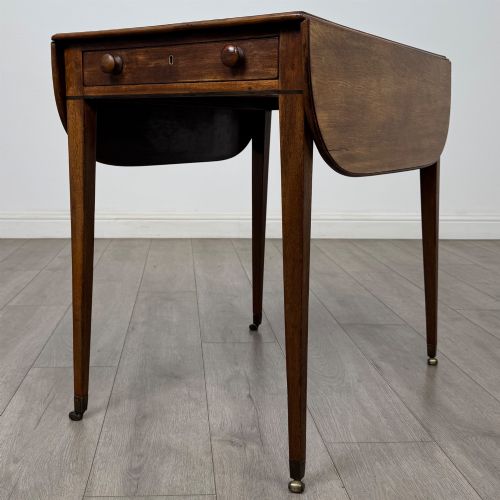
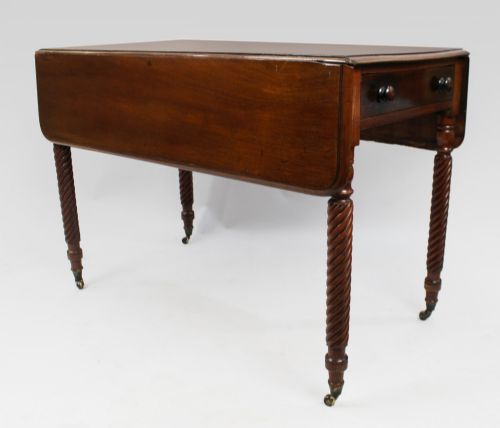
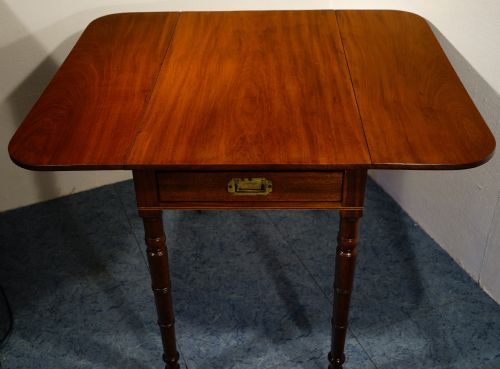
A brown wood drop leaf table offers folding side flaps for adaptable surface space, pairing period timber with practical domestic ingenuity.

Brown Wood Drop Leaf Table
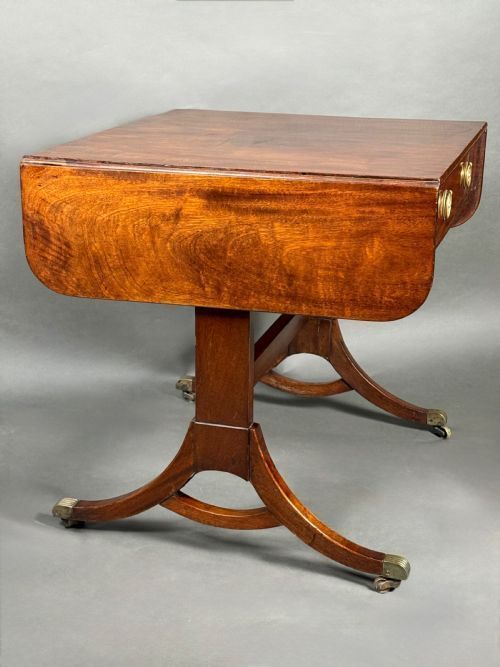
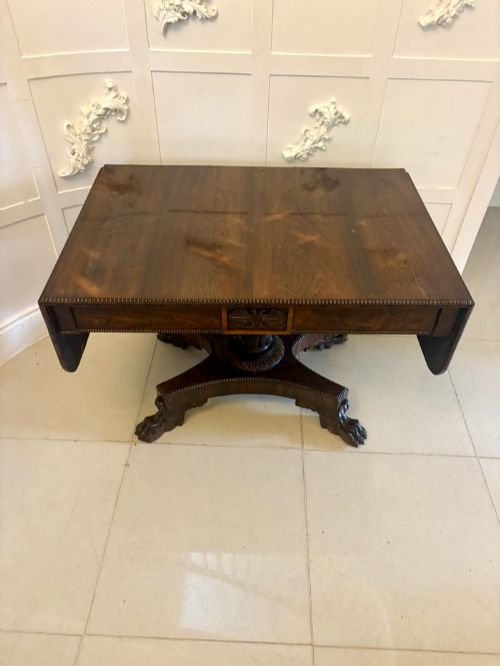
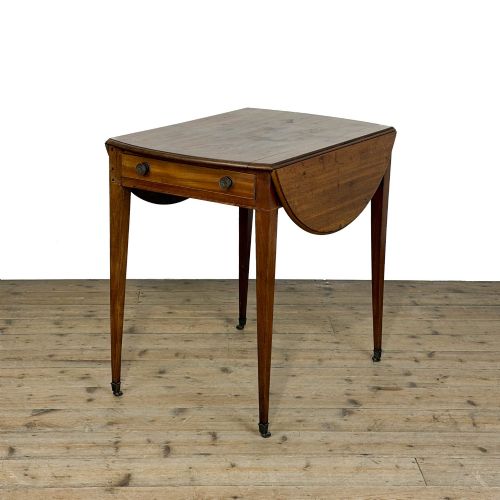
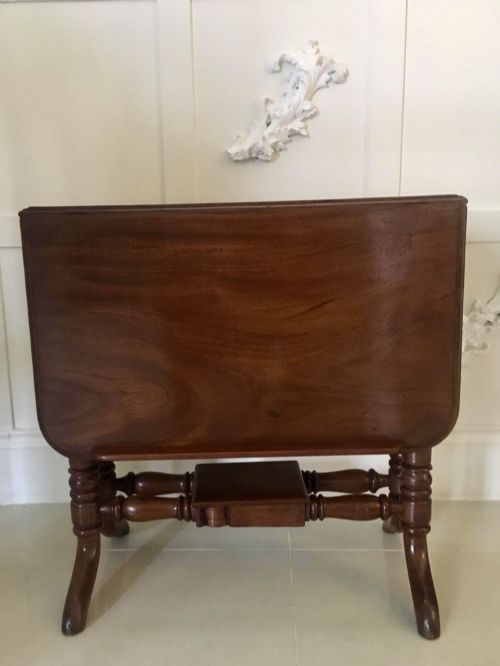
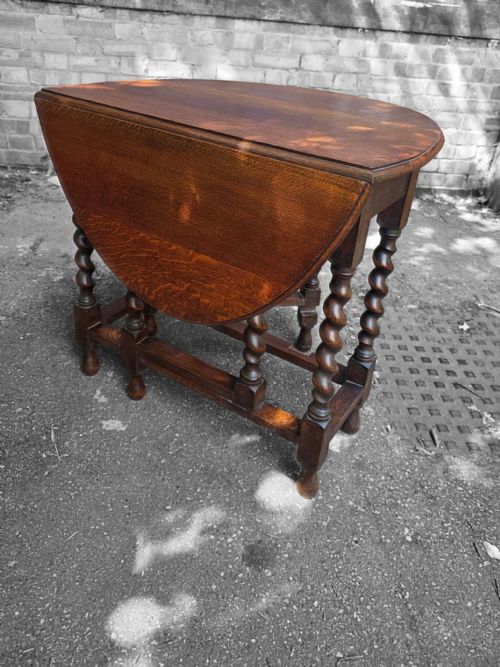
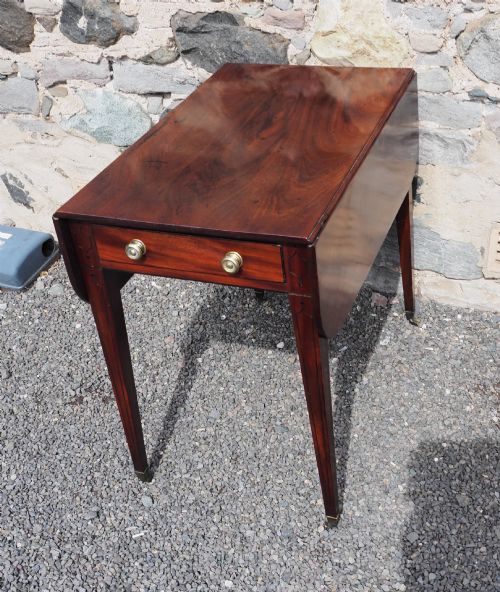
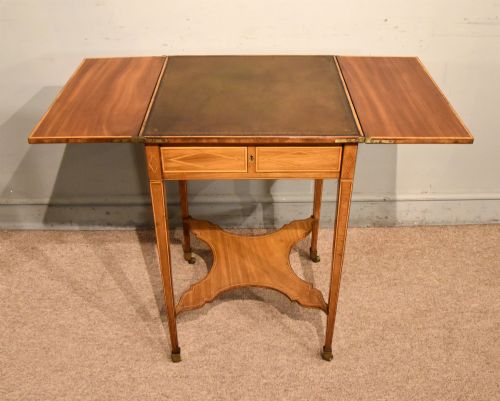
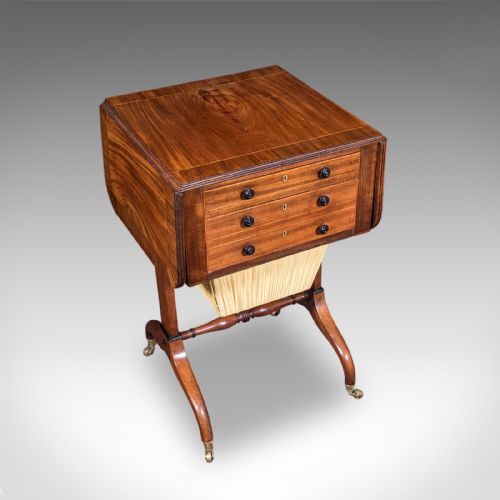
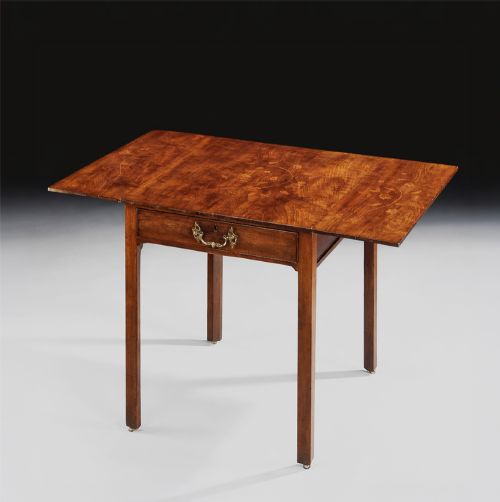
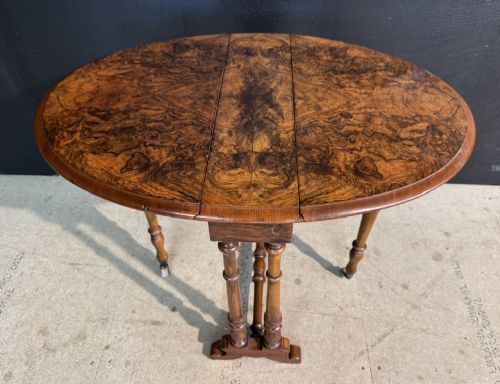
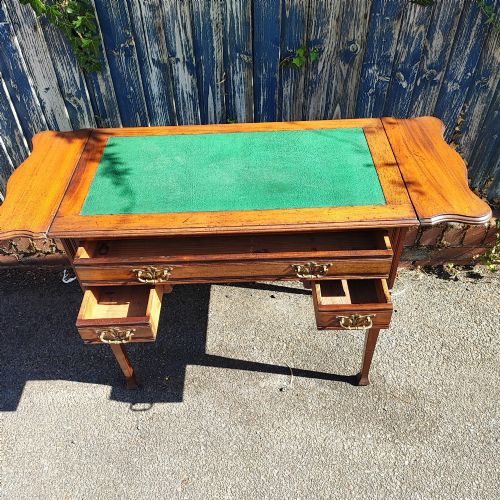
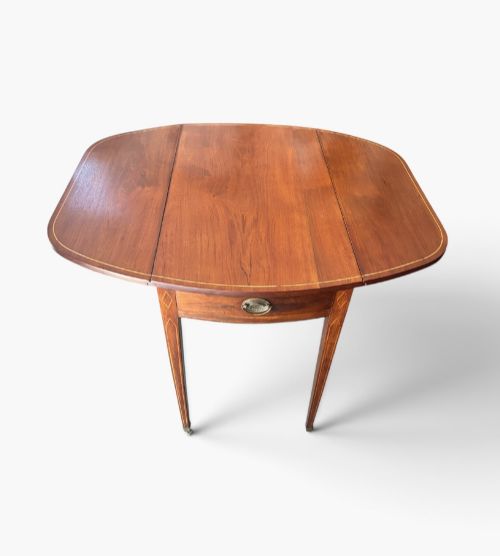
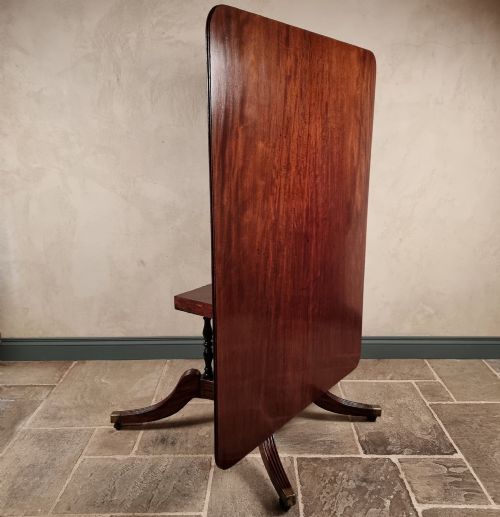
A brown wood drop leaf table meets you in various guises across this page, predominantly as Pembroke tables, sofa tables, and gateleg forms originating from the 18th century, Georgian, Regency, and Victorian eras. These pieces served versatile roles in domestic settings, expanding when required and dropping their leaves to rest compactly against a wall.
Makers utilised timbers such as mahogany, oak, rosewood, and elm, shaping them into dining tables, writing desks, and occasional lamp tables. The selection ranges from robust oak plank top gatelegs to refined satinwood and mahogany Pembroke tables featuring inlaid details.
The survival of these tables spans multiple stylistic revivals and centuries, showing how cabinet makers adapted folding flaps for dining, reading, and needlework. You encounter everything from large oval dining surfaces to diminutive bedside and miniature Sutherland tables.
Materials and Technique
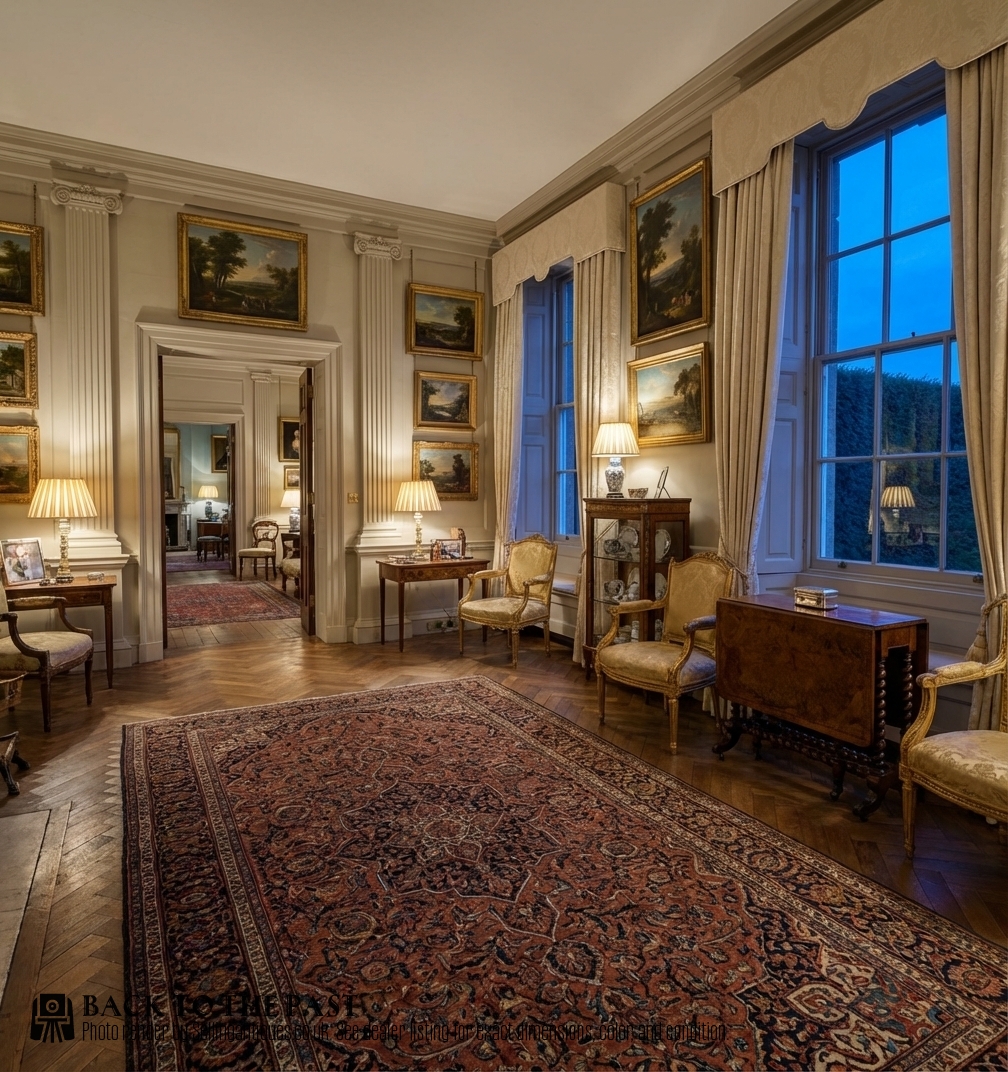
Cabinet makers built these tables using solid timber frames and veneers, frequently employing Cuban and flame mahogany, oak, and rosewood. Brass fittings, leather inserts, and delicate boxwood or satinwood inlay supplied functional contrast and decorative enrichment to the folding flaps and drawer fronts.
Structural support relied on turned baluster legs, barley twist supports, or gateleg actions that pivoted to sustain the drop leaves under weight. Joinery was executed with traditional pegged or mortise and tenon joints to withstand the regular movement of the drop sides.
Brown Wood Drop Leaf Table Retail Price Guide 2026
Typical asking prices for brown wood drop leaf table among the pieces listed under this phrase on Sellingantiques today, from the lower quarter to the upper quarter. They describe what is for sale here now, not the wider market.
Distinctions in Execution
The calibre of a brown wood drop leaf table rests upon the selection of timber, such as figured flame mahogany or burr walnut, and the precision of its marquetry or string inlay. Superior pieces exhibit seamless matching of grain across the folding leaves when extended.
Construction integrity defines the upper tier, visible in the smoothness of the drawer action, the stability of the gateleg pivots, and the retention of original brass hardware. Workshops that invested care in secondary timbers and crisp turning set the standard for enduring utility.
The Brown Wood Drop Leaf Table Glossary
- Pembroke table
- A small rectangular table with two hinged drop leaves on opposite sides, typically fitted with a single drawer. It gained popularity during the 18th century for breakfasting or writing.
- Gateleg table
- A table with hinged leaves supported by legs that swing outward like a gate. This design provides robust support to the extended flaps.
- Sofa table
- A long, narrow table traditionally placed in front of a sofa, equipped with drop leaves and often twin pedestals or trestle supports. They frequently date from the Regency and Victorian periods.
- Marquetry
- Decorative veneer work formed by fitting together small pieces of coloured wood, ivory, or shell to create pictorial or geometric designs. It adorns the top surfaces of finer tables.
- Boxwood inlay
- Narrow strips of pale boxwood embedded into darker woods like mahogany to create contrasting linear borders. It is a hallmark of Sheraton and Regency styling.
Brown Wood Drop Leaf Table: Frequently Asked Questions
How did people use a pembroke table?
A pembroke table served as a versatile, movable surface for breakfast, writing, or needlework within private parlours and withdrawing rooms. The hinged leaves allowed the table to sit compactly against a wall when floor space was required.
When unfolded, the surface accommodated writing materials or tea service, supported by pivoting brackets or rule joints.
How do I care for antique mahogany surfaces?
Protect antique mahogany by keeping the timber away from direct heat sources and strong sunlight that can dry out the wood and fade polished finishes. Dust regularly with a soft, dry cloth and avoid silicone-based sprays.
Apply a traditional beeswax polish sparingly when the wood appears dry, buffing gently to maintain the natural lustre of the grain.
How can I tell a Regency table from a Victorian one?
Regency tables, produced in the early 19th century, typically exhibit restrained classical proportions, brass inlay, and sabre legs influenced by archaeological discoveries. The timber selection often highlights figured mahogany or rosewood.
Victorian pieces from later in the century frequently display heavier proportions, darker finishes, and eclectic revival styles influenced by earlier Georgian or Jacobean designs.