

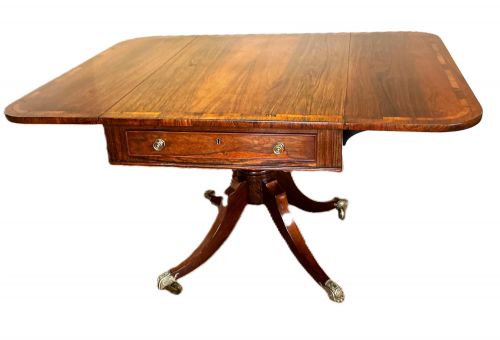
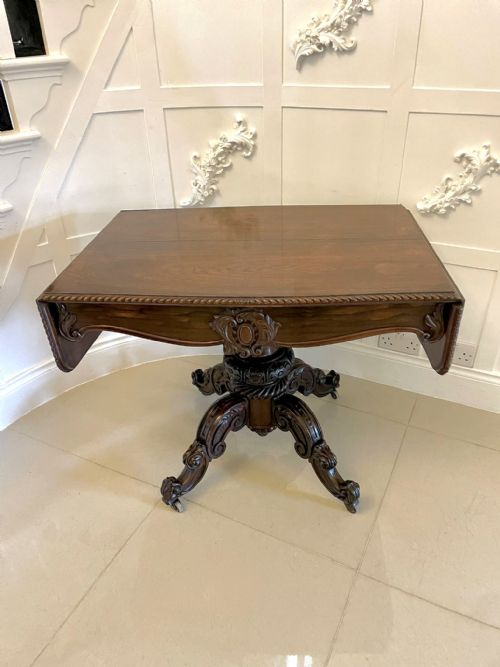
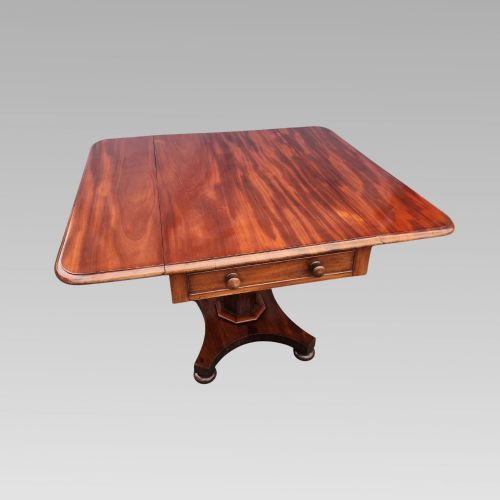
Pedestal Drop Leaf Table
A pedestal drop leaf table combines nimble drop-leaf leaves with a central column, offering adaptable surface space in rich mahogany, rosewood, and walnut.
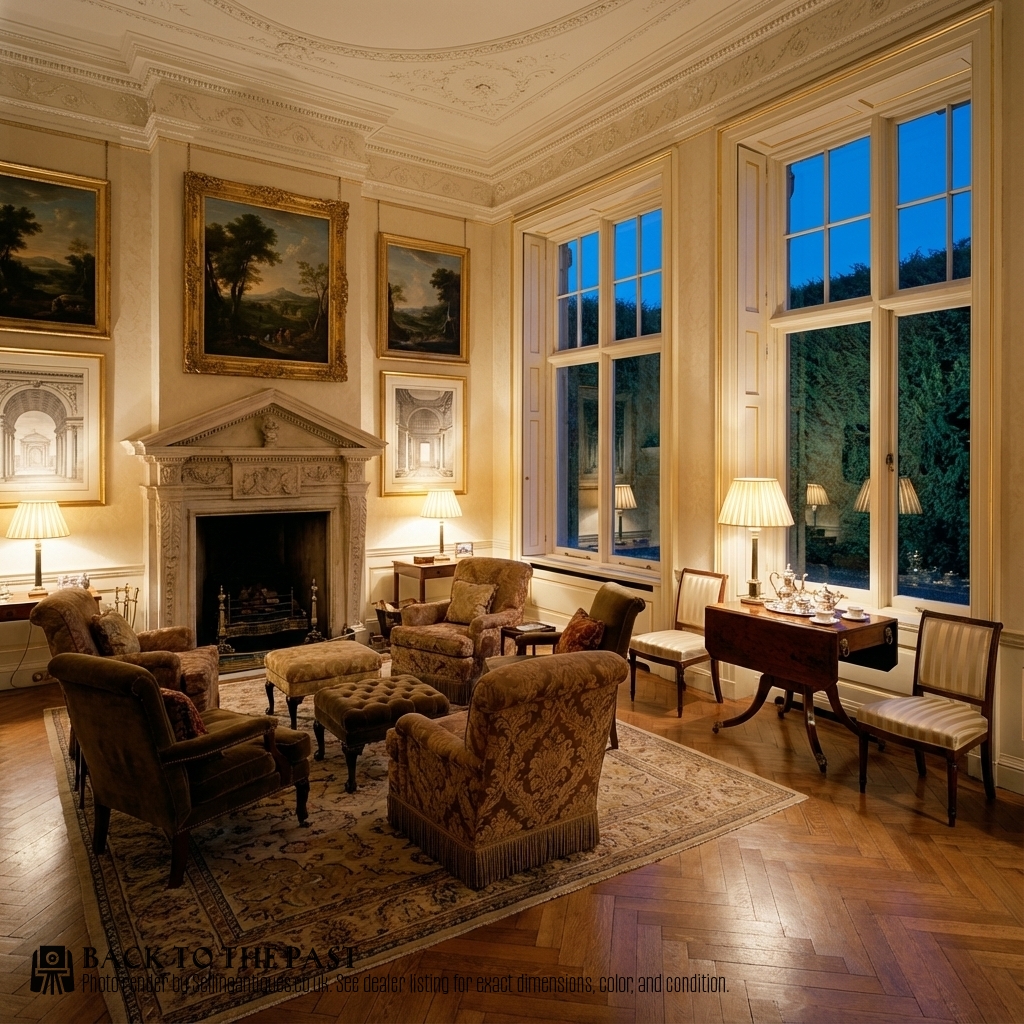
Pedestal Drop Leaf Table
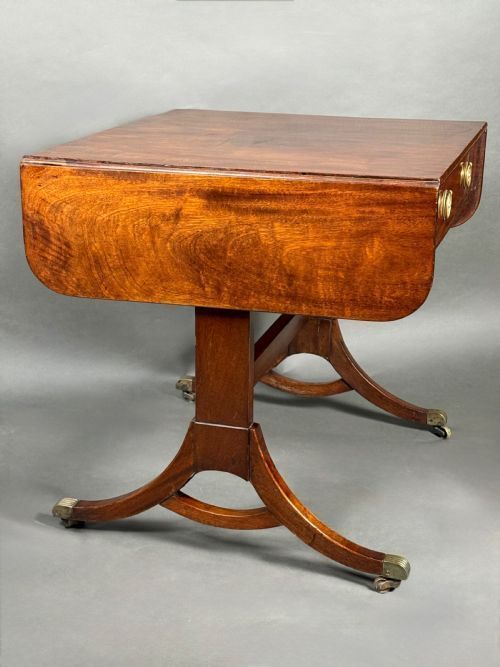
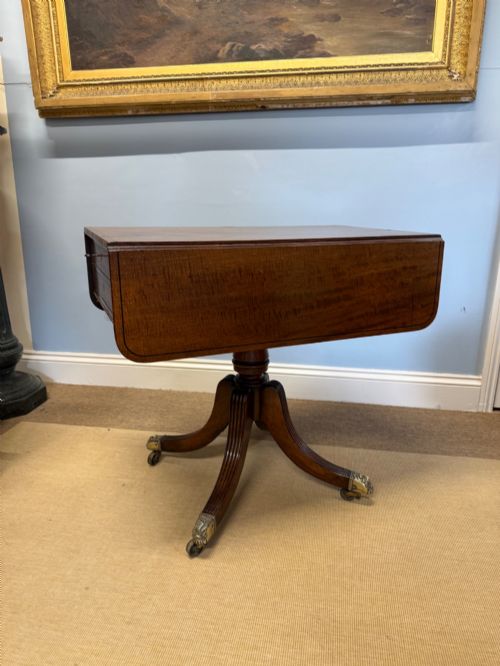
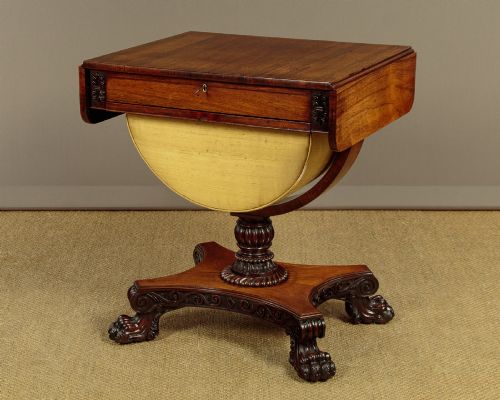
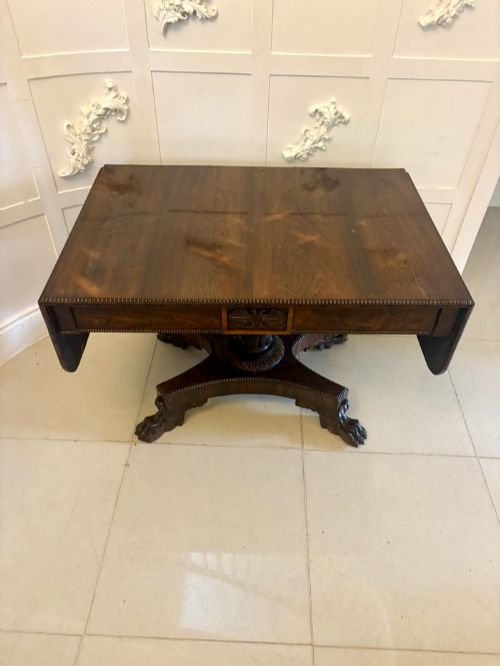
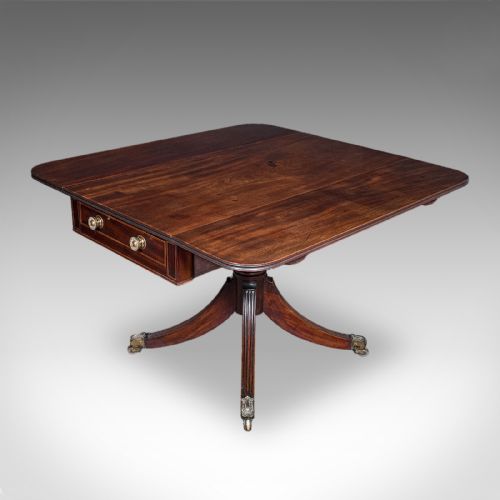
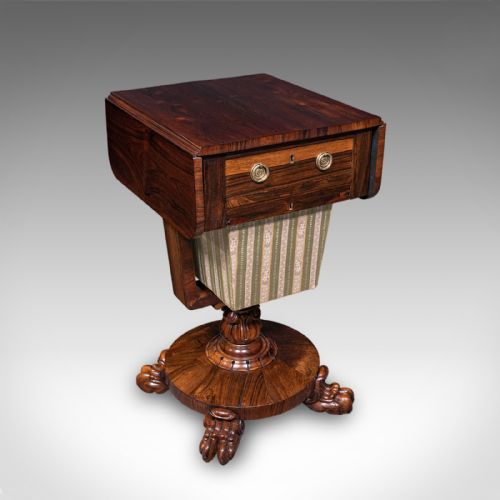
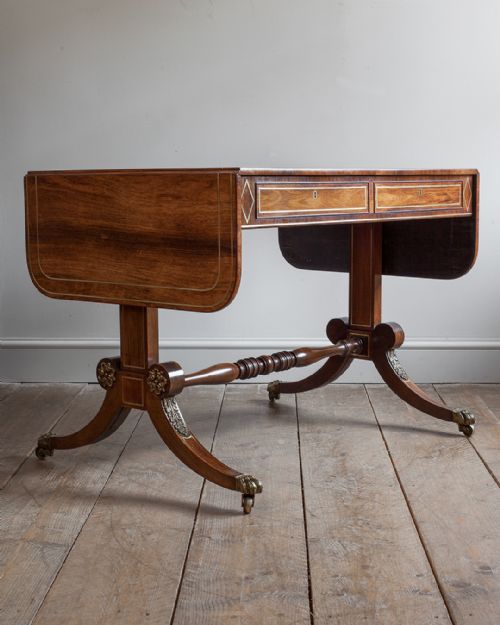
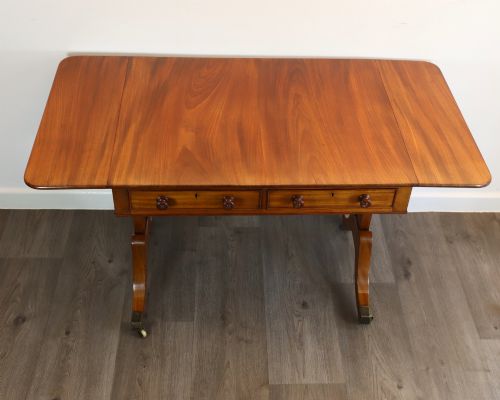
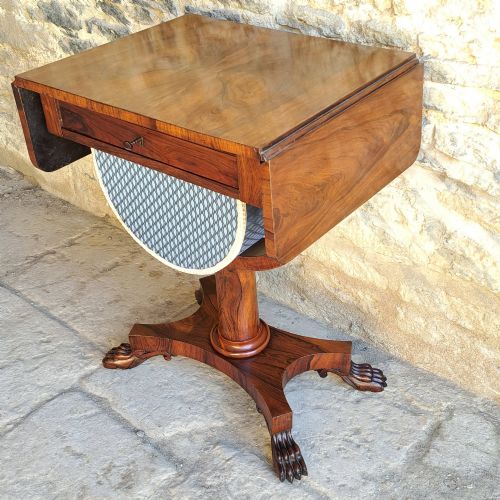
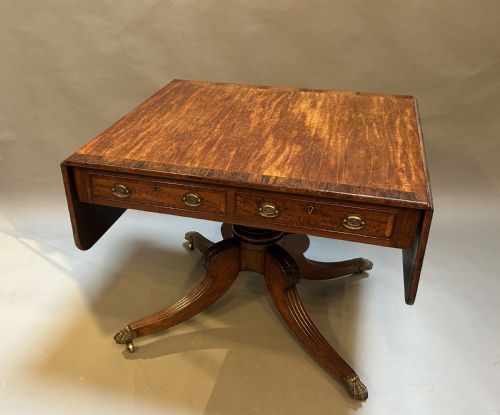
A pedestal drop leaf table appears in several utilitarian and entertaining forms, most frequently as a sofa table, Pembroke table, or work and sewing table. These designs span the Georgian, Regency, William IV, and Victorian periods, alongside continental examples in Biedermeier and Scandinavian styles.
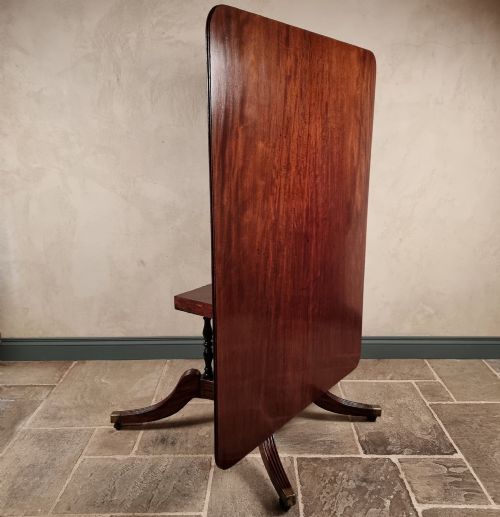
The sofa table stands out as the most common variant on this page, typically featuring dual drop leaves and a central pillar supported on a plinth or splayed legs. Pembroke tables and occasional work tables appear regularly, while larger dining formats offer four to six seating capacities.
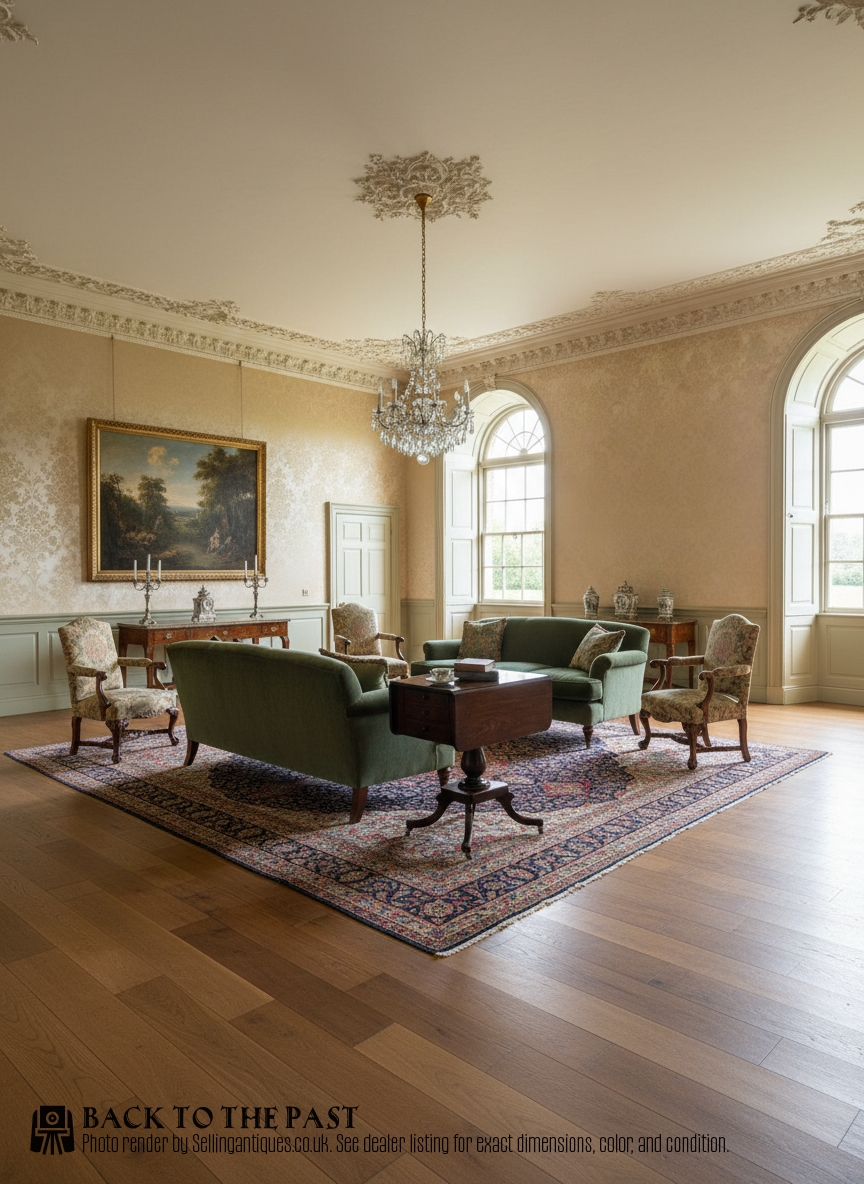
Materials and construction
Cabinet makers built these tables primarily in solid timbers and selected veneers, using figured mahogany, rosewood, burr walnut, and Karelian birch. Secondary woods such as elm provide structural integrity, while brass castors and ebony stringing supply functional and decorative accents.
Drop leaves pivot smoothly on brass hinges or rule joints, supported by swinging brackets or gatelegs attached to a central column. This pillar rises from a platform base or diverging feet, balancing the weight of the folding leaves.
Pedestal Drop Leaf Table Retail Price Guide 2026
Typical asking prices for pedestal drop leaf table among the pieces listed under this phrase on Sellingantiques today, from the lower quarter to the upper quarter. They describe what is for sale here now, not the wider market.
Listings feature mahogany, rosewood, and burr walnut across nineteenth-century periods including Regency and Victorian eras.
Quality factors
The standard of a pedestal drop leaf table rests upon the choice of timber figure, such as flame mahogany or highly grained rosewood. Grain continuity across the leaves and top demonstrates careful planning by the cabinet maker.
Execution of carved details, brass mounts, and ormolu enrichments distinguishes finer examples. Stability in the central column and smooth operation of the drop leaves further separate high-tier pieces from standard utility items.
The Pedestal Drop Leaf Table Glossary
- Drop leaf
- A table with hinged flaps that fold down to save space or lift up to enlarge the surface. These flaps are supported by pivoting brackets or legs.
- Pembroke table
- A small rectangular table with two hinged side leaves, often fitted with a single drawer. It originated in the eighteenth century for breakfast or writing use.
- Sofa table
- A low, elongated table designed to stand in front of a sofa, featuring drop leaves at either end. They frequently incorporate drawers and rest on twin pedestals or a central pillar.
- Rule joint
- A moulded joint connecting a table top to its drop leaf. It leaves a neat, rounded edge whether the leaf is raised or lowered.
- Ormolu
- Gilt bronze mounted onto furniture as decorative enrichment. It appears on finer Regency and continental pieces.
Pedestal Drop Leaf Table: Frequently Asked Questions
What is a pedestal drop leaf table?
A pedestal drop leaf table is a piece of furniture featuring a central column support and hinged leaves that fold down. These tables adapt easily to smaller rooms by adjusting their surface area.
Cabinet makers produced them across the Georgian, Regency, and Victorian eras in forms ranging from small sewing tables to larger dining pieces.
How were pedestal drop leaf tables used?
These tables served multiple domestic purposes depending on their specific form. Sofa tables stood in reception rooms for writing or holding lamps, while Pembroke tables functioned as breakfast or side desks.
Work and sewing tables accommodated needlework with fitted interior compartments, and larger variants provided dining space for four to six people.
How do I identify a Regency table?
Regency tables, dating from the early nineteenth century, typically feature dark timbers like rosewood and figured mahogany. They often incorporate brass inlay, ebony stringing, and bold pillar supports.
Classical motifs and clean architectural lines distinguish this period from the heavier carvings found in later Victorian furniture.
Where should I place this table?
A pedestal drop leaf table fits well behind a sofa, against a hallway wall, or as a centrepiece in a dining room. Dropping the leaves allows the table to sit flat against a wall when floor space is limited.
Raising both leaves creates a functional surface for dining, working, or displaying decorative objects.