




Antique Sewing Chest
An antique sewing chest is a dedicated repository for needlework and small treasures, combining fine cabinetmaking with practical storage.
Antique Sewing Chest
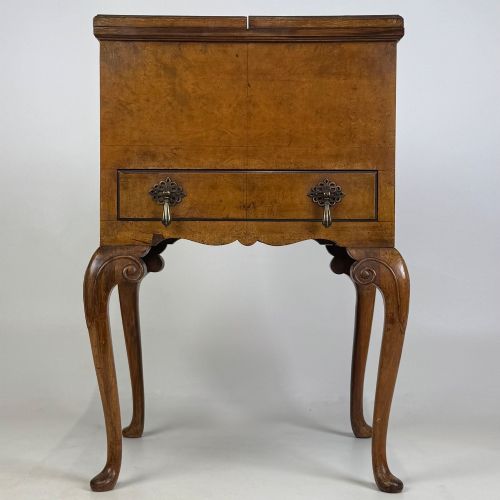
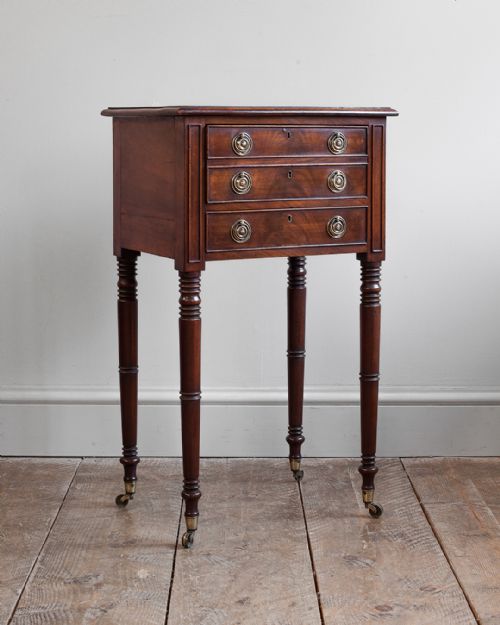
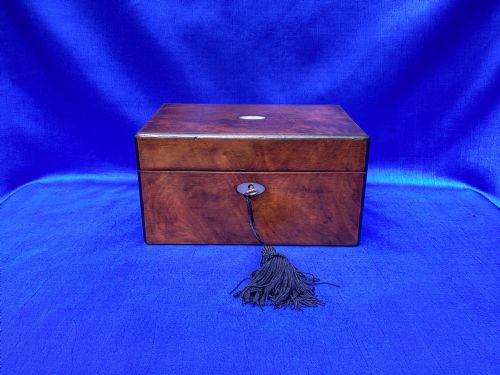
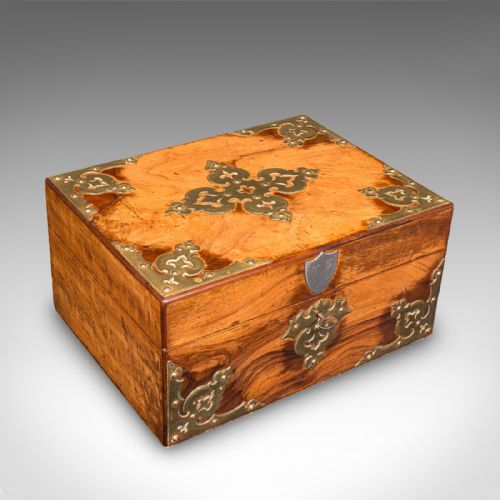
When you search for an antique sewing chest, you encounter a specialised piece of furniture designed to house threads, needles, and textiles. These items range from tabletop boxes and caskets to substantial work tables and countertop cabinets.
The pieces on this page span the Regency, Victorian, and Edwardian eras, reflecting the domestic habits of the nineteenth and early twentieth centuries. Tables often feature fitted interiors with compartments, while cabinets utilise drawers for display and storage.
Form follows function in these objects, accommodating the intricate tools required for needlework and haberdashery. Walnut and mahogany predominate among the woods, frequently enhanced by marquetry or brass fittings.
Distinctions in quality
Quality rests in the precision of the joinery and the integrity of the internal fittings, such as original trays and compartments. Superior examples maintain their fitted interiors intact, including lidded compartments and miniature bone or wooden spool holders.
The choice of veneer and secondary timbers dictates the grade of the piece, alongside the refinement of carved details or inlay work. Tunbridge ware and mother-of-pearl embellishments demonstrate superior craftsmanship when executed with geometric exactness.
Antique Sewing Chest Retail Price Guide 2026
Typical asking prices for sewing chest among the pieces listed under this phrase on Sellingantiques today, from the lower quarter to the upper quarter. They describe what is for sale here now, not the wider market.
Chadwick’s Sewing Cottons·Ermen & Roby
The Antique Sewing Chest Glossary
- Work table
- A small occasional table equipped with drawers or a fabric bag designed to hold sewing implements. These items served as functional furniture in nineteenth-century sitting rooms.
- Teapoy
- A small stand or box originally intended for storing tea, frequently adapted as a work box or caddy. They rest on pedestals or legs and often feature internal compartments.
- Haberdashery cabinet
- A multi-drawer unit used in shops to display and store sewing cottons and small goods. Countertop versions feature glazed or labelled drawers for commercial utility.
- Tunbridge ware
- Woodworking craftsmanship characterised by mosaic patterns made from tiny blocks of naturally coloured wood. This technique creates detailed pictorial or geometric designs on boxes.
- Japanned
- European furniture finished with a glossy, oriental-style lacquer. This surface treatment involves multiple layers of varnish applied to wood and cured.
Antique Sewing Chest: Frequently Asked Questions
What is an antique sewing chest used for?
These chests served to organise needles, threads, fabrics, and small personal valuables in the home or shop. They kept intricate sewing tools contained and protected when not in use.
Today, they function well as decorative storage for jewellery, desk accessories, or sewing supplies. Their compartmentalised interiors suit the organisation of small modern items.
How do I date a sewing box?
Dating relies on stylistic clues, timber choice, and construction methods characteristic of periods like Regency or Victorian. Mahogany and rosewood are common in earlier nineteenth-century pieces, while burr walnut gains prominence later.
Hardware styles, dovetail construction, and internal fabric linings also provide chronological markers. Maker labels or retail stamps inside drawers help confirm specific decades.
Are haberdashery cabinets different from sewing boxes?
Haberdashery cabinets originate from commercial retail settings rather than private domestic rooms. They typically feature multiple shallow drawers designed to display spools of thread to customers.
Domestic sewing boxes and work tables are portable or standalone pieces built for personal use. They prioritise fitted compartments and delicate exterior finishes over large-scale retail display.
How do I care for wooden work tables?
Protect the polished wood surfaces from direct sunlight and moisture to prevent fading and warping. Regular dusting with a soft cloth maintains the finish without chemical buildup.
Condition the timber periodically with appropriate wax to preserve the grain and prevent the veneer from drying. Avoid placing damp items directly onto antique fabric linings.