





Antique Wooden Workbox
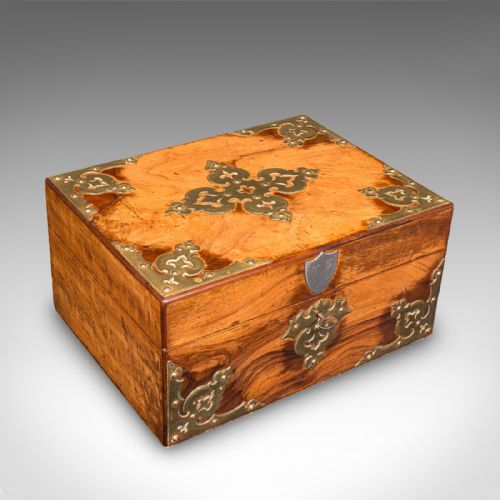
An antique wooden workbox brings the meticulous needlework of the nineteenth century straight to your dressing table.
Identifying an antique wooden workbox
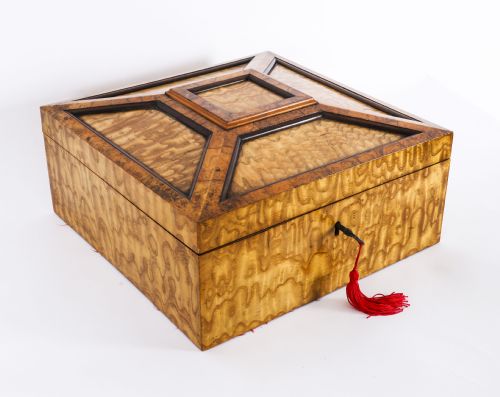
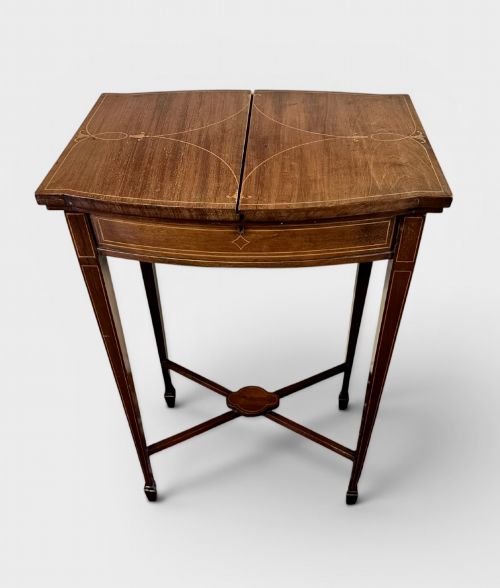
An antique wooden workbox is a portable container designed to hold sewing implements, threads, and small personal valuables. These pieces emerge predominantly from the Victorian period and the nineteenth century, reflecting an era when domestic handiwork formed a central part of daily life.
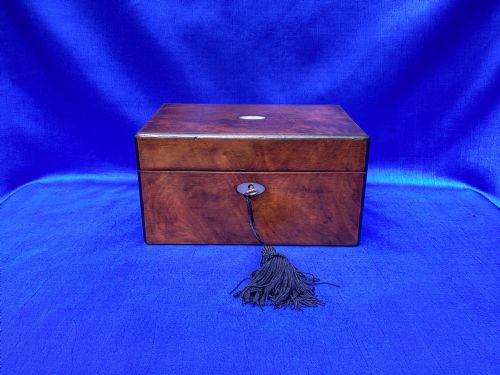
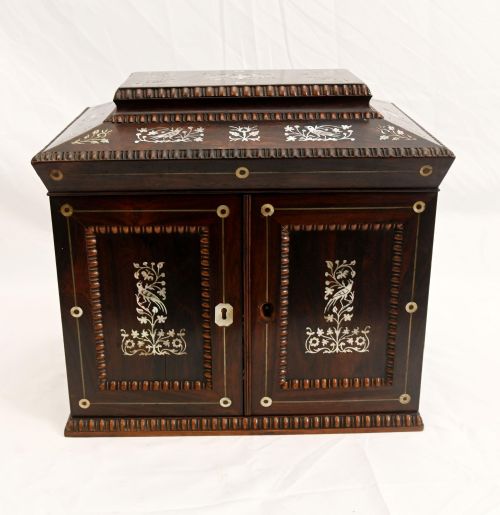
The selections available here range from traditional English mahogany and rosewood sewing boxes to decorative French table boxes and intricate Tunbridge ware examples. Each item serves as both a practical repository and a decorative object for the home, often featuring specialised internal compartments.
Construction and materials
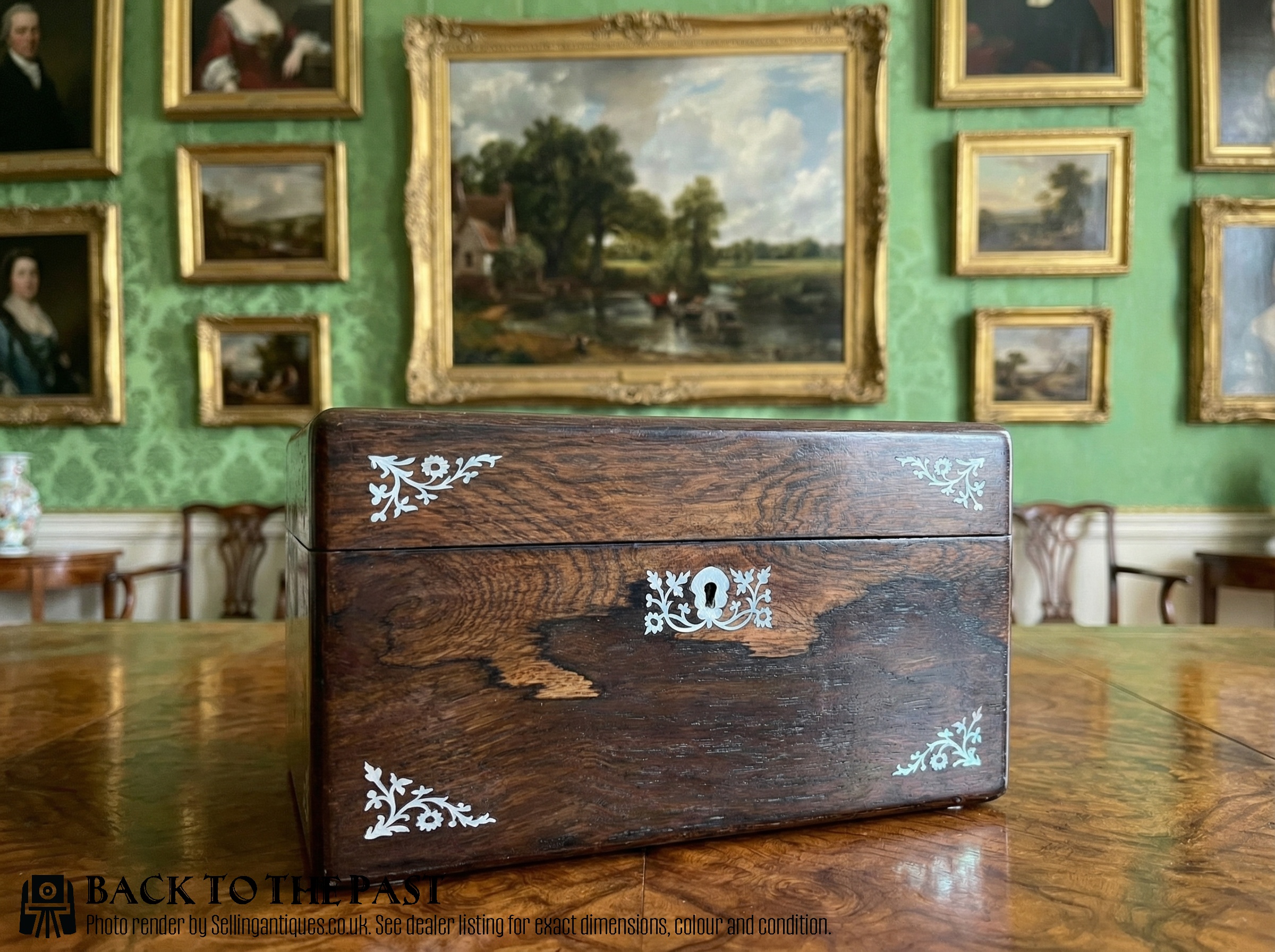
Cabinetmakers constructed these boxes using dense timbers such as mahogany, walnut, and rosewood, frequently applying fine wood veneer to exterior surfaces. Artisans incorporated delicate decorative elements including mother-of-pearl inlay, brass fittings, and intricate penwork to embellish the lids and sides.
Interiors typically utilise fitted trays and velvet linings to organise needles, reels, and thimbles securely. The application of specialised techniques like Tunbridge ware demonstrates the high level of woodworking skill prevalent during the nineteenth century.
Retail Price Guide 2026
Typical UK retail prices for wooden workbox, calculated from the Sellingantiques database of over a million retail prices indexed since 2003. This retail price guide relies exclusively on Sellingantiques data; no external sources or auction records are used, so the figures do not describe the wider market.
Current listings demonstrate a focus on nineteenth-century pieces, spanning walnut, mahogany, rosewood, and decorative mother-of-pearl inlays.
Assessing quality
Quality in these pieces rests upon the precision of the woodwork and the integrity of the decorative inlays. Boxes displaying complex penwork or detailed mother-of-pearl work demonstrate superior craftsmanship compared to simpler, plain timber versions.
The completeness and condition of internal velvet fittings and original trays significantly influence the standing of a box. Superior examples maintain their structural harmony between the exterior timber veneer and the delicate internal compartments.
The Antique Wooden Workbox Glossary
- Tunbridge Ware
- A type of woodwork produced in Kent featuring intricate mosaic designs created from many tiny pieces of naturally coloured wood. This technique produces detailed geometric or pictorial scenes on box lids.
- Penwork
- A decorative method using fine ink drawings on a prepared wood surface, often finished with a clear protective varnish. It allows for elaborate botanical or scenic illustrations.
- Veneer
- A thin slice of superior wood applied over a secondary timber base to provide a decorative exterior grain pattern. It protects against warping while offering an attractive visual finish.
- Mother-of-Pearl
- The iridescent inner layer of certain mollusc shells, shaped into thin plaques and embedded into wooden surfaces for ornamentation. This material catches the light to create a shimmering contrast against dark rosewood or walnut.
Frequently Asked Questions
What is an antique wooden workbox used for?
These boxes were originally created to store sewing threads, needles, pins, and small embroidery tools in an organised manner.
Today, they serve as charming desktop tidies or decorative containers for modern jewellery and keepsakes.
How do I date a wooden workbox?
Dating relies on observing the timber types, construction methods, and decorative styles characteristic of specific eras such as the Victorian period or the Regency style.
Internal fittings and specific inlay techniques like Tunbridge ware also provide reliable chronological clues.
Are these boxes fragile?
While built from durable hardwoods like mahogany and walnut, they feature delicate internal velvet linings and thin exterior veneers.
Gentle handling and placement away from direct sunlight or damp conditions will preserve the wood and decorative inlays.
What woods are common in these boxes?
Cabinetmakers frequently utilised dense and beautifully grained timbers including mahogany, burr walnut, and rosewood.
These materials provided a stable base for intricate decorative veneers and brass mounts.