


Vintage Vanity Box
A vintage vanity box brings order to dressing tables with fitted compartments, precious metals and polished hardwoods designed to hold small treasures.
Vintage Vanity Box
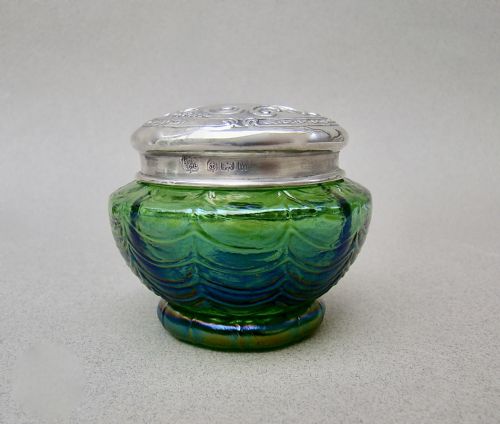
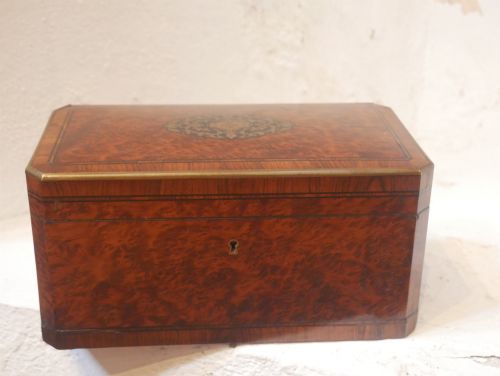
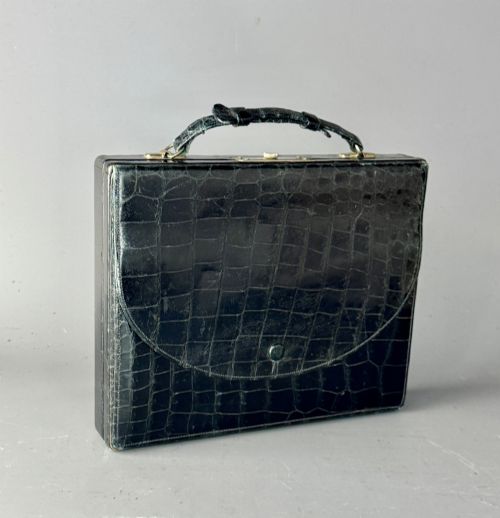
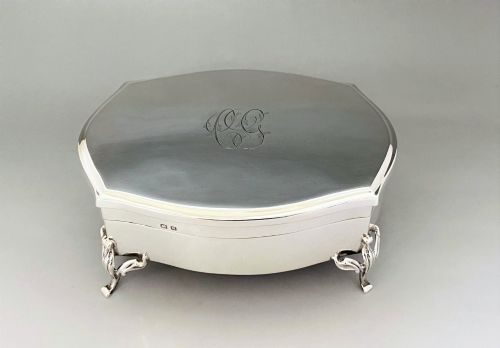
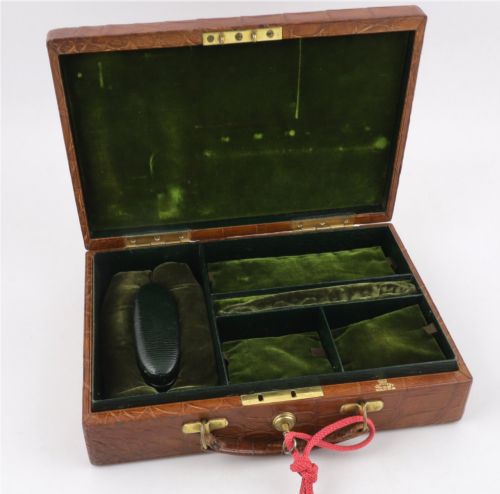
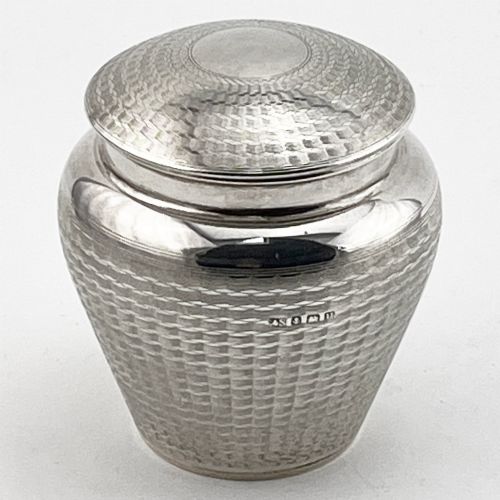
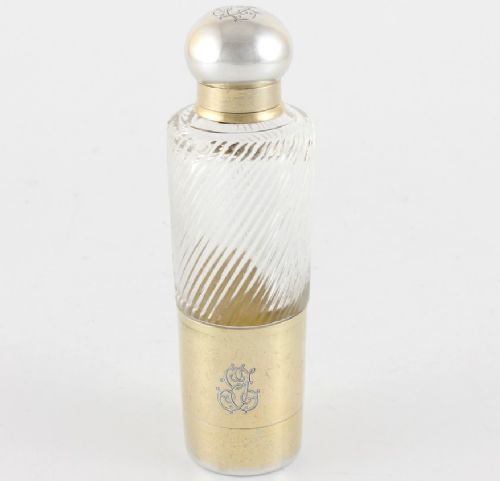
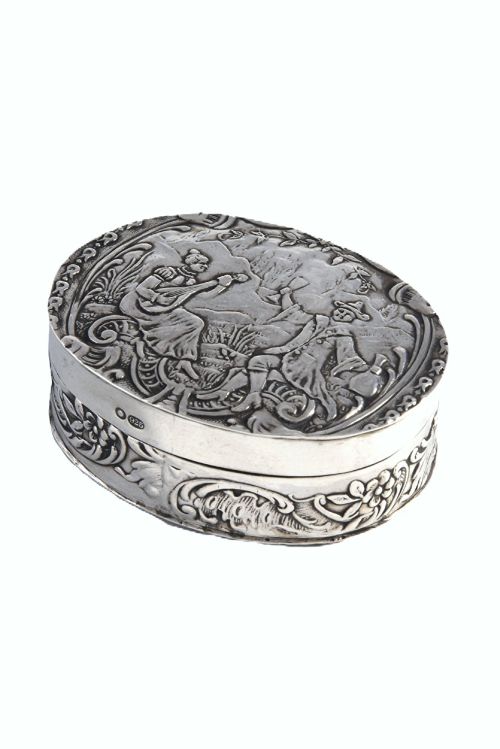
A vintage vanity box spans fitted travel cases, silver-lidded glass jars, and small caskets intended for cosmetics and trinkets. Buyers search for these pieces to organise dressing tables or collect period containers made for personal grooming.
The selections on this page draw from the Victorian, Edwardian, and Art Deco eras, alongside Georgian and nineteenth-century examples. Mahogany, sterling silver, glass, and crocodile leather appear frequently across these functional objects.
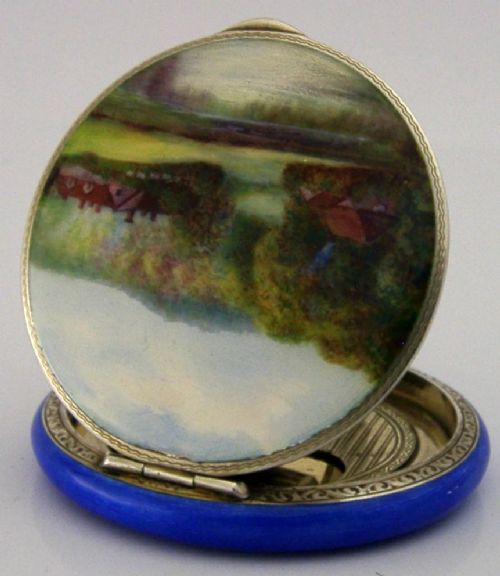
Form follows purpose in this category, ranging from large gentlemen's travelling boxes with fitted compartments to small pill boxes and powder compacts. Heart shapes, circular crystal powder boxes, and rectangular caskets dominate the available designs.
What Varies In Quality
Quality rests on the integrity of materials and the precision of internal fittings, such as intact silk linings, original velvet trays, and working locks with matching keys. Superior pieces integrate glass, precious metals, and exotic woods without compromise to the structural frame.
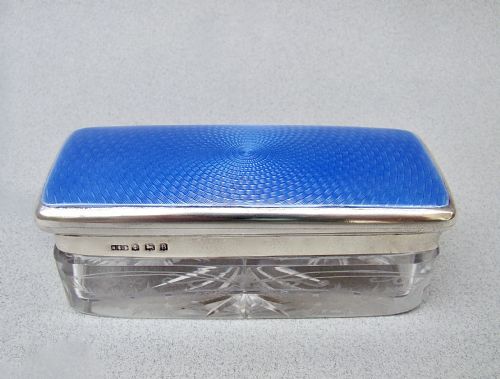
The execution of surface decoration distinguishes finer examples, from hand-painted enamel and crisp guilloché patterns to the clarity of cut crystal and the weight of solid sterling silver mounts. Maker attribution to established silversmiths or luxury houses elevates a piece.
Vintage Vanity Box Retail Price Guide 2026
Typical asking prices for vintage vanity box among the pieces listed under this phrase on Sellingantiques today, from the lower quarter to the upper quarter. They describe what is for sale here now, not the wider market.
Listings feature periods from the eighteenth century through the 1950s, spanning Georgian, Victorian, Edwardian, and Art Deco styles.
A. J. Pepper & Co·Tahan Paris·Dunhill London·Henry Clifford Davis·J C Vickery·Tonnel Paris·A. Bromet & Co·Mappin & Webb·Rene Lalique·George Adam Scheid
The Vintage Vanity Box Glossary
- Guilloché enamel
- Decorative metalwork covered in translucent enamel over an engine-turned pattern. It provides a geometric background beneath coloured glass surfaces.
- Crossbanding
- A strip of veneer applied across the grain along the borders of a wooden box. This technique creates a contrasting decorative border on mahogany and walnut surfaces.
- Trinket box
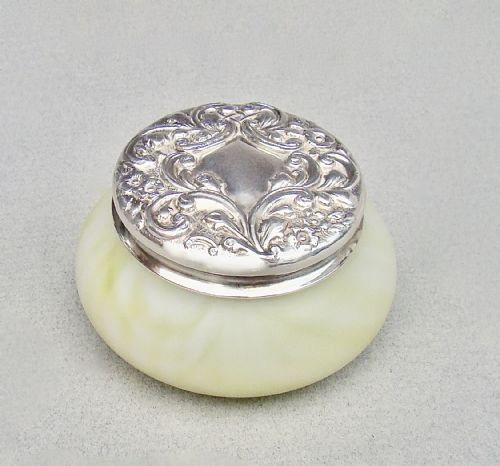
- A small container designed for holding rings, pins, and small personal valuables. They appear in sterling silver, glass, and inlaid wood.
- Dressing table mirror
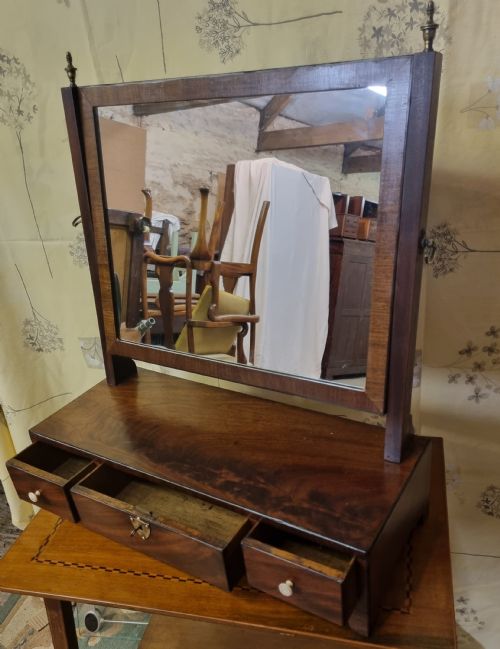
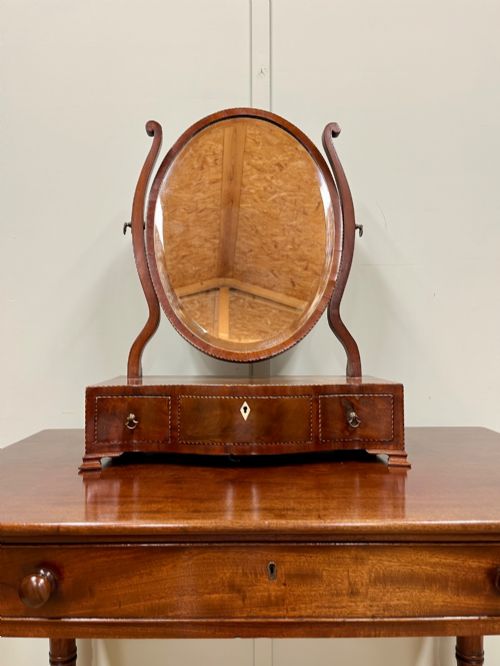
- A pivoting mirror mounted on a wooden frame, often fitted with small drawers at the base. Georgian and Victorian examples frequently use flame mahogany.
- Powder compact
- A small handheld case holding face powder, commonly fitted with a mirror. Art Deco specimens often feature colourful enamel or engraved metal lids.
Vintage Vanity Box: Frequently Asked Questions
What is a vintage vanity box used for?
These containers held cosmetics, jewellery, grooming tools, and personal pills on dressing tables or during travel. Fitted interiors kept delicate items secure and organised.
Today, they serve similar purposes while acting as decorative accessories on contemporary furniture.
How do I identify Art Deco vanity items?
Art Deco pieces display geometric patterns, streamlined forms, and bold colours, frequently utilising chrome, bakelite, or guilloché enamel. Sterling silver mounts and clear cut glass are also typical of this period.
Maker marks and hallmarks on the metal components help confirm the exact decade of manufacture.
Are these boxes made of solid silver?
Many boxes feature solid sterling silver lids or full silver bodies marked with traditional British hallmarks indicating the assay office and date letter. Other examples combine silver plate with glass, wood, or leather.
Checking the hallmarks provides precise information regarding the metal purity and maker.
How should I clean a silver vanity box?
Silver components require gentle polishing with a soft cloth designed for precious metals to avoid scratching engraved surfaces or damaging enamel. Harsh chemical dips should be avoided, particularly near fabric linings or glass.
Wood and leather parts benefit from dry dusting and occasional conditioning appropriate to the specific material.