


Antique Puzzle Box
An antique puzzle box tests your wits while storing small treasures, combining ingenious mechanical trickery with period craftsmanship.
What these puzzle boxes are
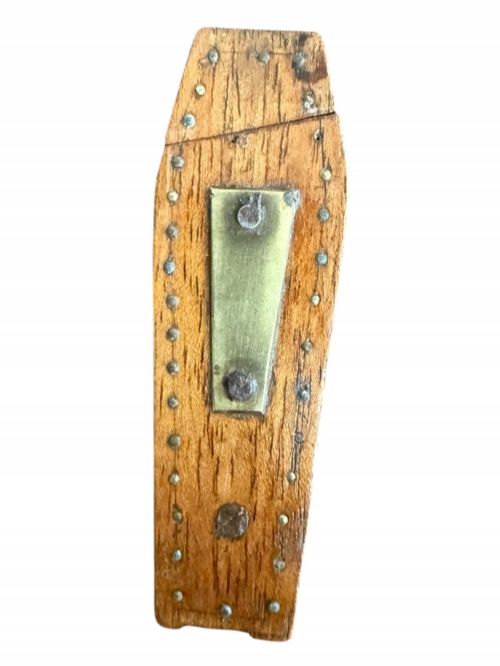
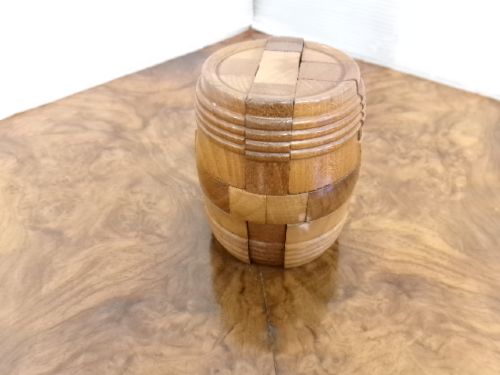
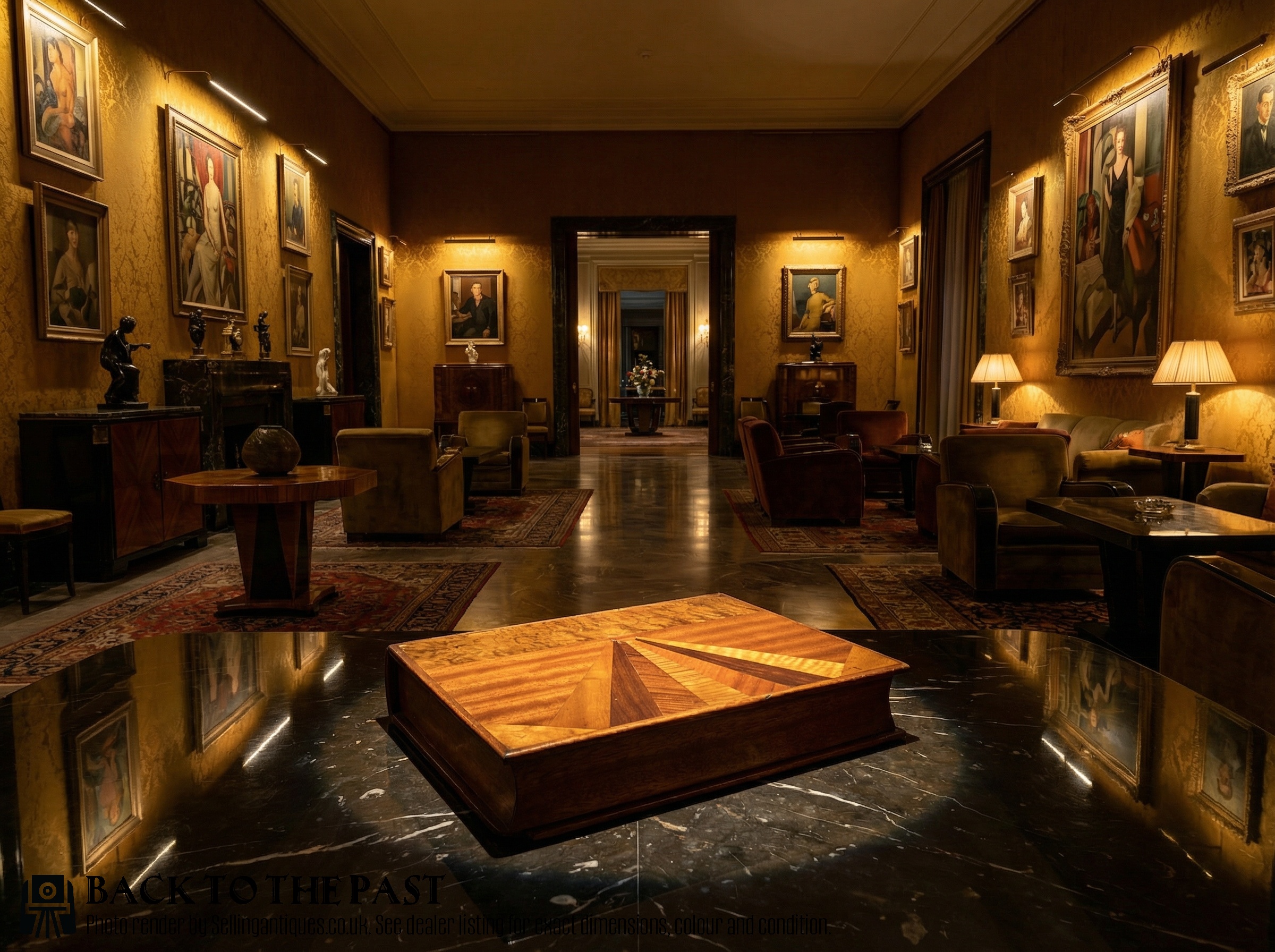
An antique puzzle box satisfies a taste for mechanical ingenuity and hidden compartments, appearing in various forms across multiple eras. You encounter novelties shaped like books, barrels, boats, shoes, coffins, and spheres, alongside traditional rectangular boxes.
The archive and current listings reveal forms spanning Georgian, Victorian, Art Deco, and 1920s periods. These pieces often doubled as snuff boxes, money boxes, vanity cases, or sovereign holders.
Sorrento wares and treen examples feature strongly among the surviving pieces, showing how popular these clever receptacles were for everyday use and amusement.
How they were made
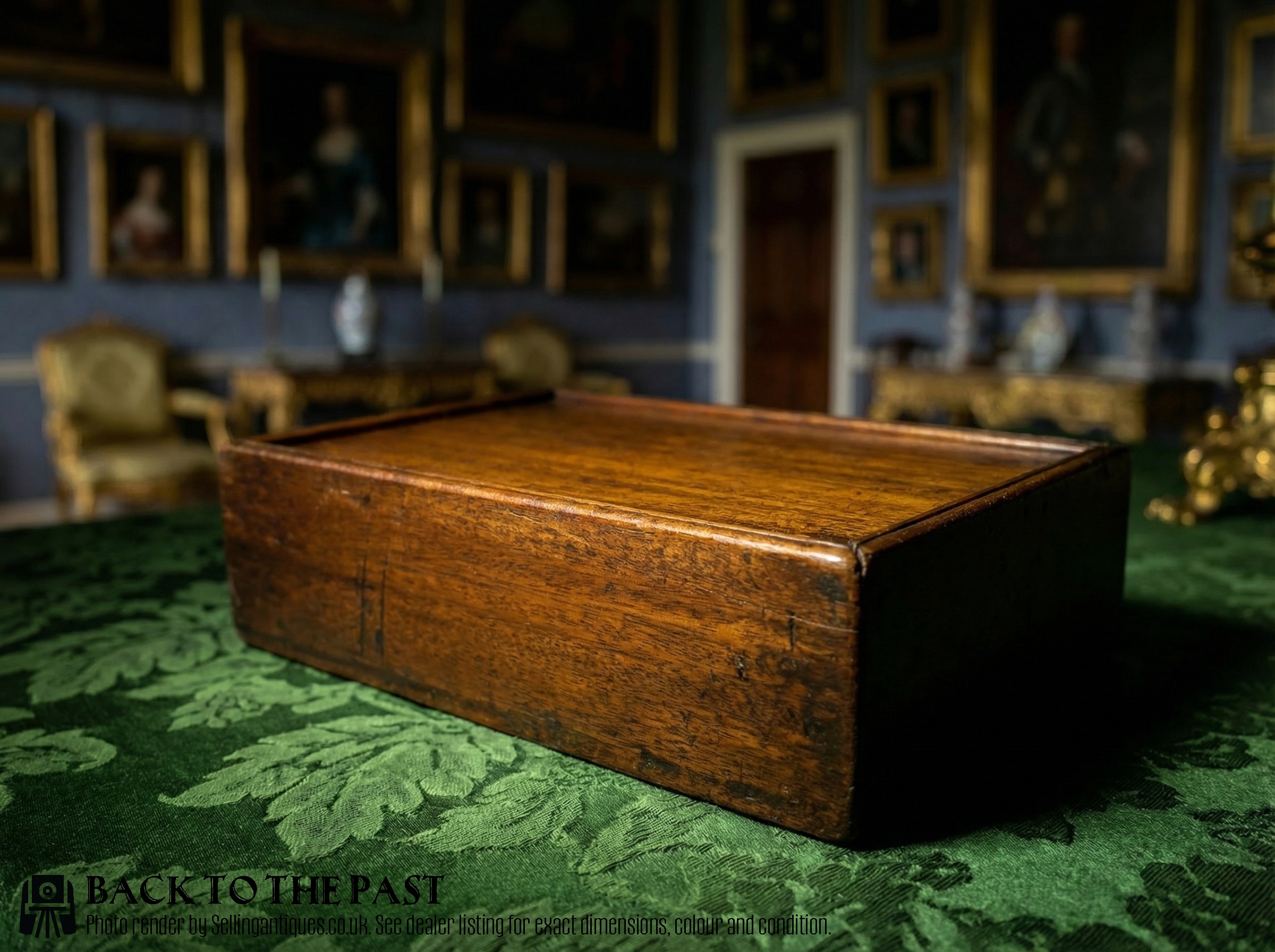
Wood serves as the primary medium, utilising mahogany, walnut, olive wood, yew wood, fruitwood, and general hardwood. Makers applied wood veneer and intricate inlay work to decorate the surfaces.
Mechanical complexity required precise carpentry, incorporating spring locking mechanisms, secret sliding panels, and interlocking spheres. Brass fittings occasionally appear as hinges or structural accents within the construction.
Retail Price Guide 2026
Typical UK retail prices for puzzle box, calculated from the Sellingantiques database of over a million retail prices indexed since 2003. This retail price guide relies exclusively on Sellingantiques data; no external sources or auction records are used, so the figures do not describe the wider market.
One recorded puzzle box conceals a motto and a tiny painted figure inside a coffin.
What varies in quality
The sophistication of the mechanical trickery separates basic receptacles from superior examples. A box with intricate multi-step sliding lids or complex internal compartments demonstrates greater skill than a simple spring latch.
Material selection and decorative treatment also define quality. Finely figured flame mahogany, detailed Sorrento inlay, or intricate treen carving elevate a piece above plain utility boxes.
The Antique Puzzle Box Glossary
- Treen
- Small handmade wooden domestic objects. These items range from utilitarian kitchenware to intricate puzzle boxes and snuff containers.
- Sorrento ware
- Woodwork decorated with micro-mosaic inlay, originating from Italy. This style often adorns keepsake and vanity boxes.
- Snuff box
- A small container for holding powdered tobacco. Many puzzle boxes served this specific social function during the Georgian and Victorian eras.
- Veneer
- A thin layer of superior wood applied to a commoner wood base. This technique allowed makers to create patterned surfaces on puzzle book boxes.
- Sovereign holder
- A compact case designed to hold gold coin currency. Puzzle balls and small treen boxes frequently accommodated these coins.
Frequently Asked Questions
What is an antique puzzle box?
An antique puzzle box is a mechanical container that requires a sequence of hidden steps to open. Makers designed these pieces to conceal contents like snuff, coins, or trinkets while entertaining the user.
They appear in various forms, including books, barrels, and spheres, dating from the Georgian and Victorian periods through to the 1920s.
How do you open a trick box?
Opening a trick box usually involves sliding secret panels, pressing hidden pins, or rotating interlocking sections. Each piece uses a unique mechanical sequence devised by the maker.
Forcing the mechanism damages the wood and internal springs, so patience and careful observation of grain patterns or seams are necessary.
What were puzzle boxes used for?
These boxes primarily stored personal items such as snuff, rouge, sovereigns, or keepsakes. The puzzle element protected valuable or private contents from casual thieves.
Many examples functioned as novelty items that provided amusement at social gatherings during the nineteenth and early twentieth centuries.
How do you date an old puzzle box?
Dating relies on stylistic clues, materials, and construction techniques evident in the piece. Georgian and Victorian examples often feature hand-turned treen or solid mahogany, while 1920s items might show Art Deco influences or Sorrento inlay.
Matching the object type, such as a coffin-shaped snuff box or a turned puzzle ball, to recorded historical periods helps establish an accurate timeframe.