



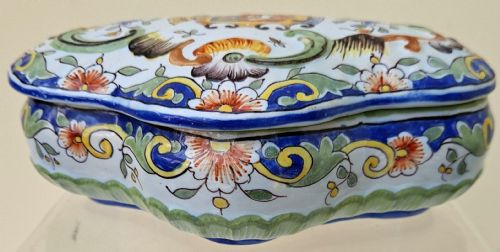
Vintage Pill Box
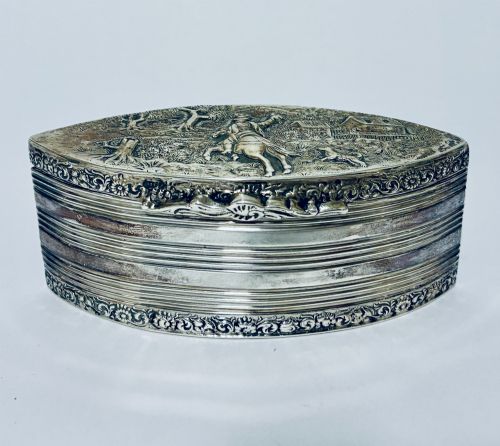
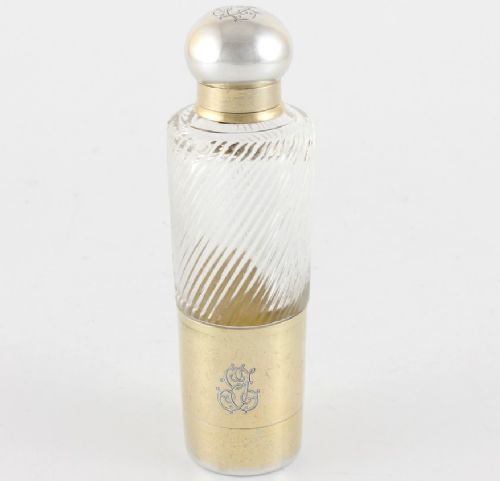
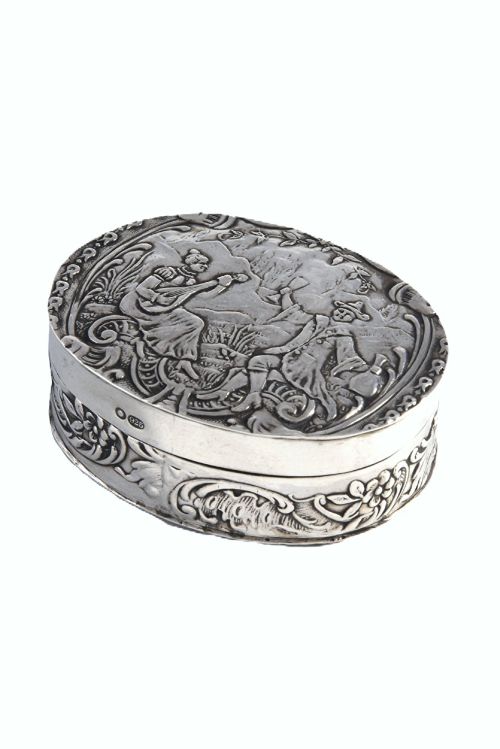
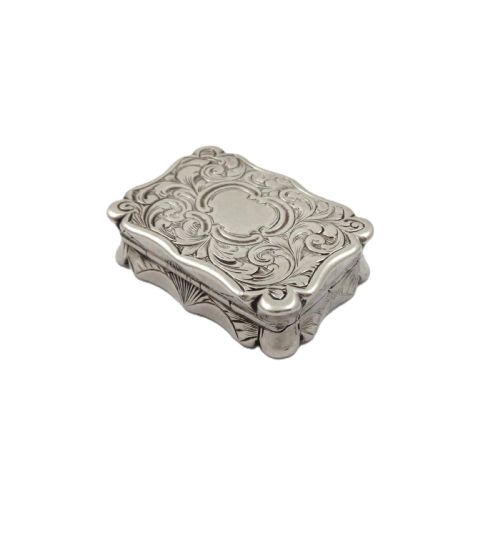
These small containers, which collectors call a vintage pill box, hold tiny keepsakes or medicines and offer a tangible piece of craftsmanship from past centuries.
Vintage Pill Box
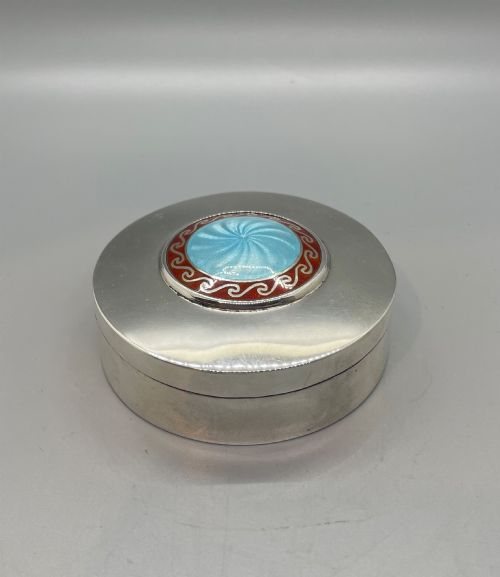
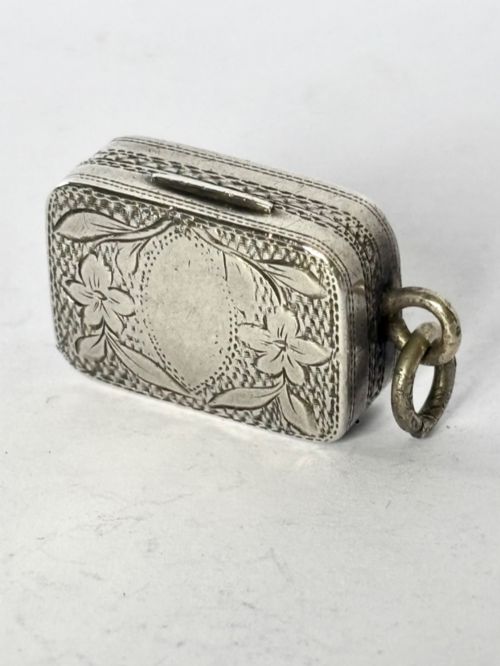
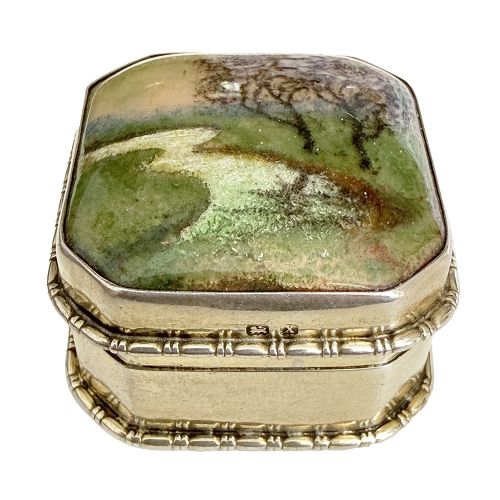
A vintage pill box encompasses a variety of small lidded receptacles designed for personal use, ranging from Georgian silver gilt vinaigrettes to Edwardian enamel pieces and later silver containers. When exploring this selection, buyers frequently encounter items originating from the eighteenth, nineteenth, and early twentieth centuries, reflecting diverse domestic habits across periods.
The objects span multiple functional categories overlapping with this category, including snuff boxes, patch boxes, trinket boxes, and small jars. Materials stretch beyond standard metals to incorporate timber such as walnut and boxwood, alongside shell, glass, and ceramic variations like French faience.
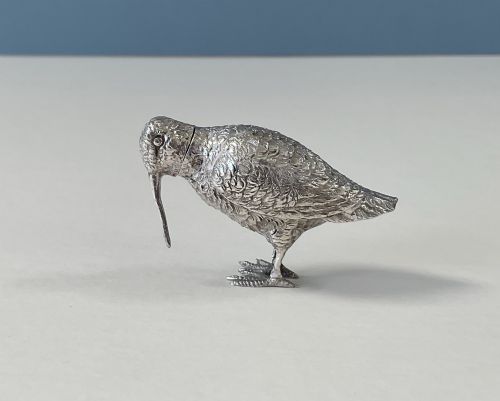
Geographic origins vary significantly, drawing together items produced in British workshops, French houses such as Tonnel Paris, Scandinavian centres, and wider European or export markets. This creates a diverse group where heart shapes, novelty animal forms, and engine-turned surfaces appear regularly.
How they were made
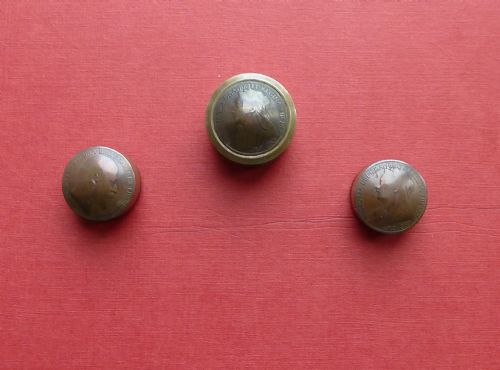
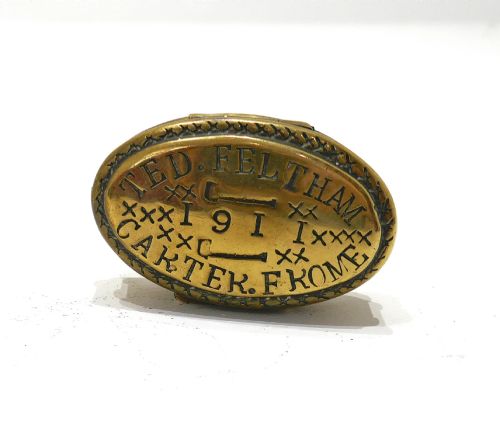
Metalsmithing forms the backbone of these pieces, utilising sterling silver, silver gilt, brass, and copper fashioned through casting, stamping, and engraving. Many items employ engine-turning to create geometric patterns on the metal body, while others integrate applied elements such as coin insets or bear finials.
Enamel work frequently defines the surface decoration, particularly through guilloche and polychrome techniques applied to silver bases. Artisans also utilised organic materials, shaping abalone shell, mother of pearl, ebony, walnut, and boxwood into hinged containers with tightly fitted lids.
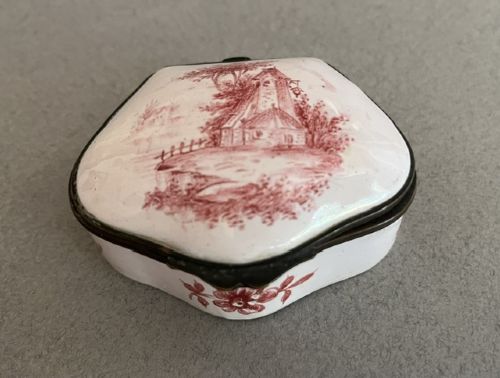
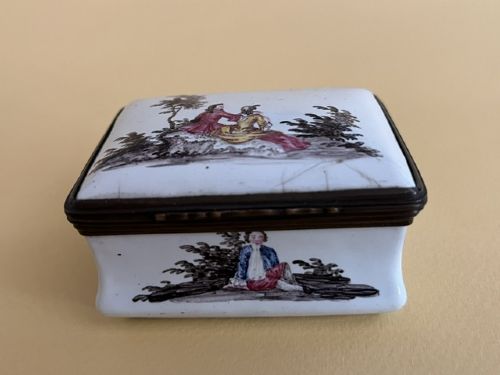
Specialised techniques distinguish particular regional outputs, such as cloisonné work on early twentieth-century Japanese pieces or the painted enamel surfaces characteristic of eighteenth-century South Staffordshire boxes. Soldering, hinge-fitting, and bezel-setting secure glass panels, stones, or enamel plaques within the metal frames.
What varies in quality
The precision of the mechanical construction dictates baseline quality, visible in the alignment of hinges, the secure closure of the lid, and the crispness of engine-turned or engraved details. Superior examples maintain structural integrity where moving parts operate smoothly without looseness.
Artisanal execution in decorative elements marks the distinction between standard and exceptional pieces, particularly in the hand-application of enamel, miniature painting, or cloisonné wirework. Clarity of hallmarks, purity of metal grades such as sterling silver or higher continental standards, and the choice of precious secondary materials elevate an object's standing.
Samuel Pemberton·Fleetwood Varley·George Adam Scheid·Elkington & Co·Hermes Paris
The Vintage Pill Box Glossary
- Vinaigrette
- A small hinged box containing a perforated inner grill, traditionally used to hold a sponge soaked in aromatic vinegar. These containers date predominantly from the Georgian and Victorian eras.
- Guilloche
- A decorative engraving technique in which a precise, intricate geometric pattern is mechanically etched into a metal surface. Enamel is frequently applied over this texture to create translucent waves of colour.
- Patch box
- A small container utilised in the eighteenth century to hold cosmetic beauty patches made of silk or velvet. They often featured interior mirrors fitted to the lid.
- Shippo
- The Japanese term for cloisonne enamel, describing metal vessels decorated with vitreous enamel compartments divided by thin metal wires. These items frequently display floral motifs.
- Silver gilt
- Silver that has been coated with a thin layer of gold on its surface, also known as vermeil. This treatment protects the silver base from tarnishing and provides a rich golden appearance.
Vintage Pill Box: Frequently Asked Questions
What were antique pill boxes used for?
These small containers held various personal items including medicinal pills, fragrant lozenges, or scented vinegars used to revive someone in crowded rooms.
Over time, their uses adapted to changing social customs, eventually serving as general receptacles for small keepsakes, stamps, or modern medication.
How do I date a silver pill box?
Dating relies primarily on official hallmarks stamped into the metal, which record the assay office, standard mark, and date letter for the year of manufacture.
Stylistic indicators such as the Edwardian preference for mother of pearl integration or Art Deco geometric forms also help narrow down the period of creation.
Are enamel boxes fragile?
Enamel consists of fused glass powder on a metal base, meaning sharp impacts can cause chipping or cracking to the decorated surface.
Careful handling and storage away from hard surfaces protect the vitreous finish from accidental damage during daily display or use.
What is the difference between a snuff box and a pill box?
Snuff boxes were traditionally built to store dry powdered tobacco inhaled through the nose, requiring a tightly sealed compartment to preserve the aromatic qualities.
Pill boxes generally feature smaller dimensions and were intended to hold medicinal doses or personal tokens rather than loose powder.