


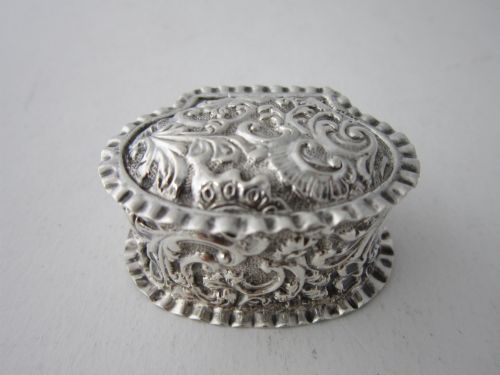
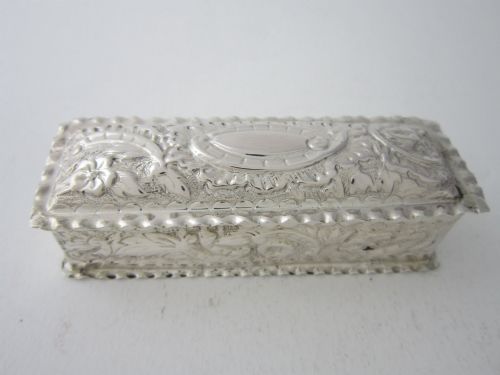
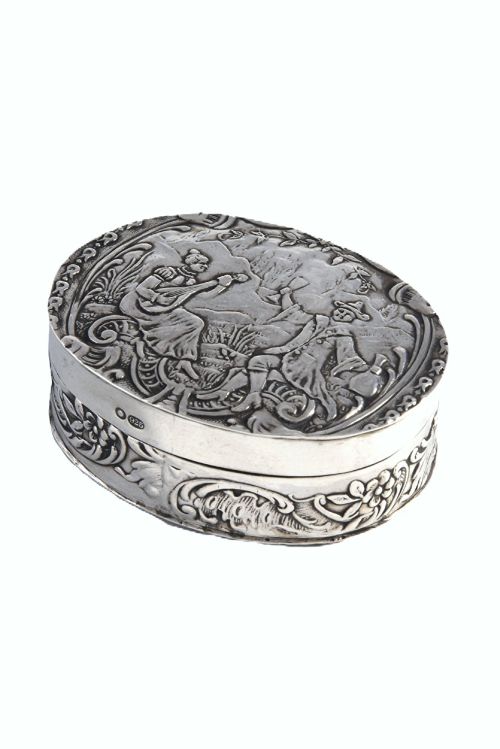
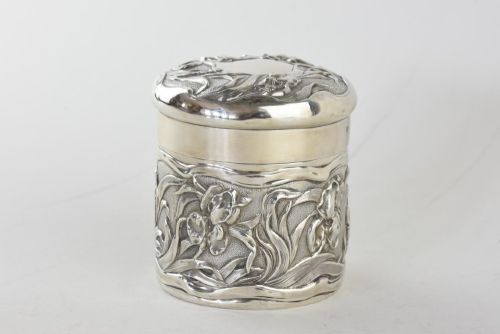
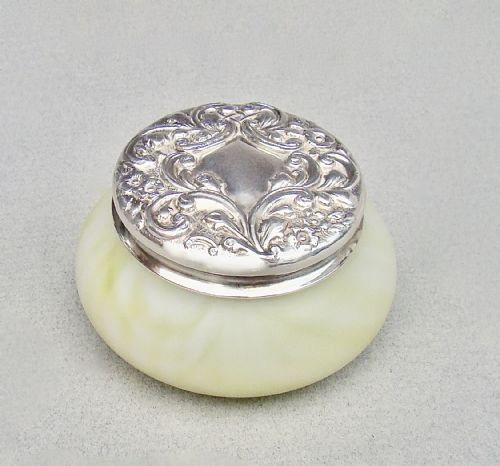
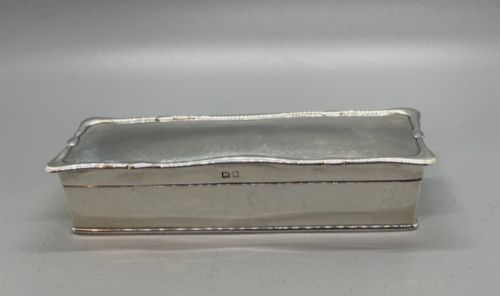
Sterling Silver Vanity Box
These sterling silver vanity box pieces offer the refined dressing-table utility that collectors prize.
What They Are
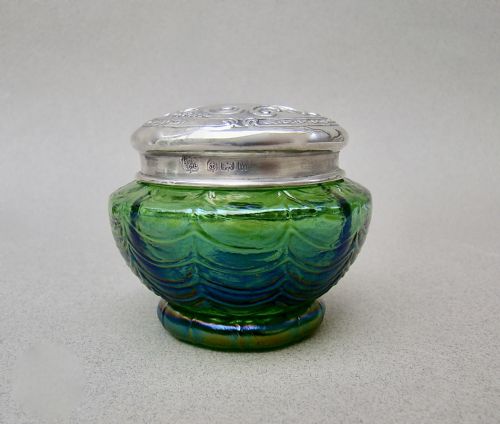
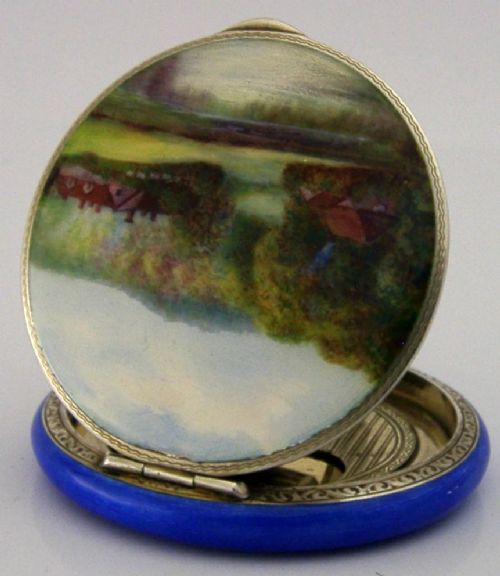
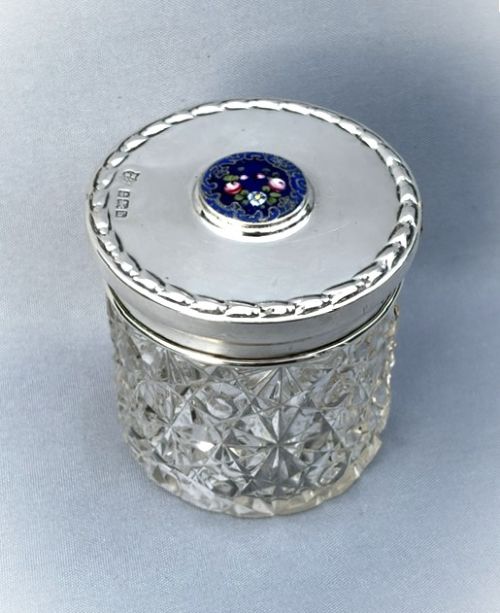
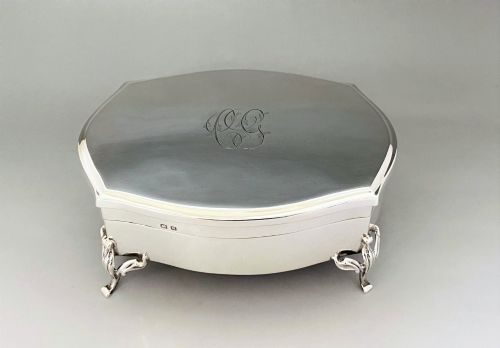
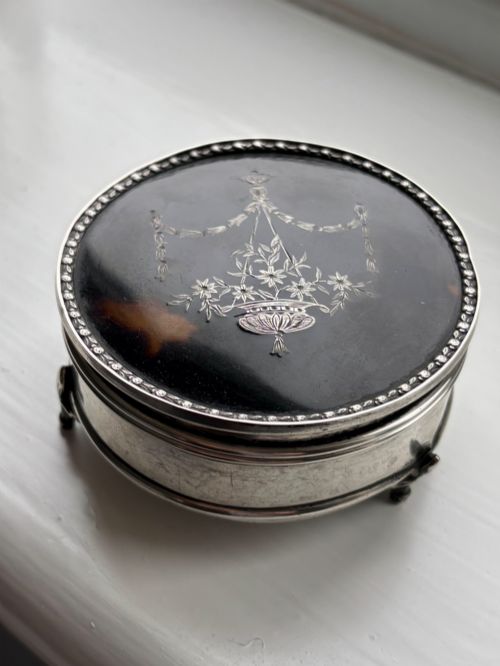
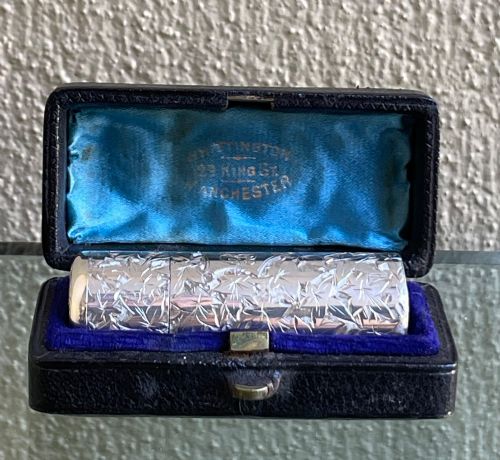
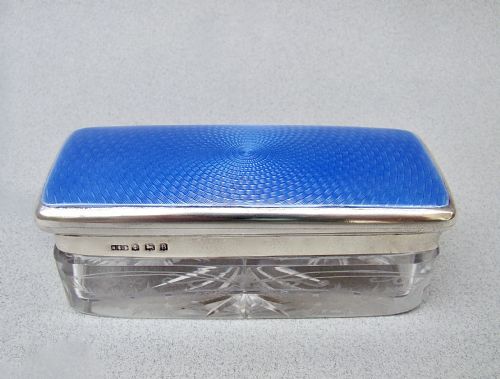
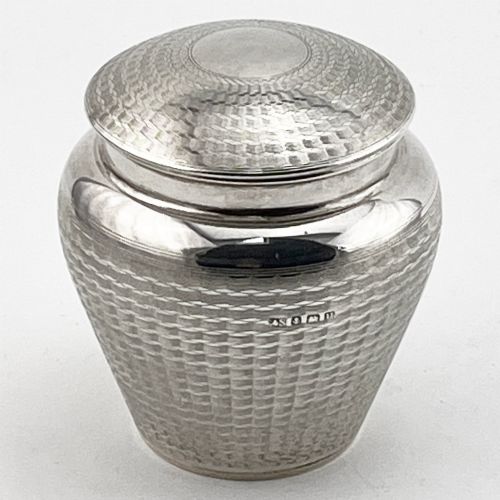
A sterling silver vanity box brings together precious metal and dressing-table utility across Victorian, Edwardian, and later twentieth-century periods. These lidded containers house trinkets, rouge, and personal items, frequently appearing in circular, oval, heart-shaped, or fitted configurations. Collectors encounter everything from cut glass jars with silver mounts to intricate tortoiseshell and enamel pieces.
The objects span varied aesthetic movements, showing Art Nouveau, Art Deco, and traditional Victorian ornament. Makers often paired the sterling silver tops with heavy cut crystal, glass bodies, or timber frames like rosewood and coromandel. These items served daily grooming routines in past centuries and now function as decorative dressing-table accents.
How They Were Made
Silversmiths shaped the metal lids and mounts using techniques like repousse decoration, hammering designs from the reverse to create raised motifs. Artisans combined sterling silver with cut glass, cut crystal, and organic materials such as tortoiseshell. Guilloche enamel provided colourful translucent layers over engine-turned metal grounds.
Wooden carcases in rosewood or coromandel received fitted interiors for glass and silver jars. Hallmarks stamped directly into the silver recorded the assay office, standard, and date of manufacture.
Retail Price Guide 2026
Typical UK retail prices for sterling silver vanity box, calculated from the Sellingantiques database of over a million retail prices indexed since 2003. This retail price guide relies exclusively on Sellingantiques data; no external sources or auction records are used, so the figures do not describe the wider market.
Recorded pieces span the Victorian, Edwardian, Art Nouveau, and Art Deco periods, combining sterling silver with cut glass and tortoiseshell.
What Varies in Quality
The depth and clarity of repousse decoration distinguish standard work from superior examples. Crisp hand-chasing on the silver lid reveals the skill of the silversmith.
Material combination dictates the tier of the object. Heavy cut crystal bases and pristine guilloche enamel or genuine tortoiseshell panels elevate a piece above simple glass and plain silver.
Goldsmiths and Silversmiths Company·William Comyns
The Sterling Silver Vanity Box Glossary
- Repousse
- A metalworking technique where the artisan hammers or pushes the design from the reverse side to form a raised relief on the front. This decorative method is common on Victorian and Art Nouveau silver lids.
- Guilloche
- A decorative engraving technique producing precise, intricate geometric patterns beneath translucent enamel layers. It appears frequently on early twentieth-century vanity items.
- Coromandel
- A dense, dark exotic timber with contrasting figure, often utilised for luxury nineteenth-century travel and vanity boxes. It provides a robust and decorative housing for internal silver pots.
- Hallmark
- A series of official marks stamped on precious metals indicating the standard of purity, assay office, and year of manufacture. These stamps allow collectors to date pieces accurately.
- Trinket box
- A small lidded container designed for holding personal ornaments or cosmetics on a dressing table. They occur in varied forms using glass, crystal, and sterling silver.
Frequently Asked Questions
What is a sterling silver vanity box?
A sterling silver vanity box is a small lidded container designed for dressing-table use to hold cosmetics, small trinkets, or pins. They feature solid silver lids combined with glass, crystal, enamel, or tortoiseshell bodies.
These pieces reflect the grooming habits of Victorian, Edwardian, and Art Deco households. Today, collectors use them to store small items while displaying period craftsmanship.
How do I date my vanity box?
Dating relies primarily on the hallmarks stamped into the sterling silver mounts. These official marks record the assay office and the specific year of production.
Stylistic indicators such as Art Nouveau sweeping lines or Victorian floral repousse work also help assign pieces to broad stylistic periods.
How should I clean silver vanity boxes?
Maintenance requires gentle dusting and occasional cleaning of the silver with a soft cloth designed for precious metals. Avoid getting polish on adjacent enamel, glass, or tortoiseshell surfaces.
Keeping the pieces away from direct moisture protects any internal wooden frames or fitted mirror backings.