

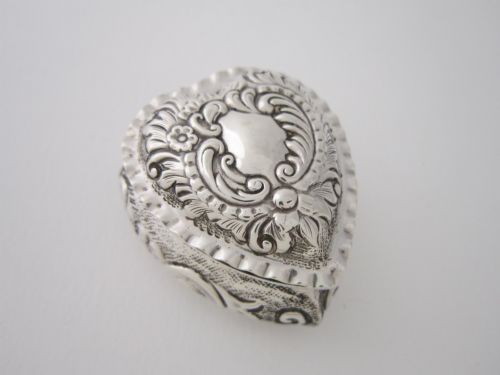
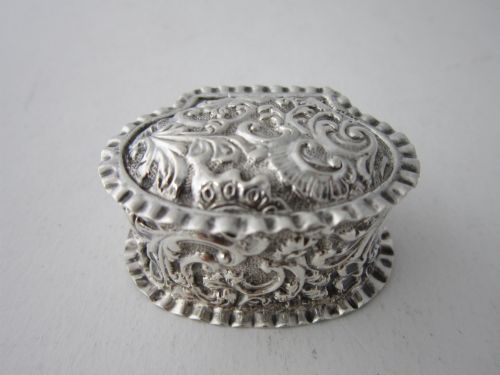
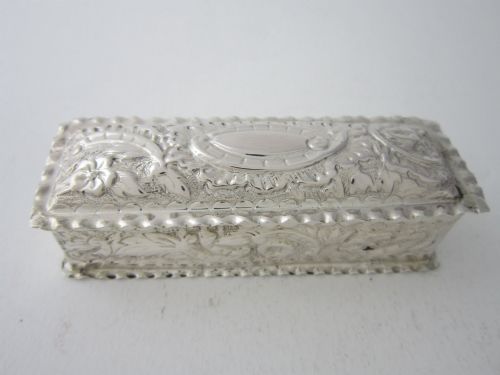
Victorian Silver Trinket Box
A victorian silver trinket box holds personal keepsakes and small valuables, offering a tangible link to nineteenth-century craftsmanship.
Victorian Silver Trinket Box
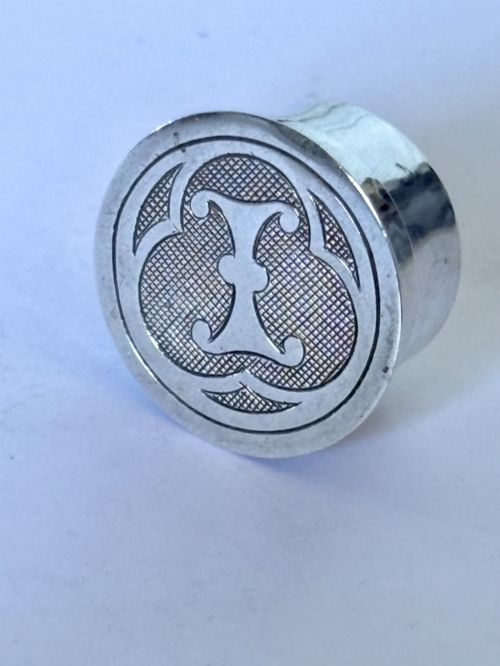
A victorian silver trinket box serves as a small receptacle designed for dressing tables and desks to hold rings, pins, and small mementos. These pieces emerge from the nineteenth century and the Edwardian era, reflecting domestic habits of the period.
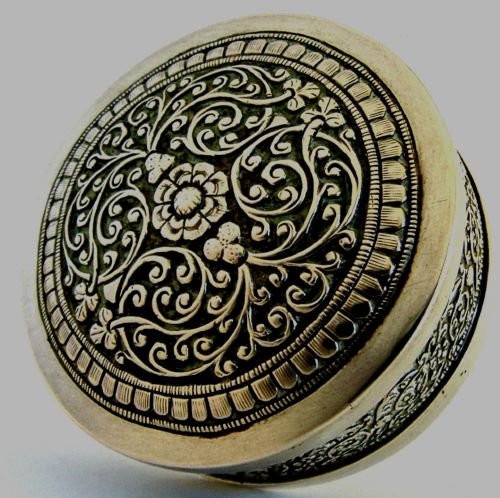
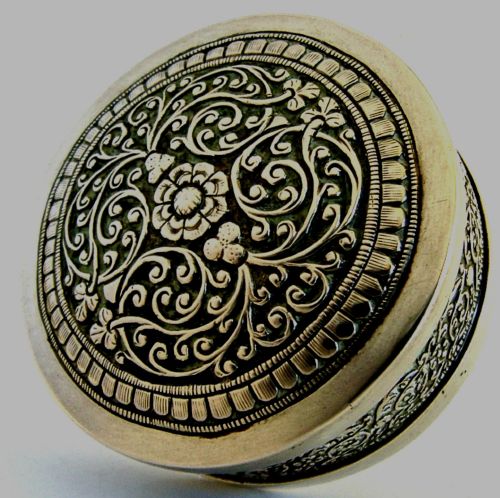
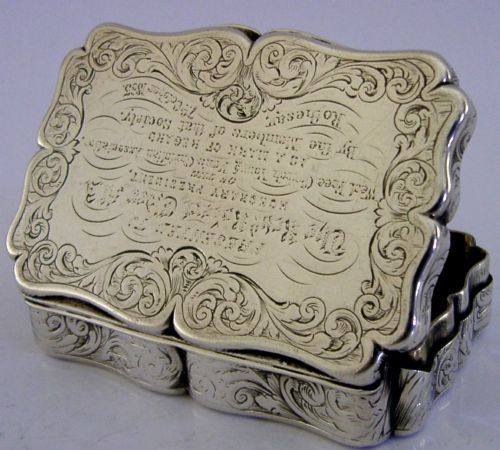
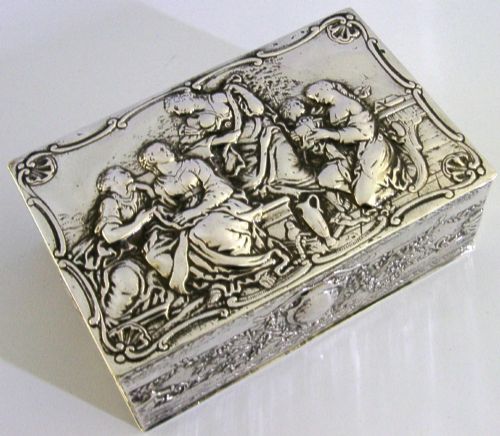
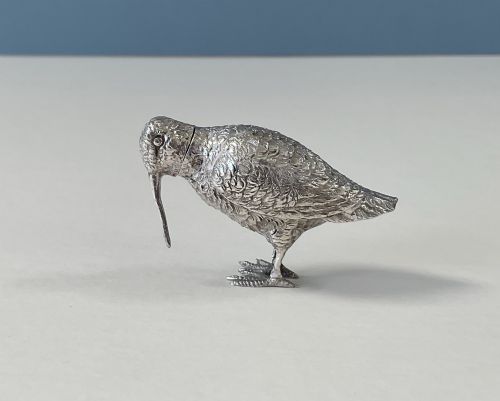
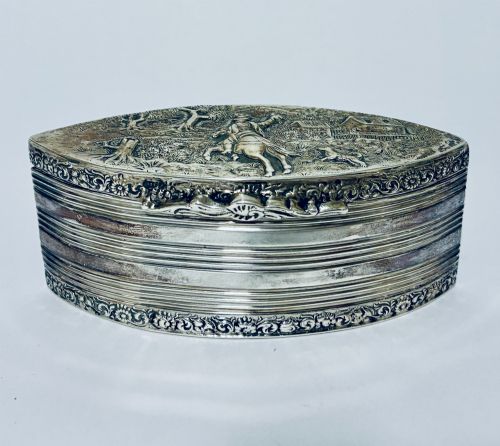
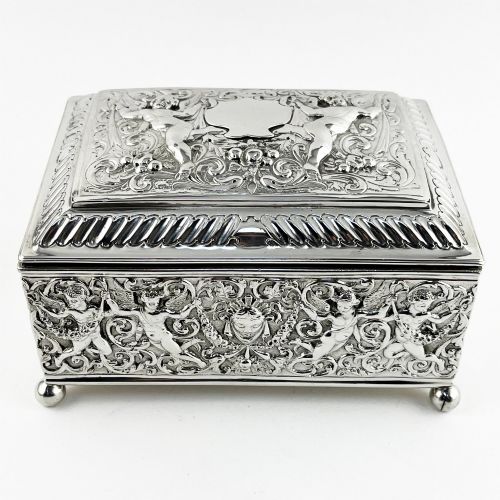
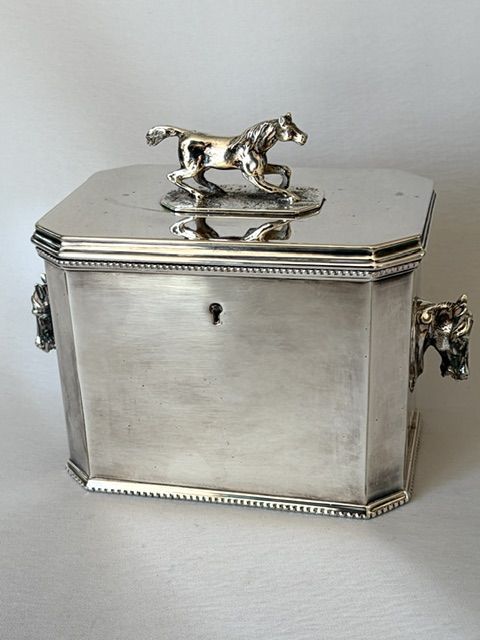
The selection on this page includes heart-shaped containers, hinged pill boxes, and larger vanity pots. Makers also produced novelty items shaped like animals or trunks alongside fitted jewellery boxes.
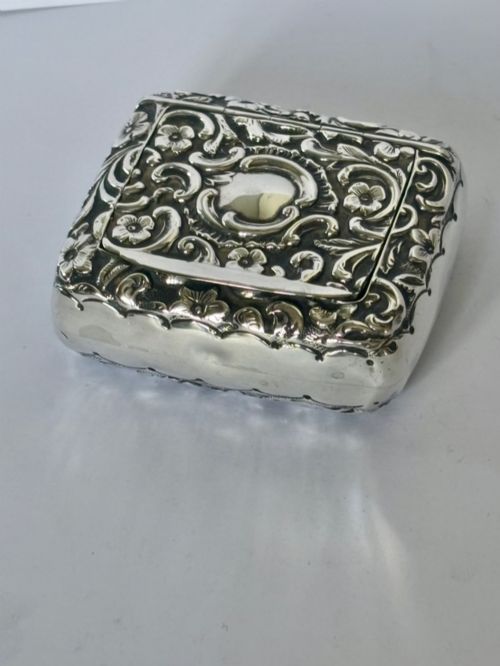
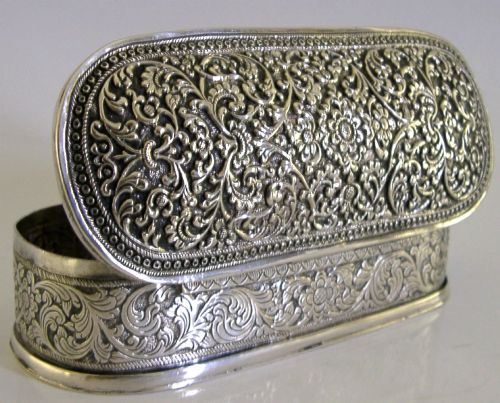
Domestic English examples share space with regional specialisms, including Anglo-Indian, Ottoman, and Indo-Chinese export works in solid silver. The core of any collection remains the sterling silver heart box embossed with scrolls and floral motifs.
How They Were Made
Silversmiths utilised sterling silver, solid silver, and silver plate, often applying silver gilt to the interior surfaces for a rich finish. Many containers combine metal bodies with contrasting materials such as tortoiseshell, cut glass, hardstone, and velvet linings.
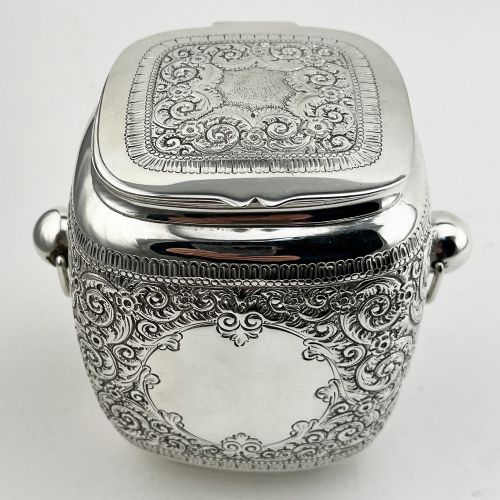
Techniques relied on stamping, piercing, and embossing to create intricate decoration across the lids and sides. Specialist makers soldered hinges and cast detailed novelty shapes before submitting the finished work for hallmarking.
Victorian Silver Trinket Box Retail Price Guide 2026
Typical asking prices for victorian silver trinket box among the pieces listed under this phrase on Sellingantiques today, from the lower quarter to the upper quarter. They describe what is for sale here now, not the wider market.
Listings feature items spanning the Victorian era through the Edwardian period, utilising sterling silver, tortoiseshell, and cut glass.
What Varies In Quality
Quality rests upon the crispness of the repoussé work and the integrity of the structural joints. Pieces featuring deep, hand-chased scrolls and clear hallmarks display superior execution compared to light, machine-pressed alternatives.
The choice of secondary materials dictates overall merit, where genuine tortoiseshell panels, heavy cut glass, or fitted velvet interiors elevate a standard container into a high-status desk accessory.
Henry Matthews·William Comyns·Edward Smith·Deakin & Francis·Synyer & Beddoes·Hukin & Heath·Martin Hall & Co·FA Barrett
The Victorian Silver Trinket Box Glossary
- Hallmark
- Official marks stamped on precious metals to indicate standard of purity, maker, and year of assay.
- Repoussé
- Metalworking technique where a design is hammered into relief from the reverse side.
- Vinaigrette
- A small ornamental box with a pierced inner grille used to hold a sponge soaked in aromatic vinegar.
- Silver Gilt
- Sterling silver that has been coated with a thin layer of gold on the surface.
- Pyx
- A small round container historically used to carry sacramental bread, adapted in secular work for small pills.
Victorian Silver Trinket Box: Frequently Asked Questions
How were these small boxes used?
Owners placed them on dressing tables to store rings, pins, and visiting cards. They also served as portable containers for medicinal pills and scented vinegars.
Over time, these objects transitioned from functional vanity accessories to decorative mantelpiece ornaments and collector's cabinet pieces.
How do I identify the date of a piece?
Assay office marks, date letters, and monarch profiles stamped into the metal provide the exact year of manufacture. Specialist hallmarking registers match these symbols to specific towns and decades.
Stylistic cues such as Rococo Revival scrolls or Arts & Crafts simplicity also point towards particular manufacturing eras.
What is the difference between solid silver and plate?
Solid silver pieces consist entirely of precious metal throughout their structure, often marked with the lion passant for sterling standard. Plated items feature a thin layer of silver bonded over a base metal foundation.
Heavier weight and interior gilt surfaces typically indicate solid construction rather than plating.
How should I clean antique silver?
Dust the surface gently with a soft microfiber cloth to remove surface particles. Avoid abrasive commercial dips that strip away historical patina and wear down delicate embossed details.
Professional silver polish applied sparingly with minimal friction preserves the original chased definition of the metal.