


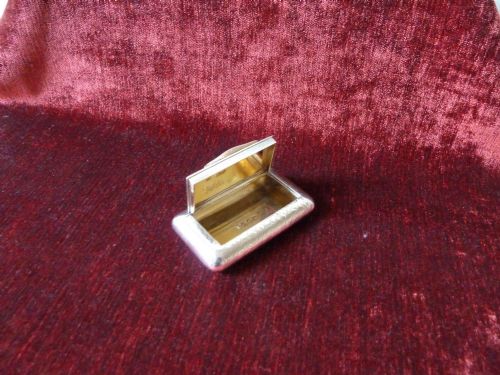

Small Silver Box
A small silver box is a pocket-sized vessel intended for snuff, pills, or trinkets, prized for intricate metalwork and portability.
Forms and Origins
A small silver box encompasses pocket pieces designed to hold snuff, pills, vinaigrettes, or small trinkets. These items emerge primarily from the Victorian period onwards, reflecting domestic habits of carrying personal items securely.
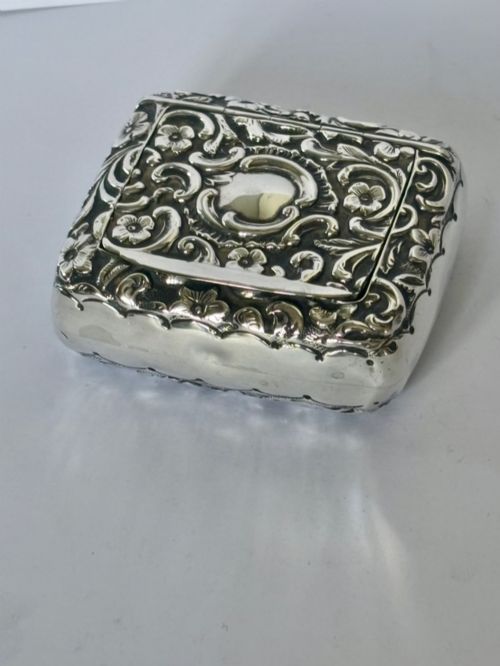
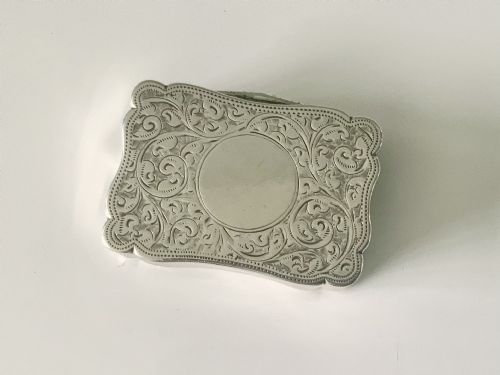
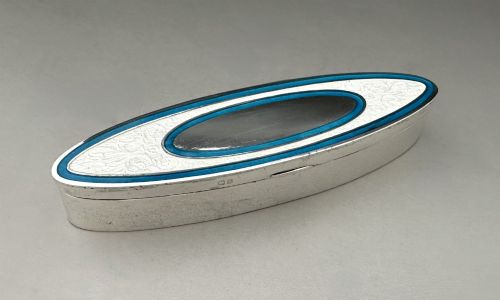
The versions most commonly met in current selections include hinged snuff boxes, pill boxes, and ring boxes bearing Birmingham assay marks from the late nineteenth century. Makers such as Henry Matthews and Asprey frequently appear on these pieces.
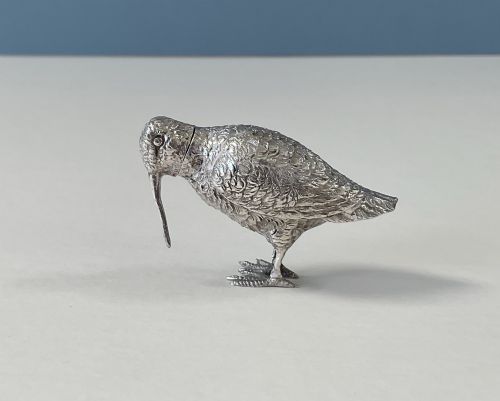
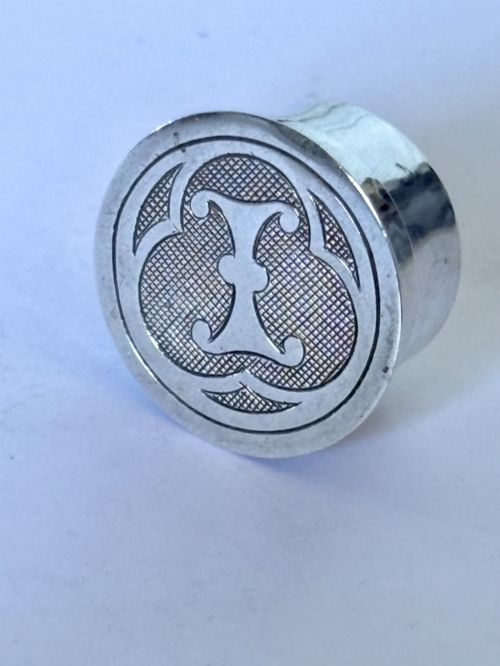
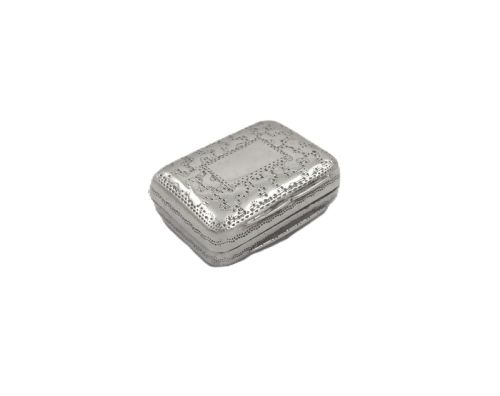
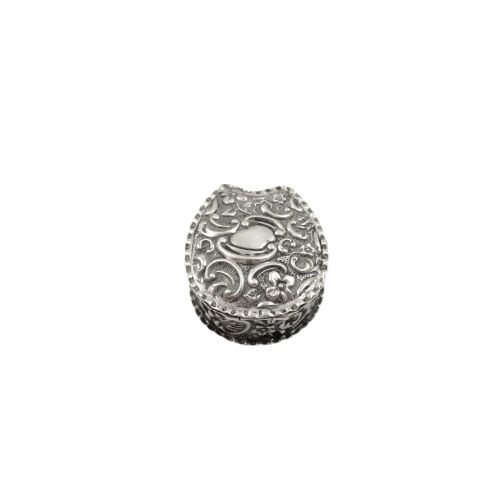
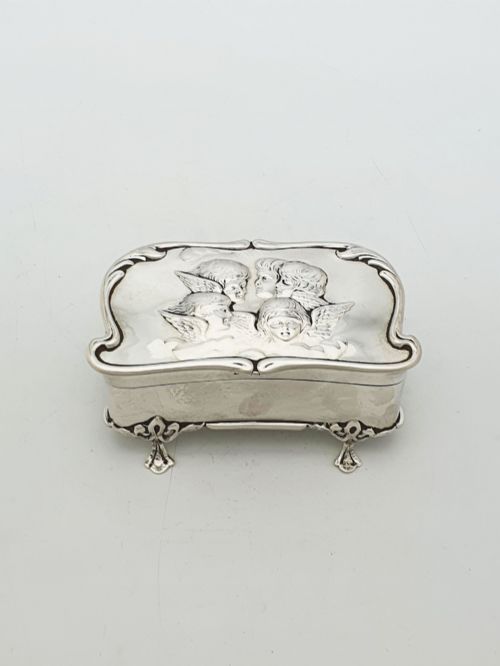
Forms vary from plain circular vessels to embossed heart shapes and novelty items like horseshoe pill boxes. Continental and English origins dominate the records, showing diverse domestic uses across the nineteenth and twentieth centuries.
Standards of Execution
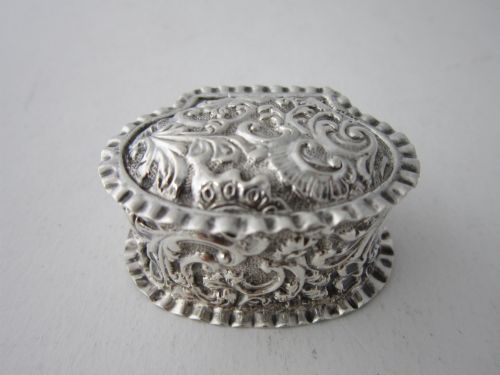
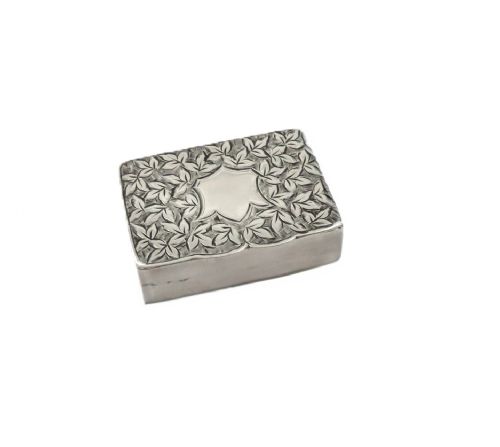
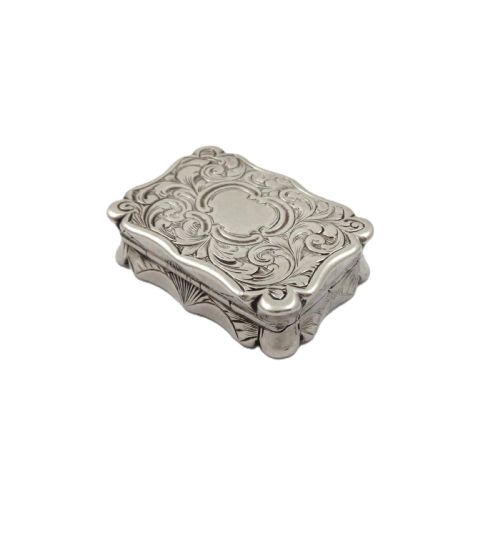
Quality rests upon the crispness of the repoussé or embossed decoration and the structural integrity of the hinge. Superior examples maintain sharp floral and scroll motifs without softening from wear or over-polishing.
The execution of maker marks, assay office symbols, and date letters contributes significantly to the standing of a piece. Finer specimens display unblemished internal gilding and securely closing lids that align precisely with the body.
Retail Price Guide 2026
Typical UK retail prices for small silver box, calculated from the Sellingantiques database of over a million retail prices indexed since 2003. This retail price guide relies exclusively on Sellingantiques data; no external sources or auction records are used, so the figures do not describe the wider market.
A tiny horseshoe pill box survives to remind us that even nineteenth-century headaches occasionally needed a dash of good luck.
Henry Matthews·Asprey·William Comyns·Nathan & Hayes
The Small Silver Box Glossary
- Sterling silver
- An alloy consisting of 925 parts of silver per thousand by mass. This standard metal forms the primary body of most English small boxes.
- Vinaigrette
- A small ornamental box containing a perforated inner grille. It held a sponge soaked in aromatic vinegar to revive the user.
- Repoussé
- A metalworking technique where the metal is hammered from the reverse side to create a raised design in relief on the front.
- Silver gilt
- Sterling silver that has been coated with a thin layer of gold on its surface. This treatment provides a rich interior finish to snuff and pill boxes.
- Assay mark
- A stamp indicating the purity of the metal, the place of testing, and the year of manufacture. These marks establish the official provenance of English silver.
Frequently Asked Questions
What were small silver boxes used for?
These vessels held items like dry snuff, medicinal pills, or fragrant vinegars for personal use throughout the day. Their compact dimensions allowed them to fit easily into a pocket or reticule.
Victorian owners relied on them to transport small valuables securely while travelling or attending social engagements. The inclusion of internal compartments or grilles tailored each box to its specific contents.
How do I date a silver pill box?
Dating relies upon the hallmarks stamped into the metal by official assay offices such as Birmingham, Chester, or London. These small symbols indicate the specific year letter and the maker's mark.
Stylistic clues like embossed floral scrollwork or simple geometric shapes also point toward specific decades like the late Victorian era. Comparing these details with recorded maker timelines confirms the period of origin.
What is the difference between a pill box and a snuff box?
Snuff boxes generally feature tight-fitting hinged lids designed to keep powdered tobacco dry and contained within a pocket. They often display richer internal gilding to resist corrosion from the snuff.
Pill boxes tend to have slightly simpler interiors, sometimes lined with velvet or left plain, intended for medicinal doses. Their external shapes often vary more widely, including hearts, rounds, and novelty forms.
How should I clean an antique silver box?
Gentle dusting with a soft cloth preserves the natural patina and protects delicate repoussé details from abrasive wear. Avoid harsh chemical dips that strip away the historical character of the metal.
If polishing is necessary, use a mild silver cream applied sparingly with cotton wool, avoiding engraved crevices. Rinse thoroughly and dry with a lint-free cloth to maintain the finish.