

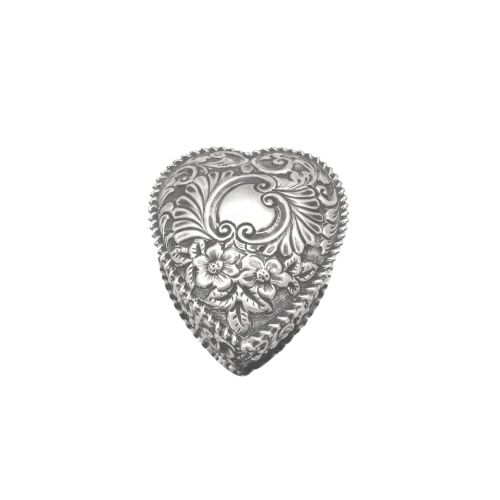
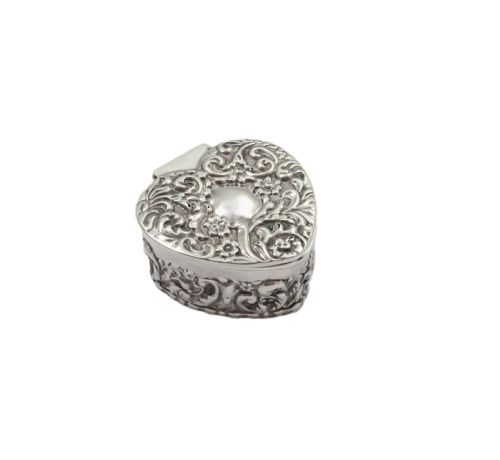


Silver Heart Jewellery Box
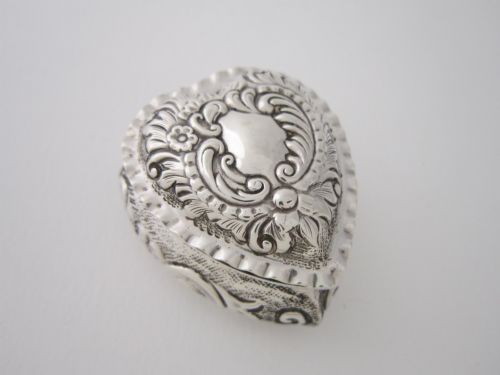
A silver heart jewellery box holds small treasures while bringing the romantic spirit of the Victorian and Edwardian eras to a dressing table.
Silver Heart Jewellery Box
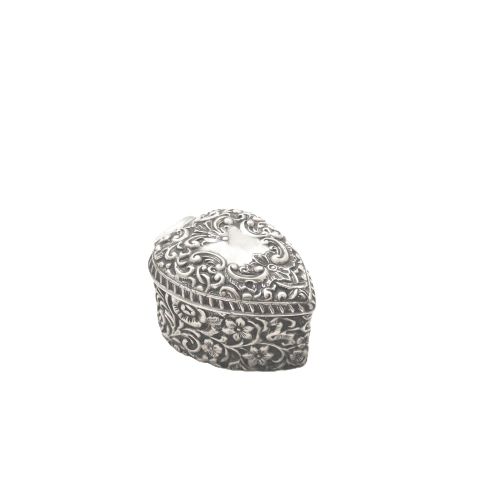
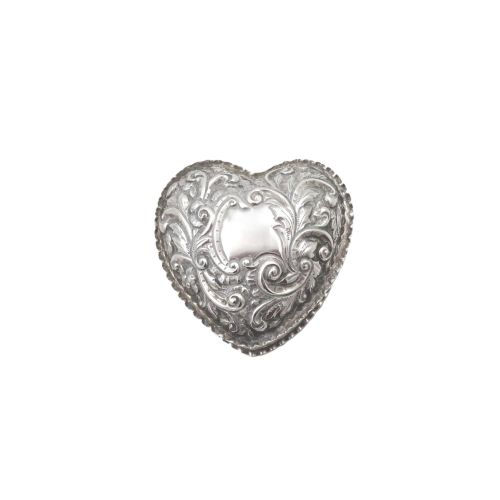
A silver heart jewellery box takes the form of a small lidded vessel designed to hold rings, trinkets, or sovereigns. The pieces found here span the Victorian, Edwardian, and George V periods, alongside nineteenth-century examples.
Most items appear as solid sterling silver trinket boxes, though variants include cut glass, cut crystal, and tortoiseshell combinations. Formed primarily in heart shapes, these boxes often feature hinged lids for everyday utility on a dressing table.
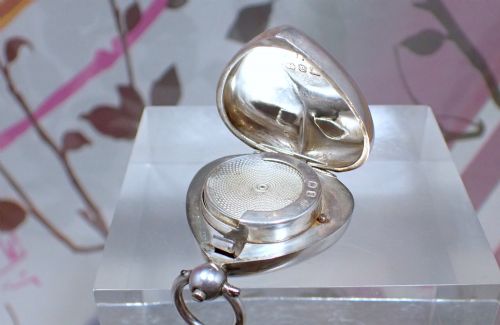
Makers occasionally produced sovereign holders and brooches alongside standard trinket boxes, expanding the scope of heart-shaped objects. Collectors encounter both plain domed lids and heavily embossed or pierced designs across London and Chester assay offices.
Materials and construction
Silversmiths utilised sterling silver and solid silver alongside glass and tortoiseshell to construct these vessels. Working during the nineteenth and early twentieth centuries, makers hammered, pressed, and pierced metal into distinct heart outlines.
Glasscutters shaped cut crystal and cut glass bodies to receive silver tops and hinged lids. Detailed embossing and piercing required skilled handwork to decorate the metal surfaces without compromising the structural integrity of the box.
Assay origins span London and Chester alongside continental silver grades.
Assessing craftsmanship and condition
Quality rests in the crispness of the chased or embossed decoration and the weight of the sterling silver. Pieces bearing clear hallmarks from makers like William Comyns or James Deakin and Sons command attention for their documented provenance.
The integration of materials dictates distinction, particularly where tortoiseshell or cut crystal meets silver cleanly at the hinge. Superior examples maintain a tight closure on the double-hinged lid and retain original fitted linings.
William Comyns·James Deakin and Sons
The Silver Heart Jewellery Box Glossary
- Sterling silver
- An alloy containing ninety-two point five percent silver by mass, with the remainder composed of copper or other metals. This standard grade dominates British silver boxes from the Victorian and Edwardian periods.
- Hallmark
- An official stamp applied by an assay office to indicate the purity of the metal, the year of manufacture, and the maker. London and Chester offices feature frequently on these pieces.
- Pierced work
- Metal decorated by cutting or piercing away portions of the silver to create openwork patterns. This technique appears on Edwardian heart-shaped boxes.
- Sovereign holder
- A compact pocket case designed to hold British gold sovereign coins. Certain heart-shaped silver pieces serve this specific monetary function.
Silver Heart Jewellery Box: Frequently Asked Questions
How old is a silver heart box?
Dating relies on the assay office hallmarks stamped into the silver, which reveal the exact year of manufacture. Most pieces originate from the Victorian and Edwardian eras, spanning the late nineteenth and early twentieth centuries.
Items stamped in London or Chester often include letters that correspond to specific operational years. Examining these marks confirms whether a piece dates to the reign of Queen Victoria or King George V.
What were these boxes used for?
These vessels served as desktop or dressing table accessories for holding rings, small brooches, and precious trinkets. Some specific variants were manufactured to store gold sovereign coins.
Their intimate size made them suitable for safeguarding personal keepsakes and sentimental tokens. Today, owners continue to use them for storing modern rings and small items of jewellery.
Are tortoiseshell boxes fragile?
Tortoiseshell combined with sterling silver requires careful handling to prevent scratching or cracking of the organic shell material. Historical examples joined shell to metal using traditional adhesives and pins.
Keeping these pieces away from direct sunlight and extreme humidity helps preserve the integrity of the tortoiseshell lid. Gentle dusting maintains the polished surface of both the shell and the surrounding silver.
What do cut glass boxes look like?
Cut glass and cut crystal versions feature heavy faceted glass bodies topped with a solid silver hinged lid. The glass catches the light through deep geometric patterns cut into the base.
These pieces offer a visual contrast between clear crystal and the polished silver rim. They provide a heavier weight compared to all-metal boxes while serving the same trinket-holding purpose.