




Victorian Sterling Silver Casket
A victorian sterling silver casket is a weighty, tactile box meant for dressing tables and desks, prized for its craftsmanship and historical charm.
Victorian Sterling Silver Casket
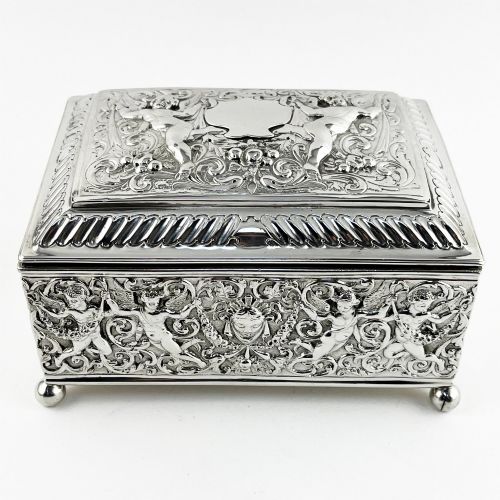
A victorian sterling silver casket is a substantial container designed to hold jewellery, trinkets, playing cards, cigars, or pot pourri. These pieces served practical domestic purposes in elite households while displaying wealth and taste on tabletops and dressing tables.
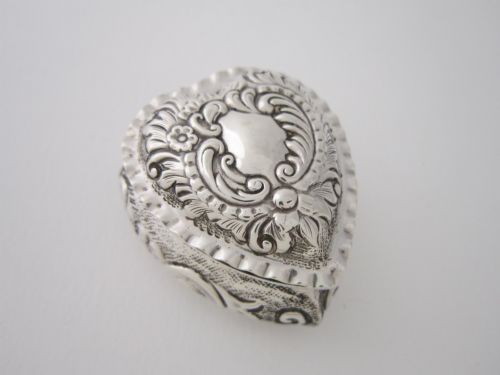
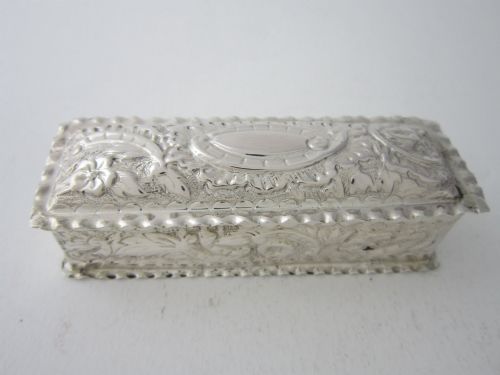
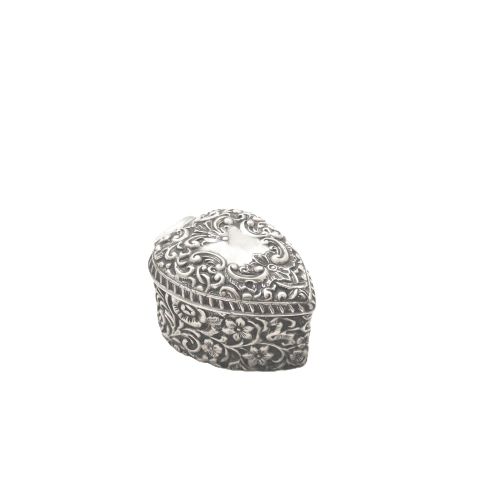
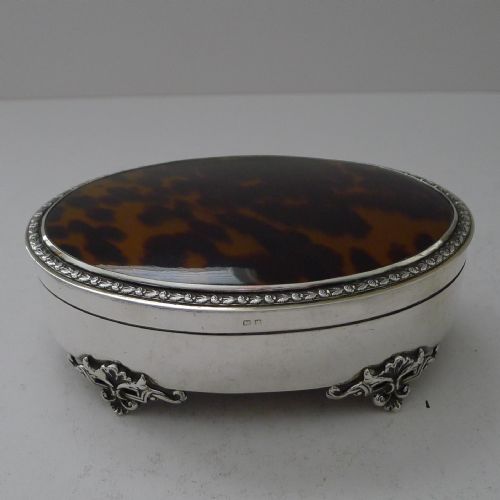
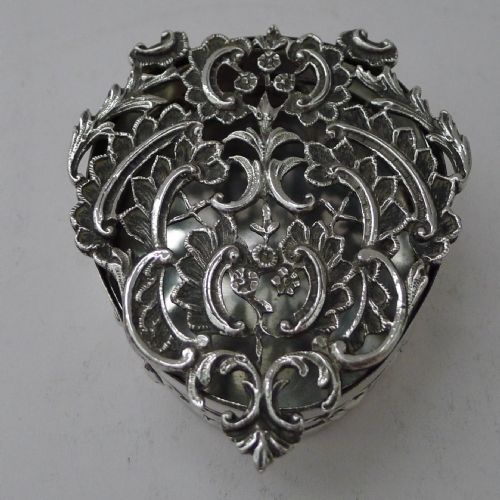
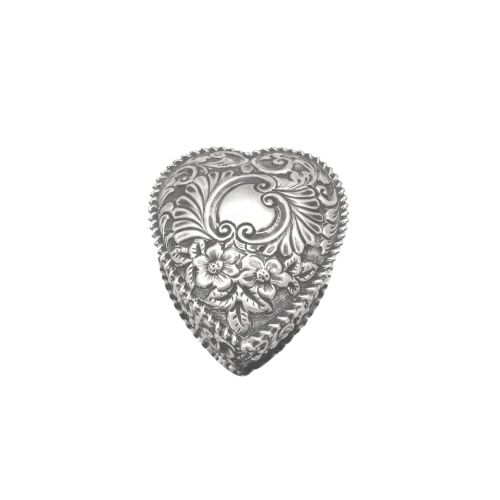
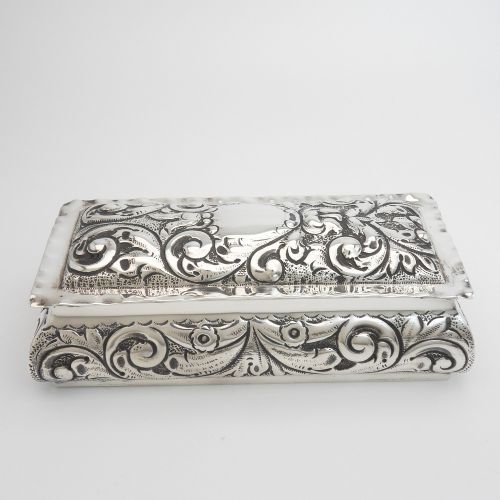
The selections available include compact trinket boxes, heart-shaped receptacles, and larger fitted jewellery caskets dating from the late nineteenth century into the Edwardian era. Makers shaped these items into oval, rectangular, and coffin forms using sterling silver.
Examples often feature interior linings of velvet or gold gilt to protect delicate contents such as rings and keepsakes. Collectors encounter diverse regional assay marks alongside stylistic influences ranging from rococo revival to art nouveau.
How they were made
Silversmiths constructed these caskets primarily from sterling silver, frequently employing embossing, chasing, and repoussé techniques to create ornate surface decoration. Artisans shaped sheet metal over wooden or metallic cores, integrating hinged lids and secure clasps.
Interiors were often lined with plush velvet or treated with gold gilt applied over the silver surface to provide a contrasting finish. Selected pieces incorporated contrasting organic elements such as tortoiseshell fitted panels or clear glass bodies.
Workshop production involved specialised tools for hammering, piercing, and engraving intricate floral, scroll, or figurative motifs across the exterior panels before submitting the finished items for official assay office hallmarking.
Victorian Sterling Silver Casket Retail Price Guide 2026
Typical asking prices for victorian sterling silver casket among the pieces listed under this phrase on Sellingantiques today, from the lower quarter to the upper quarter. They describe what is for sale here now, not the wider market.
Form variations include heart-shaped trinket boxes, elongated cigar containers, coffin-shaped receptacles, and fitted dressing table caskets.
What varies in quality
The calibre of a victorian sterling silver casket rests upon the crispness of its chased ornamentation and the weight of the silver used in its construction. Superior pieces display deep, sharply defined relief work rather than shallow, pressed patterns.
Internal elements significantly influence overall standard, particularly the presence of original velvet linings, intact gilding, and fitted compartments with working original hinges. Maker attributions to prominent silversmiths elevate the standing of an item.
Structural integrity, including the alignment of the lid and the clarity of the assay hallmarks stamped into the metal, distinguishes masterwork caskets from standard commercial production.
William Comyns·A & J Zimmerman Ltd·William Hutton·Jane Brownett Alexander Jones·H. Matthews
The Victorian Sterling Silver Casket Glossary
- Sterling silver
- An alloy consisting of ninety-two point five percent silver and seven point five percent other metals, typically copper, chosen for durability.
- Gilt
- A thin layer of gold applied to the interior surface of the silver box to prevent tarnishing and enhance visual warmth.
- Tortoiseshell
- The mottled brown and amber shell of certain turtle species used as an inset decorative panel on select luxury boxes.
- Pot pourri box
- A specialised container featuring a pierced or perforated lid designed to diffuse scent from dried flower petals into a room.
- Assay mark
- Official stamps applied by an assay office to indicate metal purity, the city of testing, and the date letter for the year of manufacture.
- Repoussé
- A metalworking technique where the silversmith hammers the design from the reverse side to form raised relief patterns on the exterior.
Victorian Sterling Silver Casket: Frequently Asked Questions
What was a silver casket used for?
These boxes served as secure receptacles for valuable personal items including rings, necklaces, and loose trinkets kept on dressing tables. Larger variations accommodated playing cards, cigars, or fragrant dried botanical mixtures.
Owners displayed them prominently in public rooms and private boudoirs as symbols of refinement. The plush interiors protected delicate possessions from dust and damage during daily use.
How do I date a silver box?
Dating relies heavily on the official hallmarks stamped into the silver, which include a standard mark, a city mark, and a specific date letter corresponding to the assay year. Stylistic clues such as art nouveau curves or rococo revival scrolls also indicate the period of manufacture.
Comparing the maker's mark against historical records provides further precision regarding when the workshop produced the piece. Late nineteenth and early twentieth century examples form the majority of surviving specimens.
Are interiors usually lined?
Many examples feature original velvet or silk linings designed to cushion jewellery and prevent metal items from scratching against the silver base. Other pieces showcase gold gilt applied directly to the interior silver surface.
Some luxury variants include fitted compartments with specialised slots for rings or writing accessories. The presence of intact period lining adds historical interest to the piece.
How do I clean sterling silver?
Cleaning requires a soft microfiber cloth and specialised silver polish designed to remove tarnish without abrading the delicate chased details or thin gilding. Care must be taken around hinges and velvet linings to avoid moisture damage.
Regular gentle dusting prevents heavy tarnish accumulation and preserves the reflective finish of the metal. Aggressive scrubbing should be avoided to protect antique hallmarks and maker stamps.