



Victorian Dressing Table Box
These victorian dressing table box pieces organise boudoir items with period craftsmanship, offering collectors a practical link to nineteenth-century dressing rituals.
What They Are
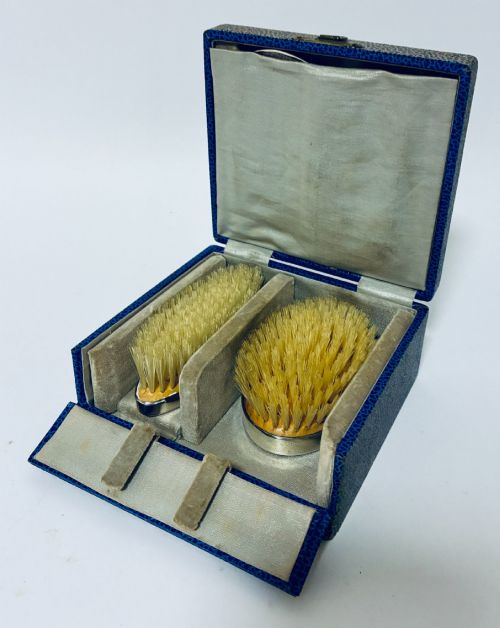
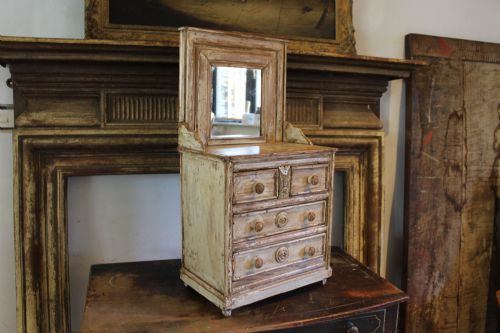
When you search for a victorian dressing table box, you encounter compact containers designed for vanity items, jewellery, and scent bottles. The selection spans jewellery boxes, trinket boxes, vanity boxes, and cased cologne bottles intended for dressing table use.
The most common versions met on this page date from the nineteenth century, including specific years in the Victorian period. These pieces originate from English workshops and utilise traditional woods and metals.
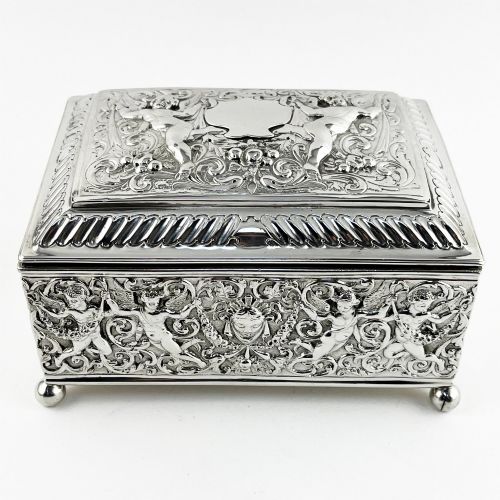
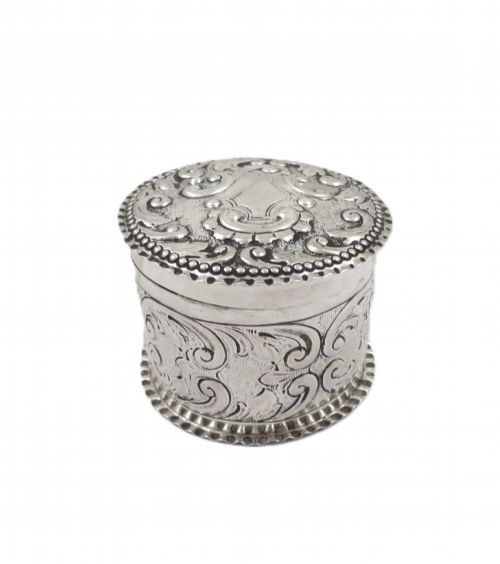
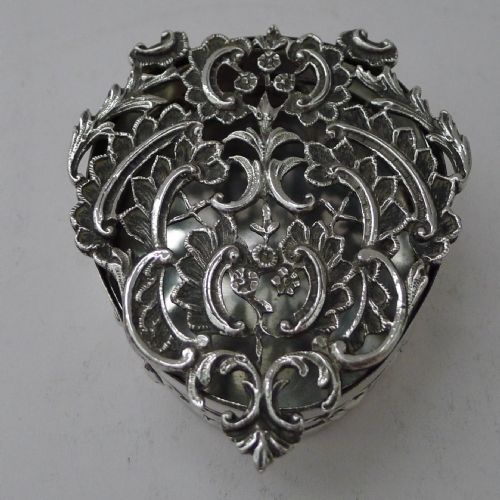
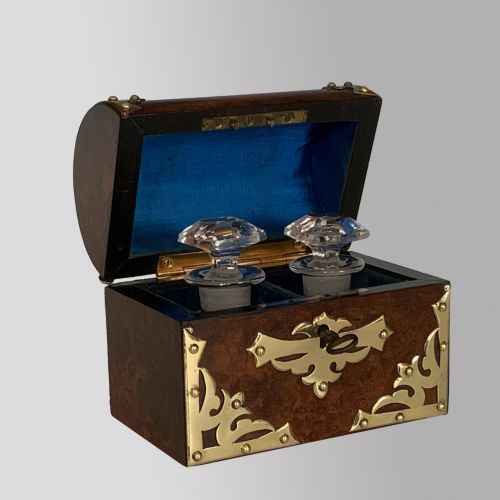
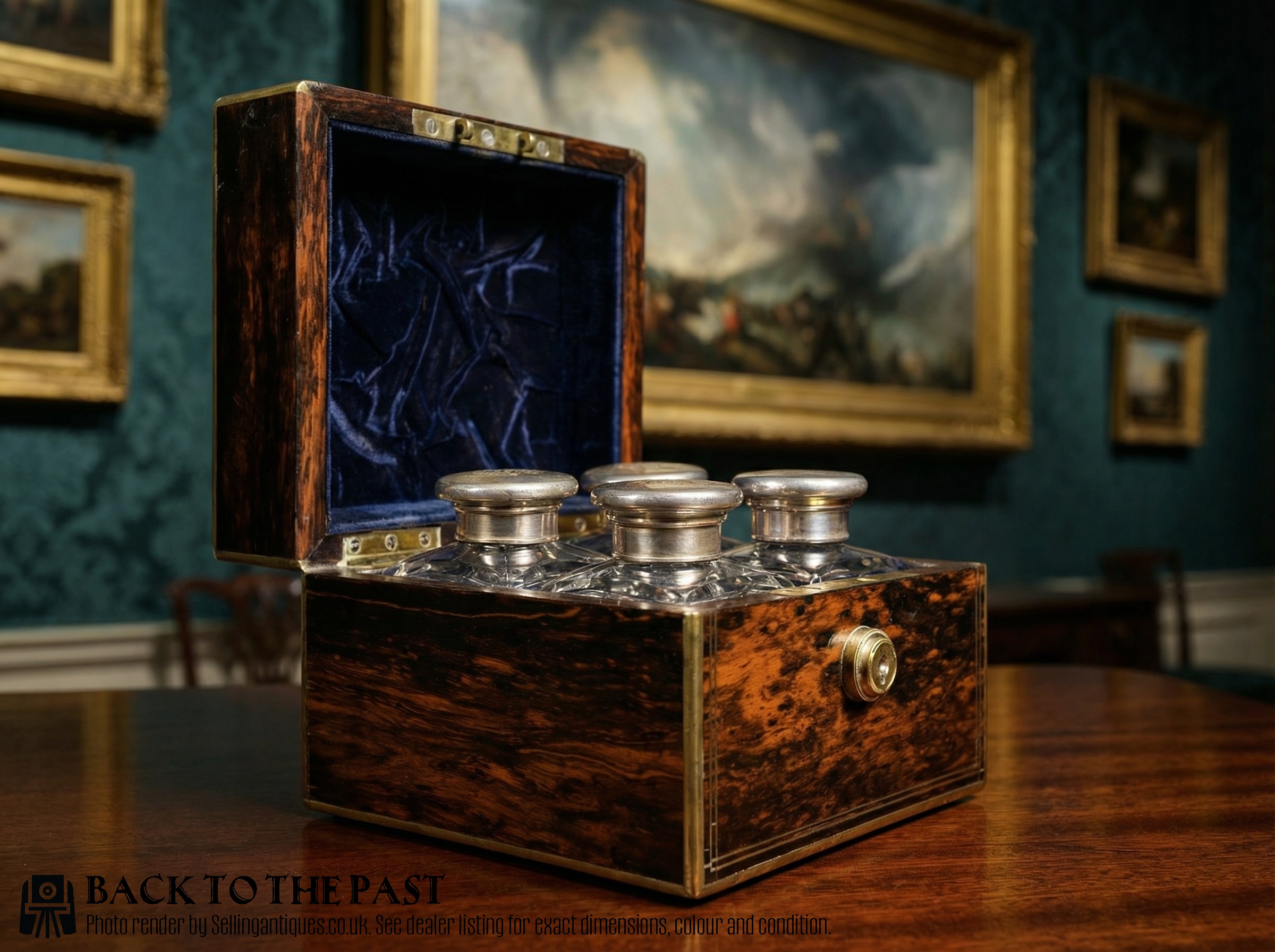
Forms range from simple walnut multi-ring jewelery boxes with pearl inlay to coromandel cased cologne bottles and heavy sterling silver dressing table boxes. Collectors also find rosewood and flame mahogany examples with fitted interiors.
How They Were Made
Maker workshops built these boxes using dense timbers such as coromandel, walnut, rosewood, and flame mahogany. Artisans often reinforced the wooden carcasses with brass mounts and integrated delicate mother-of-pearl inlay.
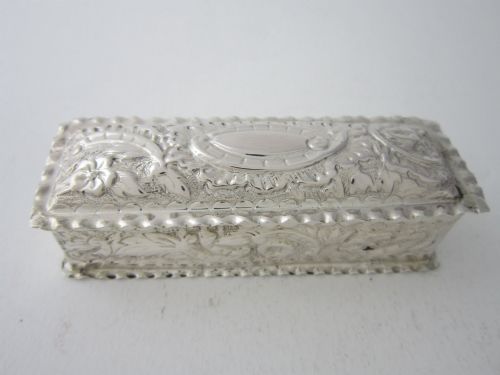
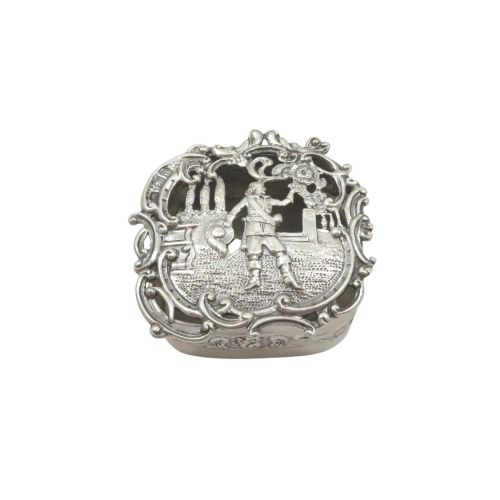
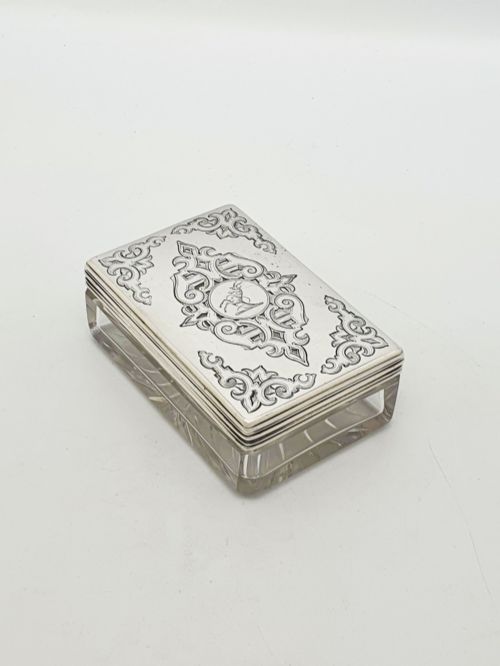
Silver components include sterling silver lids and bodies, sometimes hallmarked in London. Interiors frequently combine fitted silk linings and glass bottles to secure personal belongings.
Retail Price Guide 2026
Typical UK retail prices for victorian dressing table box, calculated from the Sellingantiques database of over a million retail prices indexed since 2003. This retail price guide relies exclusively on Sellingantiques data; no external sources or auction records are used, so the figures do not describe the wider market.
Some boxes hide secret drawers beneath false bottoms, designed to outwit curious guests in the Victorian parlour.
What Varies in Quality
The hierarchy of quality rests on the choice of exotic timber and the precision of metalwork. Coromandel and heavily figured flame mahogany sit at the upper end of the scale, contrasted by simpler domestic woods.
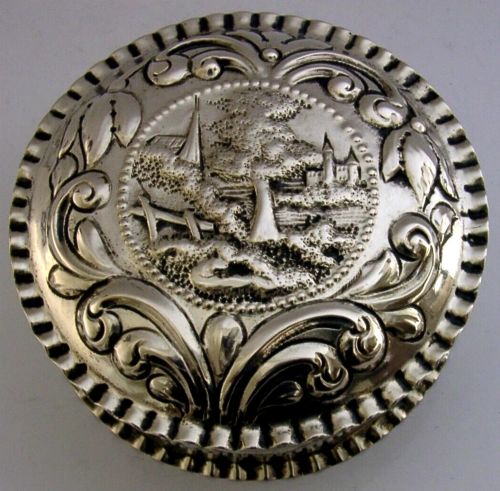
Execution of decorative details dictates the standing of a piece. Heavily chased sterling silver or intricate mother-of-pearl inlay distinguishes fine boudoir containers from plain utility boxes.
The Victorian Dressing Table Box Glossary
- Coromandel
- A dense, heavily figured exotic timber utilised for luxury nineteenth-century boxes. Its dark brown grain with black stripes marks high-status pieces.
- Sterling Silver
- A silver alloy containing ninety-two point five percent pure silver by mass. This material appears frequently in lids, mounts, and dedicated trinket boxes.
- Mother-of-Pearl
- An iridescent internal layer of shells used for decorative inlay. Artisans cut this material into geometric or floral shapes to adorn wooden surfaces.
- Cologne Bottle
- A glass container housed within a dedicated travelling box or cased set. These bottles held scented waters for the Victorian dressing routine.
- Rococo Revival
- A nineteenth-century design style drawing on ornate, asymmetrical scrolls and natural motifs. This aesthetic often appears on embossed silver dressing table box lids.
Frequently Asked Questions
What is a victorian dressing table box?
These items are nineteenth-century containers built to hold cosmetics, jewellery, and scent bottles on a boudoir surface. They reflect the domestic habits of the period.
Materials range from solid sterling silver to exotic woods like coromandel and walnut, often featuring silk linings and glass inserts.
How were these boxes used?
Owners stored rings, pins, and personal vanity accessories inside them during the Victorian era. Many sat permanently on dressing tables.
Some specialised versions housed removable glass cologne bottles for travel or daily boudoir freshening.
How do I care for wood and silver boxes?
Keep wooden boxes away from direct heat sources to prevent the timber and delicate inlay from splitting. Maintain stable indoor humidity.
Polish sterling silver components gently with a suitable cloth, avoiding abrasive cleaners that might damage embossed surface details.
How are different periods identified?
Examine the construction methods, secondary woods, and any metal hallmarks present on the piece. London silver hallmarks provide specific dating evidence.
Stylistic cues such as Victorian Rococo Revival ornamentation or the use of specific timbers like coromandel point to mid-to-late nineteenth-century manufacture.