





Antique Perfume Box
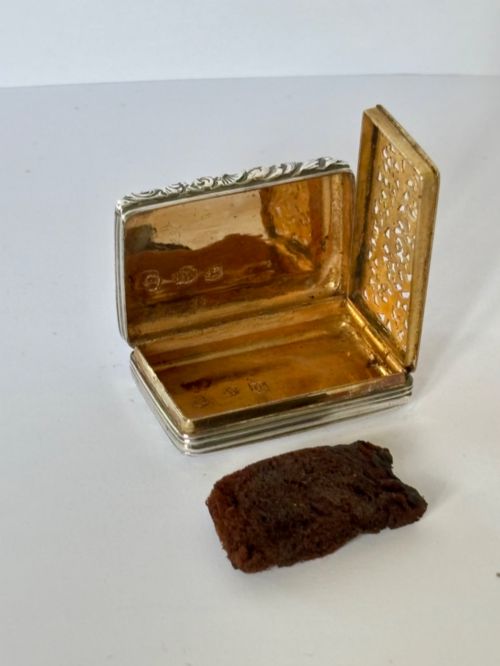
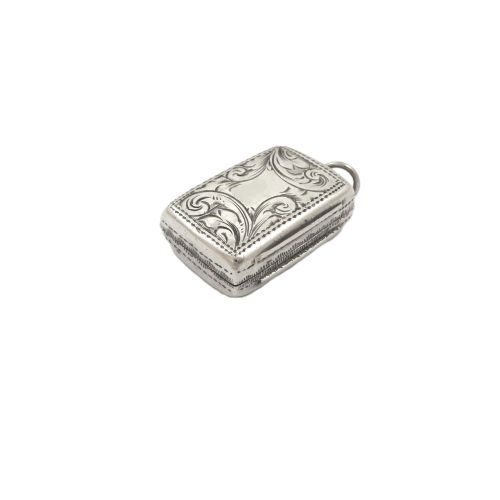
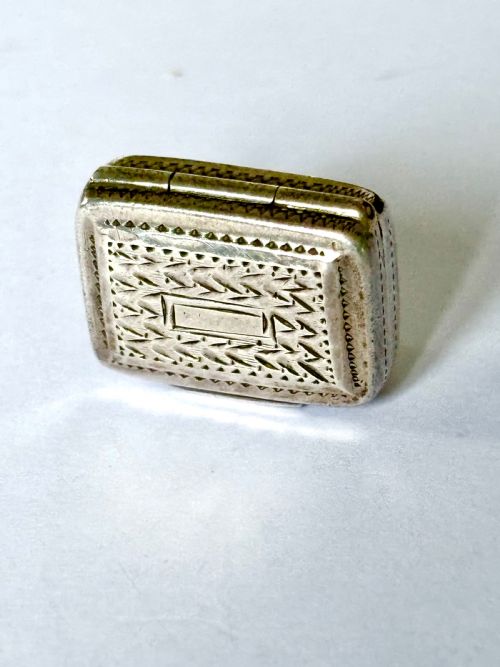
When searching for an antique perfume box, collectors encounter intricate scent caskets, fitted travel cases, and small silver vinaigrettes designed to hold aromatics.

Antique Perfume Box
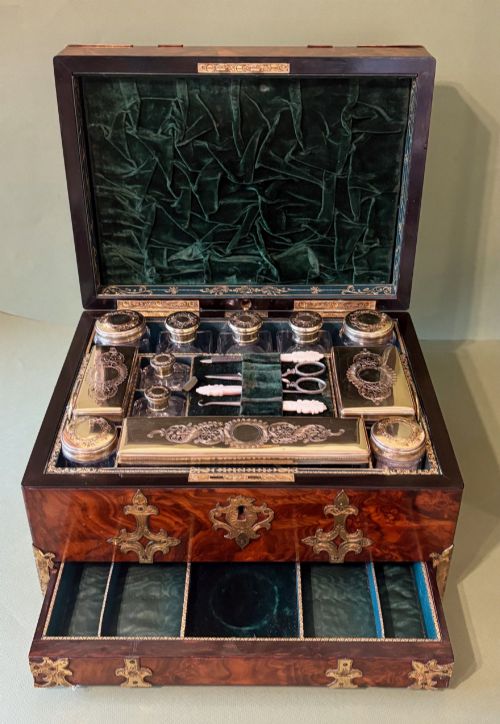
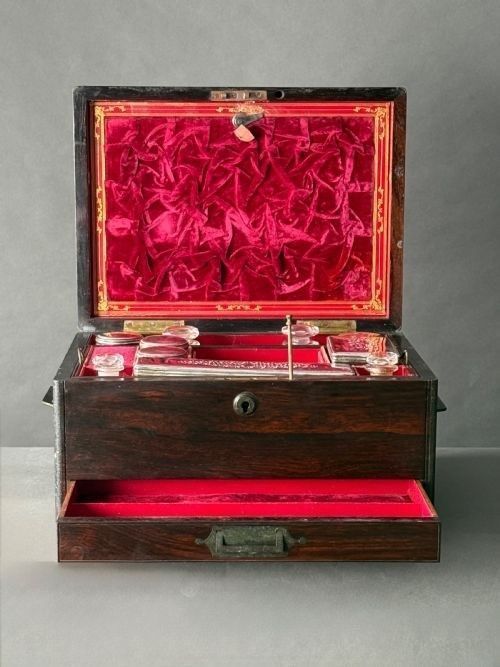
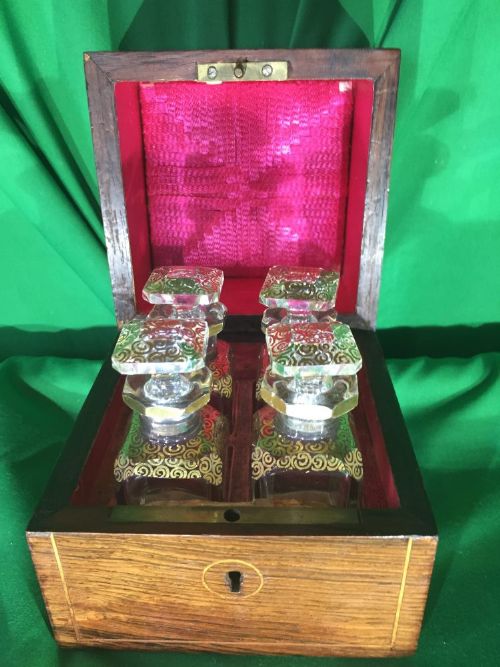
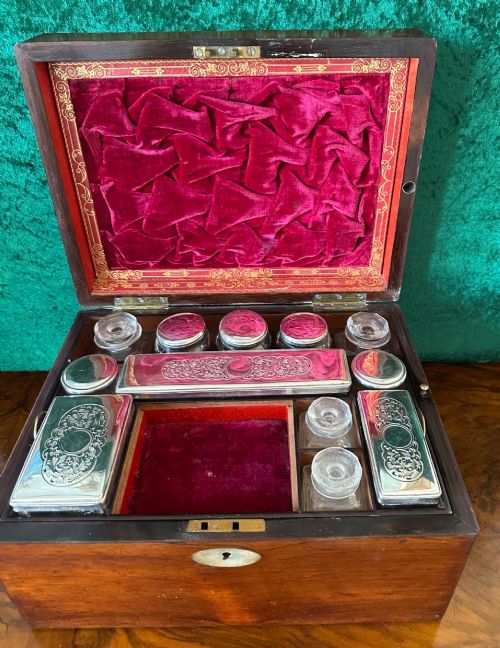
An antique perfume box encompasses several distinct forms, from fitted rosewood and walnut caskets housing multiple cut glass bottles to smaller travelling vanity boxes and desk sets. The selection ranges widely across the Georgian and Victorian eras, taking shape as hinged caskets, miniature silver vinaigrettes, and compartmentalised dressing cases.
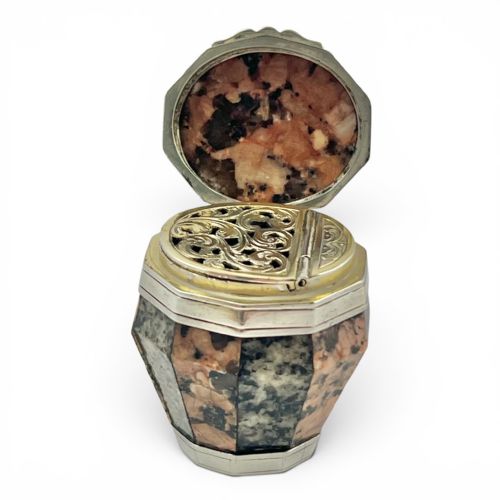
Many survivors combine scent storage with jewellery compartments, incorporating original glass or crystal bottles alongside velvet or silk linings. Pieces frequently span diverse regional styles, including Scottish granite mounts, French boullework, and English Tunbridge ware.
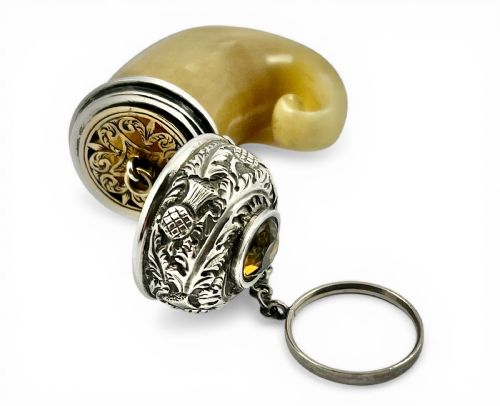
Buyers also encounter novelty items such as articulated fish vinaigrettes or horn barrels alongside traditional leather-bound dressing table boxes. These items reflect the domestic and personal grooming habits of the eighteenth, nineteenth, and early twentieth centuries.
How they were made
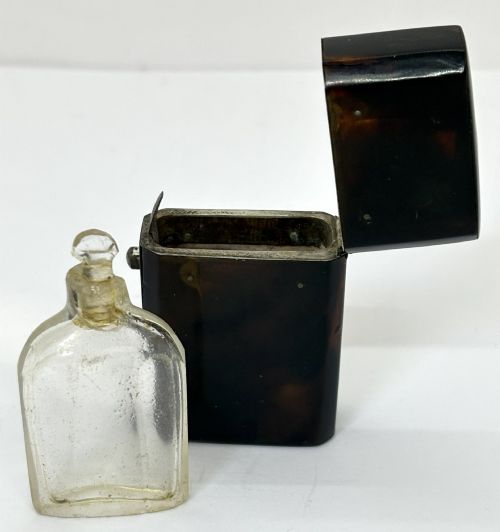
Craftsmen built the structural carcases of these boxes using dense timbers like rosewood, coromandel, walnut, and mahogany, frequently applying brass binding, mother of pearl inlay, or tortoiseshell veneers to the exterior surfaces. Interiors were then fitted with velvet, silk, or moroccan leather to cradle delicate glass and silver components securely.
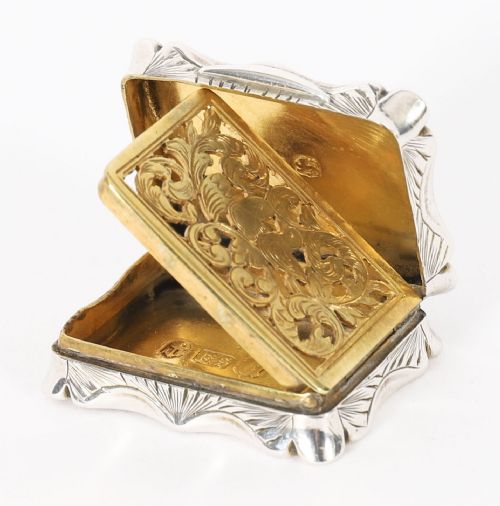
Silver elements, including vinaigrette grilles and scent bottle collars, relied on traditional silversmithing techniques such as casting, embossing, and silver-gilt work. Cut glass and crystal bottles were shaped by hand to fit precisely into custom compartments within the wooden frames.
Antique Perfume Box Retail Price Guide 2026
Typical asking prices for perfume box among the pieces listed under this phrase on Sellingantiques today, from the lower quarter to the upper quarter. They describe what is for sale here now, not the wider market.
Period examples span from the eighteenth century through the Georgian, Victorian, and Art Deco eras, encompassing French, English, and Scottish origins.
What varies in quality
Quality depends heavily on the integrity of the fitted interior and the completeness of the original set. Boxes retaining their matching set of cut glass bottles, internal trays, and original velvet or leather linings stand apart from those with replaced components or empty compartments.
The standard of exterior decoration also sets examples apart, distinguishing simple brass-mounted timber from elaborate Boullework, micro-mosaic Tunbridge ware, or finely chased silver-gilt work by makers of note.
Horton & Allday·Nathaniel Mills·Edward Smith·Giles Loyer·John Bettridge·Rene Lalique·Goldsmith's and Silversmith's Co.
The Antique Perfume Box Glossary
- Vinaigrette
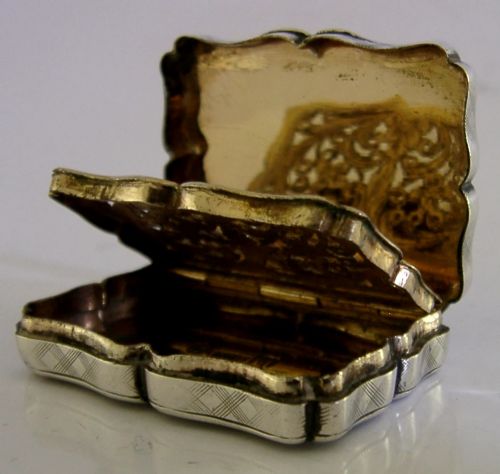
- A small ornamental box featuring an internal pierced metal grille, used during the Georgian and Victorian periods to hold a sponge soaked in aromatic vinegar.
- Boullework
- An elaborate marquetry technique utilising tortoiseshell and cut brass inlay, commonly seen on nineteenth-century French caskets.
- Coromandel
- A dense, dark exotic hardwood with contrasting light brown grain, frequently utilised for luxury nineteenth-century boxes and travelling cases.
- Silver-gilt
- Silver that has been coated with a thin layer of gold on its surface, often found on the interior grilles and mounts of high-status vinaigrettes.
- Tunbridge ware
- A form of woodworking characterised by intricate mosaic patterns made from tiny segments of naturally coloured woods, typical of nineteenth-century decorative boxes.
Antique Perfume Box: Frequently Asked Questions
What is the difference between a vinaigrette and a perfume box?
A vinaigrette is a small container housing a pierced internal grille over a scented sponge, whereas a perfume box or casket is designed to hold upright glass bottles or flasks of liquid scent.
Vinaigrettes were typically carried in a pocket or hung from a chatelaine for personal refreshment, while perfume boxes sat on dressing tables or travelled inside fitted luggage.
How can I tell a Georgian perfume box from a Victorian one?
Georgian boxes often display lighter neoclassical or Regency design motifs, frequently utilising materials like tortoiseshell, gold, and fine silver alongside simpler geometric timber construction.
Victorian pieces tend to be more robust, incorporating heavier woods like walnut and coromandel, ornate brass mounts, and complex fitted interiors designed for multi-bottle travelling sets.
Are the glass bottles inside these boxes usually original?
Many boxes retain their matched set of cut crystal or glass bottles, often featuring ground glass stoppers shaped specifically for the interior compartments.
Because bottles were fragile and prone to breakage, replacement glass is common, making original matching sets a notable feature for collectors.
What materials were used to line antique perfume boxes?
Interiors were typically lined with luxurious textiles such as velvet, silk, satin, or embossed moroccan leather to protect the glass bottles and jewellery stored within.
These linings were custom-fitted to the contours of the bottles and trays, often stamped with the retailer's or maker's details on the inner lid.