
Victorian Brass Casket
A victorian brass casket holds secrets from the nineteenth century, built to protect precious letters, jewels and trinkets on a gentleman's desk.
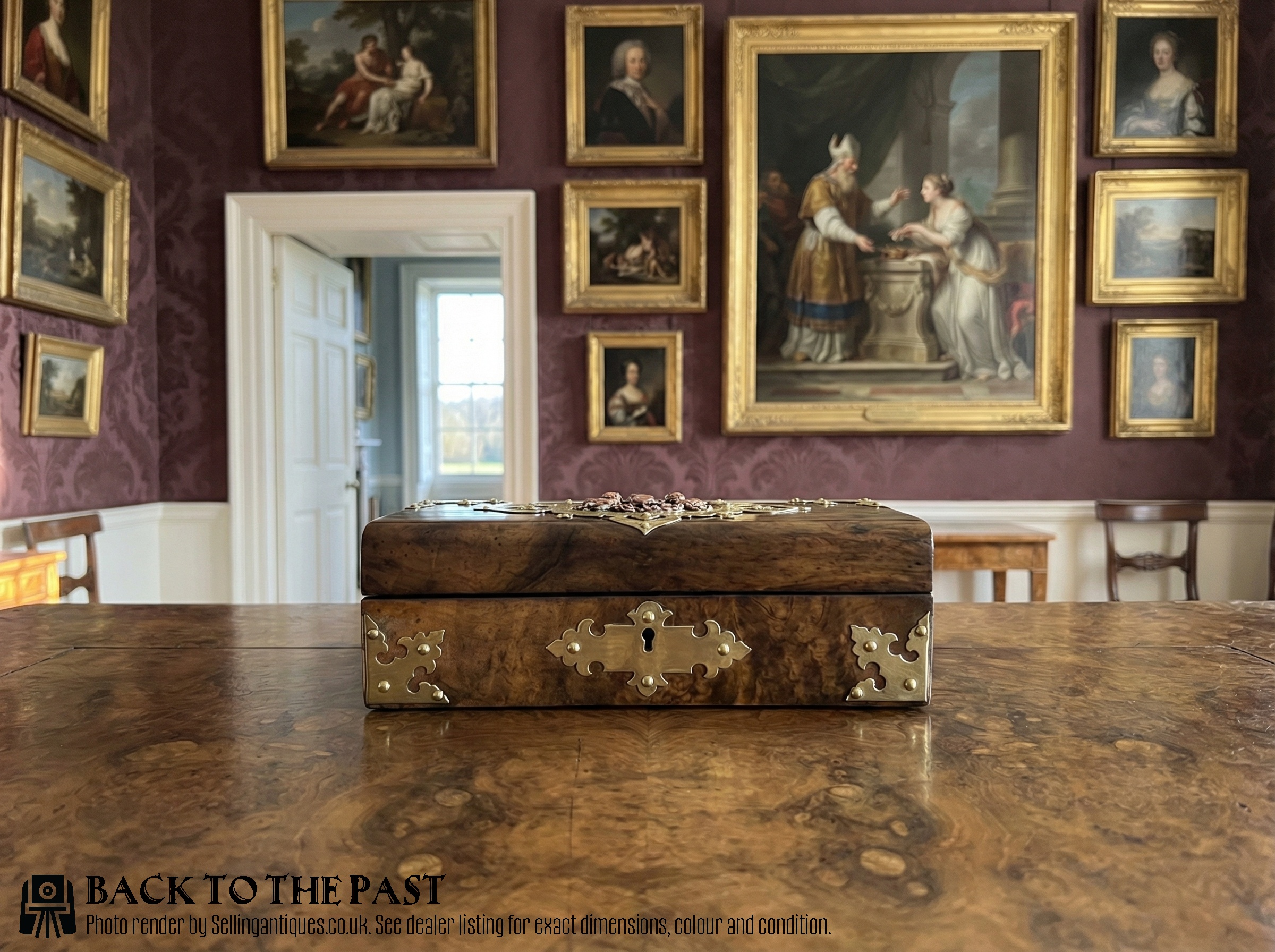
Victorian Brass Casket
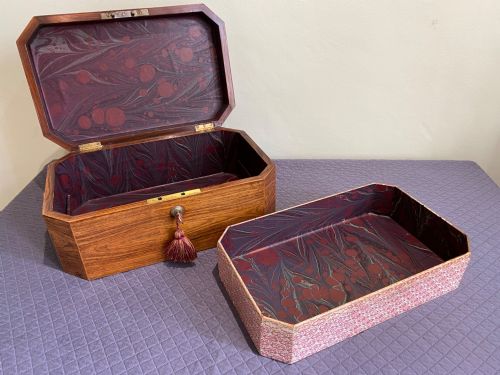
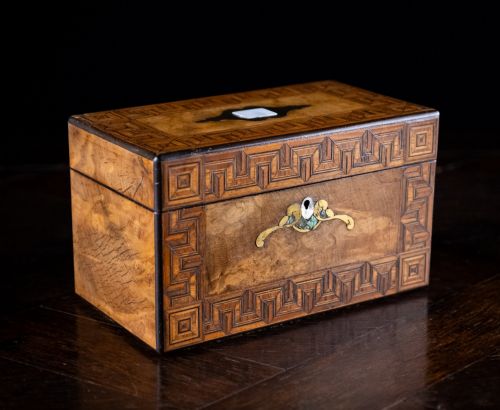
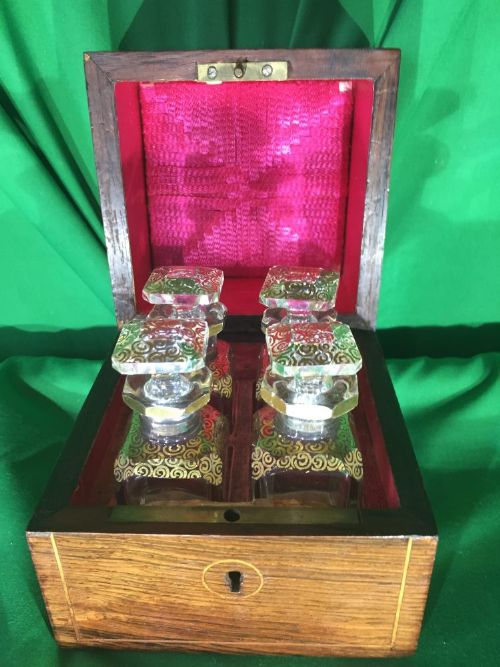
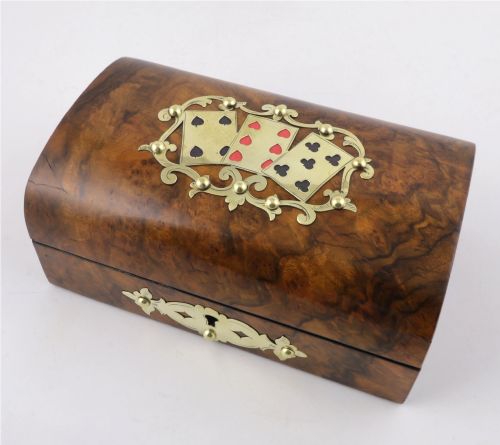
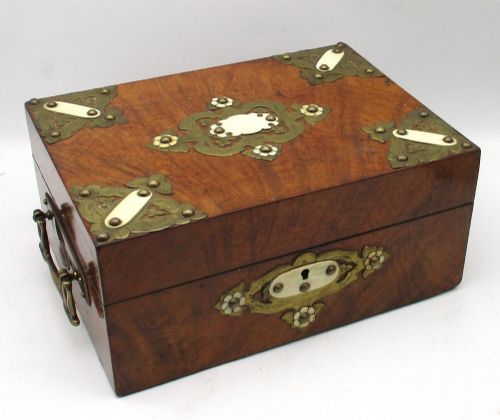
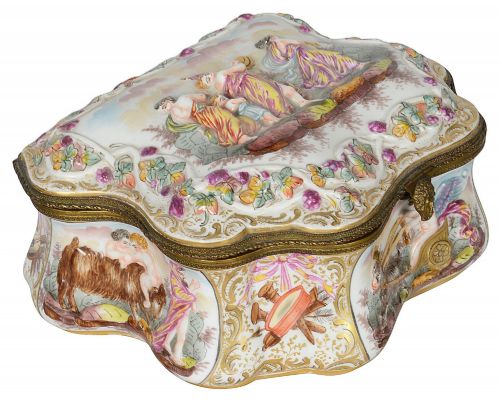
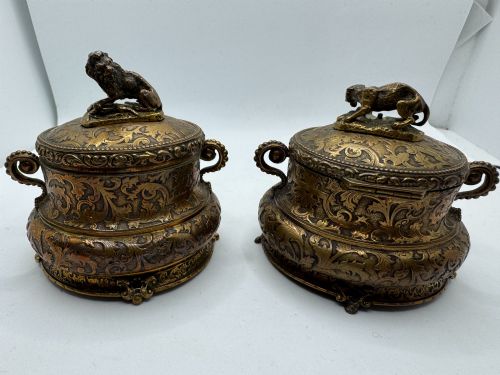
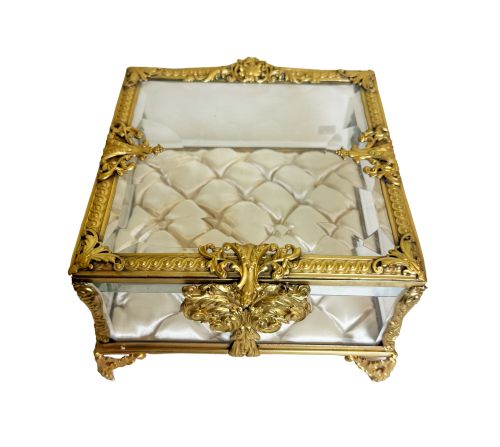
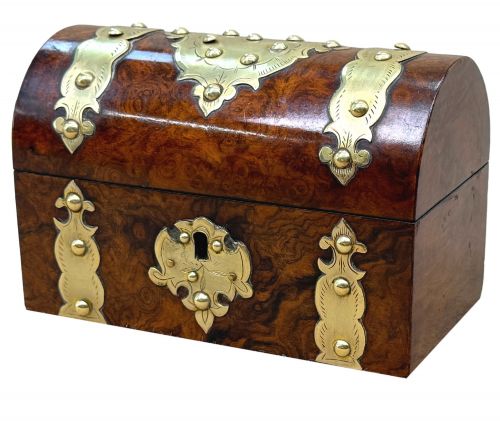
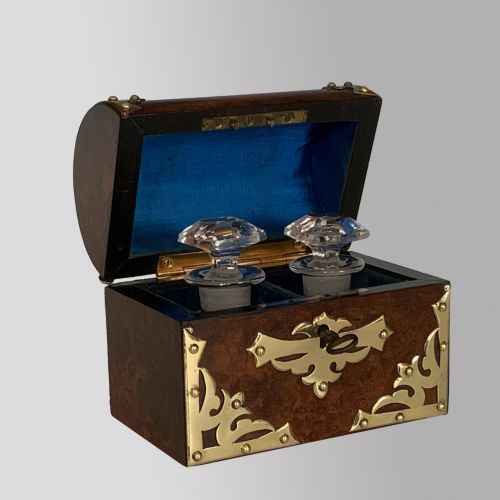
When you search for a victorian brass casket, you encounter heavily mounted wooden boxes, solid cast metal caskets and fitted containers designed for the nineteenth-century interior. These small chests served practical purposes on writing desks and dressing tables, holding correspondence, stationery, scent bottles or jewellery.
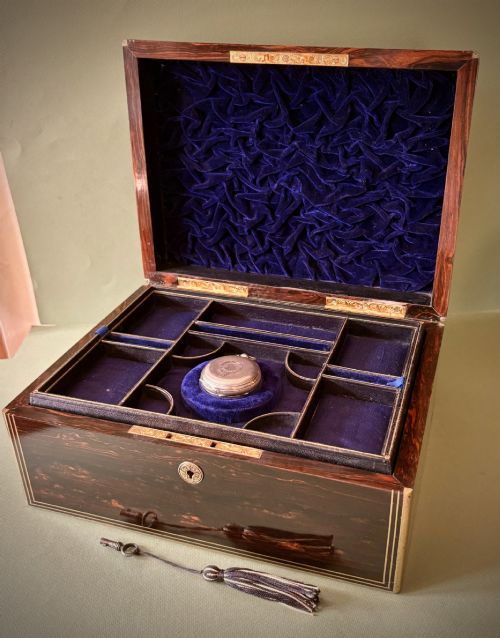
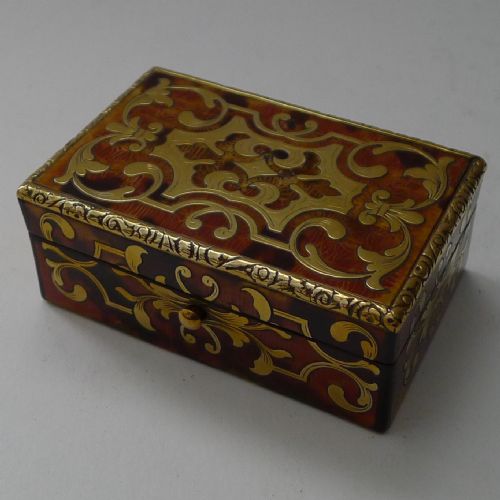
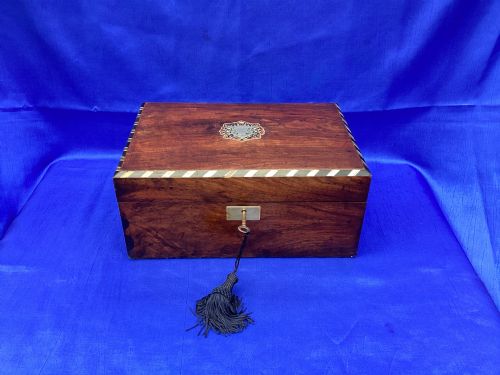
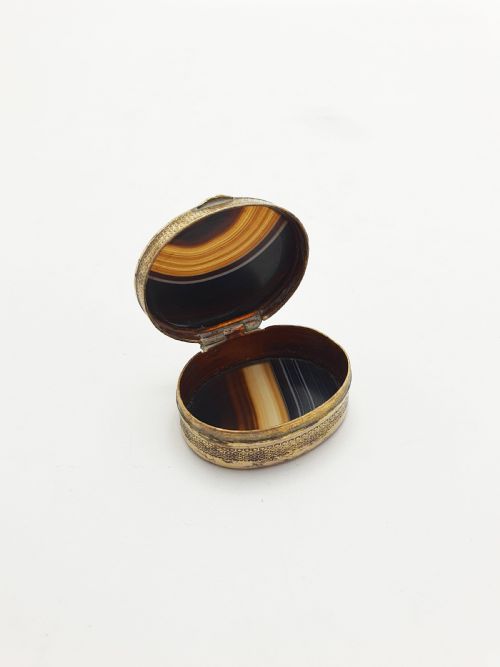
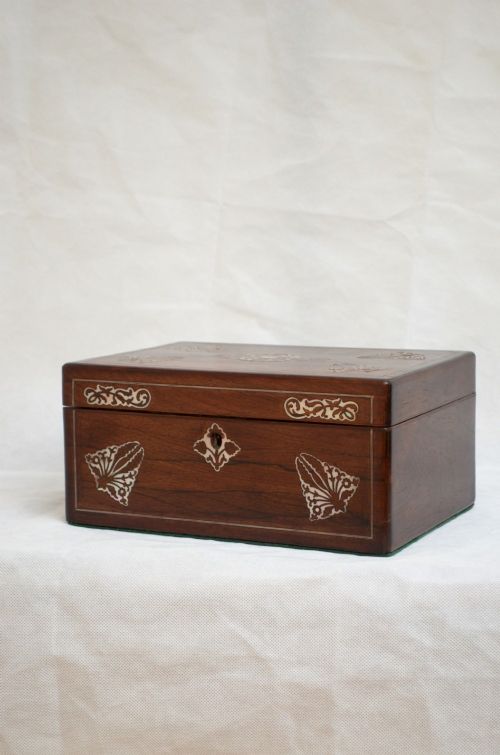
The pieces on this page span the Victorian era, utilising durable hardwoods like walnut, rosewood and coromandel as foundations for substantial brass straps, hinges and mounts. Many examples combine brass work with cabochons of agate, malachite or porcelain inserts, reflecting revivalist tastes from the eighteen-sixties onwards.
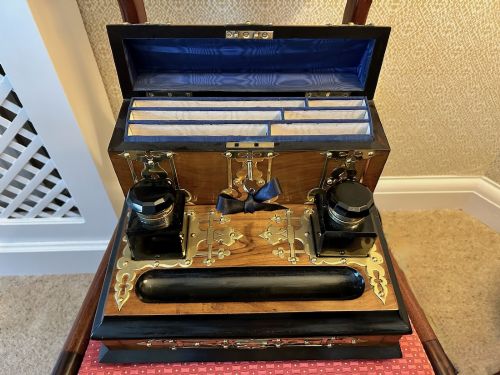
Stationery boxes, jewellery cases and desk caskets dominate the forms available today. While some are simple brass-bound chests, others incorporate Gothic Revival or Neoclassical motifs that define the decorative arts of the period.
How they were made
Cabinet makers constructed the foundational carcases from dense timbers such as burr walnut, pollard oak and coromandel, often applying decorative veneers to the exterior surfaces. Brass straps, corners and escutcheons were then hand-fixed with small screws to reinforce the corners and edges of the timber.
Foundries produced the cast brass mounts, hinges and feet separately, frequently employing piercing, engraving or repoussé techniques to create ornate surface patterns. Silk, velvet or leather linings were fitted inside the compartments by hand to cushion delicate items like pocket watches and necklaces.
Metalworkers occasionally set semi-precious stones, glass cabochons or porcelain plaques directly into the brass framework, securing them with bezels or prongs. This combination of heavy timber, bright cast brass and textile interiors required collaboration between carpenters, metalworkers and upholsterers.
Victorian Brass Casket Retail Price Guide 2026
Typical asking prices for victorian brass casket among the pieces listed under this phrase on Sellingantiques today, from the lower quarter to the upper quarter. They describe what is for sale here now, not the wider market.
Several boxes still retain their original brass keys, an uncommon survival from the nineteenth century when servants held the household rings.
What varies in quality
The distinction between standard containers and superior examples lies in the weight of the metalwork and the precision of the joinery. Finer caskets feature heavy, thick-gauge brass mounts that are deeply engraved and securely fixed, whereas lesser pieces utilise thin, stamped brass sheets pinned lightly to the wood.
Internal complexity also dictates value, with top-tier boxes containing secret drawers, spring-released compartments, or fully fitted removable trays for stationery and writing implements. The selection of timber grain, particularly matched burr walnut or figured coromandel veneers, marks the distinction between everyday utility items and luxury drawing-room pieces.
The Victorian Brass Casket Glossary
- Cabochon
- A convexly shaped, polished gemstone or piece of glass without facets, frequently mounted onto the brass exterior of nineteenth-century caskets.
- Escutcheon
- A flat plate surrounding a keyhole that protects the surrounding wood from wear and adds decorative detail to the front of the box.
- Coromandel
- A dense, heavily figured timber imported from Asia, prized by Victorian cabinet makers for luxury stationery and jewellery boxes.
- Stationery box
- A desk accessory featuring tiered or sloping compartments specifically designed to hold writing paper, envelopes and blotting pads.
- Repoussé
- A metalworking technique where the artisan hammers the design from the reverse side to form a raised pattern on the front.
Victorian Brass Casket: Frequently Asked Questions
What were brass caskets used for?
These containers served specific storage roles in Victorian homes, holding private correspondence, writing materials, or personal jewellery. Gentlemen kept stationery and visiting cards in them on study desks, while ladies stored trinkets in boudoir caskets.
The sturdy construction protected valuable items from dust and handling. Many included fitted trays and velvet linings to keep contents organised.
How do I date a Victorian brass casket?
Dating relies on combining the timber type, the style of the brass mounts, and the construction methods used inside. Mid-nineteenth-century pieces often favour heavy Gothic Revival brasswork on walnut, while later decades introduced sleeker aesthetic designs.
Interior linings and paper labels underneath can sometimes provide narrower dating windows. Cabinet-making techniques also shifted from hand-cut dovetails to machine-finished joints toward the end of the era.
Are original linings common?
Original silk, velvet or leather linings survive in varying states of preservation, depending on how heavily the box was used. Many pieces retain their aged interiors, showing typical fading and wear from nineteenth-century use.
Some surviving caskets feature professional restorations where the textile lining has been replaced to match historical precedents. This renewal allows the box to be used safely for modern storage without losing its period character.
How do I care for brass and wood?
Maintenance involves dusting the wooden exterior with a dry cloth and occasionally applying a suitable wax to nourish the veneer. Brass mounts should be cleaned gently without abrasive polishes that might strip the aged patina.
Keeping the boxes away from direct sunlight and excessive humidity prevents the timber from warping and protects the internal fabric linings from deteriorating.