


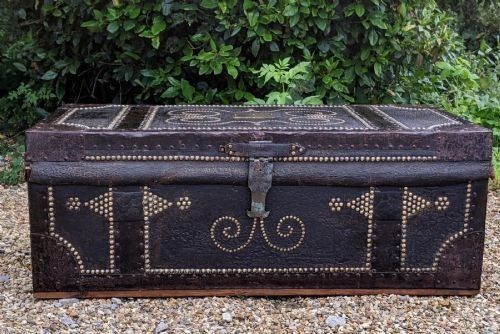
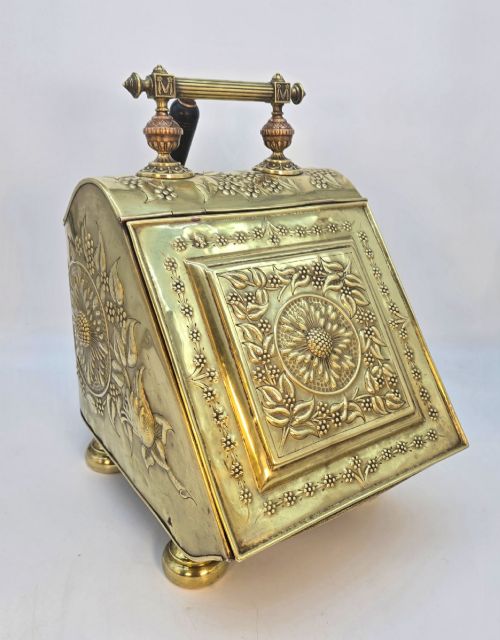
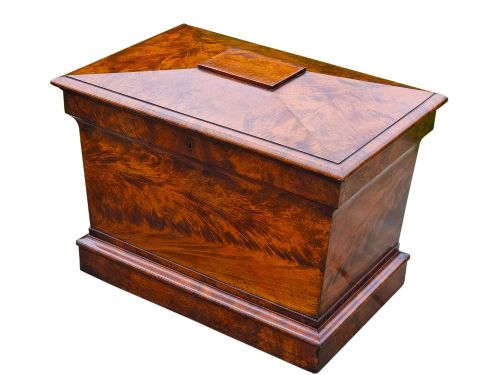
Nineteenth Century Box
A nineteenth century box brings practical storage and craftsmanship together, offering a tangible link to the domestic and travel habits of the era.
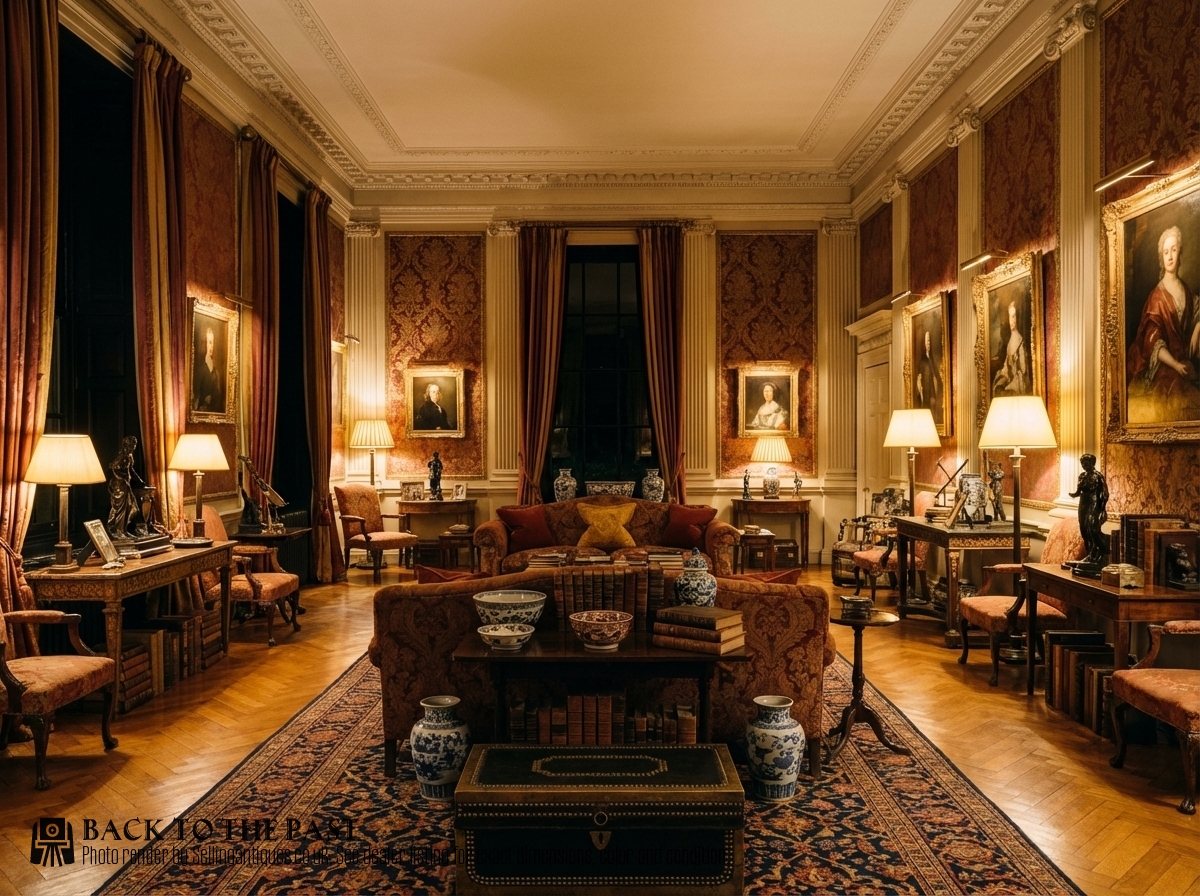
Nineteenth Century Box
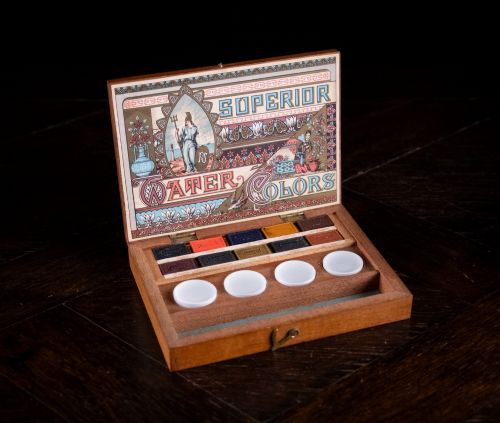
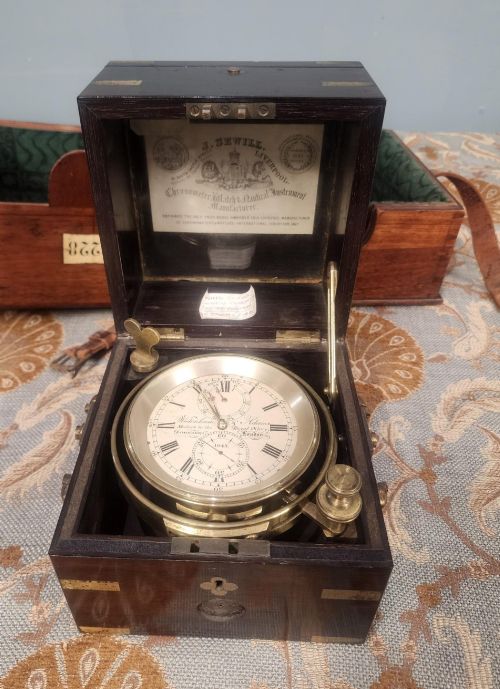
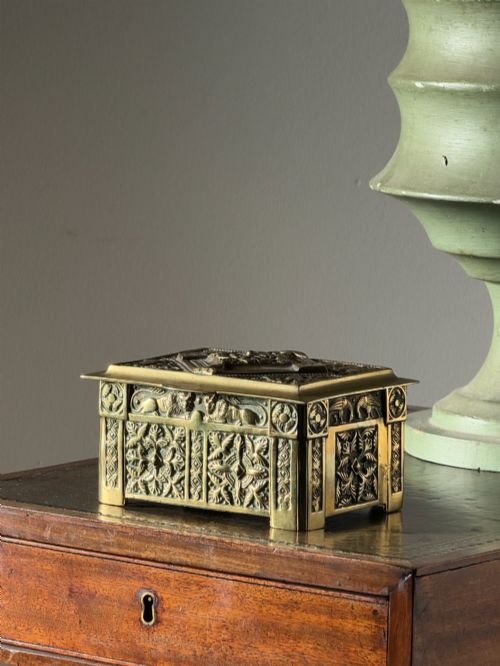
A nineteenth century box encompasses a diverse array of utilitarian and decorative containers used for travel, writing, and storage.
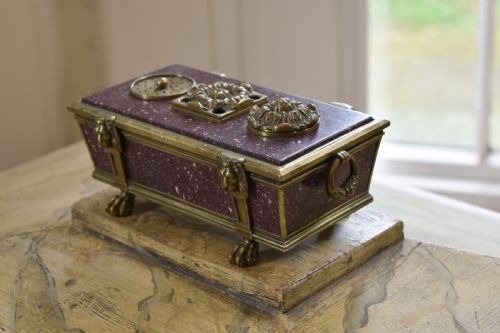
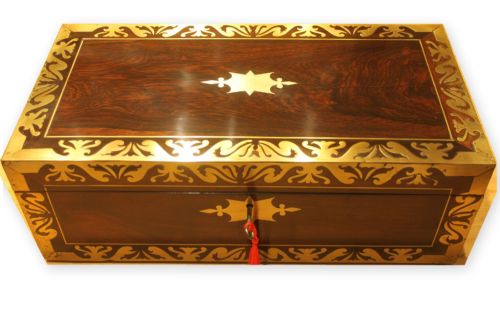
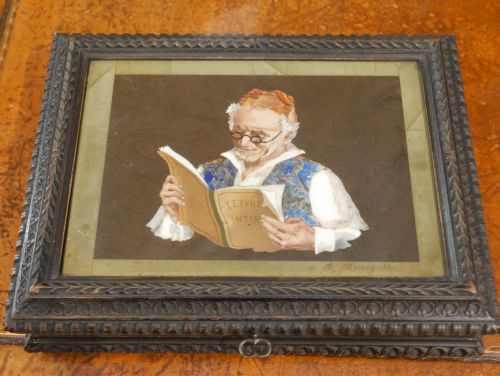
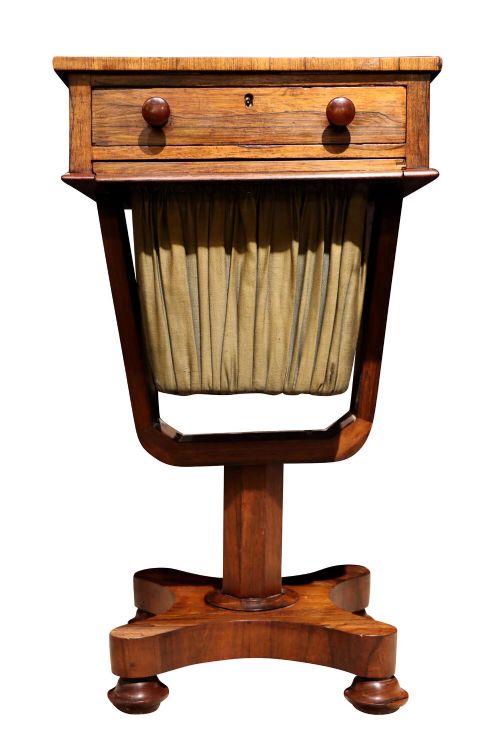
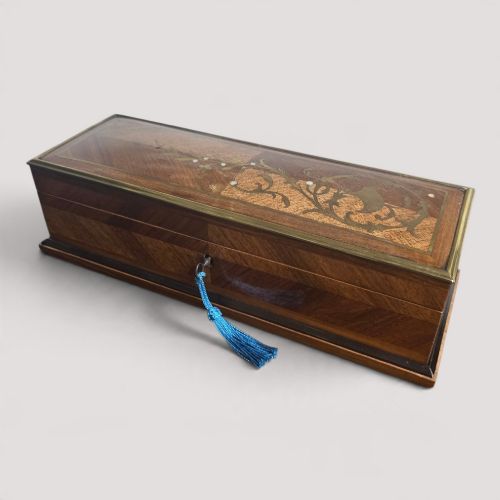
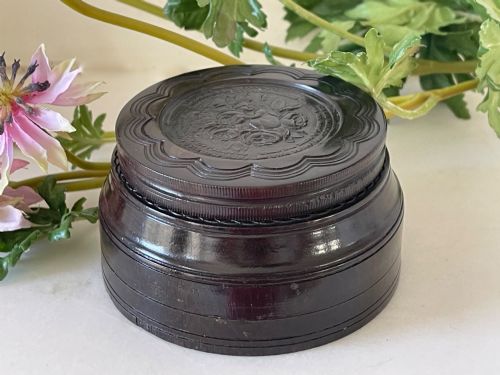
Buyers will encounter various forms on this page, ranging from mahogany writing slopes and rosewood tea caddies to campaign trunks and small horn snuff boxes.
Origins span British workshops alongside continental European and Anglo-Indian makers, reflecting global materials and trade during the period.
How they were made
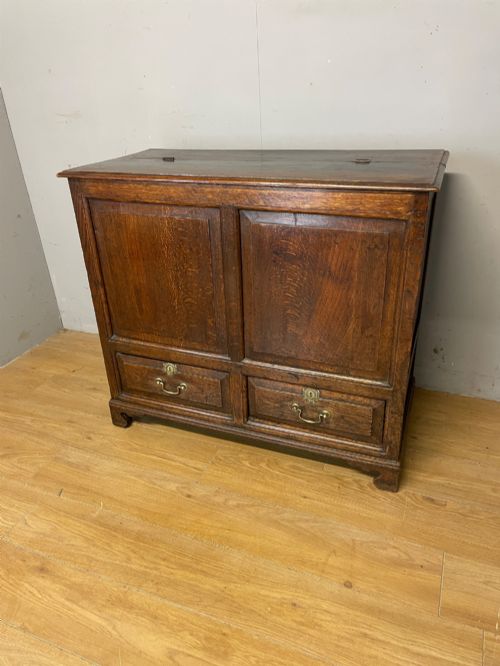
Construction relies heavily on dense timbers such as mahogany, rosewood, walnut, and oak, frequently paired with brass binding or inlay for structural durability.
Surface decoration incorporates specialist techniques including Tunbridge Ware marquetry, papier-mâché with mother of pearl inlay, and champlevé enamel on metal.
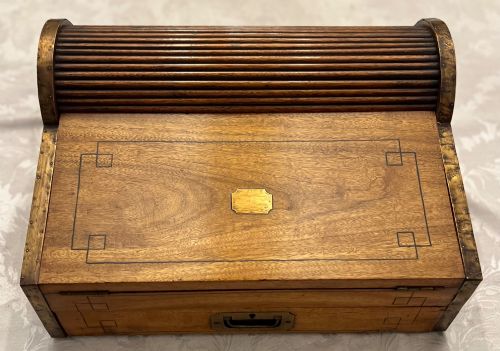
Campaign pieces utilise flush brass handles and reinforced corners designed to withstand rigorous movement during colonial travel.
Nineteenth Century Box Retail Price Guide 2026
Typical asking prices for nineteenth century box among the pieces listed under this phrase on Sellingantiques today, from the lower quarter to the upper quarter. They describe what is for sale here now, not the wider market.
Listings feature woods including mahogany, rosewood, walnut, pine, and camphorwood across nineteenth century forms.
What varies in quality
The degree of refinement in interior fittings separates standard utility containers from superior examples, particularly within fitted writing slopes and apothecary boxes.
The precision of decorative embellishments, such as tight parquetry geometry or finely engraved metalwork, distinguishes master craftsmanship from simpler production.
Material selection dictates overall grade, where highly figured burr veneers or substantial brass mounts elevate the piece above plain pine or basic iron-bound trunks.
Arthur Wannop·Edmund Nye
The Nineteenth Century Box Glossary
- Campaign slope
- A portable writing desk featuring folding sections and flush hardware designed for military travel.
- Tea caddy
- A container specifically built to store dry tea leaves, often featuring internal compartments and lockable lids.
- Tunbridge Ware
- Woodworking characterised by tiny mosaic tiles formed from naturally coloured woods to create intricate geometric patterns.
- Papier-mâché
- A composite material made from paper pulp or layers of paper bound with glue, moulded and lacquered.
Nineteenth Century Box: Frequently Asked Questions
What is a nineteenth century box used for?
These containers served specific domestic and travel functions, ranging from securing correspondence and serving tea to housing medicinal supplies and jewellery.
Today, they adapt easily to modern interiors for storing small personal items or acting as decorative table-top objects.
How do I identify a campaign box?
Campaign pieces feature robust timbers like mahogany or teak, reinforced with brass corners and fitted with flush recessed handles to prevent snagging during transit.
They often open to reveal fitted writing surfaces, inkwells, or compartments designed for officers on the move.
What woods are typical for these boxes?
Common timbers include rich tropical hardwoods like rosewood and mahogany, alongside durable British oaks and walnuts.
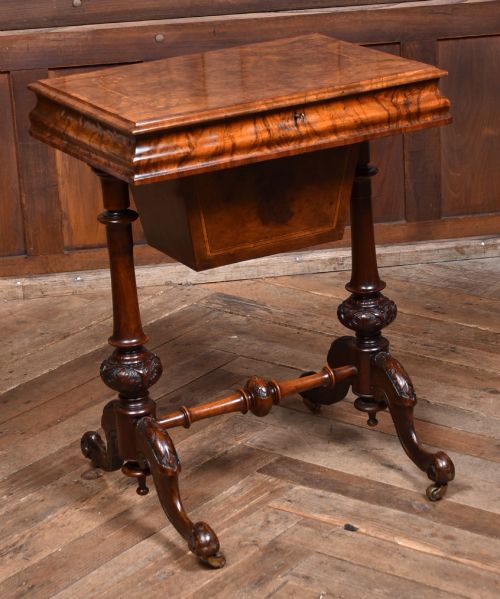
Finer examples utilise decorative veneers such as burr walnut or employ parquetry and Tunbridge Ware for surface pattern.
How do I tell different periods apart?
Early nineteenth century examples often align with Regency or William IV styles, displaying classical restraint and bold rosewood grains.
Later Victorian pieces introduce diverse decorative techniques, including papier-mâché with mother of pearl and champlevé enamel.